

Introduction: Gingival Abrasion and Saliva Depletion – The Overlooked Duo in Oral Devices In today’s competitive oral care device market, consumers demand powerful cleaning performance and smart functionality. Yet, hidden beneath these expectations lies a growing concern: gingival abrasion caused by mechanical overexposure, and saliva depletion induced by poor thermal or vibrational design. When these two issues occur simultaneously, the result can be a silent but progressive deterioration of oral health—one that often escapes early detection. For B2B manufacturers, failing to address these risks at the design stage could mean product recalls, customer dissatisfaction, or even reputational damage. The Technical Triggers of Gingival Abrasion Gingival abrasion is most often caused by poor brush design and misaligned functional mechanics. Several technical aspects contribute to this issue: Overly stiff bristles or aggressive oscillation patterns Lack of pressure regulation leading to excessive force on the gumline Inflexible brush head geometry that does not adapt to gingival curvature Slippery or unbalanced handles that encourage incorrect brushing angles To address this, preventive design must include soft-touch materials, ergonomic handling, and real-time feedback features that discourage aggressive brushing. Saliva Depletion: A Device-Induced Imbalance? While saliva flow is primarily a physiological process, device design can subtly yet…
.jpg)
In the age of connected health, toothbrushes are no longer just cleaning tools—they're smart health devices. One of the most revolutionary developments in oral care innovation is real-time brushing tracking, a feature now integrated into many high-end smart toothbrushes. This innovation provides users with instant feedback, improves brushing habits, and gives brands a competitive edge. For oral care brands looking to stay ahead in a crowded market, finding the right oral care OEM that understands and delivers smart toothbrush technology is essential. This blog explores the functionality, user benefits, and the manufacturing considerations behind real-time tracking in electric toothbrushes. What is Real-Time Brushing Tracking? Real-time brushing tracking refers to the toothbrush’s ability to monitor brushing patterns, duration, angle, and coverage through embedded sensors and Bluetooth connectivity. Data is transmitted to a companion app that provides immediate feedback and long-term performance insights. This feature has redefined brushing from a passive to a guided, interactive experience, especially for users who struggle with consistent technique. Smart Toothbrush Technology: Core Features Today’s smart toothbrushes offer more than basic cleaning. Key functionalities enabled by smart toothbrush technology include: 3D motion sensors and pressure sensors AI-driven feedback on missed areas Gamification features for children and families Custom brushing modes synced with…
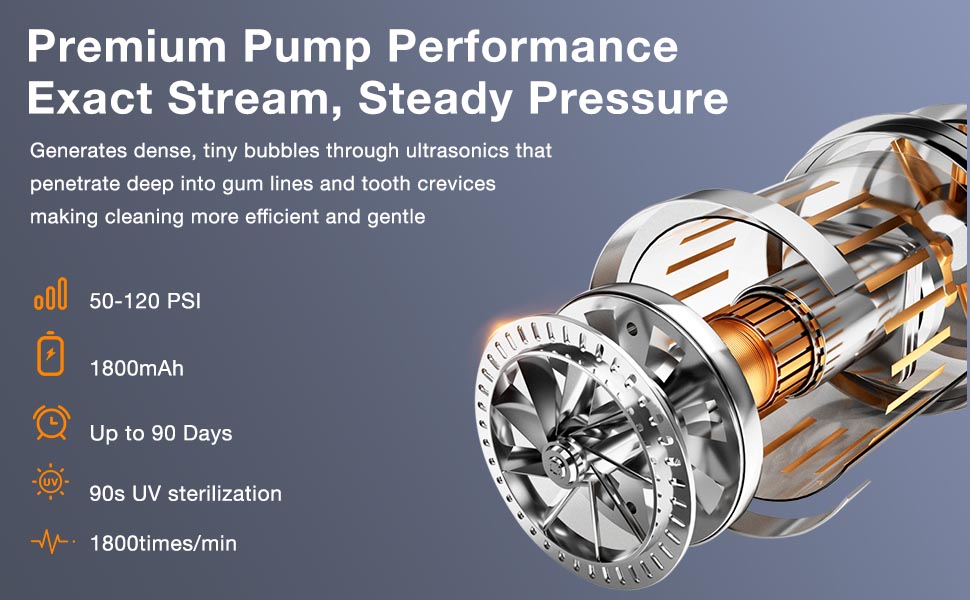
Introduction: High-Speed Sonic Brushing and Gum Recession—A Cause for Concern? With the rise of high-performance oral care tools, the 40000 Strokes/Min Sonic Brush has become a benchmark in the electric toothbrush market. This rapid-motion technology promises superior plaque removal, deep cleaning, and improved user efficiency. However, among dental professionals and OEM partners alike, a recurring concern has emerged: Does the 40000 Strokes/Min Sonic Brush contribute to Gum Recession? To answer this, we must investigate how high-frequency brushing interacts with delicate gingival tissue, and whether poor design, improper usage, or mechanical imbalance could aggravate the risk. Understanding the Function of a 40000 Strokes/Min Sonic Brush The sonic toothbrush operating at 40000 strokes per minute uses high-speed vibration to agitate fluids and dislodge plaque even beyond the physical contact of bristles. This intense oscillation is ideal for: Breaking down biofilm and tartar in hard-to-reach areas Enhancing microbubble cleaning through fluid dynamics Delivering a consistent brushing rhythm for standardized oral care However, such intensity must be finely tuned. If not, users may apply excessive pressure or experience prolonged exposure to vibrational force—two key contributors to gum recession. What Is Gum Recession and Why Does It Matter? Gum recession refers to the gradual pulling…
.jpg)
Introduction: Material Safety in Focus for Children's Oral Care Devices When it comes to children’s products, especially oral care tools, material toxicity is a non-negotiable concern. Parents, distributors, and OEM partners are increasingly cautious about what comes into direct contact with young users. This is particularly true for products like the POWSMART Kids Electric Toothbrush, which combines technology and daily hygiene in one. The key question many B2B stakeholders are asking is: Does the POWSMART Kids Electric Toothbrush contain any material toxicity that may pose risks to young users? In this blog, we explore the material composition, compliance certifications, safety testing, and design intentions behind the POWSMART Kids series to clarify this important issue. Why Material Toxicity Matters in Kids’ Electric Toothbrushes Children’s oral tissues are more sensitive, their immune responses still developing, and their habits less predictable. This makes them especially vulnerable to the negative impacts of: Endocrine-disrupting chemicals (e.g., BPA) Unstable colorants or surface coatings Allergenic plastics or elastomers Low-grade metals in motor casings or brush necks For B2B manufacturers, the reputation risk of a material toxicity incident is significant—affecting both brand trust and regulatory exposure. Materials Used in the POWSMART Kids Electric Toothbrush The POWSMART Kids Electric…
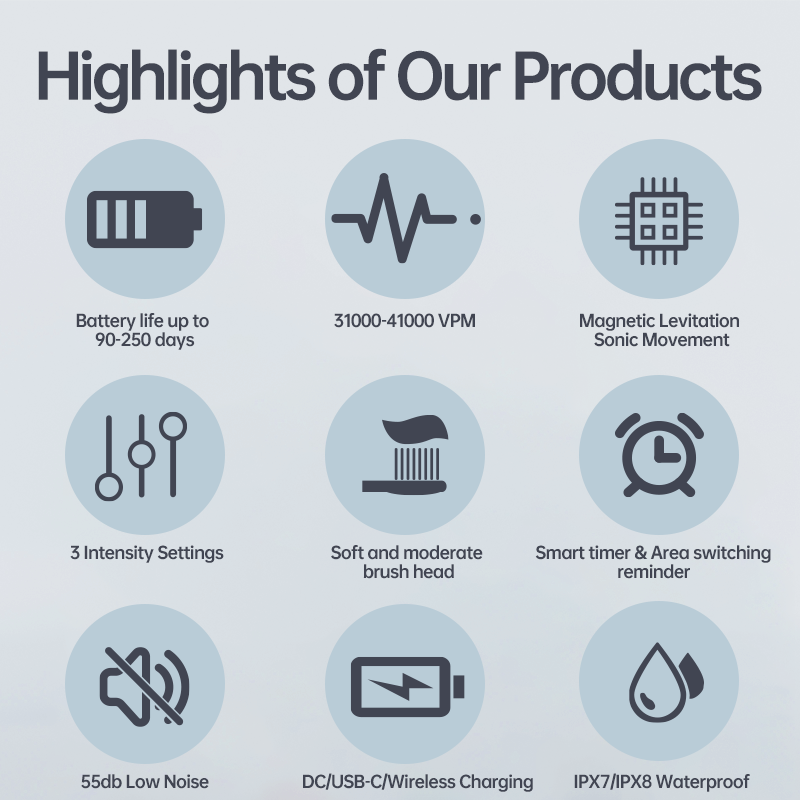
Introduction: A Small Leak, a Big Problem? As portability and convenience become key selling points in oral care, the Travel Electric Toothbrush is seeing a surge in demand across global B2B channels. However, with compact size and mobile usage comes a heightened reliance on waterproof integrity. A frequently overlooked but critical concern is: Can waterproof failure in a travel electric toothbrush lead to internal circuit corrosion? The short answer is yes—and the implications for reliability, safety, and brand credibility are severe. This blog dives deep into how waterproof failure occurs, its direct link to circuit corrosion, and how manufacturers can proactively address the issue. Understanding Travel Electric Toothbrush Construction A Travel Electric Toothbrush typically integrates a compact high-speed motor, lithium-ion rechargeable battery, microcircuit control board, and pressure-sensitive brushing feedback—all within a slim enclosure. Because these components are tightly packed and often exposed to water during brushing, waterproofing becomes not just a cosmetic feature, but a critical functional protection barrier. Failure in this area can compromise the entire device's integrity. Key Materials and Design Elements in Waterproofing To defend against moisture infiltration, quality toothbrush manufacturers employ: IPX7 or higher-rated sealing standards Ultrasonic welding at joint seams Silicone O-rings in charging ports…
.jpg)
Introduction: Brush Shedding – A Critical Concern for Sensitive Gums For brands catering to oral care users with delicate needs, the Sensitive Gum Electric Toothbrush has become a flagship product category. However, reports of brush shedding—where bristles detach prematurely—are raising legitimate concerns across supply chains. Not only does bristle loss compromise cleaning performance, but for users with sensitive gums, it can trigger irritation, inflammation, or even accidental ingestion. This article explores why brush shedding happens, its implications for sensitive users, and how manufacturers can design toothbrushes that are both gentle and structurally sound. Why Sensitive Gums Require Specialized Design Consumers with sensitive gums are prone to bleeding, swelling, or discomfort when using standard brushes. As a result, soft bristles, low-pressure modes, and ergonomic head design are key selling features in any Sensitive Gum Electric Toothbrush. However, softness and flexibility must not compromise bristle retention strength. This fine balance is often where manufacturing shortcuts cause issues. Root Causes of Brush Shedding in Electric Toothbrushes Several technical and material-based factors can lead to premature bristle loss: Inconsistent bristle tufting depth or anchoring during assembly Low-grade PBT or nylon filament fatigue after limited use Overuse of ultrasonic welding without tuft-hole reinforcement Inadequate QC…
.jpg)
In today’s smart oral care devices, real-time status indicators are more than convenience—they are safeguards. However, when indicator failure occurs, it may silently compromise both user experience and clinical outcomes. One overlooked yet serious risk is the potential for periodontal pocket deepening to go undetected due to unresponsive or inaccurate device alerts. This article explores how faulty indicators can mask early signs of gum disease progression—and what manufacturers must do to prevent this silent escalation. Understanding Indicator failure in Oral Care Devices In electric toothbrushes, oral irrigators, or diagnostic tools, indicators often play a critical role. Common indicator functions include: Battery level alerts Pressure sensitivity feedback Operation timing reminders Mode switch status Usage tracking or app sync When these indicators malfunction—whether due to faulty sensors, software bugs, or wear and tear—users may unknowingly operate the device under suboptimal conditions. What Is Periodontal Pocket Deepening? Periodontal pocket deepening refers to the increased space between the tooth and gum, typically caused by chronic inflammation and plaque accumulation. This condition marks the early to intermediate stages of periodontal disease and can lead to: Tooth loosening Gum recession Bone loss Eventual tooth loss if untreated Timely detection is key. Devices designed with periodontal detection…
In high-frequency consumer electronics and medical-grade equipment, adapter overheating and circuit shorting are not just performance concerns—they may signal a potential fire hazard. While these issues are often treated independently, their co-occurrence can rapidly escalate the risk of thermal runaway or device ignition. This article explores the root causes, failure mechanisms, and proactive design measures manufacturers must take to prevent catastrophic outcomes. Identifying the Symptoms: Early Signs of Trouble Before failure becomes critical, several warning signs often appear: Temperature rise near the adapter during operation Audible buzzing or flickering LEDs Unusual smells or discoloration at charging points Intermittent device shutdown or reboot Adapter overheating can result from improper load regulation, degraded thermal paste, or substandard power ICs. If unresolved, this heat buildup may lead to insulation degradation, ultimately triggering circuit shorting. How Overheating Triggers Electrical Shorting Excessive adapter heat can weaken or deform internal insulation, especially in low-cost or poorly ventilated designs. As heat degrades barrier layers or softens solder joints: Adjacent conductors may arc PCB traces may warp and bridge Melted cable shielding can expose conductive paths The result? A circuit shorting event, which may ignite nearby polymer materials or cause localized arc faults. Fire Risk Assessment: When Does…
In the field of oral care product manufacturing, maintaining safe chemical and sensory interaction with the oral environment is a critical challenge. One increasingly reported issue in certain devices is the co-occurrence of pH imbalance and taste distortion. While either condition alone may seem minor, their combination could indicate underlying risks—possibly even toxicity. For OEM and ODM suppliers, understanding the interplay between these factors is vital for both product safety and user satisfaction. Identifying the Warning Signs: What Users Experience imbalance Customers may initially report that a device “tastes metallic” or “leaves a strange aftertaste.” Closer examination often reveals additional indicators, such as tingling sensations or irritation after repeated use. These symptoms are frequently traced back to taste distortion and changes in oral pH. The question arises: is this merely a byproduct of formulation or a red flag for deeper material or design flaws? Understanding pH imbalance in Oral Devices The mouth maintains a slightly acidic to neutral pH, typically between 6.2 and 7.4. Any pH imbalance, either acidic or alkaline, introduced by a device—through water reservoir materials, surface coatings, or residual electrolytes—can disrupt the natural buffer system of the oral cavity. This may: Weaken enamel over time Encourage pathogenic…
When users report discomfort during use of oral care devices, symptoms like jaw fatigue and increased dental sensitivity often emerge as low-priority concerns. However, recent technical investigations suggest that these may be linked to demineralization zones—subtle, progressive losses in enamel integrity that go unnoticed until damage becomes irreversible. Could this be a silent threat built into product design? For OEM/ODM manufacturers, addressing this hidden correlation is critical to ensuring safety, comfort, and long-term brand value. What Are Demineralization Zones – And Why Do They Matter? Jaw fatigue Demineralization zones refer to areas on the tooth surface where enamel loses its mineral content, primarily due to acidic exposure or improper mechanical cleaning. These zones, while not initially visible or painful, serve as precursors to: Cavities Surface roughness Long-term tooth erosion For oral care device manufacturers, poorly designed bristle dynamics or water flow pressure can unintentionally exacerbate demineralization—especially in users with pre-existing enamel weaknesses. Understanding the Onset of Jaw Fatigue Jaw fatigue typically manifests as tension or soreness in the mandibular muscles following prolonged or repeated use of oral hygiene devices. While it's often attributed to improper grip or usage angle, it may also stem from: Excessive device vibration Poor ergonomics requiring…
As global demand for smart and efficient oral care tools continues to rise, 2025 is set to be a defining year for electric toothbrush brands. A well-planned electric toothbrush promotional sale can boost brand visibility, grow customer base, and increase market penetration. But behind every successful promotion is a reliable, scalable production partner. For brands looking to take advantage of the upcoming demand spike, identifying the right electric toothbrush manufacturing partner is critical. Electric Toothbrush Market Share 2025: What the Numbers Reveal The global electric toothbrush market share in 2025 is projected to exceed USD 6.5 billion, with strong growth driven by innovation, oral health awareness, and increasing disposable incomes. Key drivers include: Rising consumer interest in smart brushing technology Wider retail penetration (online + offline) Growing demand for personalized and eco-conscious oral care products This growth represents a massive opportunity for brands to expand into new regions or double down on core markets — provided they can meet the surge in demand with flexible manufacturing capacity. Role of Manufacturers in Supporting Promotional Campaigns A successful electric toothbrush promotional sale isn't just about offering discounts — it’s about delivering products on time, at scale, and with uncompromising quality. An experienced electric toothbrush manufacturing partner should…
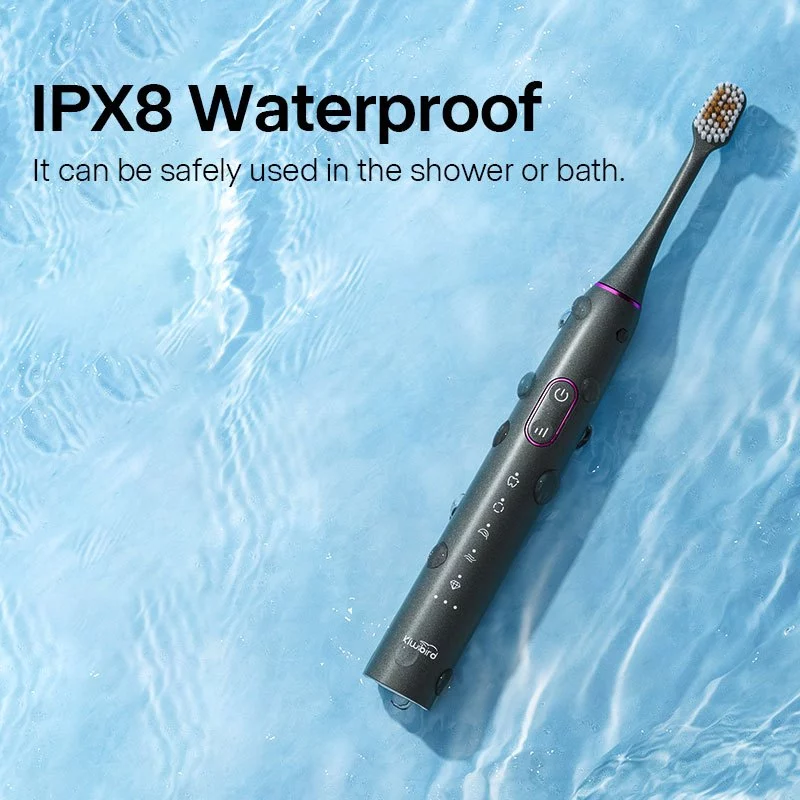
In today’s competitive oral care market, electric toothbrushes come in a wide range—from simple budget models to premium smart designs. For oral care brands seeking to source reliable manufacturers, understanding the core electric toothbrush differences is crucial for developing a product portfolio that aligns with consumer expectations and pricing strategies. This blog offers a toothbrush comparison between cheap electric toothbrushes and high-end electric toothbrushes, highlighting 5 key differences to guide your sourcing and product development decisions. Motor Technology & Performance One of the most fundamental differences lies in the motor system. Cheap electric toothbrushes typically use basic vibration motors with lower RPMs (around 6,000–12,000 strokes/min). These models provide basic plaque removal but limited deep-cleaning capabilities. High-end electric toothbrushes, on the other hand, feature high-frequency sonic or oscillating-rotating motors that can reach up to 40,000 strokes/min. These deliver superior plaque removal and gum stimulation. ? When selecting a manufacturing partner, assess their capability in producing motors with variable frequency or sonic technology—key aspects of oral care technology today. Battery & Charging Options Battery quality directly impacts product usability and consumer satisfaction. Budget models often use AA batteries or low-cost rechargeable cells with short lifespan and limited usage per charge. Premium models typically include long-lasting lithium-ion batteries, fast-charging…
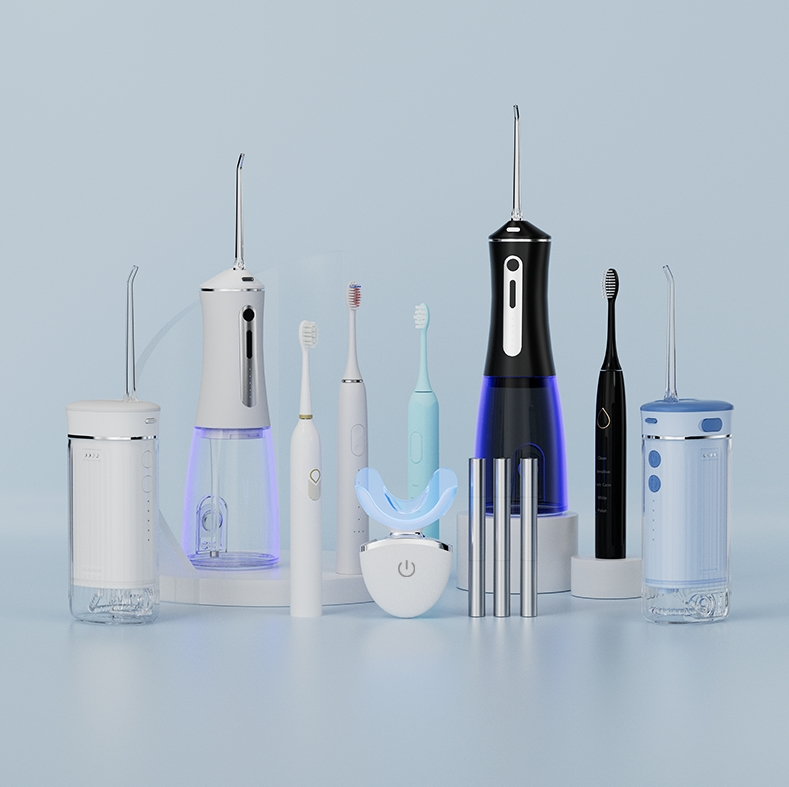
In today’s highly competitive oral care market, many brands are drawn to the promise of low-cost electric toothbrushes and custom water flossers from budget-focused OEM factories. While the upfront price may be attractive, these choices often come with hidden risks that can harm product quality, brand reputation, and long-term growth. This article uncovers five key hidden risks for brands that seek to launch or expand their product lines with budget OEMs, and why quality, not just cost, should be the priority when sourcing OEM oral care products. Quality Control Issues: What You Save Now Could Cost You Later One of the most common and damaging issues with low-cost electric toothbrushes & water flossers is inconsistent or poor quality control. Budget manufacturers often cut corners on materials, components, and assembly processes to meet low pricing expectations. Product failures (e.g., weak battery life, malfunctioning motors, leaks) Non-compliance with regional safety certifications (CE, FDA, etc.) High return rates that damage profit margins and brand image For any brand, sacrificing quality control to save costs can lead to long-term customer distrust and loss of credibility. Limited R&D and Outdated Technology Innovative features like Bluetooth connectivity, smart sensors, or adaptive pressure control are now standard in mid-to-high-end oral care devices.…
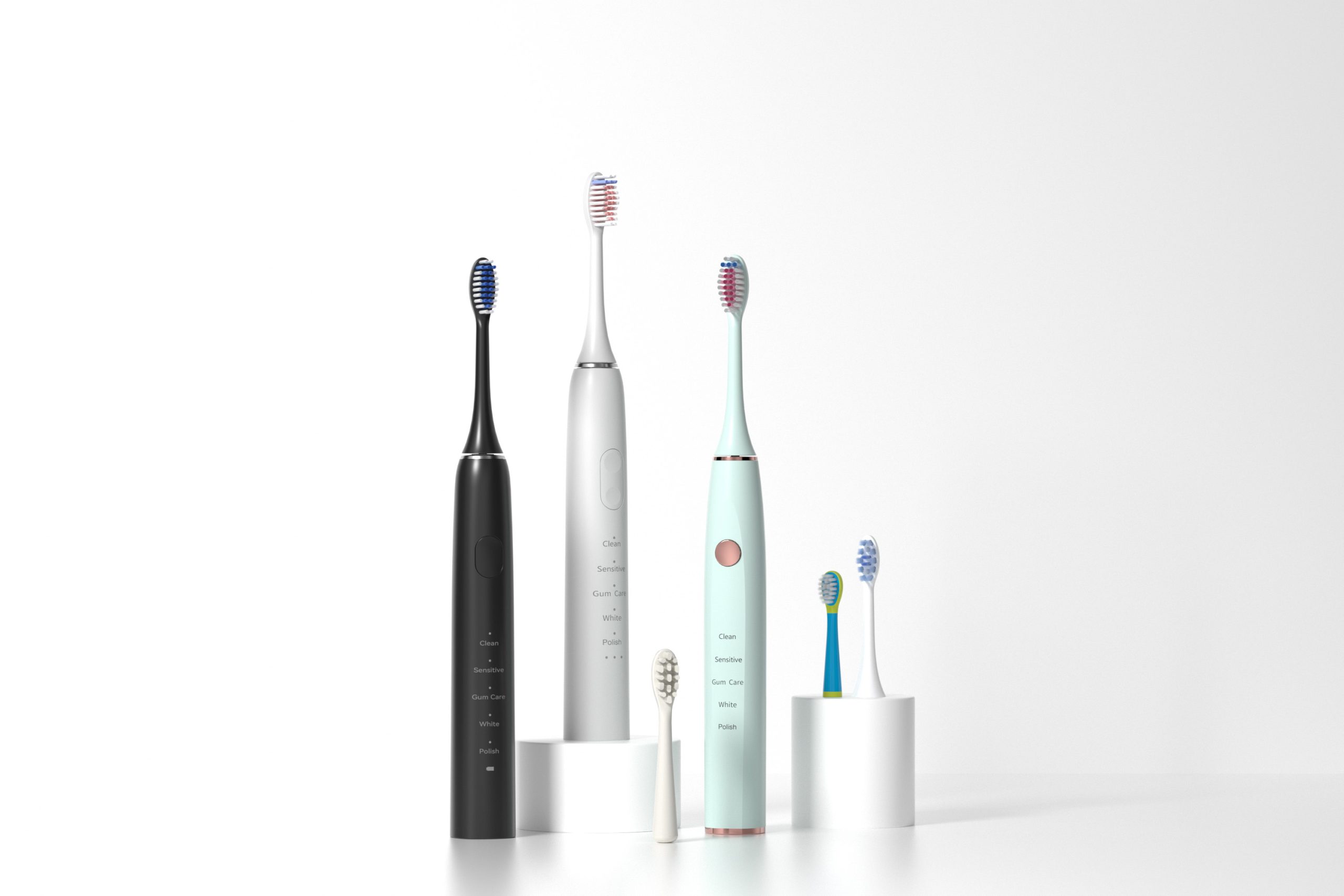
When developing a successful electric toothbrush, one critical consideration for oral care brands and manufacturers is the electric toothbrush charging system. The type of charging method used can significantly impact user experience, product lifespan, and ultimately, brand reputation. This article explores various charging technologies — including wireless charging, contact charging, and USB-C charging — and evaluates their pros, cons, and charging failure rate to help brands make informed choices. Contact Charging: Proven but Sensitive to Wear Contact charging is one of the most widely used methods in electric toothbrushes. It involves direct metal-to-metal contact between the brush and the charging base. Pros: Cost-effective and easy to integrate into existing product designs Fast charging with relatively simple electronics Cons: Charging reliability may degrade over time due to corrosion or dirt buildup on the contact points Higher charging failure rate in humid environments or after prolonged use This method is suitable for entry-level or cost-sensitive product lines, but brands seeking long-term durability may prefer alternatives. Wireless Charging: Sleek and Sealed Wireless charging (inductive charging) eliminates metal contacts, using electromagnetic fields to transfer energy through the plastic housing. This technology is becoming increasingly popular in premium models. Pros: Enhanced waterproofing and aesthetic appeal Fewer moving parts and better longevity Lower…
In the realm of personal care device design, especially in products like sonic toothbrushes and water flossers, vestibular stimulation and head positioning are rarely discussed together. Yet, users occasionally report dizziness, vertigo, or disorientation after prolonged device use. Could vestibular stimulation caused by device vibrations or water jets, coupled with specific head positioning, be a hidden cause of user discomfort? This blog delves deep into this overlooked topic to clarify its impact on user experience and product safety. What Is Vestibular Stimulation and Why Does It Matter? Vestibular stimulation refers to any mechanical input—vibrations, water pulses, or sonic waves—that interacts with the inner ear’s balance system. In oral care devices: High-frequency vibrations from sonic motors. Directional water jet pulses from flossers. These stimuli, though intended for cleaning efficiency, may inadvertently affect the vestibular apparatus, especially in sensitive users. How Head Positioning Affects Vestibular Sensitivity Head positioning plays a crucial role in vestibular response: Tilting the head backward during brushing or flossing may expose inner ear structures more directly to vibratory or pulse-induced energy. Certain angles increase stimulation transmission from oral cavity to cranial regions. Prolonged improper positioning exacerbates sensations of imbalance or dizziness. Understanding head angles during use is thus…
In recent years, enamel wear caused by improper brushing techniques, especially the overbrushing habit, has become a concern not only for consumers but also for oral care manufacturers. While many users believe aggressive brushing leads to cleaner teeth, excessive force combined with improper product design may result in irreversible damage to enamel. Can this type of enamel wear be reversed? More importantly, how can manufacturers address this issue through smarter design? What Is Enamel Wear and Why Is It Critical? Enamel wear refers to the gradual loss of the protective outer layer of teeth. Once enamel is eroded, the underlying dentin is exposed, leading to: Tooth sensitivity. Increased risk of cavities. Visible discoloration. In B2B product design, enamel preservation must be a key priority. Devices that fail to protect enamel risk damaging both brand reputation and consumer trust. The Role of Overbrushing Habit in Accelerating Damage The overbrushing habit involves: Using excessive brushing force. Brushing longer than recommended. Using hard bristle brushes or overly abrasive brushing modes. Products that do not actively discourage this habit — for instance, by lacking pressure sensors or feedback mechanisms — may unintentionally contribute to enamel wear. Company web:https://www.powsmart.com/product/electric-toothbrush/ Is Enamel Wear Reversible for End…
In modern oral care device design, both mechanical action and user technique influence plaque removal outcomes. Surprisingly, one overlooked factor is the angle technique during brushing. Whether using manual brushes, sonic toothbrushes,or professional cleaning tools, incorrect angle positioning can significantly reduce cleaning efficiency, compromising oral hygiene. But how exactly does angle control influence plaque removal, and what can manufacturers do to address this problem at the design stage? Understanding Angle Technique in Oral Hygiene Angle technique refers to the angle at which a brush head contacts the tooth surface and gum line during cleaning. Dental professionals recommend a 45° angle for optimal plaque removal, ensuring bristles reach into the gingival margin where plaque typically accumulates. However: Most consumers apply brushes at incorrect angles. Automatic brushing devices often lack intelligent angle guidance. Manufacturers that fail to address angle control in their design may inadvertently limit plaque removal efficiency. How Angle Technique Directly Impacts Plaque Removal Efficiency Improper angle technique leads to: Missed plaque along gum lines. Insufficient cleaning between teeth. Uneven force distribution across tooth surfaces. This means even a high-performance sonic motor or advanced brush head may fail to deliver expected plaque removal if bristle orientation isn’t optimized. Company web:https://www.powsmart.com/product/electric-toothbrush/…
In precision oral care devices, especially water flossers, motor burnout and nozzle clogging are often viewed as separate failures. However, are they connected? Could motor degradation indirectly trigger nozzle blockages, reducing device performance? Understanding this hidden link is critical for manufacturers aiming to enhance product reliability. Understanding Motor Burnout in Water Flossers At the core of every water flosser lies a high-speed motor, responsible for generating consistent water pulses. Motor burnout typically results from: Continuous high-load operation. Insufficient heat dissipation. Poor-quality bearings or shaft misalignment. When burnout occurs, torque and rotation speed drop, leading to reduced pumping capacity—a precursor to potential nozzle issues. How Reduced Flow from Motor Burnout Contributes to Nozzle Clogging As motor output weakens, water flow becomes inconsistent or insufficient to flush out micro-debris. This stagnant water in the system creates ideal conditions for: Mineral buildup from hard water. Microbial biofilm accumulation. Residue from dental solutions or mouthwash. Consequently, the nozzle clogging problem worsens progressively if the motor’s declining performance goes unnoticed. Company web: https://www.powsmart.com/product/electric-toothbrush/ Engineering Insights: Identifying Design Vulnerabilities From a technical perspective, several design flaws can exacerbate this failure chain: Non-self-cleaning nozzle designs. Lack of pressure feedback control in the system. Use of low-tolerance motor…


.jpg)
.jpg)
.jpg)
.jpg)
.jpg)



.jpg)
.jpg)
.jpg)
.jpg)