
.jpg)
In water-based oral care devices and precision fluid systems, nozzle clogging is more than just a maintenance nuisance—it’s a primary trigger for pressure loss, leading to a sharp decline in performance, efficiency, and user satisfaction. For OEMs and B2B product manufacturers, understanding this chain reaction is critical to optimizing product reliability and lifecycle cost. What Exactly Is Nozzle Clogging? Nozzle clogging refers to the partial or complete obstruction of fluid exit pathways due to the accumulation of debris, scale, gel residue, or biological contaminants. This is particularly common in: Water flossers and irrigators Cosmetic mist sprayers Dental handpieces and medical fluidics Even minor buildup can disrupt flow dynamics, altering the pressure distribution and triggering downstream performance issues. How Nozzle Clogging Leads to Pressure Loss When a nozzle becomes constricted, the system compensates by altering internal flow rates. The results include: Reduced spray force: The flow can’t reach optimal velocity. Pump overload: Increased back pressure forces the motor or diaphragm to work harder, which may lead to premature wear. Intermittent delivery: Inconsistent spray patterns disrupt treatment or user experience. Simply put, pressure loss is not always due to pump failure—it often starts at the nozzle. Company web:https://www.powsmart.com/product/electric-toothbrush/ Root Causes of Clogging…
.jpg)
As electric toothbrushes become an essential part of daily oral care routines, one recurring issue reported by users is that electric toothbrush vibration decreases over time. This can lead to reduced cleaning performance and consumer dissatisfaction—posing risks for both end users and brands. For oral care brands, especially those working with OEM/ODM suppliers, understanding the reasons behind weakened vibration in electric toothbrushes is crucial. This blog will explore common causes, preventive actions, and the importance of choosing an expert in electric toothbrush quality manufacturing. Why Does the Vibration Decrease Over Time? A noticeable drop in brushing performance often stems from several technical or mechanical issues. Here are the main causes: Battery degradation: Lithium-ion batteries can lose capacity after repeated charging cycles, resulting in lower power output and weakened motor performance. Motor wear or imbalance: A worn-out or misaligned motor is a key reason behind weakened vibration in electric toothbrushes. Mechanical obstruction: Dust, toothpaste residue, or water ingress in the motor or drive shaft can restrict movement. Electronic control failure: PCB malfunction or signal delay may cause improper voltage delivery to the motor, impacting vibration intensity. How Poor Manufacturing Affects Vibration Performance While usage habits contribute to performance decline, many cases trace back…
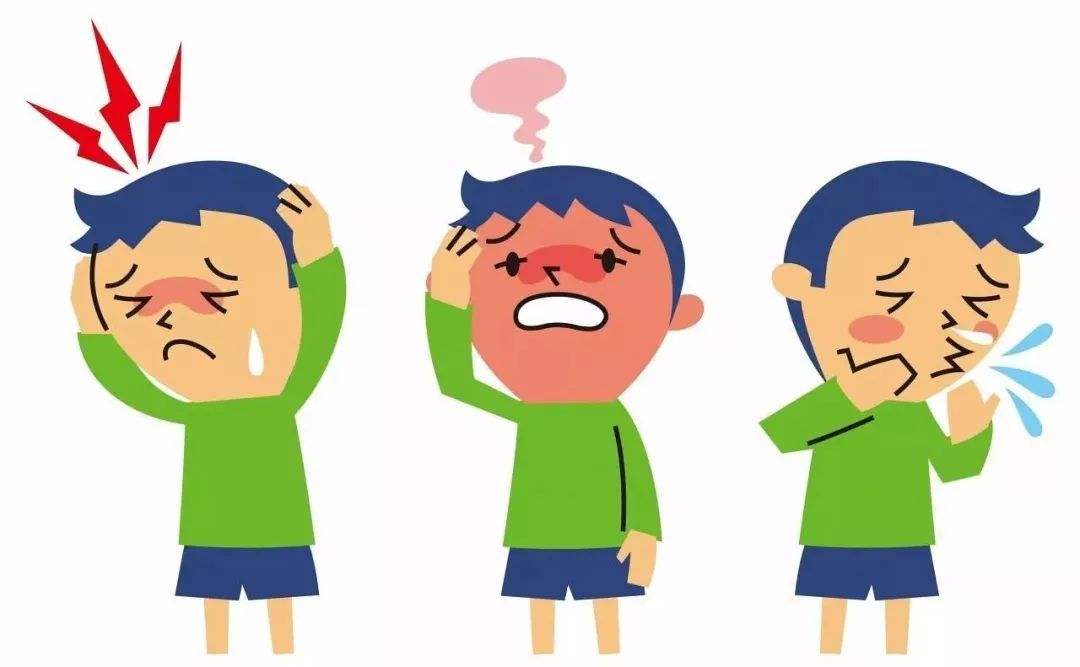
Bad breath, also known as halitosis, is one of the most common concerns among consumers today. For oral care product brands, understanding the bad breath causes and their relation to consumer habits is not just a clinical necessity—it’s a market opportunity. More users are searching for effective solutions, and this starts with products that reinforce proper hygiene practices in the oral cavity. This article explores the relations between daily oral hygiene and bad breath, and why brands should focus on product solutions that support users in ensuring their daily oral hygiene is in place. What Causes Bad Breath? Understanding bad breath causes is essential for developing effective oral care products. The primary culprits include: Bacterial buildup on the tongue and between teeth Dry mouth, which reduces saliva production Gum disease and decaying food particles in the oral cavity Poor brushing or flossing habits that leave plaque and debris behind Most of these issues stem directly from inconsistent or ineffective hygiene routines. In other words, bad breath is often a result of daily oral hygiene not being properly maintained. The Link Between Daily Oral Hygiene and Bad Breath So, is bad breath related to whether daily oral hygiene is in place? The answer is a…
In water-handling systems like oral irrigators, countertop dispensers, and personal care appliances, pump failure and tank leakage are among the most dreaded failure combinations. While either issue alone can degrade performance, their convergence may suggest a terminal malfunction—unless addressed through proper diagnostics and design foresight. Understanding the Role of Pump and Tank in Device Integrity The pump acts as the heart of fluid distribution, driving water through regulated channels. The tank, in contrast, serves as the primary reservoir that ensures uninterrupted supply. Both components must function in tandem to maintain consistent flow rate, pressure stability, and hygiene control. When either fails—especially when both do—the user experience degrades rapidly, and the product lifecycle may shorten dramatically. What Typically Causes Pump Failure? Common causes include: Motor burnout due to overload or voltage instability Seal degradation within the pump chamber, leading to internal fluid seepage Airlock or cavitation, reducing pump efficiency and generating excessive wear Backflow contamination, especially if check valves fail Pump failure often results in no fluid delivery, erratic pulsing, or audible stress from the motor system. Root Causes of Tank Leakage A leaking tank typically points to: Microfractures due to repeated pressure cycling or drop damage Weld seam failure in…
In many fluid-handling or oral care appliances, two of the most frequently reported maintenance issues are hose cracking and valve jamming. These failures not only affect product reliability and user experience but can also raise questions about whether full-unit replacement is necessary—or if component-level solutions can suffice. The Functional Role of Hoses and Valves in Fluid Devices In any pressurized system—whether dental irrigators, countertop water units, or hygiene dispensers—the hose serves as the primary conduit for fluid transfer, while the valve controls the flow rate and directional control. If either part fails, flow precision is lost; if both fail simultaneously, the system may be rendered inoperable. What Causes Hose Cracking? Hose cracking often results from: Material fatigue due to repetitive bending or coiling Exposure to harsh cleaning agents or UV radiation Manufacturing defects like uneven wall thickness Thermal cycling, which leads to embrittlement over time Once a crack forms, pressure drops, leaks become frequent, and internal contamination may follow. Company web:https://www.powsmart.com/product/electric-toothbrush/ Understanding Valve Jamming Mechanisms A jammed valve can stem from: Mineral buildup (e.g., calcium scaling in hard water conditions) Foreign particle intrusion during fluid intake Seal degradation, causing frictional resistance Actuator misalignment in electronically controlled systems Valve jamming disrupts…
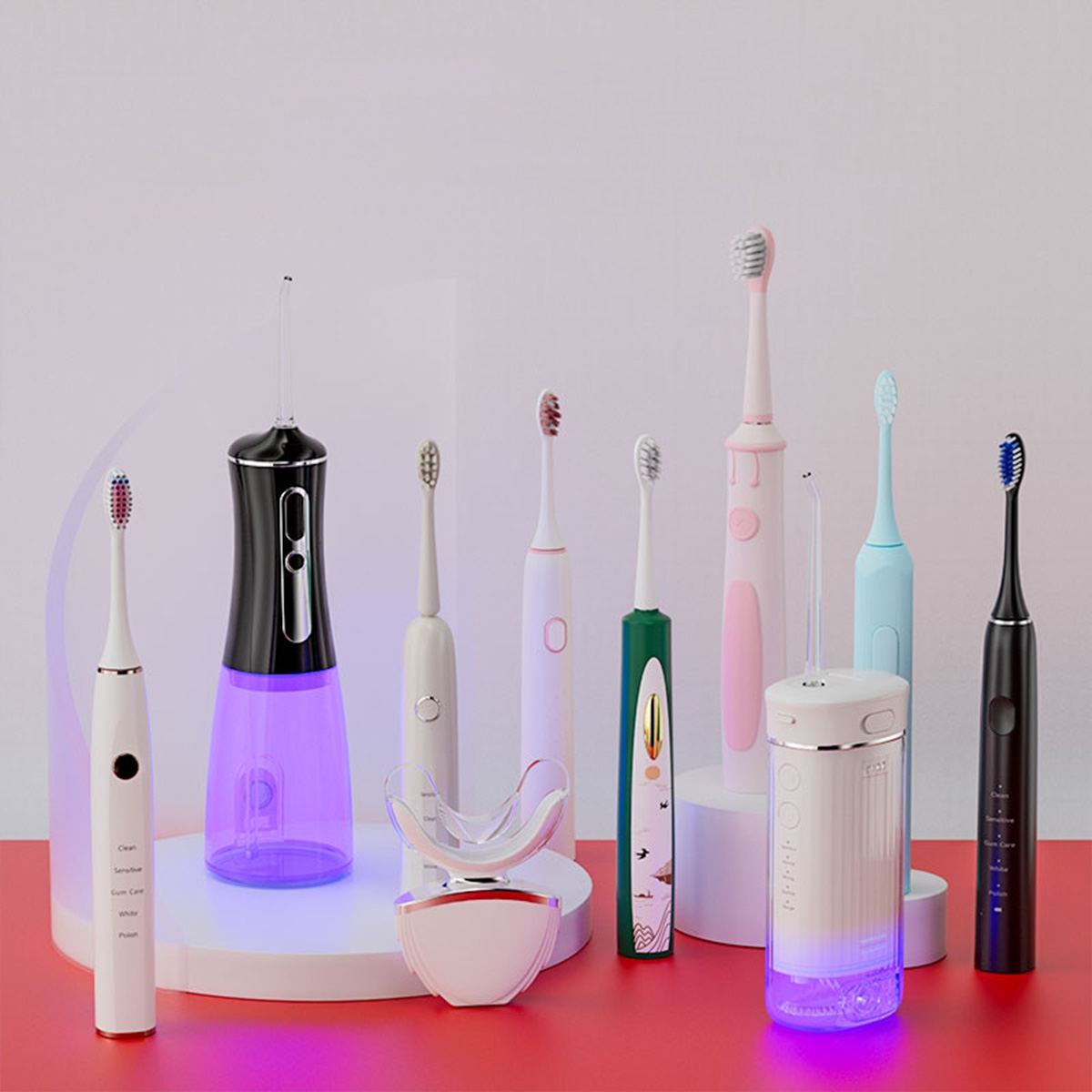
The global oral care market is evolving rapidly, and electric oral cleaning products have taken center stage. With their proven performance, smart technology, and growing popularity, these devices are transforming the way consumers manage their oral hygiene. For brand owners seeking opportunities in oral care products manufacturing, understanding the value and future potential of these products is crucial. In this blog, we explore the benefits of electric oral cleaning products, their scientificity and effectiveness, and why now is the right time to invest in this growing market. The Rise of Electric Oral Cleaning Products Electric toothbrushes and oral irrigators are no longer luxury items—they are mainstream essentials. As consumers become more health-conscious and tech-savvy, electric oral hygiene tools are both effective and convenient options. Key growth factors include: Higher awareness of dental health. Increased demand for smart home care solutions. A shift from traditional brushing to clinically tested electric alternatives. This rising demand opens vast potential for oral care products manufacturing partners to innovate and meet market expectations. Scientificity and Effectiveness of Electric Products Modern electric oral cleaning products are not just gadgets—they are backed by clinical studies and research. The scientificity and effectiveness of electric products have been validated in several ways: Electric…
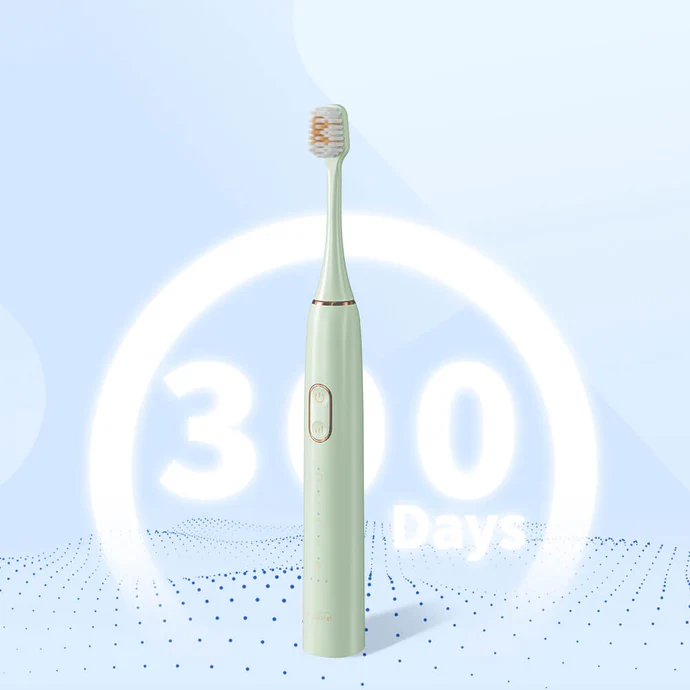
As electric toothbrushes become more advanced and widely adopted, ensuring durability and safety in every component—especially the charging port—has become a priority for both users and manufacturers. If the charging port is burned out, it not only affects product functionality but can also damage the brand’s reputation and increase returns. For brand owners, understanding the root causes and possible solutions for electric toothbrush charging issues is critical—not just for customer support but for improving upstream electric toothbrush manufacturing decisions.https://www.powsmart.com/about-powsmart/ In this article, we’ll explore what may cause a burned-out charging port, how to handle the situation, and what steps brand owners can take to improve product quality through better supplier partnerships. Identify the Problem: How Do You Know the Charging Port Is Burned Out? The first step is recognizing whether the electric toothbrush is burned out due to charging issues, or if the problem lies elsewhere. Common symptoms include: The device won’t charge despite using a working cable or base. Burn marks or a melted appearance around the charging port A burning smell from the charging area. The toothbrush heats up when plugged in. If these signs are present, it’s likely the charging port burned out, possibly due to voltage instability, water ingress,…
In recent quality audits, water dispersion irregularities and jet scattering anomalies have become a recurring concern in oral irrigator systems. While consumers may initially tolerate these issues, the long-term impact on cleaning effectiveness, component durability, and user satisfaction cannot be ignored. Are these symptoms merely surface-level flaws, or do they signal deeper design or manufacturing challenges? Understanding the Mechanics Behind Water Dispersion Water dispersion refers to the uncontrolled or non-uniform spreading of the water stream once it exits the nozzle. In precision-based devices such as dental irrigators, consistent flow is critical. When dispersion occurs, the water loses its directional focus, resulting in reduced impact pressure and ineffective debris removal. Root Causes of Jet Scattering Jet scattering typically accompanies water dispersion, manifesting as unpredictable or divergent spray paths. This may stem from several factors: Microscopic defects or uneven surfaces inside the nozzle tip Misalignment in pump-nozzle calibration Build-up of limescale or foreign particles disrupting water trajectory Such deviations can severely compromise a product’s perceived quality, especially in B2B scenarios involving dental professionals or healthcare retailers. Company web: https://www.powsmart.com/product/electric-toothbrush/ Component Design: Are We Prioritizing Form Over Function? In many OEM/ODM designs, aesthetic nozzle shaping or overly compact dimensions may unintentionally increase the risk…
In recent years, concerns about filter blockage in oral care devices such as water flossers and smart rinsing units have increased—especially as users report unintended side effects like dry mouth or elevated mouth acidity. Could these mechanical issues be contributing to saliva acidification? While seemingly unrelated at first glance, deeper analysis suggests a potential link between filtration efficiency and oral pH imbalance. This blog dissects the relationship in six key sections and provides suggestions for device manufacturers to mitigate this emerging risk. Understanding Filter Blockage in Oral Devices Filter blockage occurs when built-in mesh or cartridge filters—typically used in water flossers, irrigators, or advanced electric rinsers—become clogged with impurities such as minerals, biofilm, or residual bacteria. Blocked filters disrupt the water flow, reduce cleansing pressure, and can harbor microbial buildup. Over time, this can create an environment conducive to microbial imbalance in the user’s oral cavity, leading to unexpected consequences. Saliva Acidification: Definition and Implications Saliva acidification refers to a decrease in oral pH, which makes the saliva more acidic. Normally, saliva maintains a slightly alkaline pH (6.5–7.5) to neutralize food acids and protect enamel. When saliva becomes too acidic, the result may include enamel erosion, increased risk of caries,…
For many oral care device manufacturers, button decay has quietly emerged as an underestimated contributor to unexpected sensitivity spikes in end users. While it is tempting to assume that incorrect operation is to blame, in reality, deteriorating button components often trigger irregular performance that no amount of user diligence can prevent. In this article, we explore how these failures arise, why they create unexpected discomfort, and what manufacturers can do to eliminate the risk at the design level. What Is Button Decay? Button decay refers to the gradual degradation of mechanical or capacitive switch components. Over time, exposure to moisture, toothpaste residue, and repeated pressure can lead to: Internal corrosion of conductive layers Loss of tactile responsiveness Intermittent contact triggering random signals When buttons decay, they may fail to engage properly or, worse, generate unintended commands that activate higher-intensity settings without the user realizing it. How Sensitivity Spikes Develop Sensitivity spikes are sudden, pronounced sensations of discomfort during brushing or treatment cycles. They typically stem from: Unexpected mode changes to high-power or massage functions Prolonged exposure to intense vibrations or pressure Interrupted cycles that restart at full strength As button decay progresses, these random shifts in intensity become more frequent,…
In today’s increasingly scrutinized oral care market, few issues generate more alarm than chemical residues left behind on products. When these residues lead to throat irritation, manufacturers and distributors are right to question: Are we dealing with a minor nuisance or a serious toxicological hazard? In this article, we will explore how chemical remnants build up, why they provoke throat discomfort, and what proactive measures can safeguard both user health and your brand reputation. What Are Chemical Residues and Where Do They Come From? Chemical residues refer to trace amounts of solvents, detergents, or production byproducts that remain on the surface of a product after manufacturing. Typical sources include: Incomplete rinsing during cleaning stages Cross-contamination from shared production lines Packaging materials that leach compounds Excess disinfectant or lubricant application While often invisible, these residues can interact with mucosal tissues upon use, especially in devices like toothbrushes, trays, and irrigators that spend prolonged time in the mouth. Why Throat Irritation Is More Common Than You Think Throat irritation occurs when chemical traces dissolve into saliva and migrate to the back of the throat, where delicate mucosal linings are highly sensitive. Over time, this can lead to: Burning sensations or soreness Difficulty…
In recent years, consumers have increasingly moved away from single-product solutions and begun seeking comprehensive oral care solutions that provide ease, efficiency, and long-term dental benefits. For oral care product brands, this consumer behavior presents a significant opportunity: offering oral care product sets that address multiple needs in one package. This blog explores why complete solutions are trending, and how brands can align with reliable manufacturers to deliver comprehensive oral care systems that meet rising consumer expectations. What Is a Complete Oral Care Routine? A complete oral care routine goes beyond just brushing. It typically includes an electric toothbrush, an oral irrigator (water flosser), mouthwash, floss, and tongue cleaner—sometimes even travel cases or smart app integrations. Consumers are increasingly drawn to curated product bundles that save time and eliminate guesswork. For product brands, positioning a comprehensive oral care approach allows for upselling, brand loyalty, and differentiation in a saturated market. The Convenience Factor: Why Sets Win Consumer Attention One of the primary drivers behind the preference for bundled products is the convenience factor. In a fast-paced world, consumers value time-saving, ready-to-use solutions. Oral care product sets eliminate the need for separate purchases and decision-making. Instead of researching multiple products across brands, consumers trust a complete system designed…
In the growing landscape of dental aesthetics, few concerns are more alarming to users than taste loss following mucosal burns. As whitening products become increasingly potent, manufacturers and distributors face the delicate challenge of balancing efficacy with safety. Is diminished taste just a short-lived inconvenience—or is it an unacceptable price for a brighter smile? What Are Mucosal Burns and How Do They Occur? Mucosal burns refer to chemical or thermal injuries affecting the soft tissues lining the mouth, such as the gums, cheeks, and tongue. In whitening treatments, these burns typically arise from: Overexposure to peroxide-based gels Improper tray fitment causing leakage Excessive concentration of active ingredients Insufficient post-treatment neutralization When these factors combine, they can erode the protective mucosal barrier, triggering inflammation and damage. The Link Between Mucosal Burns and Taste Loss Taste loss—the partial or complete reduction in taste perception—can be a direct result of mucosal injury. This happens because: The taste buds on the tongue are highly sensitive and easily damaged by chemical burns. Inflammation disrupts nerve signals that transmit taste sensations to the brain. Severe burns can lead to scarring, permanently altering taste bud function. In B2B settings, frequent user complaints about impaired taste perception may…
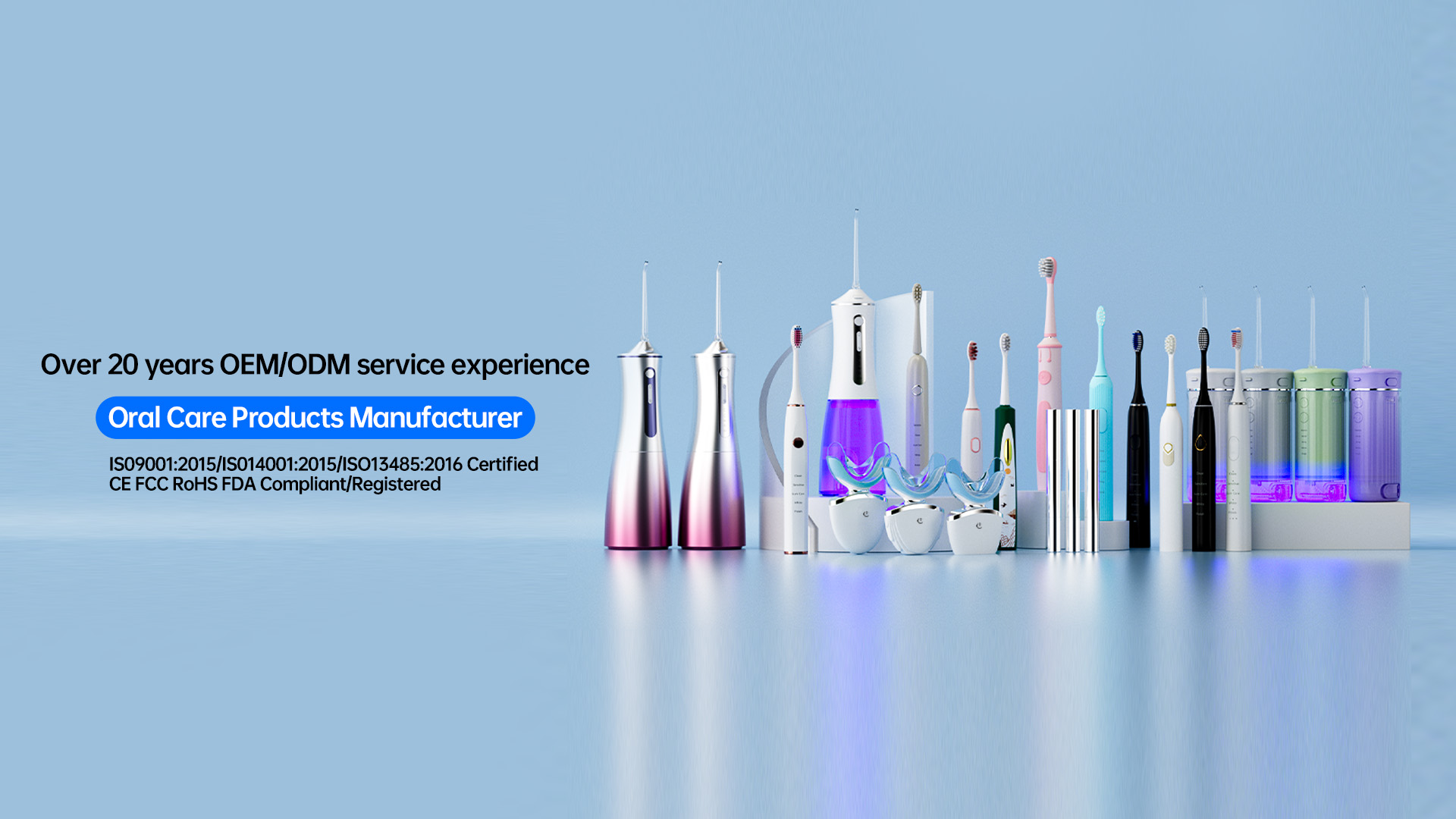
In recent years, building winniing oral care brands have become increasingly saturated with new entrants and global giants alike. Whether you're launching a DTC (direct-to-consumer) oral care startup or expanding your current product line, creating a strong, sustainable brand is more critical than ever. This article offers tips for oral care product brand owners to navigate this environment successfully, focusing on brand strategy, market positioning, and identifying your competitive advantage. Define a Clear Brand Strategy from Day One A strong brand strategy sets the foundation for everything—from packaging and pricing to marketing and manufacturing. For oral care brands, this means defining your brand’s mission, tone, and target customer base. Key questions to ask: What pain point are you solving for consumers? Is your product premium, clinical, sustainable, or technology-driven? How do you want consumers to feel about your brand? Your answers should guide all strategic decisions moving forward—including which manufacturing partner to choose. Look for a factory that aligns with your values, whether that's eco-friendly production, cutting-edge technology, or small-batch flexibility. Know Your Market Positioning: Stand Out or Get Left Behind In competitive dental care markets, vague branding won't cut it. You need sharp, differentiated market positioning that sets you apart from traditional toothbrush…
When seal degradation is left unchecked in oral care and hygiene devices, the result can be more than just cosmetic wear. A compromised seal allows moisture and organic debris to accumulate internally, creating the perfect environment for bacterial regrowth. Over time, this invisible contamination can undermine product safety, degrade user experience, and expose manufacturers to significant liability. So is this problem preventable? With proactive design and production measures, the answer is a resounding yes. What Causes Seal Degradation? Seal degradation is the process by which gaskets, O-rings, or adhesive barriers lose their integrity. This can occur for several reasons: Material fatigue from repeated compression cycles Chemical attack from aggressive cleaning agents or peroxide-based solutions Thermal expansion and contraction causing micro-cracks Poor-quality elastomers that dry out or become brittle over time Once these seals fail, pathways open for moisture infiltration and microbial contamination. Why Bacterial Regrowth Happens After Seal Failure Bacterial colonies thrive in warm, damp spaces. When a degraded seal allows saliva, cleaning fluid, or even tap water to seep into the device: Residual moisture remains trapped inside hidden chambers Biofilm develops, adhering stubbornly to internal surfaces Periodic reactivation of bacteria occurs every time the device heats up during operation…
When consumers invest in premium oral devices, wire fraying and tooth graying are often overlooked—until the damage becomes impossible to ignore. While seemingly unrelated, these two issues can quietly undermine both product performance and end-user health. Could this combination be the silent threat eroding customer trust in your brand? What Causes Wire Fraying? Wire fraying typically develops over time as internal or external wires in toothbrushes or whitening devices degrade. Common causes include: Repeated bending or twisting during daily use Exposure to moisture compromising insulation layers Manufacturing defects in wire braiding or coating Prolonged vibration cycles that fatigue the conductor strands Unchecked, frayed wires not only jeopardize electrical stability but also pose a risk of micro-shocks and device malfunction. How Tooth Graying Develops In parallel, tooth graying can result from chemical exposure or suboptimal cleaning performance. Specifically: Leaching of metal ions from frayed wires or worn internal components Residual debris accumulating due to weakened brush motion Prolonged contact with oxidizing agents leaking from compromised enclosures This discoloration is more than a cosmetic inconvenience; it signals deeper issues in product integrity. Company web: https://www.powsmart.com/product/electric-toothbrush/ The Hidden Connection Between Wire Fraying and Tooth Graying While the two symptoms can occur independently, they often…
At first glance, circuit shorting and nerve inflammation might seem like unrelated problems. However, when they appear together in oral care devices, they can create a potentially serious emergency for end users and expose manufacturers to significant liability. From unexpected electrical discharges to severe oral discomfort, the consequences can escalate quickly. So how do these issues arise—and what proactive steps can B2B suppliers take to prevent them? What Exactly Is Circuit Shorting? Circuit shorting occurs when an unintended electrical path forms inside the device, bypassing the designed circuitry. Causes include: Moisture intrusion due to inadequate sealing or worn gaskets Degraded insulation around wires or battery contacts Conductive debris accumulating near sensitive components Overheating that compromises circuit board integrity Short circuits can produce unexpected current surges, heat, or even sparks—transforming a safe oral care tool into a hazard. Understanding Nerve Inflammation in Oral Use Meanwhile, nerve inflammation is an inflammatory response within oral tissues, often triggered by: Localized overheating from prolonged exposure to electrical faults Chemical leaks from compromised battery cells Mechanical trauma amplified by vibrations and pressure imbalances Repeated micro-shocks that overstimulate sensitive nerves Symptoms can include burning sensations, persistent numbness, tingling, or sharp pain along the gums and teeth.…
As demand for smart, high-performance oral care devices continues to grow, electric toothbrush brands are investing more in design, marketing, and features. Yet, one often-overlooked issue continues to affect customer satisfaction and warranty rates—electric toothbrush charging issues. Have you ever received customer complaints that their electric toothbrush burned out during charging? It's more common than you think—and often stems from poor charging design, incorrect usage instructions, or manufacturing flaws. In this blog, we’ll explore the root causes, share expert toothbrush charging cautions, and offer suggestions from factory insights to help your brand deliver reliable, long-lasting products. Common Reasons Why Electric Toothbrushes Burn Out Understanding the causes of toothbrush burnout helps both brands and OEM partners design safer, longer-lasting devices. Below are the main culprits: Over-voltage or incompatible charging adapters: Using a high-wattage phone charger or non-approved adapter can overload the circuit. Lack of overcharge protection: If the toothbrush’s PCB or battery lacks protective components, continuous charging can overheat and damage internal parts. Exposure to moisture during charging: Improper sealing design allows water ingress into the charging port or base, short-circuiting the internal system. Poor-quality components: Low-grade batteries or control boards, often used by unqualified manufacturers, can cause premature failure. Each of these reflects…


.jpg)
.jpg)
.jpg)
.jpg)
.jpg)




.jpg)