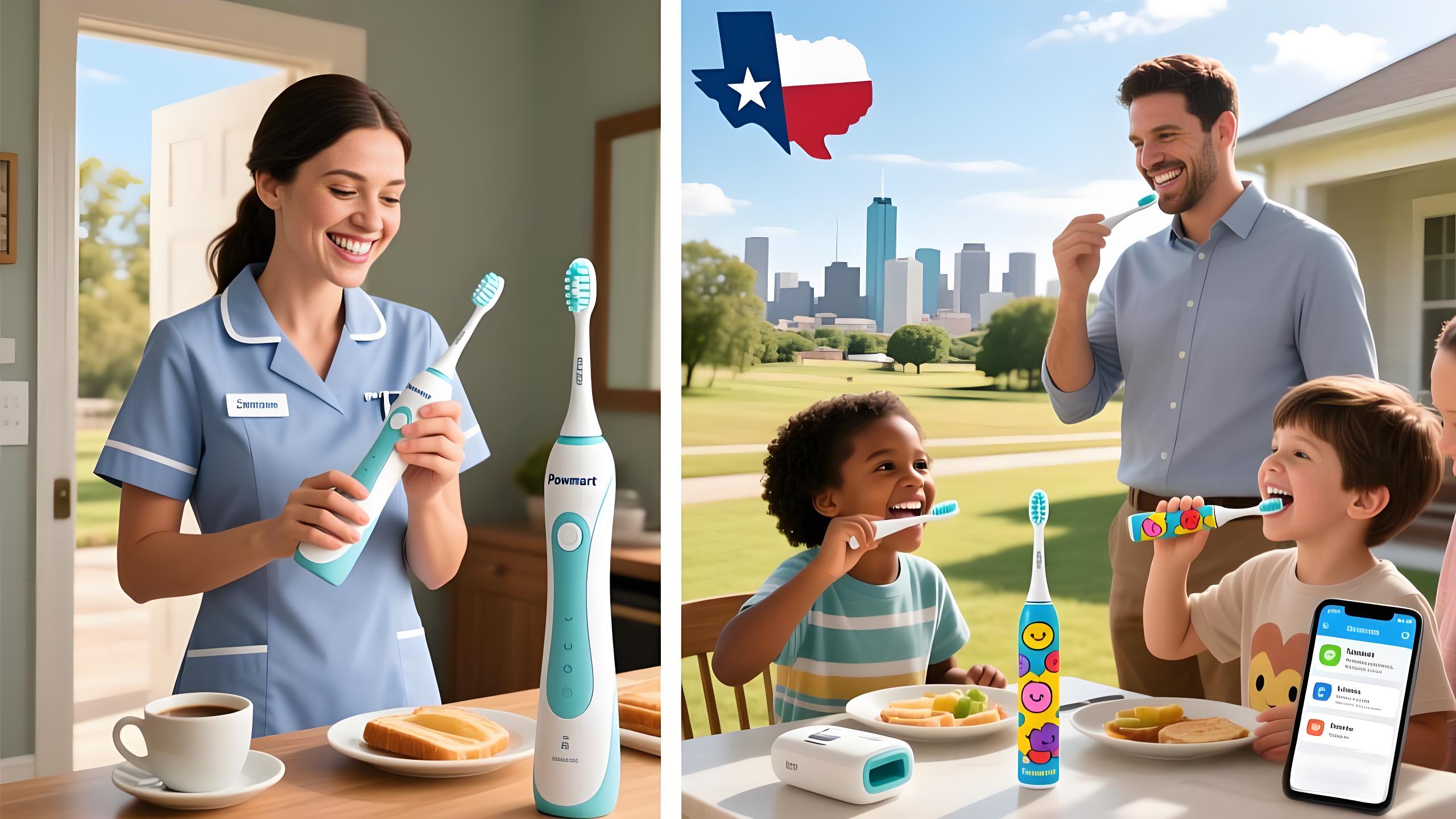
In today’s competitive oral care device market, consumers demand powerful cleaning performance and smart functionality. Yet, hidden beneath these expectations lies a growing concern: gingival abrasion caused by mechanical overexposure, and saliva depletion induced by poor thermal or vibrational design. When these two issues occur simultaneously, the result can be a silent but progressive deterioration of oral health—one that often escapes early detection. For B2B manufacturers, failing to address these risks at the design stage could mean product recalls, customer dissatisfaction, or even reputational damage.
Gingival abrasion is most often caused by poor brush design and misaligned functional mechanics. Several technical aspects contribute to this issue:
To address this, preventive design must include soft-touch materials, ergonomic handling, and real-time feedback features that discourage aggressive brushing.
While saliva flow is primarily a physiological process, device design can subtly yet significantly interfere with its production. Consider the following:
Saliva plays a crucial role in lubrication, antibacterial defense, and tissue repair. Without adequate flow, even minor gingival abrasions can worsen and become chronic.
Many users do not recognize the onset of gingival abrasion or dry mouth until discomfort escalates. Often, this is because their device lacks risk detection or feedback mechanisms, such as:
This gap points to a critical flaw: while devices become “smarter,” they may be overlooking basic health safeguards.
To mitigate the combined risks of gingival abrasion and saliva depletion, device engineering must address the following:
Such refinements ensure safety without compromising cleaning performance.
Smart connectivity allows B2B device providers to empower end-users through data-driven prevention:
This elevates the device from a cleaning tool to a health-supporting companion.
B2B manufacturers can reposition their products with a new value proposition: gum-friendly, hydration-safe oral care. Suggested messaging for branding partners may include:
Such messaging resonates especially well in premium, aging, or health-conscious segments.
Gingival abrasion and saliva depletion may not cause immediate alarm, but together they pose a cumulative threat to oral wellness. For B2B manufacturers, addressing these “silent crisis” issues through thoughtful design, smart integration, and preventive messaging ensures long-term brand resilience. Innovation isn’t just about power—it’s about protection. Company web: https://www.powsmart.com/product/electric-toothbrush/
-300x300.jpg)
-300x300.jpg)
.jpg)
premium metal body electric toothbrush OEM | Luxury Design Manufacturer
.jpg)
Vestibular Stimulation Worsening Tooth Demineralization?
Noise Complaints from Handle Corrosion? A Silent Threat Uncovered!
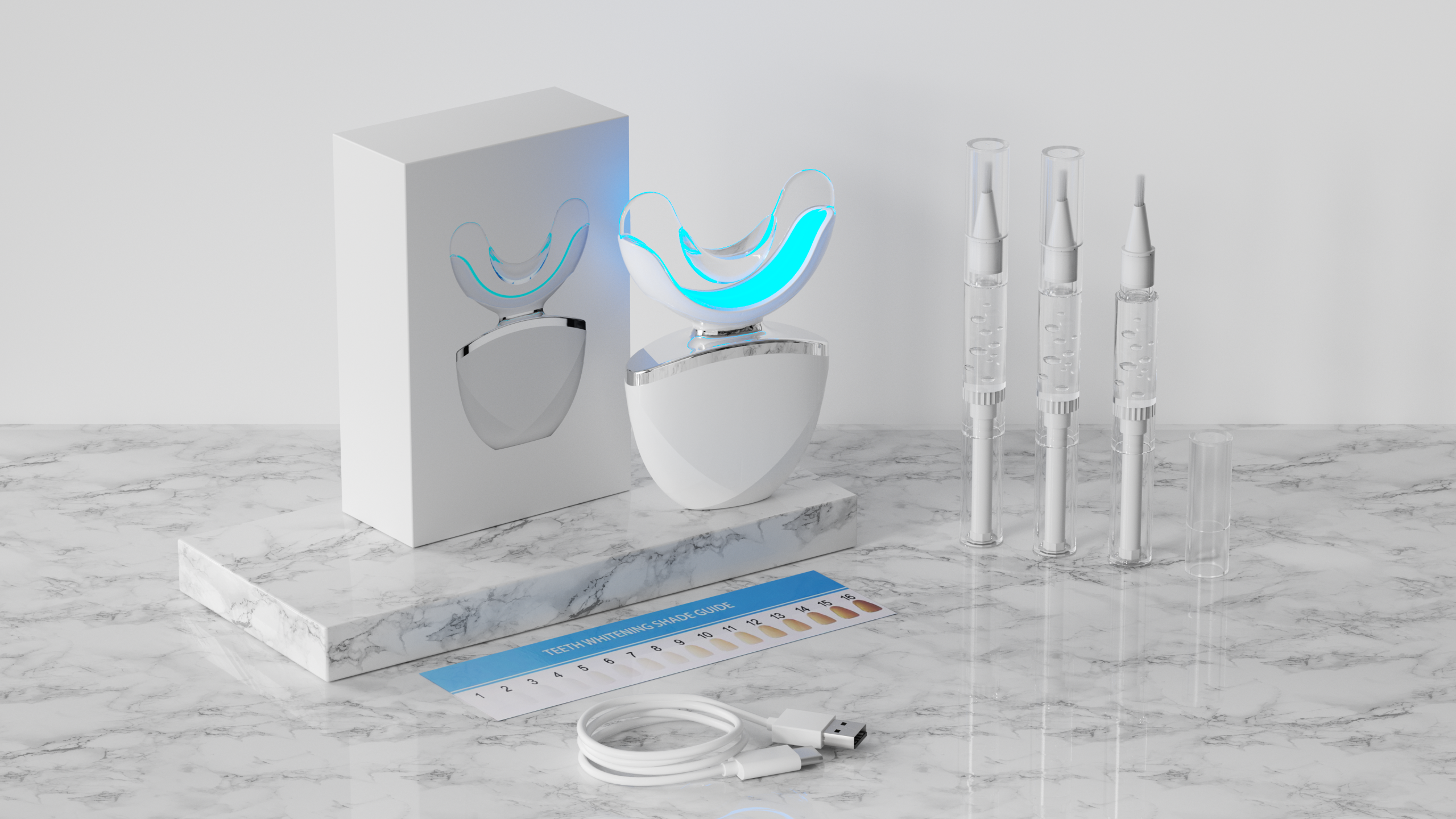
The Market Potential of Teeth Whitening: The Consumer Psychology Behind Annual Growth of Home Teeth Whitening Devices
Solving Electric Toothbrush Roll & Fall: Product Development Strategies for OEMs
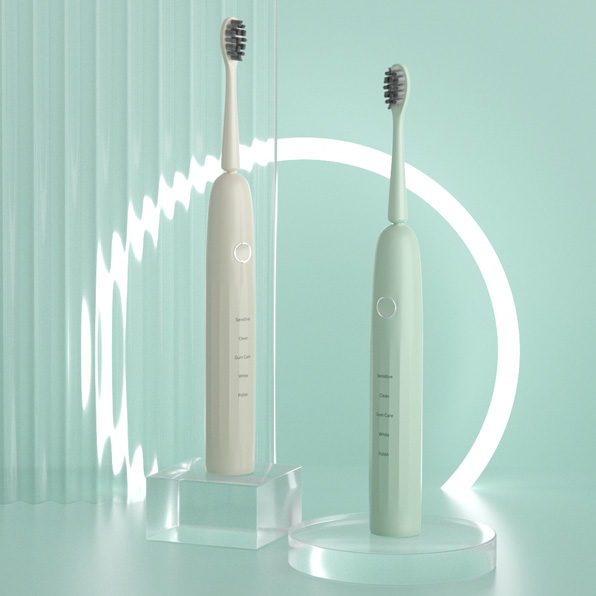
Beyond Aesthetics: How Integrated Design Elevates Your OEM Electric Toothbrush
Material Degradation Releasing Chemical Residue? Hidden Hazards in Oral Care Devices

How does a Pressure-sensitive Matrix leverage Hydro-kinetic Energy Transfer for gentle cleaning?
Houston Electric Toothbrush Supplier
Gum-Care Whitening Device | Gentle LED Oral Care OEM Solution
Custom Electric Toothbrush Factory for B2B Brands | OEM & ODM Solutions
Red and Blue Light Oral Device | Dual-Wavelength LED Therapy
.jpg)
sonic electric toothbrush Montgomery
Are Erratic Brushing Mode confusion and Timers Failing Simultaneously?
.jpg)
Real-Time Brushing Tracking: How Smart Toothbrushes Improve Oral Care
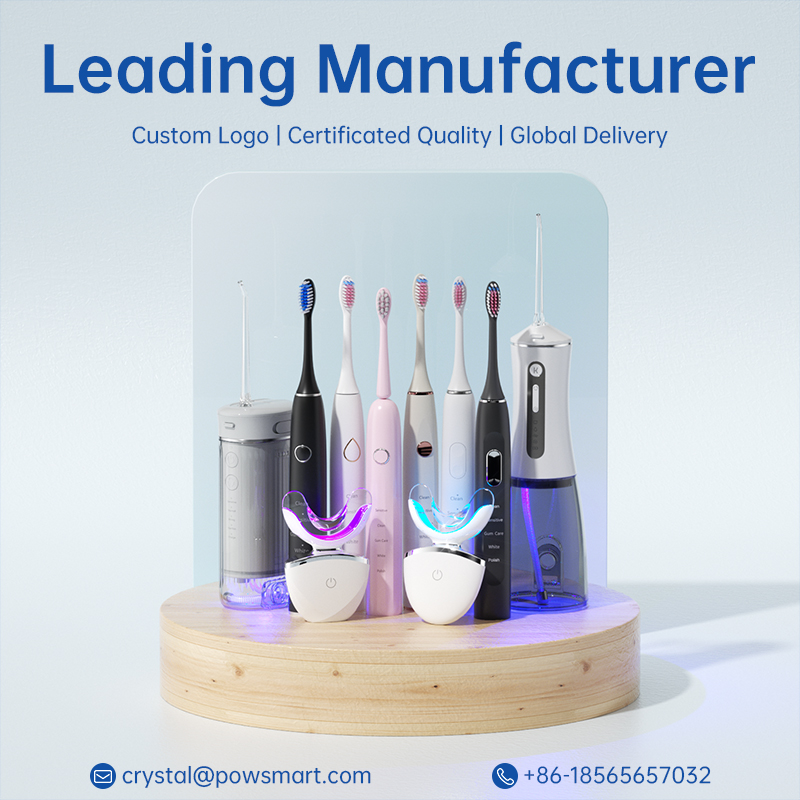
UV Mode in Water Flossers: A Key Feature for Modern OEM Oral Care Products


.jpg)
.jpg)
.jpg)
.jpg)
.jpg)



.jpg)