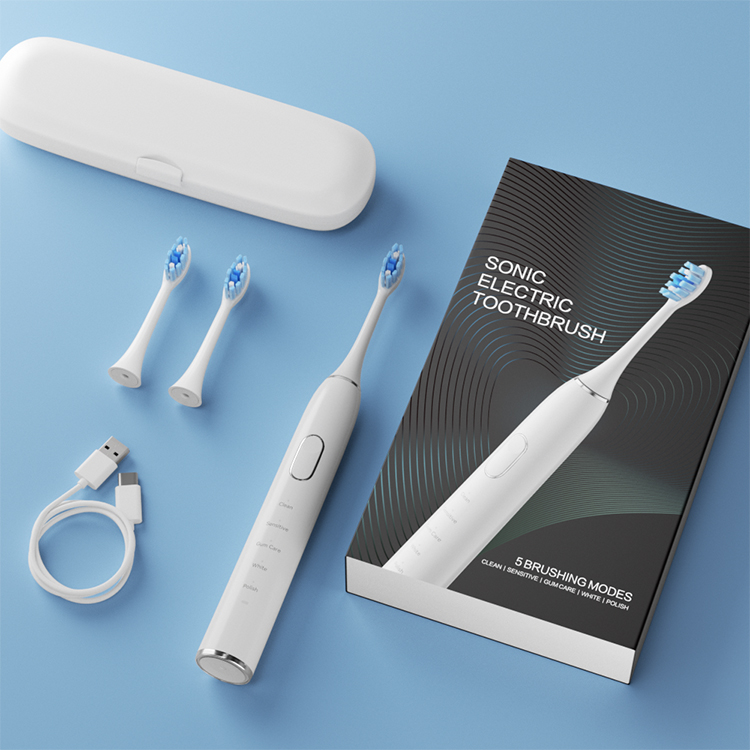
.jpg)
In the world of advanced oral care devices, safety and effectiveness must go hand in hand. One often-overlooked safety measure is allergen testing, which plays a vital role in preventing bleach residuals that could potentially cause allergic reactions or mucosal damage. When combined with technologies such as pressure sensors, allergen screening ensures whitening tools remain both high-performing and safe for sensitive users. The Role of Allergen Testing in Product Formulation Allergen testing is more than just a regulatory checkbox—it is a proactive quality control strategy. By identifying potentially reactive compounds in bleaching gels or accessory materials, manufacturers can reformulate or substitute ingredients that tend to leave residual byproducts. This is especially important in products with extended contact time, like mouthpieces or whitening strips, where residuals may linger and cause irritation or immune responses. Understanding the Chemistry of Bleach Residuals Hydrogen peroxide, commonly used in whitening treatments, decomposes into water and oxygen. However, if stabilizers or additional agents are used without proper allergen testing, they may form chemical residues that persist on enamel surfaces or gum tissue. These residues can be especially problematic for individuals with heightened sensitivity. Accurate allergen screening helps ensure that all degradation pathways result in inert or…
Many professionals overlook how excessive noise from electric toothbrushes not only annoys users but can drive them to over-compensate—exacerbating pulp inflammation and even tetracycline stains worsening in predisposed patients. In this article, we dissect six critical facets of these dual threats and outline best practices for B2B manufacturers to deliver safer, quieter devices. Noise as a Signal of Mechanical Imbalance First, loud buzzing often indicates internal misalignment: Rotor Imbalance: An off-center mass causes tonal peaks that amplify noise without boosting cleaning power. Bearing Wear: Worn bearings squeal under load, hinting at friction that generates heat and vibration. Seal Fatigue: Vibrations loosen seals, risking water ingress and long-term motor damage. Addressing mechanical balance reduces both sound output and hidden device stress. How Excessive Noise Drives User Overcompensation Next, users instinctively fight noise by: Pressing Harder: To drown out the racket, users lean in—multiplying bristle force on enamel and dentin. Prolonged Sessions: Lingering past the recommended two minutes in hopes of “better cleaning,” overtaxes pulp tissue. High-Intensity Modes: Switching to top-power settings amplifies both noise and vibrational load on gums and pulp. These compensatory behaviors directly contribute to pulp inflammation. Company web:https://www.powsmart.com/product/electric-toothbrush/ Pulp Inflammation Mechanisms Moreover, chronic over-pressure and vibration irritate the…
Recently, reports have emerged suggesting that light burns from high-intensity whitening devices can inflame oral soft tissues and even contribute to bite misalignment as patients unconsciously alter chewing patterns to avoid discomfort. This controversy raises urgent questions for B2B manufacturers: How do device parameters, protocols, and training intersect to safeguard both cosmetic efficacy and occlusal health? From Light Burns to Altered Mastication First, understand the chain reaction: Thermal Injury: Excessive irradiance or prolonged exposure causes mucosal burns on cheeks and tongue. Protective Guarding: Patients instinctively chew on the opposite side, shifting occlusal load. Muscle Memory Change: Repeated avoidance leads to altered muscle tone and, over time, bite misalignment. Thus, mitigating surface burns is critical to preserving natural bite patterns. Device Settings that Heighten Burn Risk Moreover, certain design choices amplify thermal hazards: Overpowered LEDs: Devices pushing >2,000 mW/cm² accelerate tissue heating. Lack of Thermal Diffusion: No built-in cooling or diffusive optics concentrates hot spots on soft tissue. Fixed Exposure Times: Rigid “one-size-fits-all” protocols ignore individual tissue tolerance. By optimizing power density and exposure cycles, manufacturers can reduce light burns without sacrificing whitening speed. Gel Formulation and Photochemical Reactions In addition, gel chemistry interacts with light to influence burn outcomes: Exothermic…
In the world of at-home whitening systems, efficacy debates often center on how quickly and completely bleaching agents decompose stains—and just as critically, on factors like wireless charging safety, which ensures devices remain powered without compromising chemical stability. By honing in on bleach breakdown, manufacturers and end users alike can compare true performance rather than superficial marketing claims. The Chemistry Behind Bleach Decomposition First and foremost, bleaching efficacy depends on the generation of reactive oxygen species: Photolytic Activation: Light-assisted devices split peroxide bonds into hydroxyl radicals (•OH), the primary stain-destroying agents. Thermal Catalysis: Elevated temperatures accelerate O–O bond cleavage, enhancing breakdown kinetics. pH Dependence: Alkaline environments favor peroxide stability but must be balanced to prevent enamel damage. Understanding these chemical pathways is the foundation for any meaningful efficacy comparison. Metrics for Measuring Breakdown Efficiency Moreover, standardized metrics enable clear side-by-side analysis: Free-Radical Yield: Quantified via electron spin resonance (ESR) to assess how many radicals are produced per milligram of bleach. Colorimetry Tests: ΔE measurements track actual stain diminution on dentin or enamel analogs. Reaction Rate Constants: Kinetic modeling reveals how quickly peroxide concentration drops under fixed conditions. Such objective data cuts through marketing noise and grounds efficacy debates in reproducible…
When an electric toothbrush suffers a mode failure, it can switch erratically between cleaning intensities—subjecting enamel to unintended stress patterns that promote enamel cracks. B2B manufacturers must grasp how firmware glitches, user compensations, and hardware oversights converge to create this hidden risk and implement robust remedies. What Constitutes a Mode Failure? First, clarify the term: Definition: A mode failure occurs when the brush’s control system fails to maintain—or erroneously changes—the intended brushing mode (e.g., “Gentle,” “Standard,” “Whitening”). Symptoms: Sudden jumps in vibration frequency, unresponsive buttons, or automatic reboots mid-session. Detection: Users often attribute strange sensations to battery issues, overlooking that inconsistent modes are to blame. Understanding these failure signatures is the first step toward prevention. How Erratic Modes Stress Enamel Next, examine the physical consequences: Abrupt Frequency Shifts: Rapid changes in vibration amplitude create micro-impacts on enamel, initiating subsurface microfissures. Variable Bristle Dynamics: Bristles designed for low-force polishing suddenly slam at whitening intensity, causing localized overstrain. Cumulative Fatigue: Repeated unintended spikes accelerate fatigue in the enamel layer, hastening crack propagation. These mechanical stresses underline why mode consistency is vital to enamel integrity. Company web:https://www.powsmart.com/product/electric-toothbrush/ Common Triggers of Mode Failure Moreover, several root causes undermine mode stability: Firmware Bugs: Unhandled exceptions…
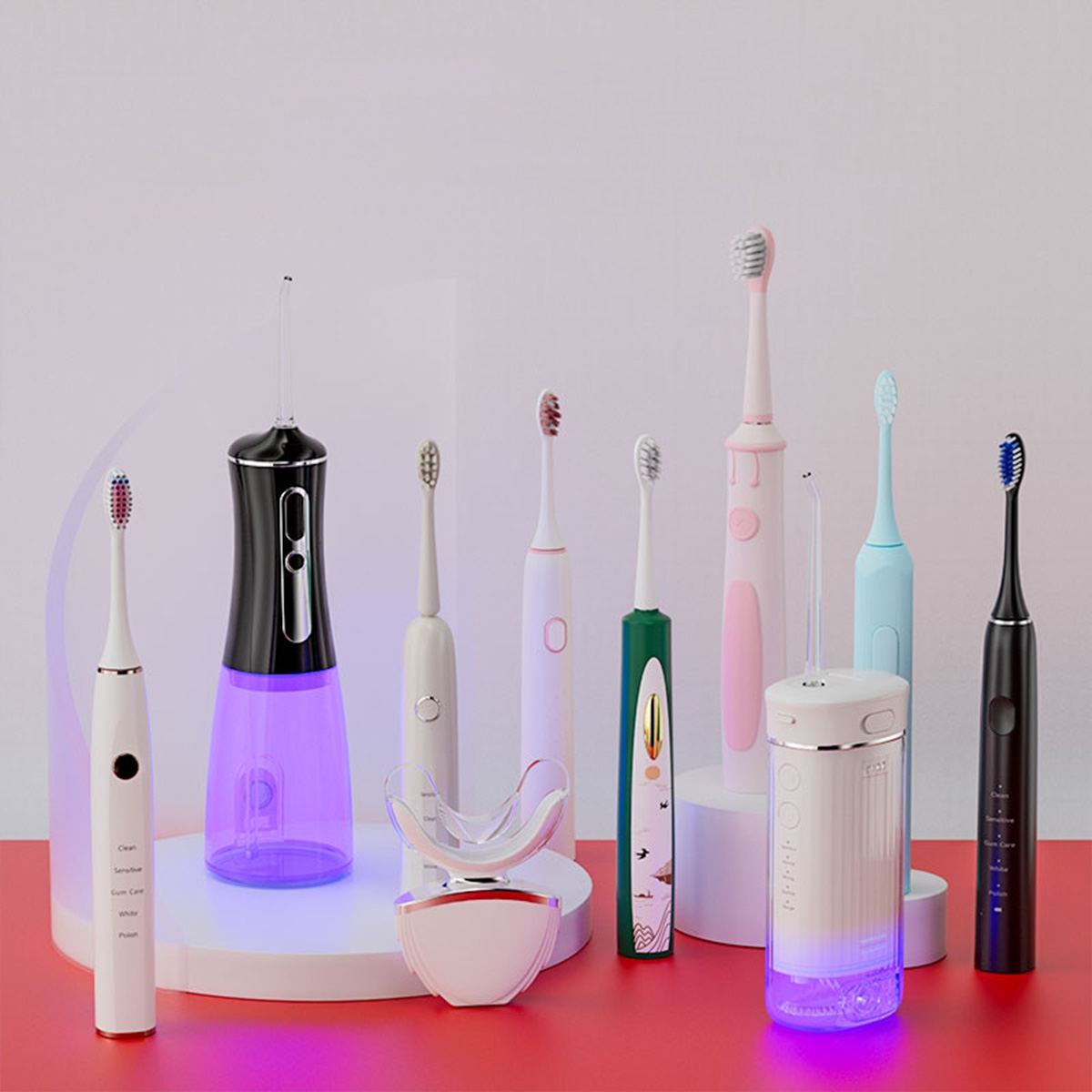
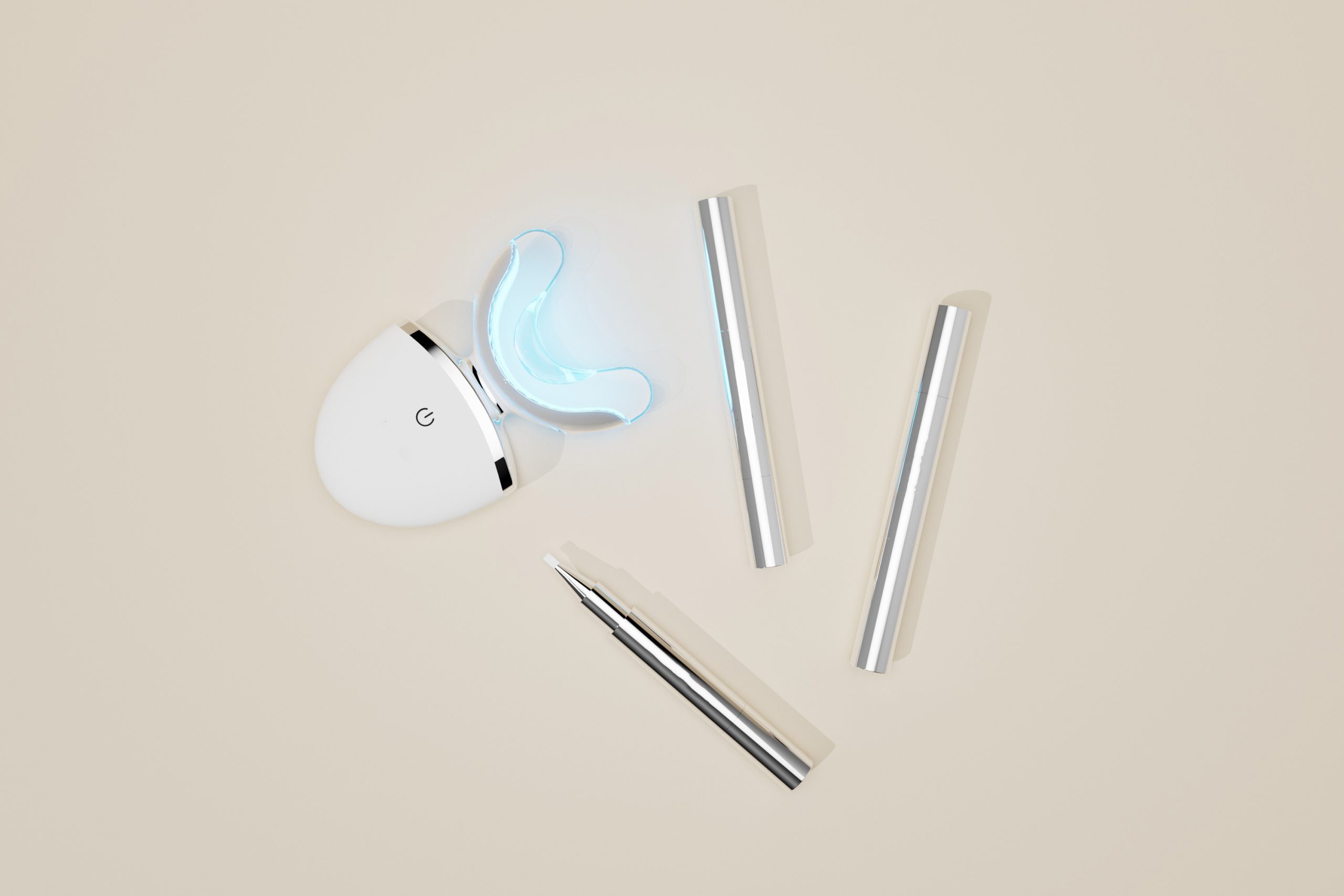
In today’s health-conscious consumer landscape, oral hygiene has become a key component of personal appearance and self-esteem. As a result, users are actively seeking advanced and effective oral care products that do more than just clean — they want solutions that help enhance their smiles and boost confidence. For oral care brand owners, this presents a significant opportunity: by Product Expansion Strategies, they can increase market share, improve customer satisfaction, and ultimately enhance brand influence. Leveraging Product Combination: Electric Toothbrush & Water Flosser One of the most effective strategies in oral care product expansion is the development of electric toothbrush and water flosser combination products. These dual-function devices meet comprehensive oral hygiene needs in one compact solution. Consumers value convenience and multifunctionality. This combination enhances daily cleaning routines by removing plaque and debris more thoroughly than brushing or flossing alone. Promoting such solutions allows brands to align themselves with modern lifestyles, reinforcing the idea of personal confidence enhancement through cleaner, healthier smiles. Customized Whitening Products for Targeted Segments Another high-potential product expansion path is the development of customized whitening products. Consumers are no longer satisfied with one-size-fits-all solutions — they are looking for personalization. Whitening pens, LED kits, and peroxide-free formulas are in…
When electric toothbrushes exhibit brush shedding—that is, filaments falling out prematurely—and simultaneous sensor failure, the problem may be deeper than just poor-quality materials. These two faults are often interconnected, and for B2B buyers sourcing private-label or OEM dental devices, the hidden risks behind such issues deserve close attention. This article explores six essential dimensions of this dual failure mode, and how manufacturers can proactively prevent it through better design, testing, and material selection. What Is Brush Shedding and Why Does It Matter? Brush shedding refers to the premature detachment of bristles from the brush head. In commercial-grade devices, shedding is more than a cosmetic or hygienic problem—it signals quality inconsistency, compromised bonding, or mechanical instability. Excessive shedding not only shortens product lifespan but can lead to consumer distrust, especially if loose filaments are swallowed or cause gum irritation. Furthermore, shedding can interfere with optical or pressure sensors inside the brush that rely on stable bristle density to gauge brushing force or angle. How Brush Shedding Leads to Sensor Malfunction The correlation between brush shedding and sensor failure lies in physical and signal disruption: Pressure Sensors: These sensors often rely on even force distribution through the bristles. As filaments fall out,…
On outdoor expeditions or frequent business trips, users care not only about a toothbrush’s cleaning power but also its Waterproof Rating—to withstand rain, sweat, or brief immersion—and its Travel Portability, fitting easily into any pack. A truly adventure‑ready electric toothbrush must excel in waterproofing, compactness, durability, battery life, and smart features to remain a reliable companion on the go. Weatherproofing for Wet and Humid Conditions Outdoor environments can be unpredictable, so your toothbrush should meet at least an IPX8 Waterproof Rating: Short‑Term Submersion: Survives 30 minutes under 1 m of water, protecting against stream crossings or sudden downpours. High‑Pressure Spray Resistance: Stands up to wash‑down or tent‑shower situations without leaking. Dust and Sweat Protection: Ideally IP6X‑rated to keep debris and moisture out of the handle and electronics. Rigorous waterproof testing ensures reliable operation in any damp or rainy setting. Travel Portability Essentials When you’re light‑packing, Travel Portability is key: Lightweight Form Factor: Under 80 g and no more than 20 cm long, so it slips easily into backpacks, carry‑ons, or small toiletry kits. Compact Charger Base: A USB‑C travel dock that plugs into power banks or laptops, eliminating bulky adapters. Protective Carrying Case: A shock‑absorbent, crush‑resistant case with foam inserts shields brush heads…
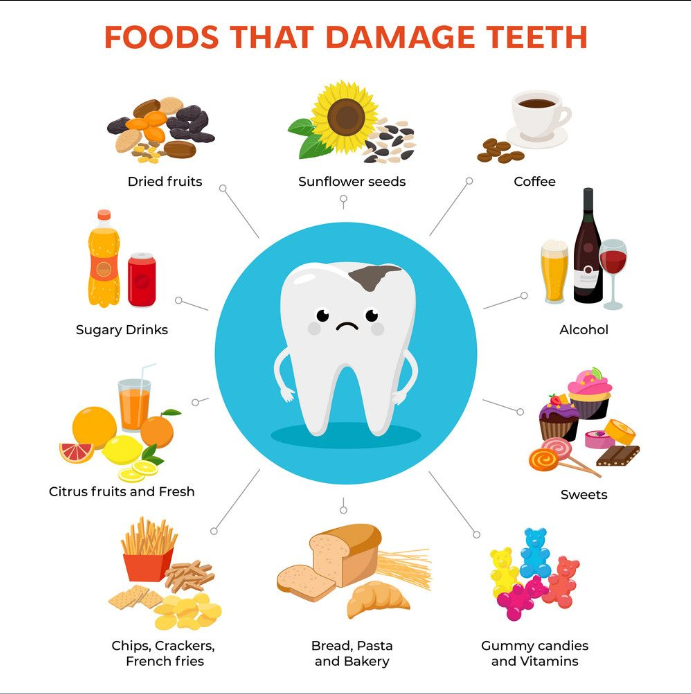
When developing and marketing advanced whitening devices, it’s vital not only to validate waterproof performance through IP rating tests but also to warn users about gum inflammation risks related to post-whitening diets. After bleaching, gum tissues enter a sensitive “high-risk” period—any oversight in diet can trigger inflammation, undermining whitening results and oral health. The “High-Sensitivity Window” After Bleaching First, bleaching agents mildly demineralize enamel and open dentinal tubules, causing gum micro-vascular dilation: Increased Permeability: Gums are more sensitive to acid or alkaline stimuli for 24–48 hours post-treatment. Inflammatory Mediator Release: Residual peroxide may provoke a local immune response, leading to slight swelling. Weakened Barrier: Salivary and mucosal defenses are still recovering, making tissues more susceptible. Hence, every rinse and meal in post-whitening diets must consider the gums’ fragile state. Acidic and Pigmented Foods Heighten Inflammation Risk Next, dietary acids and chromogens are primary culprits for post-bleach inflammation: High-Acid Foods: Citrus or vinegar further lower local pH and accelerate epithelial damage. Dark-Pigment Beverages: Coffee or red wine adhere to micro-etched enamel and irritate gums through friction. Spicy or Alcoholic Drinks: Disrupt blood flow and extend healing times. Avoiding highly acidic or deeply colored items in post-whitening diets is crucial to protect…
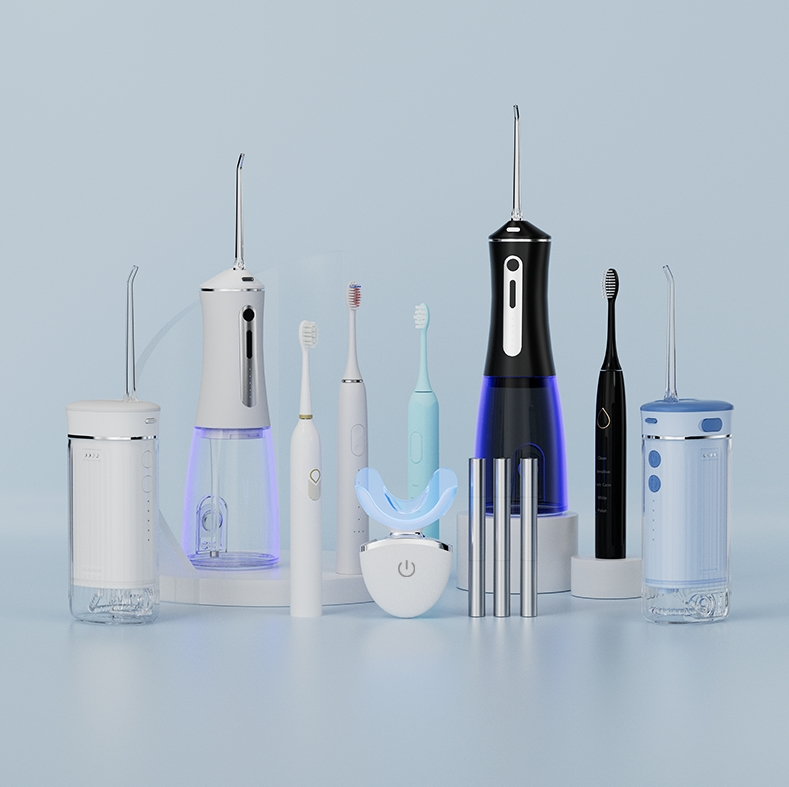
As the demand for smart and effective oral care devices grows, electric toothbrushes continue to dominate both consumer and professional markets. However, many brands face challenges due to recurring common electric toothbrush issues, often traced back to poor manufacturing practices. To build a trustworthy product line, it's essential for oral care brands to work with factories that understand common issues — and have systems in place to prevent them.This blog provides a detailed breakdown of the most frequent product issues and how top-tier manufacturers address them, ensuring long-term reliability and user satisfaction. Brush Head Durability: The First Line of Defense One of the most common complaints from users is premature wear or breakage of the brush head. Brush head durability is critical for performance and safety. Factory solution: Use of high-quality, FDA-compliant bristle materials. Precision injection molding to ensure consistent density and alignment. Rigorous fatigue testing to simulate real-world use cycles. By optimizing brush head design and materials, factories help brands deliver a more resilient and comfortable brushing experience. Motor Failure: Silent Killer of Product Lifespan Another frequent issue in electric toothbrushes is motor failure. Overheating, vibration inconsistencies, or complete breakdowns can severely impact a brand’s reputation. Factory solution: Partner with…
When it comes to electronic personal care devices, especially electric toothbrushes and water flossers, two terms frequently appear in quality failure analysis: seal degradation and circuit corrosion. While they might seem like isolated issues, are they actually interconnected, forming a hidden failure chain? In this blog, we explore how deteriorating seals can directly lead to internal circuit corrosion, threatening product reliability and safety. What Is Seal Degradation? Why Does It Matter? Seal degradation refers to the loss of integrity in sealing components, such as: Silicone or rubber gaskets Ultrasonic weld joints Adhesive or thermal bonds Over time, exposure to heat, humidity, chemical residues, and mechanical stress can cause these seals to harden, crack, or shrink. As a result, once-waterproof enclosures allow moisture ingress—an early sign of potential circuit corrosion. Understanding Circuit Corrosion in Moist Environments Once moisture penetrates the housing, circuit corrosion risk increases: Water vapor condenses inside the device. Metal traces and contact points oxidize or rust. Ionic contaminants accelerate electrochemical reactions. Signal disruptions or electrical shorts eventually occur. Subtle at first, corrosion silently spreads until it triggers performance failures or total breakdown. The Direct Link Between Seal Degradation Seal degradation acts as the gateway event for circuit corrosion:…
In the realm of electric oral care devices and personal grooming tools, waterproof failure is more than a surface-level issue—it can directly result in circuit corrosion, often leading to total device failure. This hidden yet critical risk not only affects product durability but also damages brand credibility and increases after-sales costs. For OEM/ODM manufacturers, understanding how waterproof breaches evolve into irreversible electrical corrosion is vital for ensuring both product safety and long-term customer satisfaction. How Waterproof Failure Happens: The First Breach A device's waterproof design is meant to isolate sensitive internal components—particularly PCBAs, batteries, and motor drives—from moisture exposure. However, waterproof failure can stem from: Improper ultrasonic welding of the housing Defective sealing rings or poorly applied gaskets Microcracks due to drop impacts or thermal stress Assembly misalignment between structural parts Even a minor leak over time can allow vapor or condensation to enter the device’s interior—setting the stage for circuit corrosion. What Is Circuit Corrosion and Why Is It Fatal? Circuit corrosion refers to the gradual oxidation and chemical degradation of PCB traces, solder joints, and metallic components due to moisture, ions, or pH imbalance. Common signs include: Greenish or white buildup on circuit pads Erratic button or sensor…
With the increasing demand for high-quality personal care products, electric toothbrushes have become an essential daily necessity. One of the most critical factors in their design is waterproofing, ensuring safe and reliable use in wet environments. The latest advancements in electric toothbrush waterproof technology have enabled manufacturers to achieve IPX7 and IPX8 level waterproof standards, significantly enhancing product durability and user experience. But how exactly is this high-level waterproofing achieved? Let's explore the key technological breakthroughs behind it. Understanding the IPX7 and IPX8 Waterproof Standards Before diving into the technology, it's crucial to understand what IPX7 and IPX8 level waterproof standards mean: IPX7: The device can withstand immersion in water up to 1 meter deep for 30 minutes without water ingress. IPX8: The device can endure continuous submersion in water beyond 1 meter depth, as specified by the manufacturer. These standards ensure that electric toothbrushes remain fully functional even after accidental drops into water or prolonged exposure to humidity. Advanced Sealing Technology One of the key breakthroughs in electric toothbrush waterproof technology is the use of high-precision sealing techniques. This includes: Ultrasonic welding: Fusing plastic parts together without adhesives, creating a seamless waterproof barrier. Silicone gaskets and O-rings: Preventing water ingress around buttons…
When it comes to consumer safety in oral care devices, waterproof failure isn't just a mechanical flaw—it could be a direct cause of material toxicity. Many assume that as long as a product functions electrically, it’s safe. However, water intrusion can trigger chemical degradation in materials not designed to withstand prolonged moisture exposure. For OEMs and B2B buyers, understanding the correlation between waterproof integrity and toxic material leaching is crucial to both compliance and brand reputation. Waterproofing: More Than Just Electronics Protection Traditionally, waterproofing is associated with protecting internal components like motors or batteries. However, in modern electric toothbrushes, water can infiltrate and compromise: Handle casing materials Silicone seals and adhesives Internal plastic housings When waterproof failure occurs—due to poor IP sealing, failed ultrasonic welding, or loose assembly—the materials not intended for water exposure may begin to degrade, leading to the release of harmful substances into contact areas like grip zones or brush necks. How Waterproof Failure Triggers Material Toxicity The connection between waterproof failure and material toxicity is chemical in nature. Prolonged moisture intrusion can: Accelerate plasticizer migration from low-grade plastics Reactivate residual solvents in adhesives Break down coatings and produce toxic residues Especially in high-temperature environments like bathrooms,…
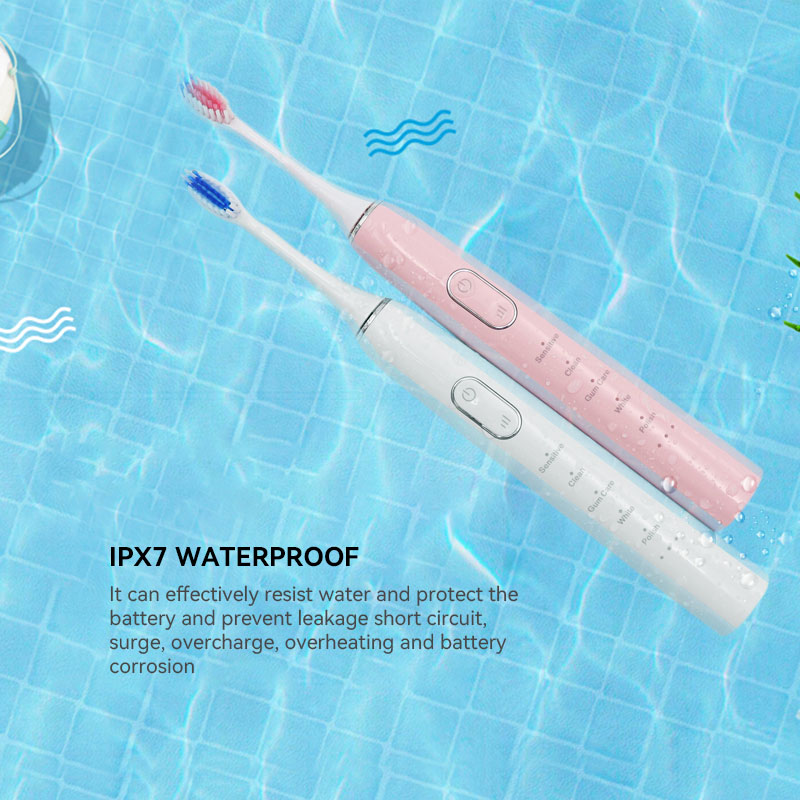
With the growing demand for durable and high-performance electric toothbrushes, We are continuously improving the electric toothbrush waterproofing technology. A breakthrough in waterproofing technology ensures longer product lifespan, enhanced user safety, and better overall functionality. From the perspective of an electric toothbrush manufacturer, Powsmart provides a detailed explanation of waterproof technology, explores different waterproof levels, and discusses comprehensive waterproof solutions for electric toothbrushes in this blog. Why Waterproofing is Critical for Electric Toothbrushes Electric toothbrushes operate in humid environments and are frequently exposed to water. Without proper waterproofing, issues such as motor damage, battery failure, and short circuits can arise. Key benefits of advanced waterproofing technology include: Enhanced durability: Protection against water ingress ensures long-lasting performance. User safety: Prevents electrical hazards caused by water exposure. Improved product reliability: Reduces maintenance costs and increases customer satisfaction. Detailed Explanation of Waterproof Technology Achieving full waterproofing in electric toothbrushes requires multiple layers of protection. The core waterproof technology methods include: a. Seamless Housing Design A fully sealed casing with minimal gaps prevents water penetration. Ultrasonic welding and precision molding are commonly used to achieve a seamless structure. b. Advanced Sealing Materials The use of high-quality rubber gaskets and silicone seals around critical areas, such as the battery…
.jpg)
Introduction: Battery Leakage in POWSMART Smart Toothbrush – A Real Concern? As the demand for high-performance oral care devices increases, the POWSMART Smart Rechargeable Toothbrush has emerged as a top-tier solution, offering advanced features like smart timers, adaptive brushing modes, and wireless charging. However, recent user feedback and technical audits suggest a less visible but significant issue—battery leakage. While often overlooked, this issue can compromise not just the functionality of the device but also user safety and brand integrity. For B2B manufacturers and OEM partners, recognizing and resolving this risk early is critical to quality assurance and customer retention. Battery Leakage: What Is It and Why It Matters Battery leakage occurs when a rechargeable cell begins to break down chemically, releasing corrosive fluids or gases. In the case of the POWSMART Smart Rechargeable Toothbrush, such leakage may be subtle but destructive over time, potentially affecting: Internal circuitry Charging efficiency Waterproof sealing User safety (e.g., skin or mucosal irritation) When left unaddressed, battery leakage becomes a silent failure mode that erodes consumer trust and leads to costly warranty claims. Common Causes Behind Battery Leakage in Smart Toothbrushes Understanding the root causes is essential to prevent recurrence. Key contributors include: Overcharging due…
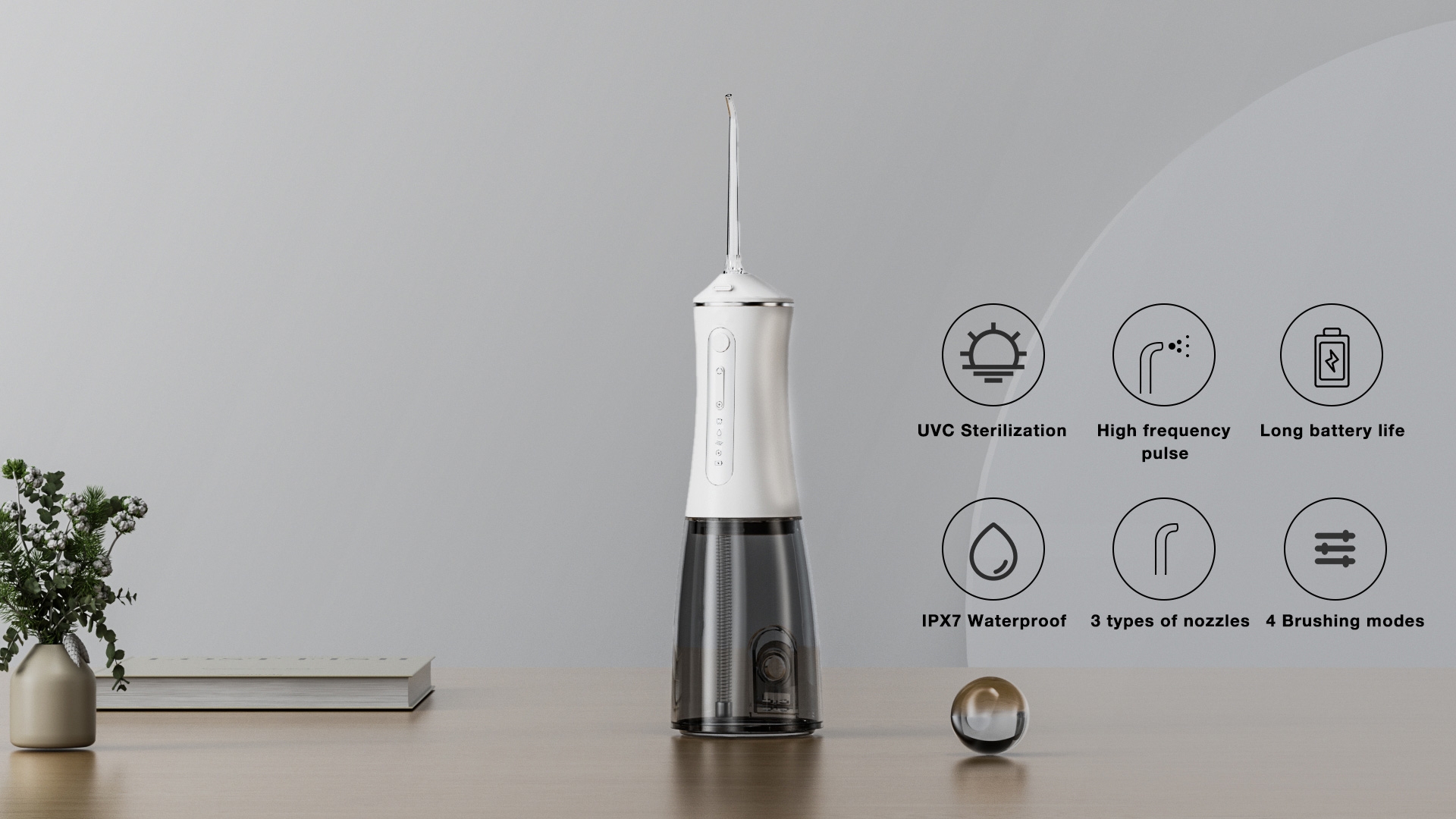
Minimum order quantity (MOQ) is a key factor when starting a private label water flosser business. Understanding how to obtain the best MOQ will significantly impact your initial investment and overall success. Reasons for setting MOQ * The profit from selling a certain product is very low, so it is necessary to set a minimum order quantity to make small profits but quick turnover, so as to increase profits. * The production material subcontractor of a certain product has set the minimum order quantity. After the supplier purchases the materials, in order to maintain the balance of its inventory, it also sets the MOQ. Therefore, to a certain extent, the MOQs set by suppliers can reflect the MOQs set by their material subcontractors. * Some suppliers do not have the habit of keeping inventory, and their products are mostly "customized", so they need to set a minimum order quantity. PowSmart offers high quality and best products including electric toothbrushes, oral irrigators and teeth whitening kits. Whether wholesalers, retailers or start-ups, we can produce products as per our customers' requirements. As a partner, you can source quality-assured products directly from PowSmart at reasonable prices and sell the products at healthy profit…
Maintaining a healthy smile requires more than just brushing your teeth; it involves a comprehensive oral care routine. As an oral care products factory with years of expertise, Powsmart recommend combining the right tools, such as electric toothbrushes, water flossers, and teeth whitening kits, to ensure optimal oral health. Start with Brushing Using an Electric Toothbrush Brushing your teeth twice a day is the foundation of any effective oral care routine. Using an electric toothbrush improves cleaning efficiency compared to manual brushing. With advanced features like timers and pressure sensors, an electric toothbrush helps to remove plaque effectively while protecting your gums. Research shows that consistent use of an electric toothbrush can reduce plaque by 21% more than manual brushing over three months. Floss with a Water Flosser for Deeper Cleaning Brushing alone cannot reach all the tight spaces between your teeth. That’s where a water flosser becomes essential. This tool uses a gentle yet powerful stream of water to clean between teeth and along the gum line, removing food particles and bacteria that traditional floss may miss. Oral care experts agree that incorporating a water flosser into your routine reduces the risk of gum disease and improves overall oral hygiene. Brighten…


.jpg)
.jpg)
.jpg)
.jpg)
.jpg)



.jpg)