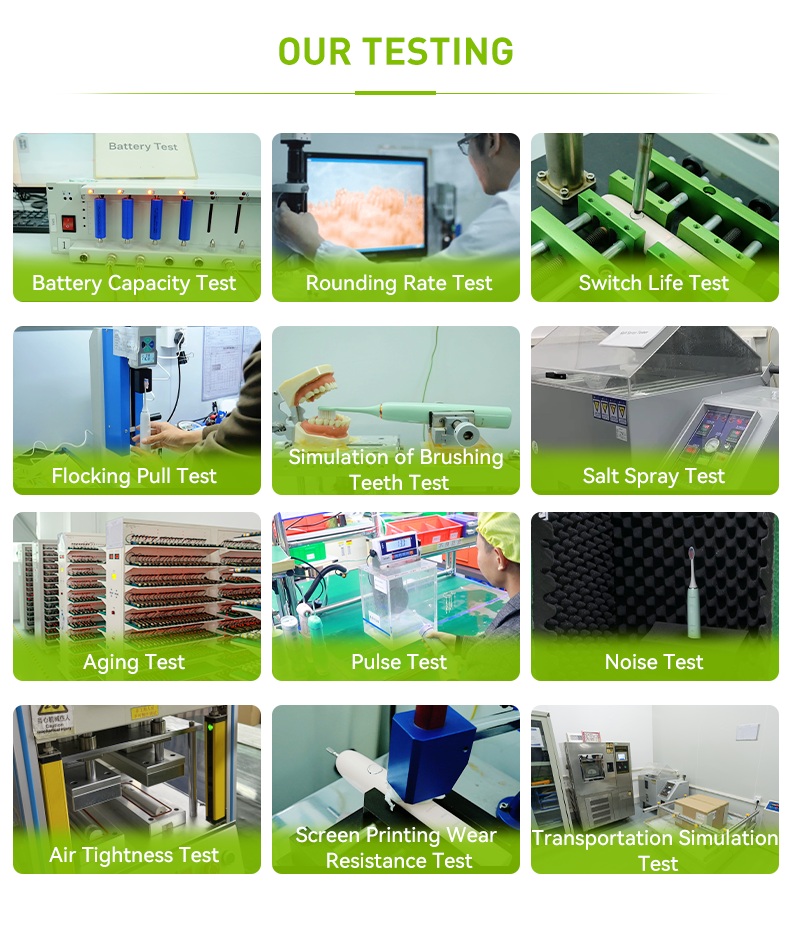
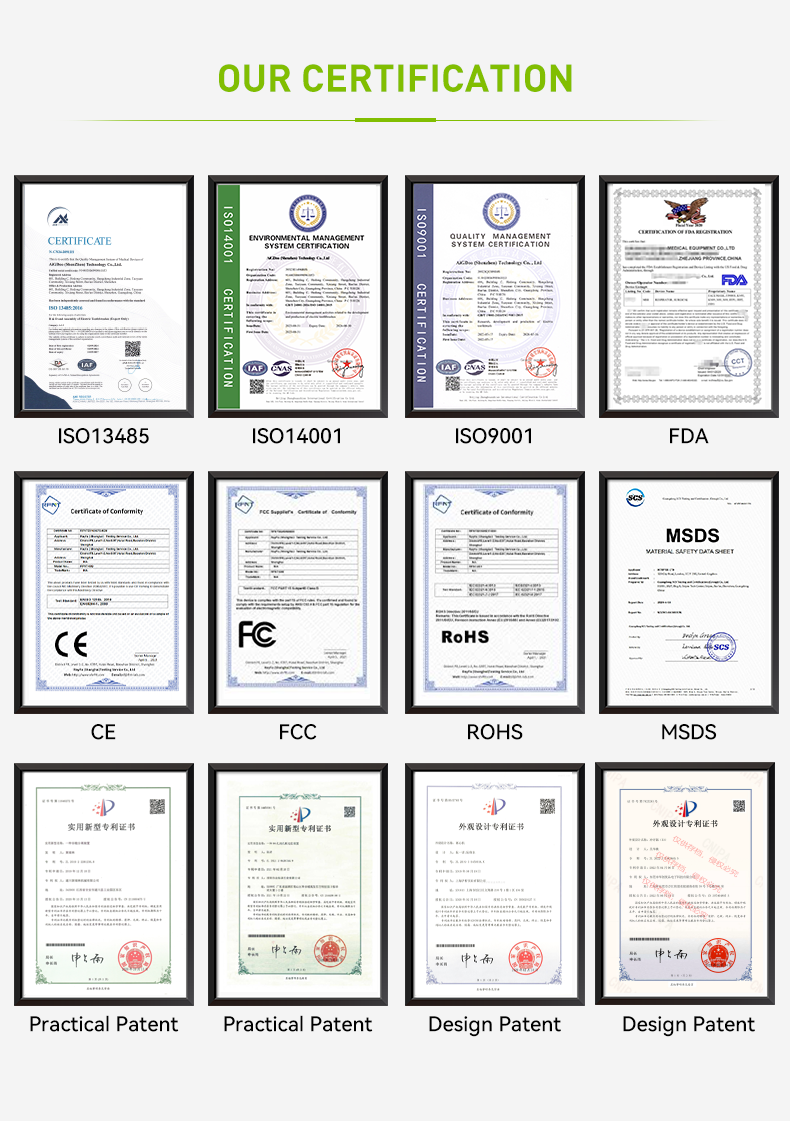
.jpg)
In professional oral care manufacturing, preventing enamel scratching during device use is a critical design and quality concern. Increasing evidence shows that tooth porosity—whether natural or treatment-induced—can significantly elevate the risk of enamel abrasion when using mechanical cleaning devices like sonic toothbrushes or whitening applicators. But once enamel is scratched, is the damage truly irreversible? Understanding the interaction between tooth porosity and surface wear helps manufacturers design safer, more consumer-trusted products. Why Tooth Porosity Matters More Than You Think Tooth porosity refers to microscopic pores or structural irregularities in enamel, resulting from: Natural genetic conditions Acid erosion from diet or gastric reflux Overuse of abrasive whitening pastes Post-bleaching dehydration of enamel surface Porous enamel lacks the uniform hardness of healthy enamel. This makes it more prone to enamel scratching during mechanical brushing, especially with stiff bristles or aggressive polishing heads. How Enamel Scratching Occurs: The Microscopic Damage Process Scratching doesn’t mean deep cuts—it refers to microabrasions at the enamel surface level: Hard bristles or brush heads scrape against weakened enamel Abrasive particles trapped during brushing intensify localized surface wear Vibratory or rotational force amplifies contact pressure at pore edges Repeated cycles create visible dullness and microscopic surface cracks These scratches…
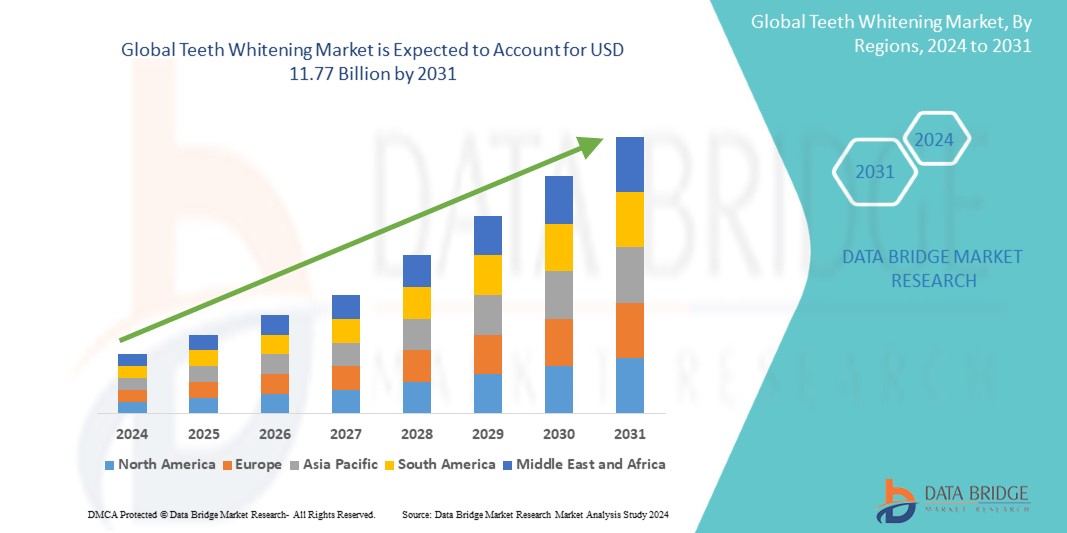
The global teeth whitening device market is experiencing unprecedented growth, fueled by increasing consumer awareness of dental aesthetics, technological advancements, and rising disposable incomes. As more individuals seek professional and at-home solutions for teeth whitening, manufacturers and OEM partners are witnessing a surge in demand for innovative and effective products. In this report, we explore the fastest-growing regions and key consumer groups shaping the industry. Fastest Growing Regions in the Dental Beauty Device Market North America: The Market Leader North America remains the dominant force in the global teeth whitening device market, driven by strong consumer purchasing power and a well-established dental care industry. The U.S. leads the charge, with an increasing preference for at-home teeth whitening kits and professional treatments. Asia-Pacific: The Emerging Powerhouse The Asia-Pacific region is experiencing exponential growth, particularly in China, South Korea, and Japan. Factors such as growing beauty consciousness, social media influence, and an expanding middle class contribute to the rising demand for advanced dental beauty devices. Europe: A Mature Yet Evolving Market Western Europe, particularly Germany, France, and the UK, continues to be a key market. European consumers prioritize quality and safety, driving demand for clinically tested and high-end teeth whitening devices. Consumer Group…
When chemical burns occur during whitening treatments, they not only damage soft tissues but can also contribute to crown discoloration, especially if overuse effects are ignored. Below, we examine this link across six dimensions and offer actionable recommendations for B2B manufacturers and channel partners. Key Triggers of Chemical Burns First, identify the common causes of whitening-agent burns: High Peroxide Concentration: H₂O₂ or carbamide peroxide levels above recommended limits easily breach the gum’s protective barrier. Excessive Contact Time: Extending treatment beyond the advised 15–20 minutes intensifies chemical injury. Insufficient Isolation: Omitting gingival barriers or silicone shields exposes soft tissue directly to bleach. Controlling both bleaching-agent strength and exposure duration is the first step in preventing tissue burns. Crown Materials’ Sensitivity to Chemical Exposure Next, recognize how different restoration materials respond to bleaching agents: Porcelain Veneers: Dense but prone to microfractures under high-strength or prolonged exposure. Composite Crowns: Resin matrices absorb chemicals, creating more pigment adsorption sites and leading to crown discoloration. PFM (Porcelain-Fused-to-Metal) Crowns: Microgaps at the porcelain-metal interface permit agent infiltration and hydrolytic staining. Understanding these material vulnerabilities guides tailored protection and cleaning protocols.Company web:https://www.powsmart.com/product/electric-toothbrush/ Overuse Effects and Cumulative Damage Moreover, overuse effects magnify both tissue and crown damage: Frequent…
.jpg)
As global demand for smart personal care products rises, electric toothbrush distribution is becoming one of the most profitable segments in the oral hygiene market. For distributors and wholesalers, selecting the right product can significantly impact revenue, brand reputation, and customer retention. This guide is designed to help distributors identify high-profit electric toothbrush, evaluate wholesale purchasing strategies, and confidently enter or expand their electric toothbrush offerings. Understand the Market: Why Electric Toothbrushes Are Booming Electric toothbrushes are no longer a luxury item—they’re a daily essential for millions. According to market research, the global electric toothbrush market is expected to exceed USD 7 billion by 2027. The surge is driven by: Consumer awareness of oral health A rise in smart healthcare devices Growing demand in emerging markets For distributors, this trend presents a unique opportunity to capitalize on high-margin oral products that combine innovation with consumer demand. Key Features to Look For in a High-Profit Electric Toothbrush Not all electric toothbrushes are created equal. High-profit products typically include: Multi-mode functionality (clean, sensitive, gum care, etc.) Rechargeable lithium batteries for long-term use Smart features like timers, pressure sensors, or app connectivity Ergonomic and aesthetic design to attract end-users These features allow for premium pricing and improve your margin…
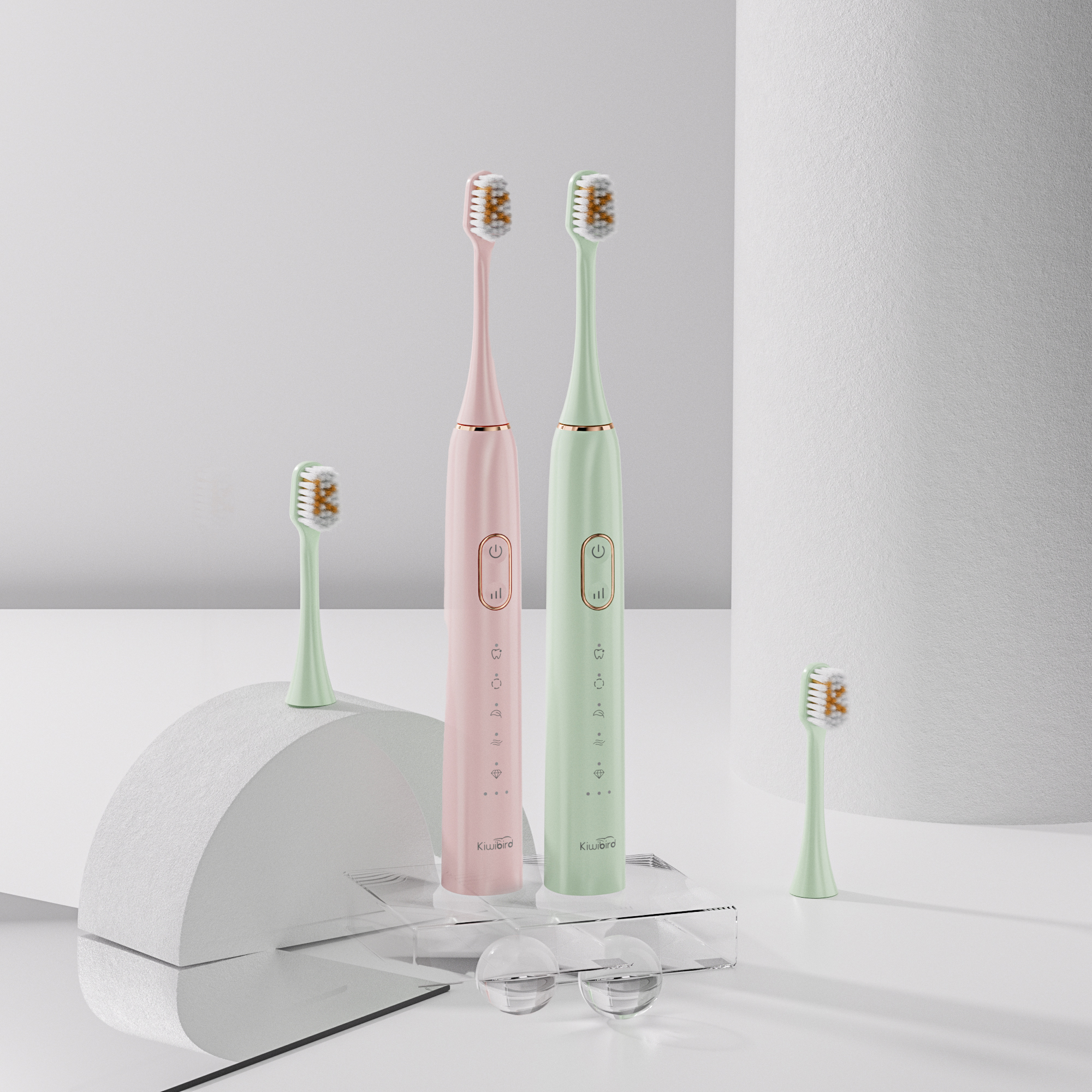
In today’s fast-evolving personal care market, managing stock effectively is a major challenge for electric toothbrush distributors. With rising product diversity, seasonal demand fluctuations, and rapidly changing consumer preferences, how can distributors reduce inventory risk has become a critical component of a successful electric toothbrush distribution strategy. This blog outlines key approaches to effective inventory management, highlighting how distributors can optimize their operations, improve cash flow, and reduce procurement risks while meeting market demands. Understand Market Demand Through Data Analytics Accurate forecasting is the first step toward reducing inventory risk. Distributors should utilize sales data, market trends, and seasonality to predict demand accurately. Use historical sales data for trend analysis Monitor emerging preferences (e.g. smart toothbrushes, sustainable materials) Adjust stock levels dynamically based on demand signals This data-driven approach allows distributors to align stock quantities with real-time market needs, reducing the chances of overstocking or understocking. Keywords integrated: Inventory management, Electric toothbrush distribution strategy Adopt a Just-in-Time (JIT) Inventory Model The Just-in-Time model minimizes inventory holding costs by aligning procurement with actual demand. This strategy is particularly effective for high-value, fast-evolving products like electric toothbrushes. Reduces warehouse costs and excess inventory Lowers capital tied up in unsold goods Enhances flexibility to respond to new…
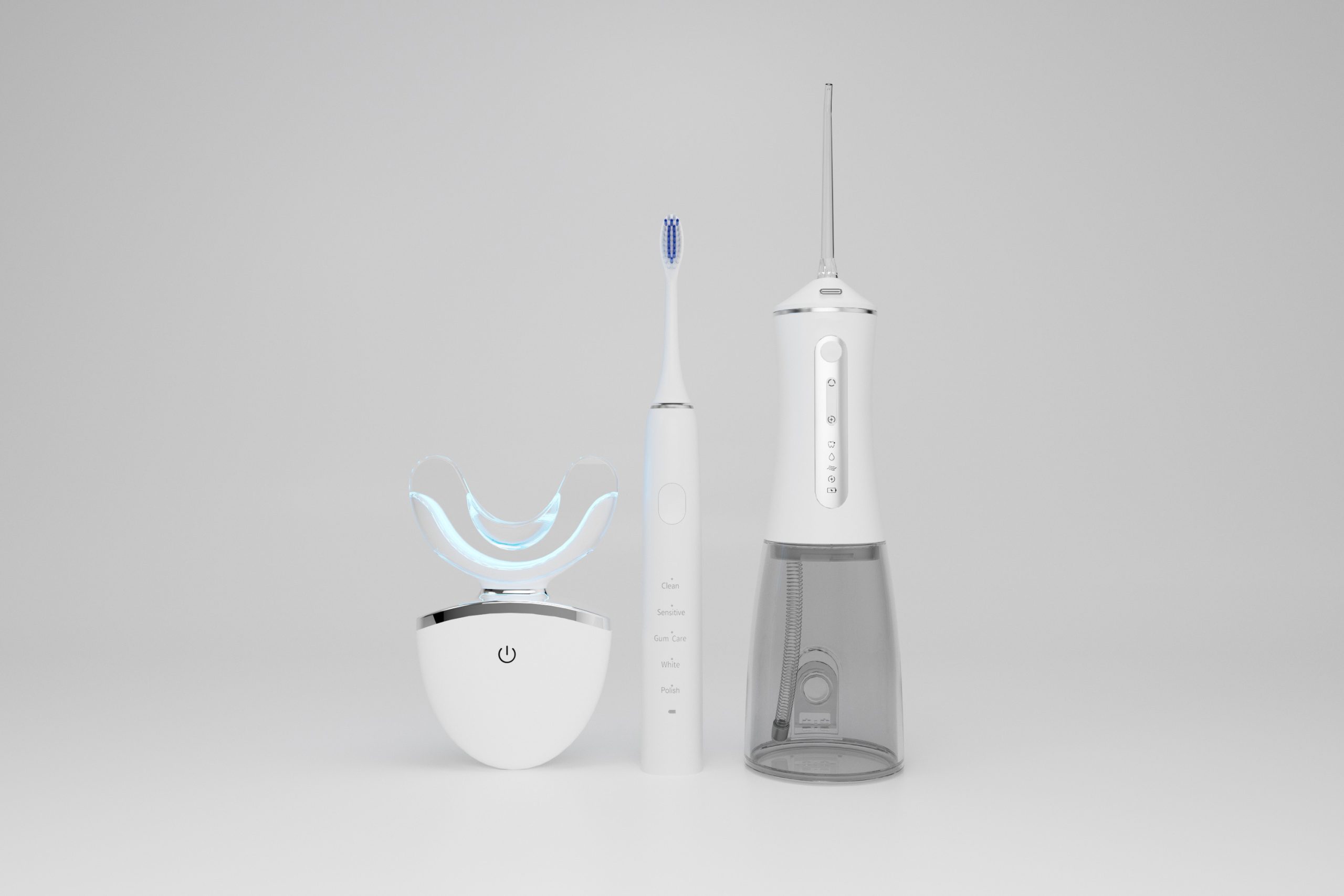
As the oral care industry evolves rapidly with consumer demand for smart, tech-driven products, brand owners are increasingly seeking efficient ways to scale production. Wholesale smart electric toothbrushes have become a key product category for businesses aiming to expand market share quickly. By purchasing bulk dental products from reliable manufacturers, B2B buyers can benefit from cost efficiency, consistent product quality, and faster go-to-market strategies.This blog outlines the key bulk order advantages, strategic insights for B2B oral care businesses, and how working with an oral care products OEM can support your brand’s long-term growth. The Growing Demand for Smart Electric Toothbrushes In today’s competitive oral hygiene market, consumers expect more than just clean teeth—they want a personalized, connected experience. This has led to explosive growth in smart electric toothbrushes, which often feature: Bluetooth app connectivity Pressure sensors Multiple brushing modes Charging docks or USB recharging For B2B buyers, keeping up with these tech trends is crucial. Wholesale purchasing allows brands to meet market demand while maintaining healthy profit margins. Key Advantages of Bulk Ordering for Brands Opting to purchase bulk dental products brings several advantages for oral care brands: a. Cost Savings at Scale Bulk pricing significantly reduces the per-unit cost of production and packaging. This…
.jpg)
Sonic Electric Toothbrush Supplier & Manufacturer for Illinois | Powsmart If you're searching for a high-quality sonic electric toothbrush in Illinois, look no further. Powsmart is a leading Chinese manufacturer and supplier of innovative oral care products, serving clients worldwide—including distributors, wholesalers, and brands right here in Illinois. As an experienced OEM and ODM contract factory, Powsmart specializes in producing professional-grade sonic electric toothbrushes that rival leading brands in performance, design, and reliability. All our products are manufactured in our state-of-the-art facility in Shenzhen, China, and supplied globally to partners in Illinois and beyond. Why Choose Powsmart Sonic Electric Toothbrushes? Powsmart sonic electric toothbrushes are engineered with advanced features that ensure superior cleaning performance, durability, and user satisfaction. Here’s what sets our products apart: Powerful Sonic Technology: High-frequency vibrations provide deep cleaning and plaque removal. Long-Lasting Battery: Extended use between charges for convenience. Multiple Cleaning Modes: Customizable experiences for sensitive teeth, whitening, gum care, and more. Smart Timers and Sensors: Ensure recommended brushing time and protect gums from excessive pressure. Eco-Friendly and Replaceable Heads: Reduce waste and support long-term use. Our products are designed to meet the same high standards as top-tier brands, making them an ideal choice for private labeling, distribution, or…
.jpg)
Introduction: How Cartoon Toothbrush Support Better Kids BrushingEncouraging regular brushing habits in children has always been a struggle. However, integrating cartoon toothbrush designs can turn brushing into a joyful activity. Whether you’re developing a private label solution or working with trusted manufacturers like the Powsmart child toothbrush, choosing a playful yet functional design can boost both oral care engagement and brand success. Understanding Why Kids Resist Brushing Routines Many children dislike brushing due to discomfort, fear, or boredom. Without engaging tools like a cartoon toothbrush, young users often fail to develop consistent brushing habits. To improve kids brushing compliance, brands need toothbrushes designed with child psychology and play-based learning in mind. The Power of Cartoons in Children’s Toothbrush Design Cartoon visuals enhance emotional connection and excitement. A cartoon toothbrush with bright colors, familiar characters, and fun themes can transform a chore into a game. These playful dental care tools also help kids feel more confident and motivated. Some models even include lights, music, or interactive timers to reinforce the 2-minute brushing routine. Why Powsmart Child Toothbrushes Are Loved by Kids and Parents The Powsmart child toothbrush line combines child-friendly aesthetics with professional safety features. Using soft bristles and food-grade silicone…
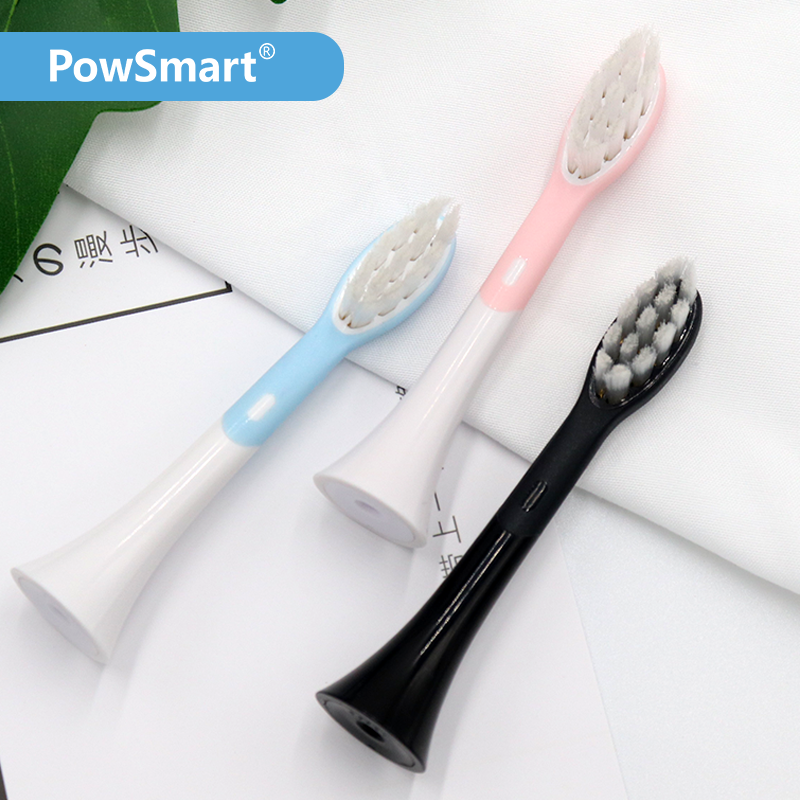
Maintaining oral hygiene with orthodontic appliances requires precision, patience, and the right tools. The clean braces technique—a structured approach to keeping teeth and gums healthy during orthodontic treatment—has gained popularity among dental professionals. At the center of this technique is the Powsmart ortho head, a brush head designed to solve the unique cleaning challenges faced by individuals with braces. The Hygiene Challenges of Orthodontic Braces Braces introduce a complex environment in the oral cavity: brackets, wires, ligatures, and limited space create ample opportunity for plaque buildup and food retention. Without proper tools, users often fail to reach behind wires and around brackets, leading to: Gingivitis and gum inflammation Decalcification and white spot lesions Bad breath and oral discomfort This is where the clean braces technique comes into play—with the Powsmart ortho head playing a vital role. What Sets the Powsmart Ortho Head Apart? The Powsmart ortho head is engineered with a V-shaped bristle pattern, specifically contoured to clean around orthodontic fixtures. Unlike flat or dome-shaped heads, it is tailored to: Reach both above and below the bracket with one pass Glide along the gum line without causing irritation Provide controlled contact to prevent enamel abrasion Its slim profile also improves…
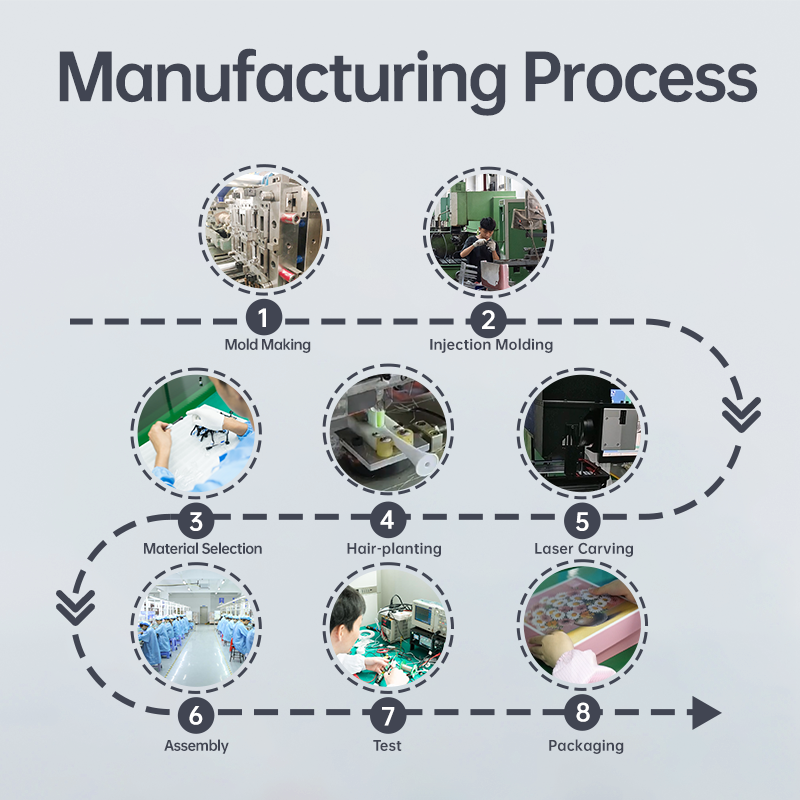
The POWSMART Multi-Function Toothbrush has become a favorite in OEM/ODM procurement circles due to its feature-rich design. However, with advanced brushing modes, smart tracking, and integrated flossing options, some end users report user adaptation difficulties—especially in initial stages. Is the product too advanced for its own good? This blog explores the design, UX, and learning curve behind the multifunction trend. The Rise of Multi-Functionality in Electric Toothbrushes Driven by market differentiation and user demands for convenience, manufacturers now pack more into each unit. The POWSMART Multi-Function Toothbrush, for example, may feature: Multiple brushing modes (whitening, polishing, gum care, etc.) Integrated tongue cleaning or water flossing Bluetooth-connected brushing reports Real-time pressure sensing alerts Child lock or travel-safe functions While these features are valuable, they may increase cognitive load during first use. What Exactly Is “User Adaptation” in This Context? User adaptation refers to how quickly and comfortably a user learns to interact with a device to achieve intended results. In electric toothbrushes, poor adaptation manifests in: Using the wrong brushing mode for one's dental needs Failing to activate or understand smart features Disabling pressure sensors or timers out of frustration Underusing multifunction capabilities (e.g., ignoring floss or tongue-clean features) These behaviors…
-2-scaled.png)
As innovation advances in personal oral care, the 3D Rotation Oscillation Brush has become a popular feature in electric toothbrush models across global OEM/ODM supply chains. However, concerns are emerging about potential sensor failure caused by mechanical complexity and long-term use. Could the very feature that enhances cleaning performance compromise the device’s reliability? What Is a 3D Rotation Oscillation Brush? The 3D rotation oscillation mechanism combines three distinct movements: circular rotation, oscillation, and pulsation. This tri-directional action is designed to: Remove plaque more efficiently Improve gum line cleaning Simulate dentist-grade brushing motion For OEMs, it offers a performance-driven selling point. But with complexity comes increased mechanical interaction—and potential stress on internal components, particularly embedded sensors. Role of Sensors in Smart Toothbrushes Modern electric toothbrushes often include multiple sensors such as: Pressure sensors to prevent gum damage Motion sensors for brushing guidance and app tracking Position detection for quadrant timing Temperature sensors in some high-end models These components rely on stability and minimal vibration to function correctly—both of which may be affected by aggressive brush head movement over time. Can 3D Motion Cause Sensor Failure? While 3D rotation oscillation provides superior cleaning, its mechanical design can create: Increased vibration and torque…
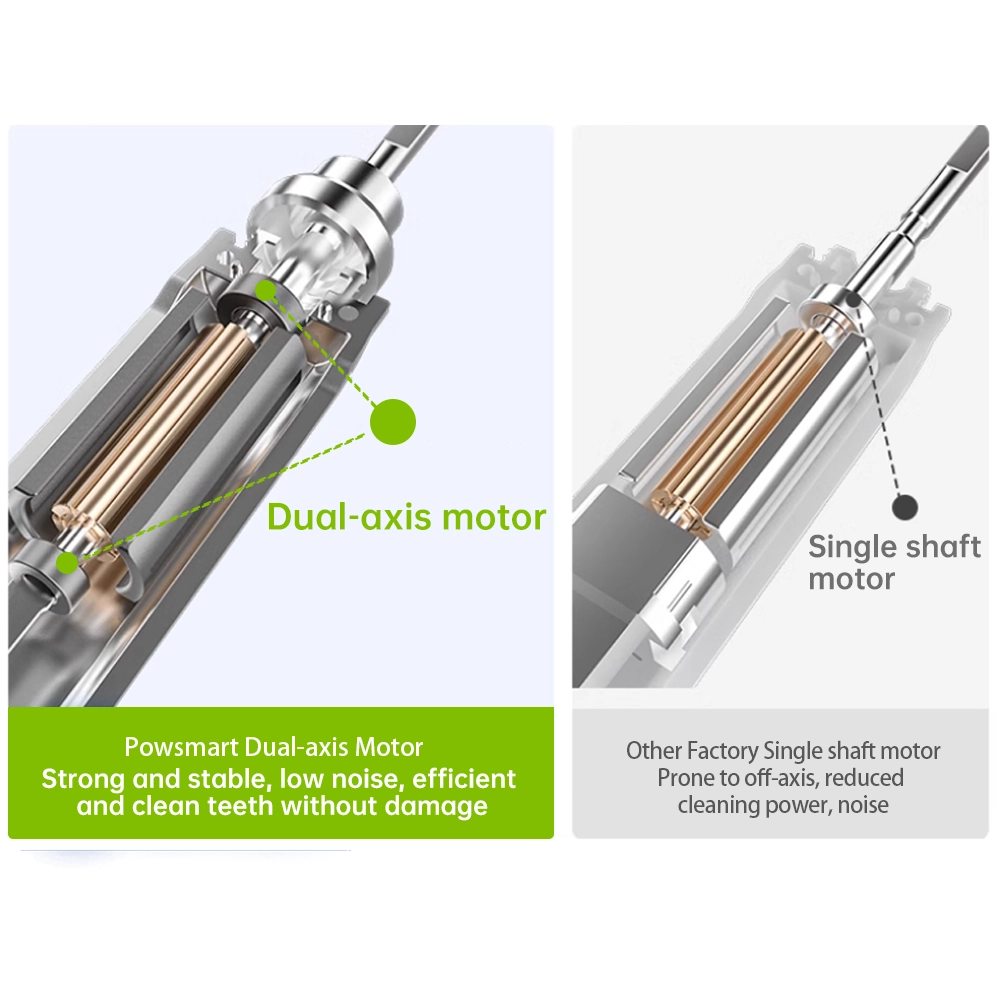
As the demand for smarter, quieter, and more effective oral care devices grows, magnetic levitation motor toothbrushes are emerging as the next big innovation. This advanced dental tech offers high-performance brushing, ultra-low noise, and minimal mechanical wear—key selling points in today’s competitive personal care market. For brands seeking innovative oral care products, understanding this breakthrough technology is essential. Whether you're a startup entering the market or an established brand looking to upgrade your lineup, partnering with an oral care products supplier specializing in levitation motor integration could be the key to staying ahead. What Is a Magnetic Levitation Motor Toothbrush? A magnetic levitation motor toothbrush utilizes a linear magnetic drive system, replacing traditional mechanical components with electromagnetic force to create high-frequency oscillations. Key Advantages: High-speed vibration (31,000–48,000 RPM) for superior plaque removal Quieter operation due to reduced mechanical friction Longer motor lifespan with minimal wear-and-tear Smooth, consistent performance even after prolonged use This cutting-edge magnetic levitation motor toothbrush technology has set new standards for performance and durability in electric oral care devices. Why Magnetic Levitation Motors Outperform Traditional Motors Traditional motors rely on gear systems or rotor-based designs. While effective, they create: More vibration noise Greater energy loss through friction Faster wear on internal parts In contrast, levitation motors use magnetic…

As demand rises for advanced oral care, many OEM/ODM buyers are turning to the Stain Removal Rotating Brush for its enhanced whitening effect and plaque removal. However, some manufacturers are now questioning whether its long-term use could be contributing to an overlooked issue: motor corrosion. Is this a hidden problem lurking behind surface-level cleaning power? The Appeal of Stain Removal Rotating Brushes The Stain Removal Rotating Brush is engineered to rotate at high speeds, often in combination with pressure-based polishing features. It targets: Coffee, tea, and wine stains Plaque accumulation near the gumline Surface discoloration caused by smoking or acidic diets Its robust rotation mechanism delivers noticeable aesthetic results, making it a favorite in whitening-focused product lines. However, this same mechanism introduces moisture and particulate exposure risks for internal components. How Motor Corrosion Begins At the heart of every rotating brush lies a compact electric motor. Over time, especially in high-humidity environments like bathrooms, the following factors can lead to motor corrosion: Seal failure or degradation around the motor housing Condensation build-up during or after use Ingress of toothpaste residue, mouthwash, or saliva Electrochemical reactions between metal components and cleaning agents Once corrosion begins, it weakens electrical conductivity, introduces friction,…
.jpg)
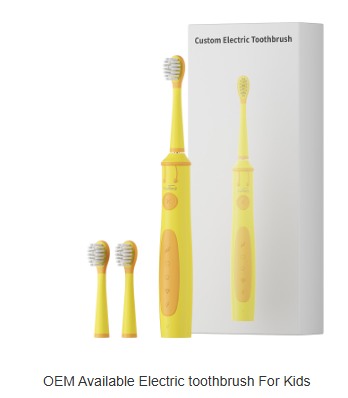
As awareness of early oral care rises among parents worldwide, brands are responding with more thoughtfully designed products. One significant trend is the increasing demand for custom children's electric toothbrush models that combine playful design with safety and performance. For brands targeting this niche, choosing the right electric toothbrush manufacturer that can develop child-focused, high-quality products is crucial. The Importance of Soft Bristles & Food-Grade Silicone Safety and comfort are top priorities in child-safe toothbrush design. Children’s gums are delicate, and their brushing habits are still developing. That’s why leading manufacturers are now focusing on: Soft bristle electric toothbrush heads that gently clean teeth without irritating young gums. Use of food-grade silicone materials in brush handles and parts that may come into contact with the mouth – ensuring non-toxicity, easy cleaning, and hypoallergenic performance. Combining soft bristles & food-grade silicone not only improves safety but also enhances user experience, making kids more likely to adopt and enjoy regular brushing habits. Customization: What Brands Should Look For When developing a custom children's electric toothbrush, brands should work with a manufacturer that offers full-service customization, including: Unique ergonomic handle designs for small hands Age-specific vibration modes Engaging designs and themes (e.g. animals, characters, lights) Private labeling and…
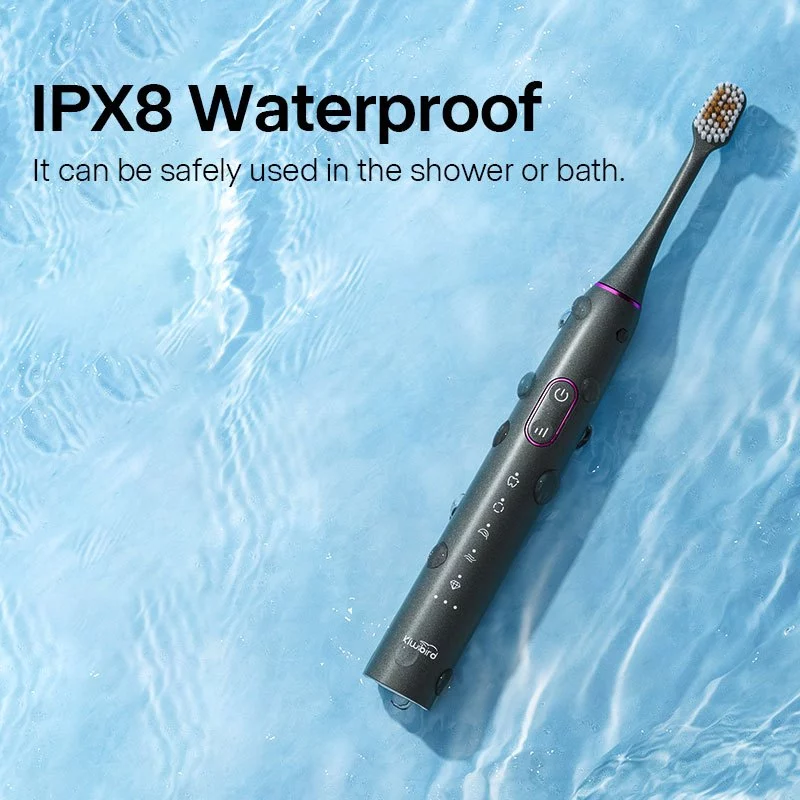
As consumer lifestyles become increasingly dynamic, the demand for shower-safe dental care solutions is rising globally. Brands seeking to enter or expand in international markets must offer products that combine innovation, reliability, and user convenience. Among them, the IPX7 waterproof electric toothbrush has become a key product category, offering users peace of mind during wet-environment usage. In this blog, we explore how electric toothbrush customization for global markets, when paired with IPX7 waterproof certification, can help brands stay ahead of market trends and consumer expectations. Understanding the IPX7 Waterproof Standard The IPX7 waterproof rating means that a device can withstand immersion in up to 1 meter of water for 30 minutes without suffering damage. For electric toothbrushes, this translates to: Safe usage in showers and wet environments Enhanced durability and corrosion resistance Improved product lifespan and customer satisfaction By offering a waterproof electric toothbrush, brands can provide users with shower-safe dental care solutions that align with modern hygiene routines. Customization Opportunities for Global Brands Electric toothbrush customization for global markets involves more than just logo printing. Manufacturers must offer flexible and scalable solutions, such as: Custom handle designs and ergonomic features tailored to target demographics Multi-mode brushing functions (clean, sensitive, polish, etc.) Custom packaging and branding to suit different…
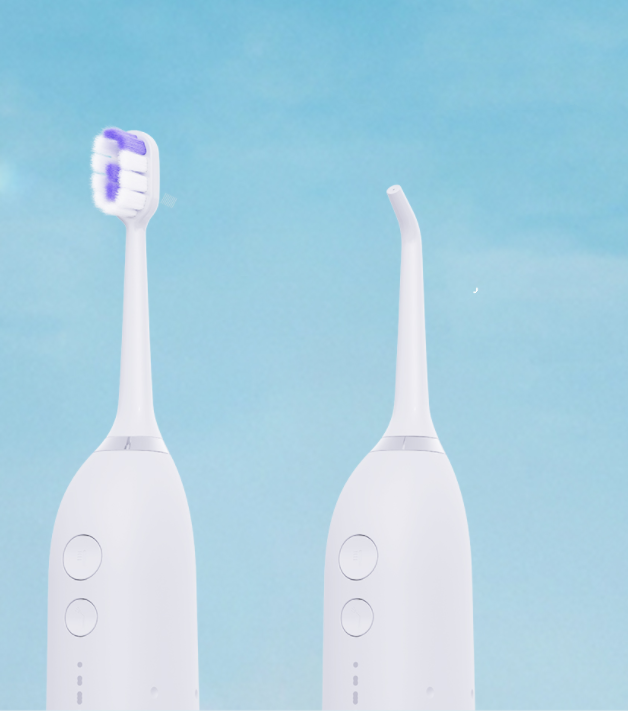
As consumers become more aware of comprehensive oral hygiene, the demand for specialized devices that go beyond surface-level cleaning is on the rise. One such product is the Deep Clean Interdental Electric Toothbrush — a toothbrush engineered to reach between teeth and along the gum line with precision. For oral care brands, sourcing the right electric toothbrush manufacturing solutions that deliver effective interdental cleaning is key to product success in this evolving market. This blog explores how manufacturers can support oral care brands in developing next-generation gum line toothbrush solutions, with a focus on deep clean oral care OEM strategies. Understanding the Importance of Interdental Cleaning Traditional brushing methods often leave behind plaque and food particles between teeth. This is where interdental cleaning becomes essential. A Deep Clean Interdental Electric Toothbrush is designed to reach those hard-to-access spaces. Offering consumers an efficient way to prevent gingivitis, cavities, and bad breath. Brands that want to stay ahead in oral care innovation must prioritize gum line toothbrush designs that address these specific hygiene needs. Key Features of a Deep Clean Interdental Electric Toothbrush When developing or sourcing a Deep Clean Interdental Electric Toothbrush, manufacturers must integrate certain performance features that cater to both function and user comfort: Slim,…
.jpg)
As consumer awareness of oral health continues to grow, the market for sensitive teeth toothbrushes has expanded rapidly. People with gum sensitivity require products that offer effective cleaning while minimizing irritation. In response to this demand, many brands are now seeking trusted partners for electric toothbrush production for sensitive teeth. For businesses aiming to meet this niche market, collaborating with experienced OEMs that specialize in gentle gum care technology is key to success. Understanding the Needs of Users with Sensitive Teeth Sensitive teeth and gums require special care. Aggressive brushing or hard bristles can cause pain, gum recession, or further enamel erosion. This is where the gum care electric brush plays a vital role. These brushes are engineered to deliver a gentle cleaning experience, using soft bristles and low-frequency vibration or sonic technology to protect gum tissue while removing plaque effectively. To meet user expectations, brands need to develop products with features such as: Ultra-soft bristles for minimal abrasion Pressure sensors to prevent over-brushing Multiple cleaning modes, especially “Gentle” or “Sensitive” modes Rounded brush heads for a soothing feel on gums Key Design Considerations for Gentle Cleaning OEM Solutions When selecting a manufacturer for a gentle cleaning OEM solution, it’s important to prioritize factories that…
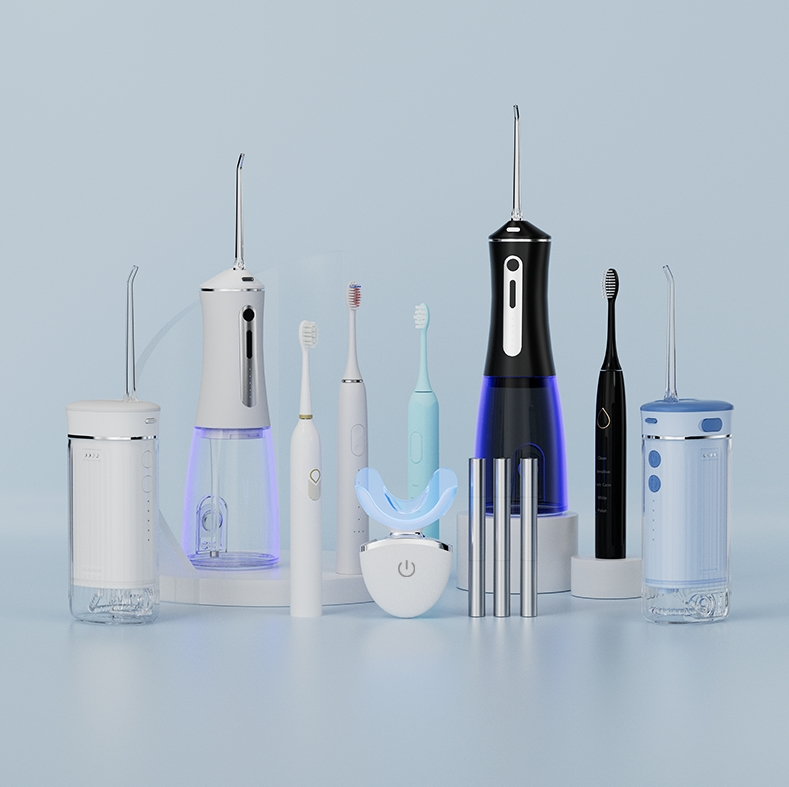
As consumers become increasingly health-conscious and tech-savvy, the demand for high-performance oral care solutions like smart sonic toothbrushes has surged. For dental care brands, entering or expanding in this competitive market requires speed, reliability, and innovation. That’s where working with a trusted sonic toothbrush private label manufacturer comes in. This article explores how brand owners can benefit from complete OEM services, including custom design, manufacturing, and packaging, to successfully launch or scale their smart sonic brush OEM business. Why Choose a Sonic Toothbrush Private Label Partner? Launching your own oral care products OEM line doesn’t mean you have to start from scratch. A reliable private label partner enables you to bring a premium product to market faster, without the complexity of R&D or in-house production. Benefits of partnering with a private label OEM manufacturer include: Fast time-to-market with ready-made or customizable sonic brush models Cost-effective production without compromising on quality Access to the latest custom dental tech innovations Branding freedom with packaging, design, and user experience What to Expect from Complete OEM Services When we talk about complete OEM services, we mean end-to-end support that covers every step from product concept to delivery. A professional sonic toothbrush OEM partner offers: Product Development & Customization: From…


.jpg)
.jpg)
.jpg)
.jpg)
.jpg)



.jpg)
.jpg)