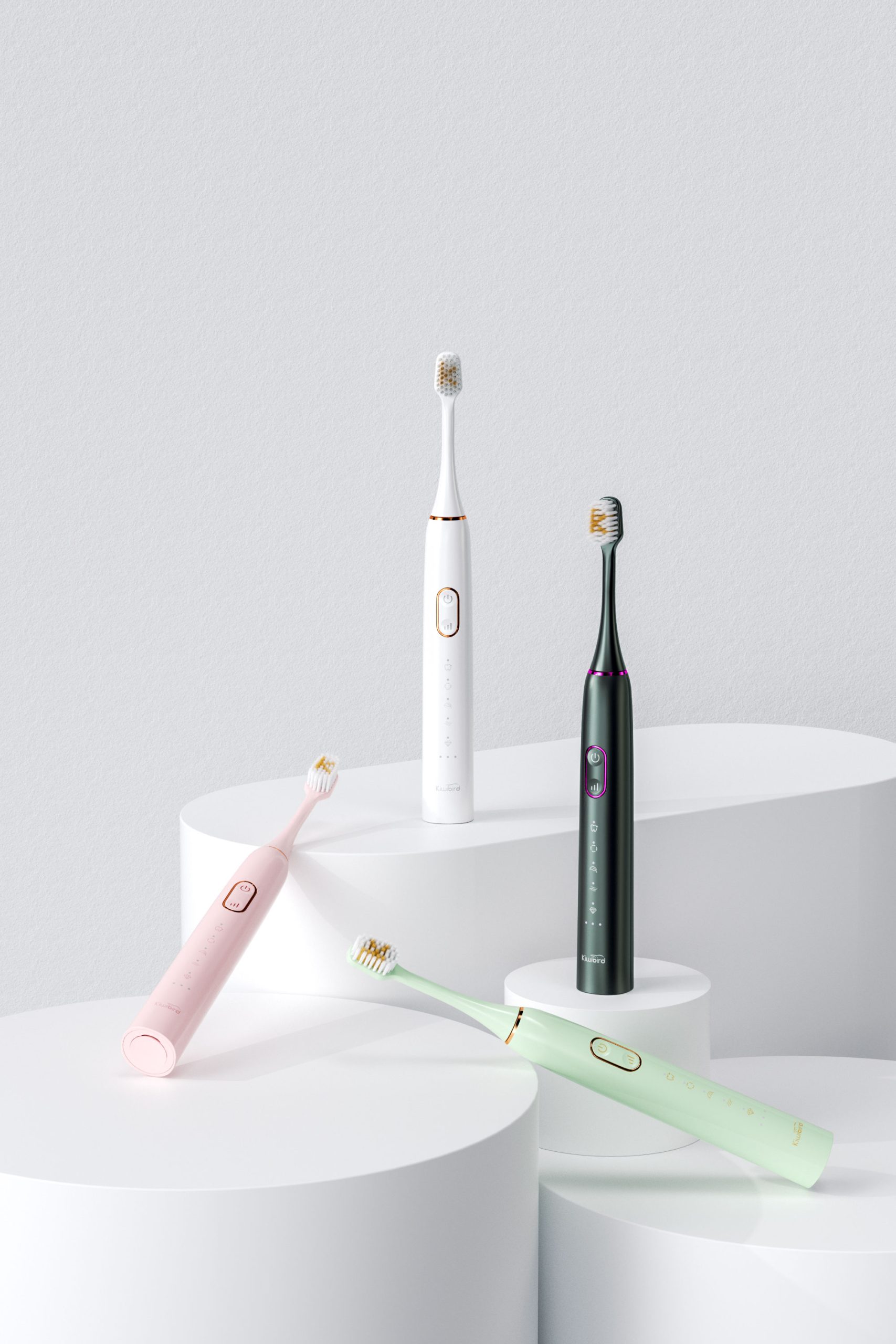
Proper store toothbrush is essential for maintaining oral hygiene and extending the life of your brush. Whether you're a dental professional advising patients or a manufacturer providing care instructions, here's what you need to know about optimal toothbrush storage. 1. Avoid Close Contact with Other Toothbrushes Storing multiple brushes together increases cross-contamination risks. Ensure toothbrushes don't make close contact with other toothbrushes by: Using separate holders with individual slots Keeping bristle heads at least 1 inch apart Choosing wall-mounted holders for family bathrooms 2. Never Place Near the Toilet Flushing can spread bacteria through airborne droplets. Prevent contamination by: Storing toothbrushes at least 3 feet away from the toilet Using covered cabinets or medicine cabinets Keeping lids closed when flushing 3. Properly Handle Store Wet Toothbrush Moist environments breed bacteria. For storing wet toothbrushes: Shake off excess water after use Store upright to allow air drying Avoid enclosed travel cases for long-term storage 4. Always Use Vertical Placement Vertical placement ensures: Faster drying (bristles face downward) Reduced bacterial growth Better bristle shape retention Tip: Use holders with drainage holes to prevent water pooling. 5. Replace Every 3 Months (or Sooner if Needed) Even with perfect storage, replace brushes: Every 3 months (standard recommendation) After illness…
.jpg)
In today’s increasingly competitive market, even the smallest changes in product performance—such as Bristle Splaying Rapidly in devices like electric toothbrushes and advanced cleaning tools—can significantly disrupt user experience. Research indicates that bristle instability directly correlates with Uneven Cleaning Patterns, where accelerated splaying reduces surface contact precision, compromising cleaning effectiveness. This phenomenon, observed in clinical trials, demonstrates how structural fatigue in bristle clusters creates fragmented pressure distribution, prioritizing certain zones while neglecting others. Manufacturers now prioritize addressing these dual challenges: mitigating rapid bristle degradation through material innovation and recalibrating brush-head dynamics to counteract pattern irregularity. By integrating biomechanical insights and stress-distribution modeling, next-gen designs aim to harmonize durability with consistent cleaning performance. Market Environment and Customer Expectations As consumers increasingly demand superior cleaning performance and long-lasting product durability, every design detail becomes critical. Customers expect a device to deliver uniform cleaning across all areas. However, when issues like bristle splaying occur, the result is an uneven distribution of cleaning power, resulting in noticeable areas that are either over-cleaned or under-cleaned. This raises concerns over the product’s quality and can negatively impact brand reputation. Understanding these market dynamics is the first step toward finding a lasting solution. Understanding Bristle Splaying Rapidly…
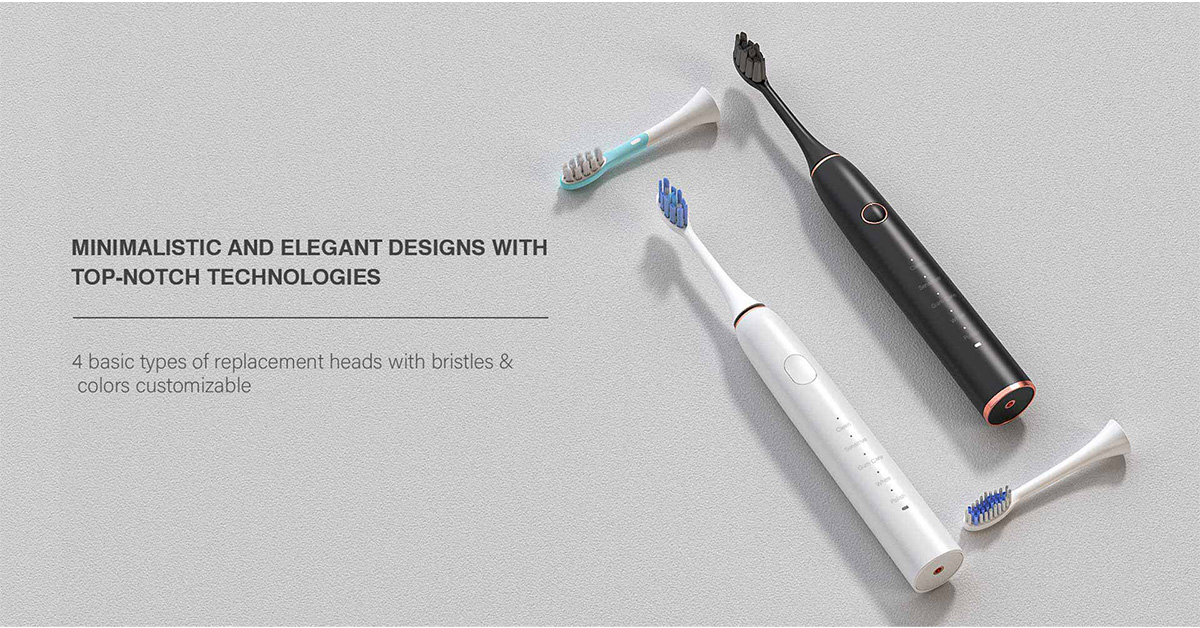
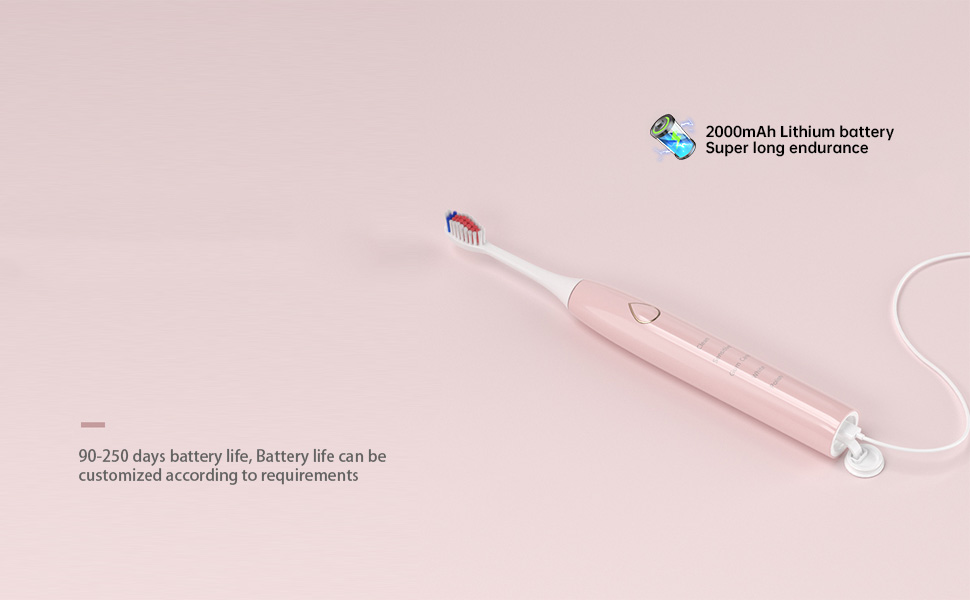
As a B2B electric toothbrush manufacturer, we understand that battery performance is one of the most critical factors affecting product satisfaction. Through extensive testing and customer feedback, we've identified the key factors that impact battery longevity. Let's examine the technical reasons behind poor battery life. 1. Insufficient Battery Capacity The most obvious factor is battery capacity. Many budget models cut costs by using: Lower-grade lithium-ion cells Smaller battery sizes (under 600mAh) Non-branded battery suppliers Solution: Opt for premium 800mAh+ batteries from reputable suppliers. 2. Motherboard Power Management Issues The motherboard plays a crucial role in power efficiency. Common problems include: Poor voltage regulation circuits Inefficient charging ICs Lack of sleep mode optimization Solution: Implement advanced power management chips with: Low quiescent current (<5μA) Smart charging algorithms Over-discharge protection 3. Motor Efficiency Matters The motor accounts for 70% of power consumption. Key considerations: Brushed vs brushless motors (20% efficiency difference) Optimal frequency settings (250-300Hz ideal) Quality of bearings and mechanical parts Pro Tip: Japanese-made brushless motors typically offer best performance. 4. Quality of Charging System Charging components significantly impact battery health: Poor quality charging coils cause energy loss Incorrect charging voltage damages cells Lack of temperature monitoring Recommendation: Use Qi-standard wireless charging with: Foreign object detection…
As the demand for smart and stylish oral care products rises, manufacturers of electric toothbrushes face a dual challenge: how to ensure long-term durability while also delivering a visually appealing design. At the heart of this lies the quality of the electric toothbrush precision mold shell, the choice of materials, and the strength of design-engineering collaboration. This article outlines the six key strategies manufacturers use to create electric toothbrush shells that are both durable and attractive, naturally incorporating the keywords "Electric toothbrush mold", "shell customization", "ABS/PP material", and "industrial design support". Precision Mold Design: The Foundation of a Reliable Shell The first step in producing a high-quality toothbrush precision mold shell is developing a high-precision electric toothbrush mold. A well-designed mold ensures: Consistent dimensions and tight tolerances Seamless fit with internal components A smooth, refined surface ready for finishing touches By investing in precision mold technology, manufacturers lay the groundwork for both durability and visual appeal right from the tooling stage. Smart Material Selection: ABS/PP for Optimal Performance Choosing the right materials is critical for performance. The most common choices for toothbrush shells are ABS (Acrylonitrile Butadiene Styrene) and PP (Polypropylene): ABS material: Offers high impact resistance, excellent dimensional stability, and…
As electric toothbrushes become a standard in personal oral care, consumers are expecting more than just effective cleaning—they demand reliability, safety, and durability. For B2B buyers, this makes electric toothbrush quality control a non-negotiable factor when selecting a manufacturer. In this blog, we walk through the full quality control process, from incoming materials to final product shipment, with a focus on essential checkpoints like waterproof testing, motor reliability, and functional performance. Raw Material Inspection: The First Line of Defense Quality begins at the very beginning. Every batch of components, such as ABS/PP plastics, PCB boards, batteries, and motor parts, undergoes rigorous incoming quality inspection (IQC). Plastic shell parts are checked for uniformity, color consistency, and impact resistance Electronic components are verified against BOM and tested for compliance Motors are pre-tested for torque, speed, and noise before assembly By filtering out defects at the start, we lay a solid foundation for reliable production. In-Process Quality Control (IPQC): Spot Checks During Assembly During assembly, in-process quality control ensures that each production step meets required standards. Our trained QC technicians perform inspections at every major stage: Circuit board mounting Battery welding and installation Motor integration into the toothbrush body Initial functional testing (on/off switch, LED indicators, vibration…
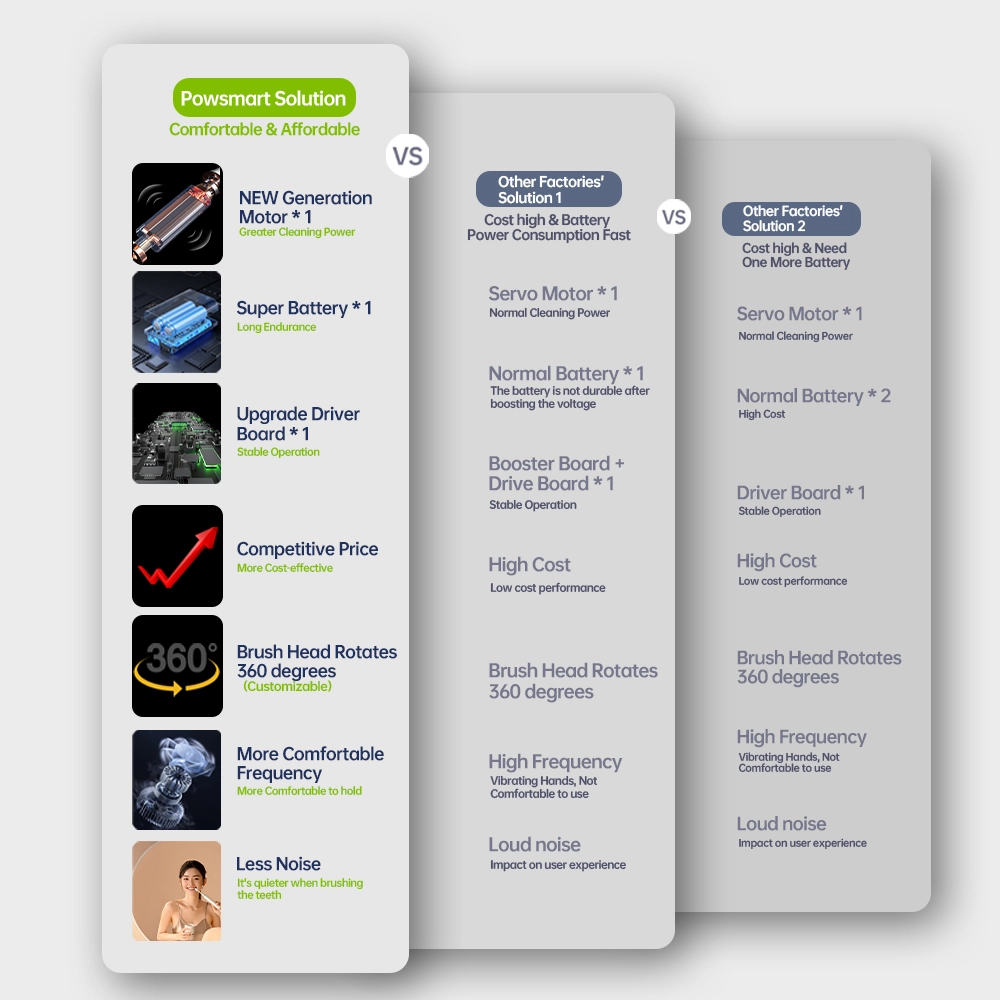
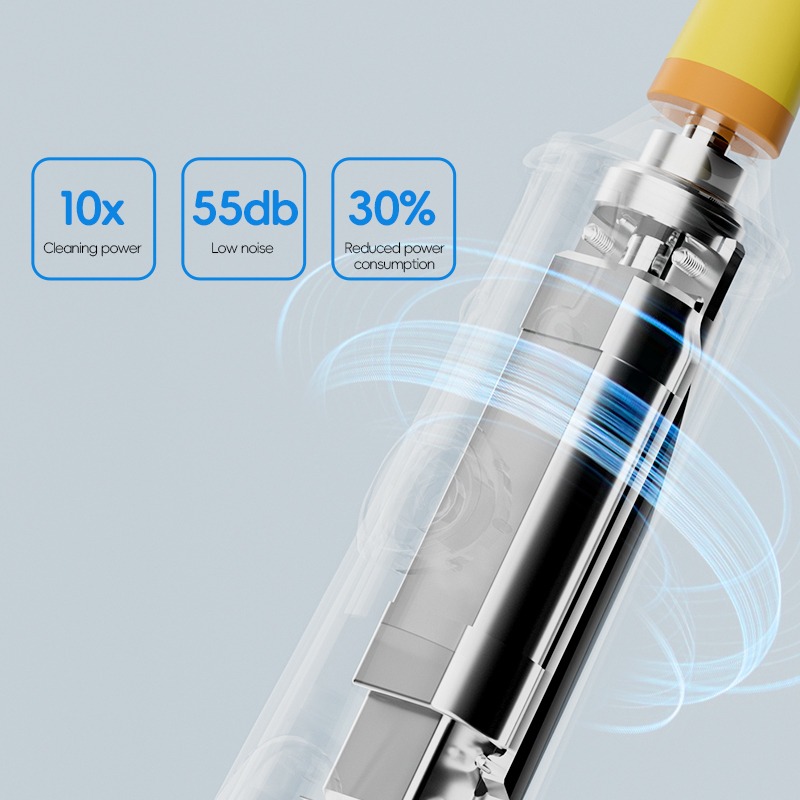
As electric toothbrushes continue to gain popularity, consumers are placing greater emphasis on cleaning power, comfort, and overall user experience. Core components of electric toothbrush — the electric toothbrush motor.This blog explores how high-performance motors, especially magnetic levitation motors powered by sonic technology, significantly enhance brushing efficiency. We’ll also cover how manufacturers can offer OEM customized solutions to help brands tailor performance for different user needs. Understanding the Electric Toothbrush Motor: The Core Driver of Cleaning Action The electric toothbrush motor is the core component of electric toothbrush that drives brush head movement, converting electrical energy into high-frequency mechanical oscillation. Its precision and power directly affect: Brushing speed (vibrations per minute) Stroke amplitude User comfort and noise level A well-designed motor ensures consistent motion and optimized vibration, delivering thorough plaque removal while protecting gum tissue. Magnetic Levitation Motor: Elevating Vibration Efficiency and Stability Among motor types, the magnetic levitation motor stands out due to its efficiency and low noise profile. It suspends the moving parts with magnetic force, reducing mechanical friction. Key benefits include: High-frequency oscillation (up to 42,000 times/min) Minimal energy loss and smoother vibration transfer Quiet operation compared to traditional motors Longer lifespan due to reduced wear For manufacturers, integrating magnetic levitation motors into electric toothbrush designs…
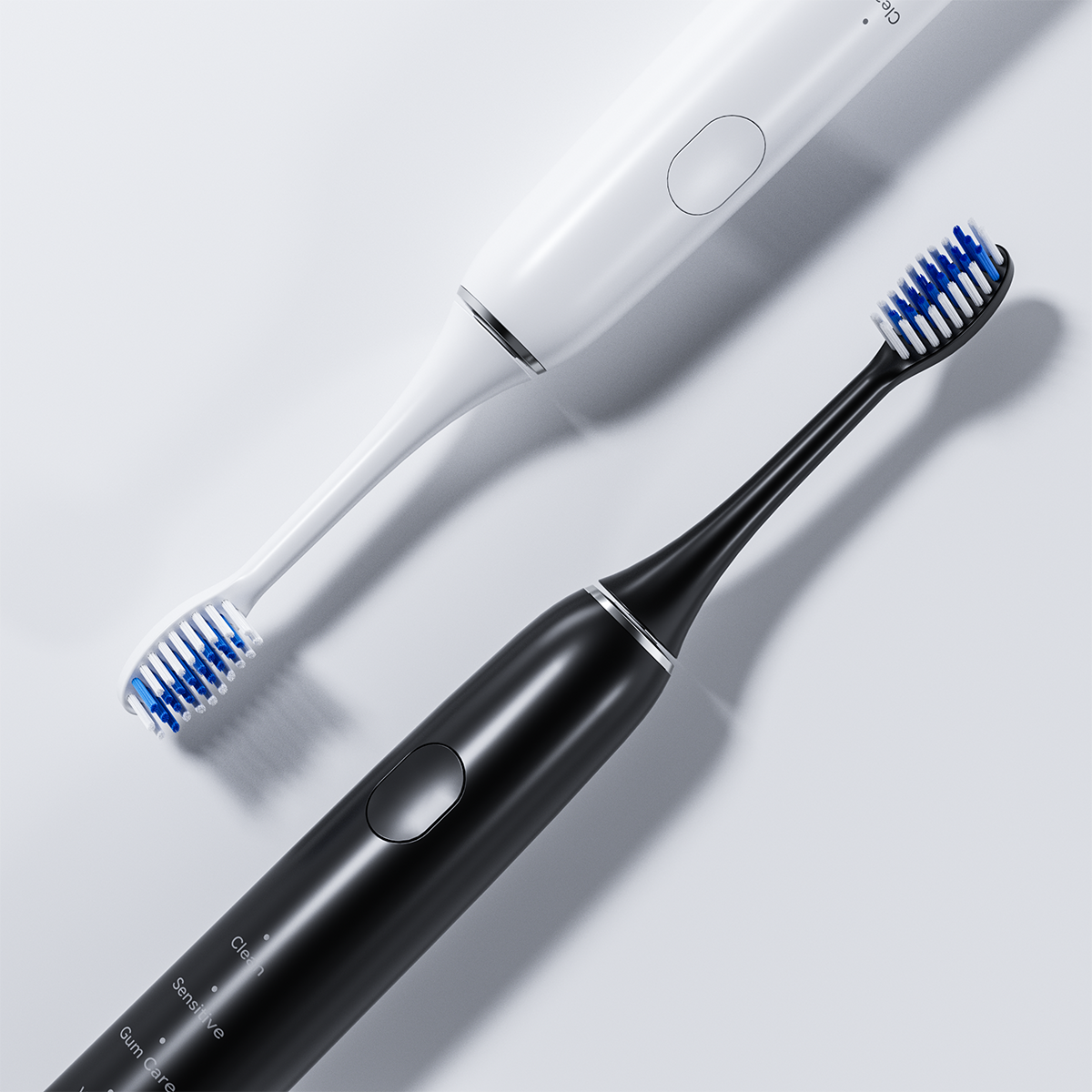
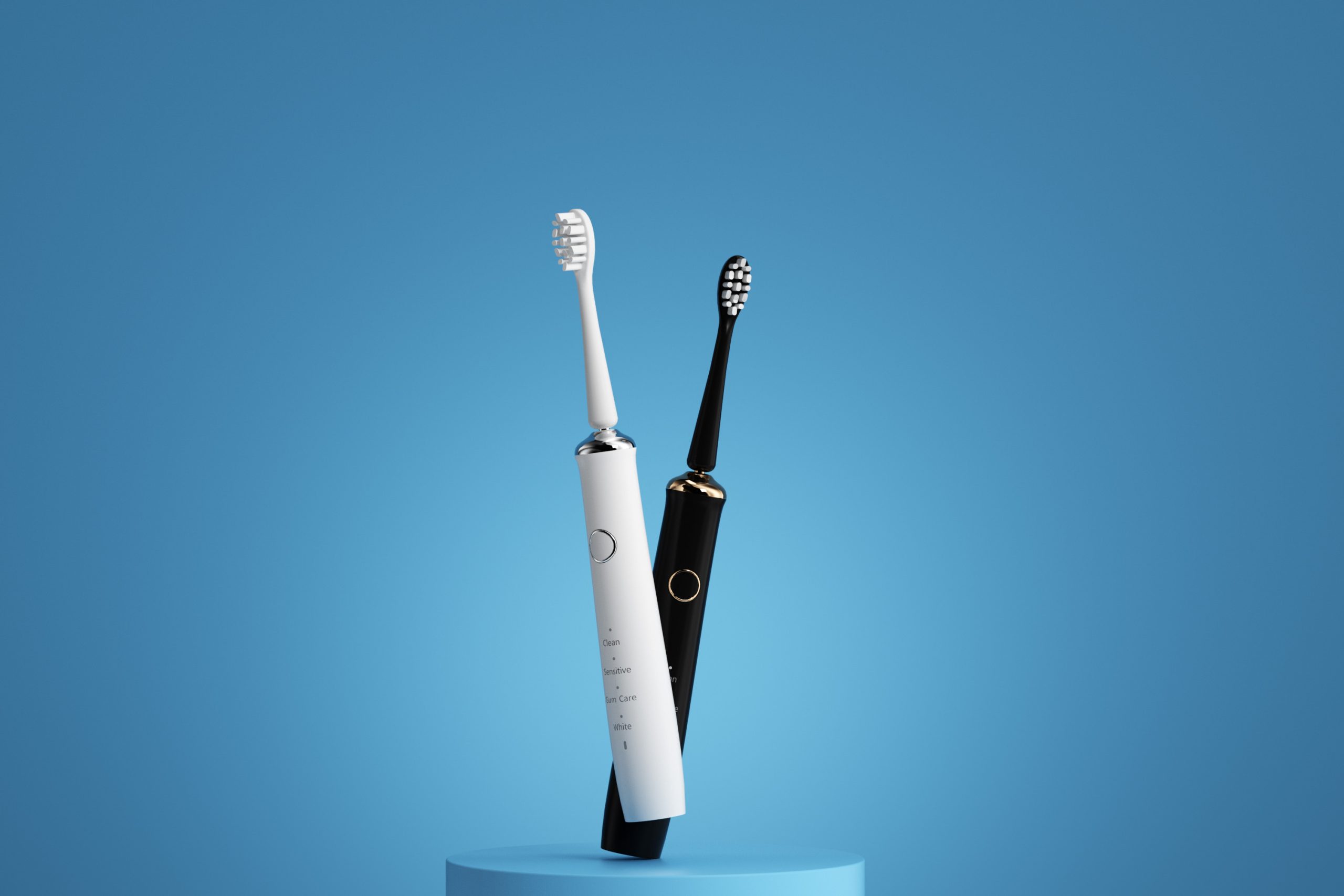
When selecting an electric toothbrush, most consumers focus primarily on technical specifications like brushing modes and battery life. However, as a professional manufacturer, we know that appearance design plays an equally crucial role in product success. Here's why appearance matters more than you might think in the electric toothbrush market. 1. First Impressions Matter: Beautiful Design Sells A beautiful electric toothbrush creates immediate visual appeal on retail shelves and online stores. Our market research shows that 68% of consumers will pick up a toothbrush based on its aesthetics before even checking the specifications. The sleek curves and modern finishes of our premium models consistently outperform plainer competitors in sales. 2. Ergonomic Design for Comfortable Daily Use Beyond looks, good appearance design means creating a comfortable grip that fits naturally in the hand. Our patented contoured handles reduce muscle strain during brushing, with textured surfaces that provide secure hold even when wet. This combination of form and function leads to better brushing habits and improved oral health outcomes. 3. The Perfect Fit Between Design and Functionality The best electric toothbrushes achieve a perfect fit between aesthetic appeal and practical features. Our design team works closely with dental professionals to create brushes where every curve serves a purpose - from the angled…
In an era of global supply chain disruptions, parts shortages and OEM liability have emerged as major challenges for manufacturers and suppliers alike. From delayed shipments to increased costs and production halts, these issues are placing immense pressure on businesses striving to maintain efficiency and profitability. This article explores the causes and impacts of these challenges and provides strategic solutions to mitigate risks and enhance supply chain resilience. The Growing Impact of Parts Shortages The global manufacturing sector is grappling with unprecedented parts shortages due to multiple factors. Raw material scarcities, transportation delays, and geopolitical tensions have significantly slowed down the production and distribution of essential components. As a result, manufacturers are forced to delay product launches, scale down production, or even suspend operations altogether. For industries relying on just-in-time (JIT) manufacturing, such disruptions create bottlenecks that are difficult to recover from. To stay competitive, businesses must diversify their sourcing strategies, build stronger supplier relationships, and invest in alternative materials to reduce dependency on a single supply chain. OEM Liability in a Disrupted Market As supply chain disruptions continue, OEM liability is becoming a growing concern. Many OEMs (Original Equipment Manufacturers) face contractual obligations to deliver products on time, but…
In today’s highly competitive manufacturing industry, product quality is the foundation of brand reputation and long-term customer relationships. However, recurring issues such as poor contact in electrical components and batch defects in mass production are causing increasing concerns among businesses. These problems not only lead to increased product returns and warranty claims but also weaken customer confidence, ultimately harming a company’s credibility. This article explores the causes, consequences, and strategic solutions for these challenges. The Growing Concern Over Poor Contact Issues One of the most common complaints in electrical and electronic products is poor contact between components. This issue can arise from multiple factors, including improper assembly, oxidation of connectors, or low-quality conductive materials. When contacts fail to establish a stable electrical connection, users experience intermittent failures, reduced device performance, or complete malfunctions. Manufacturers must address these concerns proactively by implementing rigorous material selection processes, ensuring precision in assembly, and conducting extensive quality testing to detect weak connections before products reach the market. How Batch Defects Damage Brand Reputation Batch defects occur when a significant percentage of manufactured products exhibit the same flaw, often due to inconsistencies in raw materials, faulty machinery, or inadequate quality control procedures. These defects can…
In the fast-paced world of global supply chains, efficiency is key to staying competitive. However, data gaps in logistics and customs delays in international shipments are becoming major obstacles, disrupting timelines and increasing costs. Without accurate data and smooth customs clearance, manufacturers and suppliers face production setbacks, delayed deliveries, and dissatisfied customers. This article explores the causes of these challenges and provides actionable solutions to mitigate risks. The Critical Role of Data Accuracy in Supply Chains Accurate and timely data is the backbone of modern logistics. From order placement to final delivery, every step relies on seamless information flow. However, data gaps—missing, incomplete, or outdated information—can lead to: Mislabeled Shipments: Incorrect documentation causes shipments to be flagged for manual review. Production Interruptions: Delays in receiving accurate inventory data result in stock shortages. Missed Compliance Requirements: Outdated regulatory information leads to failed customs inspections. Without a strong data management system, businesses struggle to anticipate delays and optimize inventory levels, causing inefficiencies across the supply chain. Customs Delays: A Growing Concern for Exporters As international trade regulations tighten, customs delays have become a common bottleneck. Factors contributing to these delays include: Incomplete or Inaccurate Documentation: Errors in shipping manifests or invoices trigger…
In the rapidly evolving personal care and electronic devices market, manufacturers face increasing challenges in ensuring both safety and aesthetic quality. Recently, many have observed that Battery Overheating Risks often coincide with Whitening Tray Warping, leading to product malfunctions and customer dissatisfaction. This article explores the underlying causes, interrelationships, and potential solutions to address these issues comprehensively. Market Demands and Technical Challenges With consumer expectations soaring, product safety and design integrity have become critical. Manufacturers must not only provide high-performance devices but also ensure that their components meet rigorous quality standards. However, the simultaneous occurrence of Battery Overheating Risks and Whitening Tray Warping has emerged as a significant quality concern. These issues can disrupt overall functionality, impair device aesthetics, and ultimately harm brand reputation. Understanding the market demands and technical challenges is the first step towards finding effective solutions. Root Causes of Battery Overheating Risks Battery overheating is a critical safety issue that can lead to reduced performance, potential hazards, and costly recalls. Several factors contribute to Battery Overheating Risks: Material Quality and Manufacturing Tolerances: Inadequate quality control in battery cell materials or assembly processes can cause thermal instability. Inadequate Heat Dissipation: Insufficient cooling designs and poor thermal management within…
In today’s competitive market, ensuring product durability and reliability is crucial. However, even minor defects, such as Waterproof Seal Cracks, can have a cascading effect on overall device performance. One emerging concern is the potential for these seal cracks to contribute to Charging Port Corrosion. This article delves into the root causes, impacts, and practical solutions to help manufacturers safeguard product quality and maintain customer trust. Rising Market Demands and Quality Expectations In an era where consumers demand both aesthetics and reliability, products must not only look good but also withstand daily wear and tear. Manufacturers are increasingly pressured to meet stringent quality standards, particularly for devices exposed to variable environmental conditions. When Waterproof Seal Cracks occur, they not only compromise the product's water-resistant capabilities but also open the door to further issues such as Charging Port Corrosion. This deterioration can lead to decreased performance, increased maintenance costs, and ultimately, a tarnished brand reputation. Uncovering the Causes of Waterproof Seal Cracks Waterproof seals are essential for protecting internal components from moisture and dust. However, several factors may lead to Waterproof Seal Cracks: Material Fatigue: Continuous exposure to environmental stressors like UV light, temperature fluctuations, and physical pressure can weaken sealants…
In today’s highly competitive personal care and medical device market, precision and user experience are key factors in building lasting customer trust. Recently, some customers have reported a concerning trend: devices exhibiting Pressure Sensor Errors often result in Gum Irritation Signs. This blog explores the underlying causes, symptoms, and potential solutions to address these issues and ultimately enhance product performance and user comfort. Market Background and Customer Expectations With the rise of smart dental care and high-end oral hygiene tools, consumers now expect devices not only to deliver accurate data but also to operate safely and comfortably. When Pressure Sensor Errors occur, the device may deliver inconsistent pressure during operation, leading to unwanted Gum Irritation Signs. Ensuring sensor accuracy is therefore crucial for maintaining both optimal functionality and high customer satisfaction. The Importance of Pressure Sensors and Their Potential Errors Pressure sensors are integral to the operation of many oral care devices—they monitor and adjust the force applied during use. Even minor errors in these sensors, whether from calibration issues, sensor aging, or external environmental factors, can lead to data inaccuracies. Such errors can cause the device to apply too much pressure or respond erratically, which may in turn set…
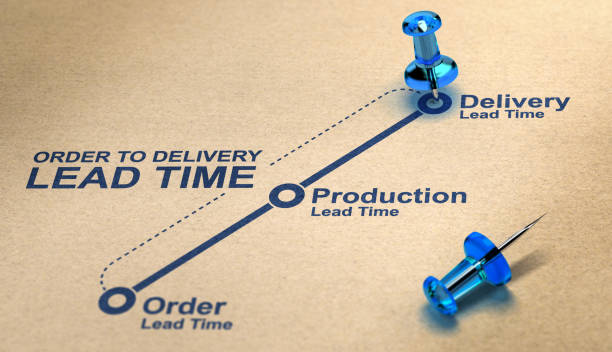
In the competitive oral care products market, reducing production lead time is crucial for electric toothbrush brands to stay ahead. Whether you are an OEM or ODM service provider, efficiently managing the electric toothbrush production cycle can significantly impact your ability to meet customer demands, improve cash flow, and strengthen brand competitiveness. This blog will explore strategies to shorten the delivery time, optimize supply chain efficiency, and enhance overall production processes from an electric toothbrush factory's perspective. Key Factors Affecting the Electric Toothbrush Production Cycle Before implementing solutions, it is essential to understand the key factors that influence the electric toothbrush lead time: Raw Material Procurement: Delays in sourcing key components (e.g., motors, batteries, plastic casings) can impact production schedules. Manufacturing Efficiency: Bottlenecks in injection molding, assembly, and quality control can extend production time. Supply Chain Coordination: Poor coordination between suppliers, manufacturers, and logistics partners can lead to inefficiencies. Quality Control Processes: While essential for brand reputation, overly complex quality checks can slow down production. Customization Complexity: ODM & OEM services require flexibility, but excessive customization may extend lead times. Understanding these factors allows manufacturers to implement targeted strategies for shortening the delivery time. Strategies to Shorten the Delivery Time for Electric Toothbrushes 3.1.…
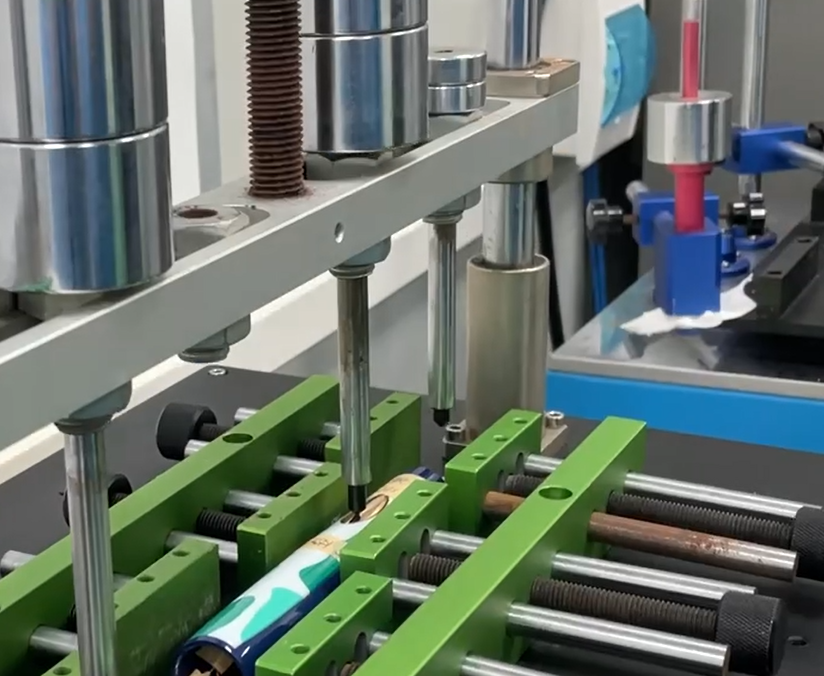
Ensuring high-quality electric toothbrushes is crucial for both manufacturers and consumers. A well-manufactured toothbrush not only enhances the user experience but also plays a vital role in maintaining oral health. For an ISO-certified manufacturer, adhering to strict electric toothbrush quality control processes is essential to meet global safety and performance standards. This blog will explore the manufacturer quality control process and highlight five essential testing standards that every oral care quality control program should follow. Material Safety and Compliance Testing The first step in quality control is ensuring that all materials used in electric toothbrush production are safe, non-toxic, and compliant with international regulations. Key factors include: BPA-Free and FDA-Approved Materials: The plastic components, bristles, and rubber elements must be free from harmful substances. RoHS and REACH Compliance: Ensuring that the product is free from hazardous substances like lead, mercury, and cadmium. ISO 10993 Biocompatibility Testing: This standard ensures that materials in contact with the human body do not cause irritation or allergic reactions. Mechanical Durability and Life Cycle Testing A high-quality electric toothbrush should withstand long-term use without mechanical failure. Manufacturer quality control processes should include: Motor Performance Testing: Verifying that the brush maintains consistent power and vibration levels over its lifespan. Drop…
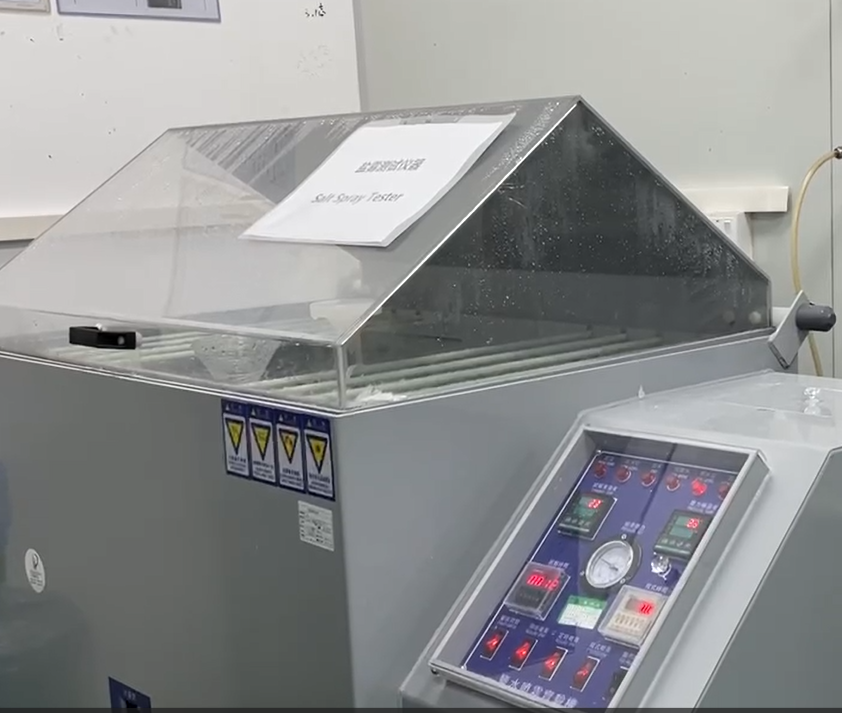
With the increasing demand for high-performance and long-lasting oral care products, waterproof technology has become a crucial factor in the competitiveness of electric toothbrushes and water flossers. Electric Toothbrush Waterproof Patents play a key role in ensuring product durability, preventing water damage, and improving user experience. This article explores how IPX7 Waterproof Technology and patented innovations help overcome the water ingress problem of water flossers, ensuring reliable quality and enhancing brand value. https://www.powsmart.com/about-powsmart/ The Role of IPX7 Waterproof Technology in Electric Toothbrushes One of the most widely adopted waterproof standards in the industry is IPX7 Waterproof Technology. This standard ensures that electric toothbrushes can withstand immersion in water up to 1 meter deep for 30 minutes. Key benefits of incorporating IPX7 waterproofing include: Extended Product Lifespan: Prevents internal circuits from being damaged by water, ensuring long-term reliability. Enhanced User Experience: Allows users to safely use the device in the shower or rinse it under running water without concerns. Improved Market Competitiveness: Products with certified waterproof ratings are more appealing to consumers, driving sales and brand recognition. How Waterproof Patents Provide Competitive Advantages? Patented waterproof technologies give manufacturers a significant edge in the market by offering unique solutions that competitors cannot easily replicate. The benefits…
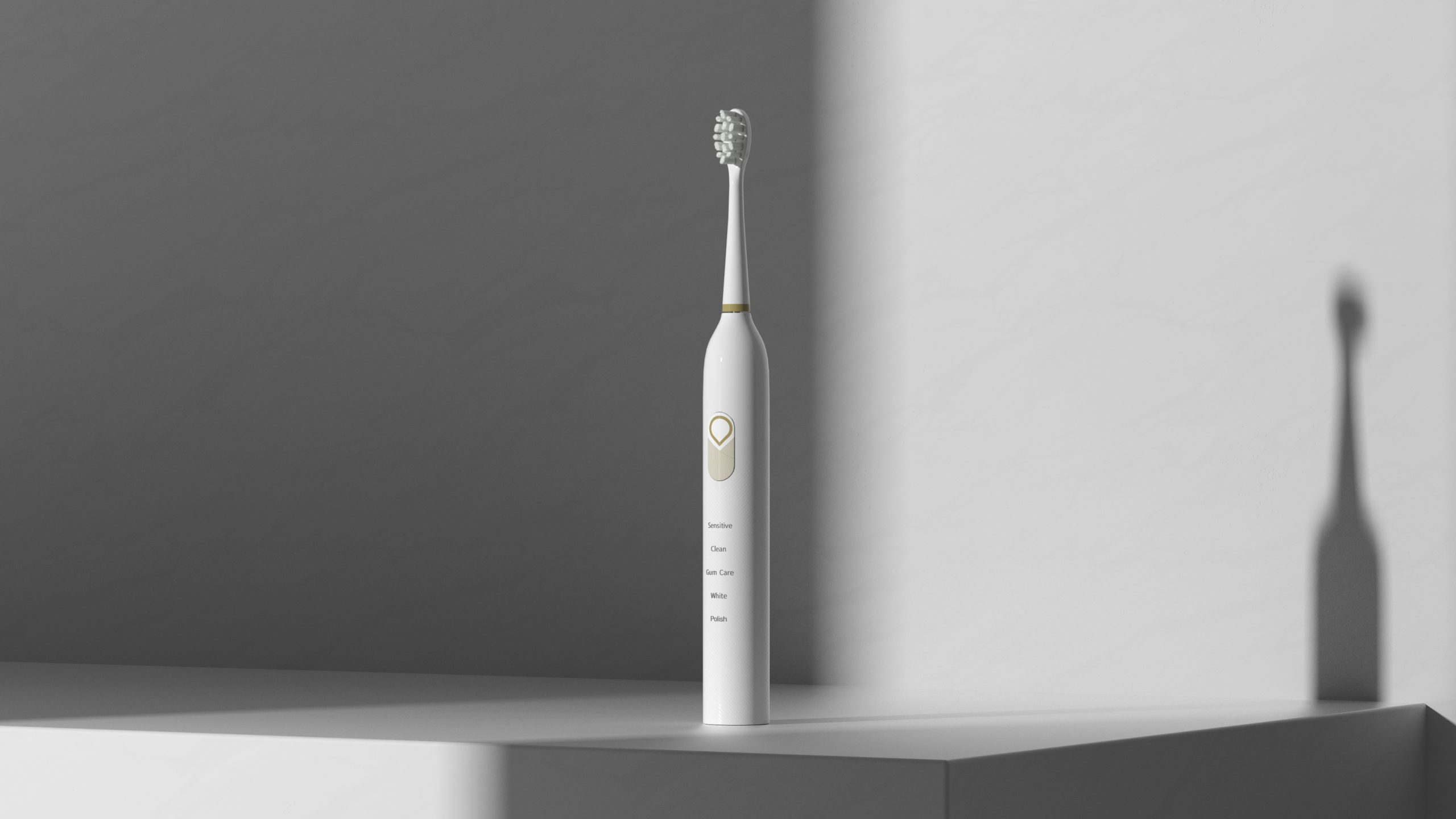
The electric toothbrush market is growing rapidly, and consumers are demanding not only high-performance devices but also aesthetically pleasing and durable designs. As manufacturers, finding the right balance between aesthetics and durability in electric toothbrush precision mold manufacturing is crucial. This blog explores how to achieve high-quality electric toothbrush handle shell customization, the best material choices like ABS/PP material, and how industrial design support plays a key role in developing innovative, durable, and visually appealing products. Material Selection: ABS vs. PP for Electric Toothbrush Shells Choosing the right material is the foundation of manufacturing durable and aesthetically pleasing toothbrush shells. ABS (Acrylonitrile Butadiene Styrene): High impact resistance and durability Smooth surface finish, ideal for premium design Excellent mechanical strength for long-term use PP (Polypropylene): Lightweight and resistant to moisture High flexibility and chemical resistance Cost-effective for large-scale production By selecting the appropriate ABS/PP material, manufacturers can ensure that the electric toothbrush shell meets both design and durability requirements. Precision Molding: Ensuring Consistency and Quality Electric toothbrush precision mold technology is essential for achieving high-quality production. The precision molding process ensures: Consistency in design: Every toothbrush handle shell must have a uniform shape and finish. Minimized defects: Advanced molding techniques reduce warping, shrinkage, and surface…
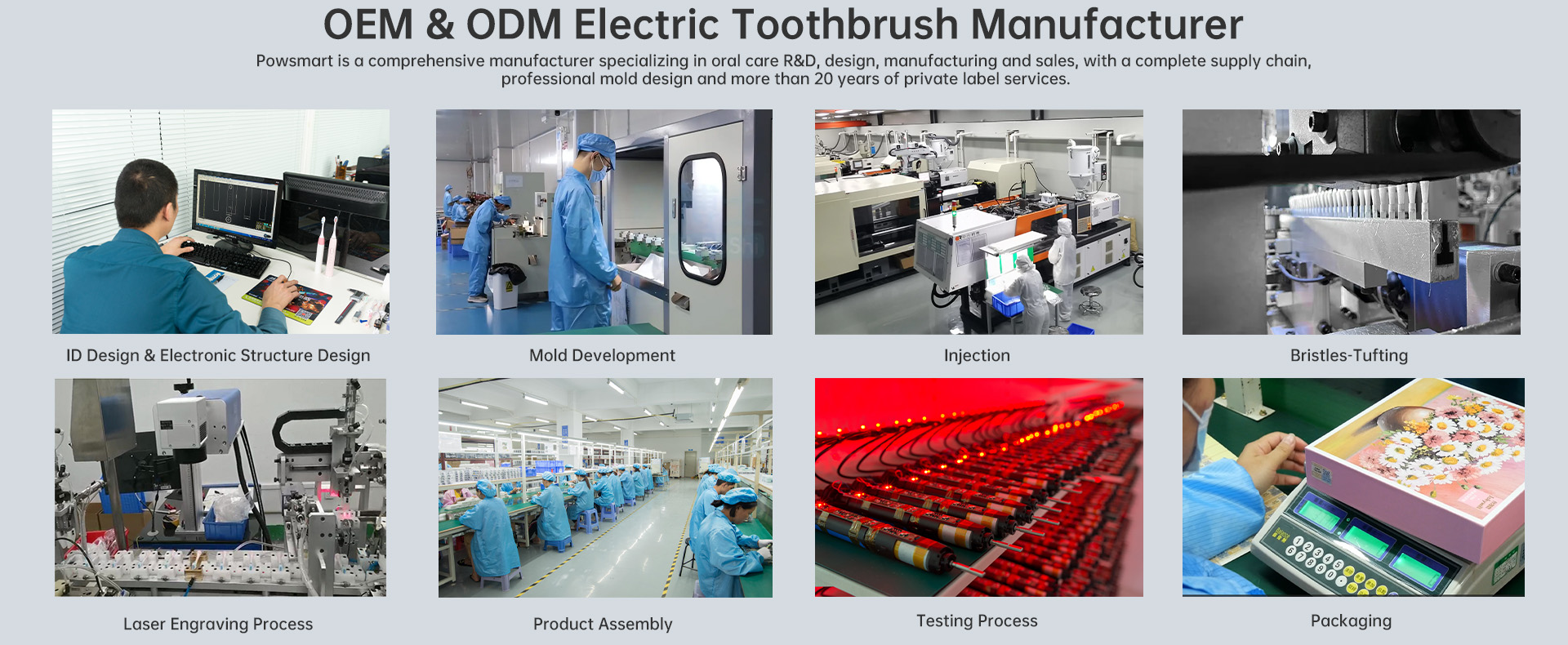
In the competitive oral care industry, finding a trustworthy electric toothbrush manufacturer is essential for brands looking to launch high-quality products. Whether you need Oral Care ODM/OEM solutions or a long-term manufacturing partner, selecting a company with the right expertise and credentials is critical. With 20+ years of manufacturing experience and international certification, we provide reliable, high-quality production for global brands. Here are five reasons why you should choose us as your oral care manufacturing partner.https://www.powsmart.com/ Years of Manufacturing Experience in the Oral Care Industry Experience matters when it comes to precision manufacturing and product innovation. With over 20 years of manufacturing experience, we have:1) A deep understanding of market trends and customer needs2) Proven expertise in producing high-performance electric toothbrushes and oral care products3) A track record of successful partnerships with global brands Our extensive experience ensures that we can deliver high-quality products efficiently, meeting the evolving demands of the oral care industry. Full-Service ODM/OEM Solutions for Your Brand As a professional Oral Care ODM/OEM manufacturer, we provide end-to-end services, including:Product design & development – from concept to mass productionCustom branding & packaging – to enhance your market presenceFlexible manufacturing capacity – to support small and large orders Whether you need a custom-designed electric toothbrush or…


.jpg)
.jpg)
.jpg)
.jpg)
.jpg)



.jpg)