
.jpg)
Light decay is an often-overlooked problem in oral care devices that incorporate LED or laser-based whitening systems. But could it be responsible for triggering allergic dermatitis in end-users? Growing reports from clinical feedback suggest a potential correlation. This raises an urgent question for manufacturers: is the interaction between degrading light components and skin irritation actually a toxic threat? What is Light Decay in Oral Care Devices? Light decay refers to the gradual reduction in output intensity and spectral stability of light-emitting components: LED diodes Laser modules Optical lenses This degradation is caused by: Prolonged heat exposure Internal material breakdown UV damage to protective coatings The consequence? Shifted wavelengths and unwanted heat emissions during operation. Company web: https://www.powsmart.com/product/electric-toothbrush/ Allergic Dermatitis: A Hidden End-User Risk? Allergic dermatitis manifests as skin redness, itching, or inflammation after exposure to certain allergens or irritants. In oral whitening systems, it may result from: Overheating of device surface areas Leakage of degraded materials Unstable light wavelengths causing phototoxic reactions When light decay destabilizes emission properties, photobiological safety can no longer be assured, potentially leading to skin irritation even in previously unaffected users. Could Light Decay Create a Toxic Risk? Unlike typical device wear, light decay can alter…
In the oral care industry, reports of pulp irritation coupled with allergic reactions during whitening or cleaning treatments are increasingly concerning. While these two issues often appear independently, their combined occurrence raises critical safety questions. Does this combination indicate a product emergency? Let’s explore the root causes and manufacturing solutions. Understanding Pulp Irritation in Oral Care Applications Pulp irritation refers to inflammation or discomfort of the tooth’s inner pulp tissue. It generally results from: Excessively acidic or alkaline formulations Prolonged chemical exposure during whitening Mechanical abrasives in toothpaste or gels Thermal sensitivity triggered by poorly controlled LED devices Pulp irritation leads to sharp pain or lingering sensitivity, often indicating compromised enamel or dentin barriers. Why Allergic Reactions May Occur Simultaneously Allergic reactions during oral treatments can manifest as gum swelling, redness, itching, or even systemic responses such as rashes. These reactions typically stem from: Flavoring agents or coloring additives in gels Residual monomers in polymer-based components Inadequate rinsing agents or preservatives Latex or certain silicones used in applicators or trays When combined with pulp irritation, allergic symptoms may be misdiagnosed as general oral discomfort, delaying proper intervention. Company web:https://www.powsmart.com/product/electric-toothbrush/ Are Pulp Irritation and Allergic Reactions Linked? Although pulp irritation and…
In the realm of oral care manufacturing, complaints about nozzle clogging combined with tray deformation are increasingly common. Though seemingly unrelated, these two failures often occur together, suggesting deeper systemic design weaknesses. Is this coincidence, or does the root cause lie within product architecture? In this blog, we explore why nozzle clogging and tray deformation may both point to a preventable design flaw. Understanding Nozzle Clogging: A Critical Performance Issue In devices like water flossers and whitening applicators, nozzle clogging is a frequent issue that directly impacts user experience and product efficacy. Clogging is typically caused by: Residue buildup from whitening gels or mineralized water Gel crystallization or improper viscosity Micro-debris accumulation due to ineffective filtration Blocked nozzles result in inconsistent spray patterns, uneven gel delivery, and eventual product failure, leading to end-user dissatisfaction and increased warranty claims. Tray Deformation: Why Structural Integrity Matters Tray deformation, commonly reported in whitening trays or holding fixtures, usually stems from: Poor material selection, especially under thermal load Uneven pressure distribution during molding or use Exposure to concentrated chemicals like peroxide gels Repeated heating cycles in devices without heat-stabilized polymers Once deformed, trays fail to hold gels or position correctly in the oral cavity,…
In recent user surveys involving oral care devices, particularly toothbrushes and whitening tools, one recurring complaint has drawn attention: tongue irritation after repeated use. Upon deeper investigation, one subtle but critical factor stands out—cleaning residue. Whether from manufacturing, post-assembly processes, or insufficient end-product flushing, leftover surfactants or particulate contaminants may be causing discomfort in the most sensitive areas of the mouth. So, is this issue preventable? And what can manufacturers do to eliminate the risk at the source? What Exactly Is Cleaning Residue? Cleaning residue refers to traces of chemical agents, particles, or detergent-based solutions that remain on product surfaces after manufacturing. These are often the result of: Incomplete rinsing after ultrasonic cleaning Excessive use of alcohol or surfactants in final sanitation Poor drying or packing in humid environments Use of low-purity water in the cleaning phase For oral care products, especially those in direct contact with mucosal tissue (e.g. brush heads, whitening mouthpieces, tongue scrapers), even trace residue can become problematic. Why the Tongue Is So Vulnerable to Irritation The tongue contains thousands of exposed taste buds and nerve endings. It's also in frequent motion and contact with oral care devices, making it especially susceptible to irritants. When cleaning…
In high-frequency oral care devices, unexplained taste alteration during or after use is an increasing concern. Surprisingly, recent engineering investigations suggest that sync disruption within device control systems might be a hidden driver behind this sensory side effect. Could this be a minor tech glitch, or is it a critical product design oversight? Understanding this connection is key for manufacturers seeking to eliminate customer complaints and enhance product safety. What Is Sync Disruption in Oral Care Devices? Sync disruption refers to the loss of synchronized control between various functional components in electronic oral care devices, including: Motor speed and pulse control systems Fluid delivery and vibration modules LED light emission timing relative to fluid release Typical causes of sync disruption include: Firmware errors or clock drift in control boards Magnetic interference disrupting motor control Low battery voltage triggering unstable pulse frequencies While often overlooked, these disruptions directly alter how energy, fluids, or light are delivered during use. How Does Sync Disruption Lead to Taste Alteration? Though seemingly unrelated, taste alteration can indeed stem from sync disruption, through several pathways: Erratic fluid pulses may concentrate gel residues unevenly on oral tissues, altering perceived taste. Inconsistent LED or thermal output can cause…
In the precision-driven world of oral care devices, user comfort is the ultimate benchmark. Yet, an increasing number of consumers report noise disturbance paired with sudden sensitivity spikes—a combination that transforms what should be a soothing hygiene ritual into an unbearable experience. While each issue alone is problematic, their overlap often points to deeper engineering flaws in sound insulation, vibration control, and motor stability. In this blog, we’ll examine how manufacturers can identify, prevent, and solve these twin pain points—before they impact end-user trust or B2B partner confidence. What Is Noise Disturbance in Oral Care Devices? Noise disturbance refers to the excessive or irregular sound output of devices such as sonic toothbrushes, water flossers, or whitening tools. Unlike steady operational hums, disturbance is usually: High-frequency buzzing Sudden pitch changes during usage Mechanical rattling from inside the casing Harmonics transmitted through brush heads or nozzles These sounds are often amplified when used in confined environments like bathrooms, especially during early mornings or late evenings, compounding the user’s perception of discomfort. Sensitivity Spikes: More Than Just a Minor Sting Sensitivity spikes refer to sudden, sharp discomfort felt on the teeth or gums—typically triggered by abrupt changes in device vibration, fluid pressure, or…
In professional oral care devices, pH imbalance and biofilm regrowth are two persistent yet often underestimated challenges. Manufacturers typically address these issues separately. However, mounting evidence suggests that these two phenomena may form a vicious cycle — where improper pH control fosters biofilm regrowth, which in turn further destabilizes pH levels. Could this cyclical problem be undermining device hygiene and patient outcomes? This article explores the mechanisms and solutions. Understanding pH Imbalance in Oral Care Systems pH imbalance refers to deviations from the optimal pH range (typically between 5.5 and 7.0) within device fluid systems. In oral irrigators, whitening applicators, or water flossers, pH instability can result from: Residual peroxide or acidic whitening agents Saliva contamination introducing proteins and enzymes Poorly buffered cleansing fluids Repeated usage without effective rinse cycles When fluids remain too acidic or alkaline, they not only irritate tissues but also disrupt normal biofilm control mechanisms. Biofilm Regrowth: A Persistent Hygiene Concern Biofilm regrowth occurs when bacterial communities re-establish themselves on internal surfaces of oral care devices after incomplete cleaning. Factors promoting regrowth include: Micro-rough surfaces in fluid paths Stagnant water zones encouraging microbial adhesion Infrequent or ineffective sterilization protocols Nutrient residues from oral fluids or gels…
Many manufacturers of rechargeable devices are noticing a recurring issue during product usage: a gradual runtime shortening even when the battery is not yet at the end of its cycle life. One frequently suspected cause is battery memory — a phenomenon often misunderstood or overlooked. But are these two issues truly connected? This blog explores the relationship between runtime degradation and memory effect, and provides insights on how manufacturers can address this potential performance risk through informed design and quality control. Understanding the Concept of Runtime Shortening Runtime shortening refers to a device’s decreasing ability to maintain its intended performance duration after a full charge. In the context of electric toothbrushes, water flossers, or whitening systems, this means less cleaning time or lower motor efficiency—both of which can negatively impact the end-user experience. While aging batteries are a common culprit, devices with relatively new battery packs have also exhibited runtime drops, prompting further technical analysis. Company web: https://www.powsmart.com/product/electric-toothbrush/ What Is Battery Memory? Battery memory (also known as the memory effect) is a condition historically associated with nickel-cadmium (NiCd) batteries, wherein the battery “remembers” a shorter discharge cycle if it’s repeatedly recharged without full depletion. Over time, this partial charging habit can…
.jpg)
The oral care market in Southeast Asia is experiencing rapid growth, fueled by economic development, increased health awareness, and rising consumer spending. As one of the most dynamic emerging markets for oral care, Southeast Asia presents compelling opportunities for global brands looking to expand their footprint or establish regional manufacturing operations. This blog explores the trends, demand shifts, and manufacturing opportunities in Asia that oral care product companies should pay attention to. Rising Demand for Oral Hygiene Products Across ASEAN nations, awareness of dental health is climbing steadily due to educational campaigns, urbanization, and improving access to healthcare. Countries like Indonesia, Vietnam, Thailand, and the Philippines are seeing significant growth in the consumption of oral hygiene products, such as electric toothbrushes, toothpaste, floss, and mouthwash. Key drivers include: A growing middle class with disposable income Increased consumer preference for premium personal care products Government-backed oral health programs in schools and rural areas This shift in behavior signals a long-term growth trajectory for the oral care market in Southeast Asia. Key Southeast Asia Dental Trends Brands Should Know To succeed in this region, it's crucial to understand the evolving Southeast Asia dental trends. Some notable patterns include: Natural & Herbal Ingredients: Consumers…
Enamel scratching and gum irritation are increasingly reported by consumers using advanced oral care devices. While each issue on its own can be manageable, when combined they can lead to cumulative damage that is difficult—and sometimes impossible—to fully reverse. In this blog, we’ll explore whether enamel scratching caused by gum irritation is truly reversible and what steps manufacturers can take to mitigate these problems. How Does Gum Irritation Occur? Gum irritation develops due to several factors: Excessive mechanical pressure from stiff or uneven bristles Improper brushing angles that repeatedly traumatize gum tissue Chemical exposure from whitening agents or disinfectants Once the gums are inflamed, they become more sensitive and prone to bleeding. The Link Between Gum Irritation and Enamel Scratching When users experience gum irritation, they often change their brushing technique subconsciously, applying inconsistent pressure or scraping the enamel surface in an attempt to clean more gently.This combination leads to: Micro-abrasions on enamel Localized wear near the gum line Increased exposure of dentin tubules, heightening sensitivity Over time, the protective enamel layer becomes thinner and rougher. Is Enamel Damage Reversible? Unlike gum tissue, which can regenerate to some extent, enamel does not regrow once it is worn away. While remineralization…
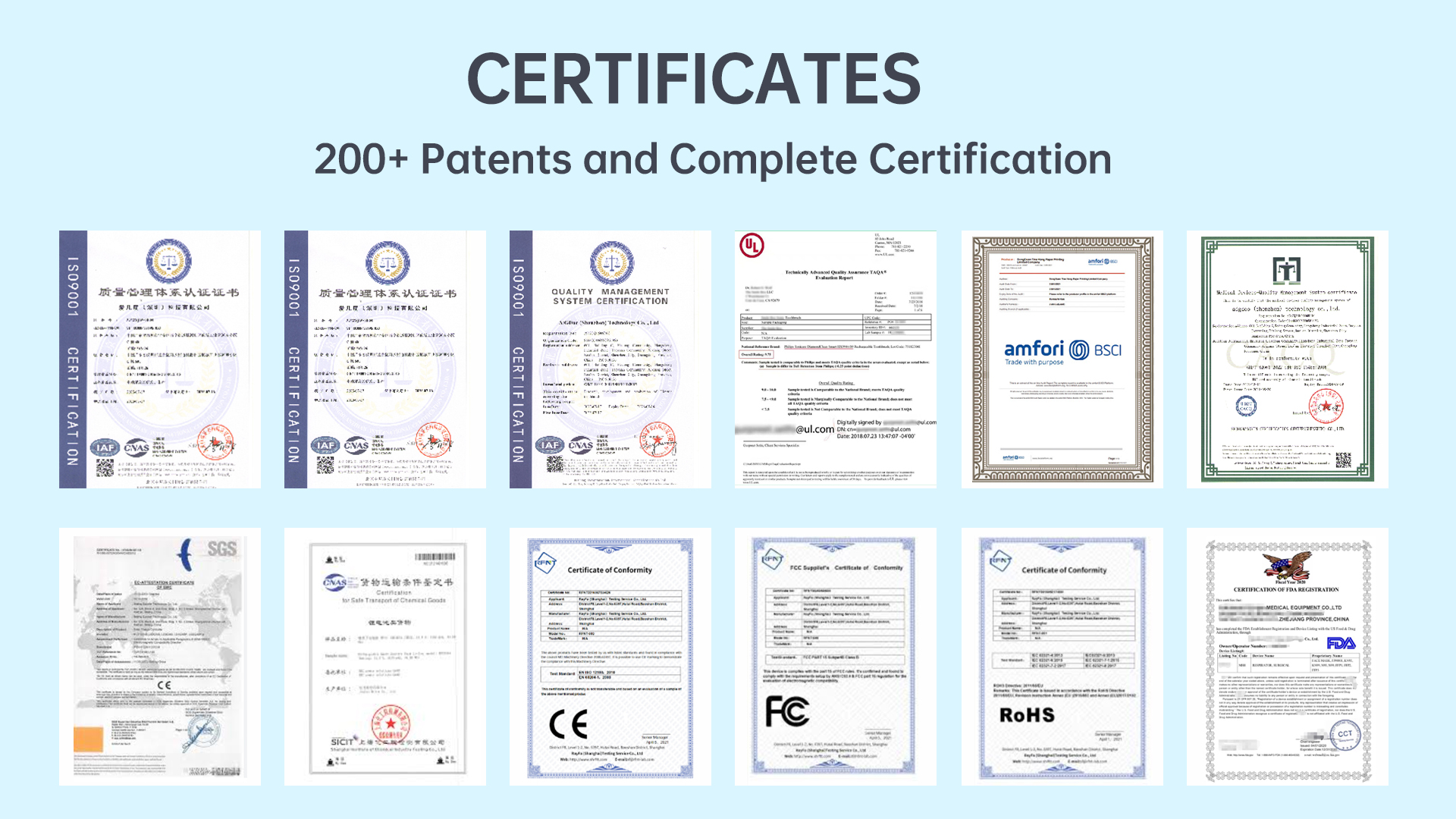
In today’s global oral care market, product safety, quality, and regulatory compliance are top priorities for brands looking to establish long-term consumer trust. One critical factor in identifying the right manufacturing partner is evaluating whether the factory holds FDA certification. Understanding the importance of FDA certification can help oral care brands mitigate compliance risks, ensure product quality, and build a competitive advantage in regulated markets like the U.S. In this blog, we explore the top advantages of cooperating with FDA certificated factories, and how this strategic decision can drive product success and brand credibility. Ensured Product Safety and Regulatory Compliance The importance of FDA certification lies in its role as a global benchmark for health and safety. Factories with FDA certification comply with the U.S. Food and Drug Administration’s rigorous standards for manufacturing practices, facility cleanliness, material traceability, and product testing. This means: Products are manufactured in a hygienic, controlled environment. Materials used are verified to be safe and non-toxic. Processes are traceable and accountable, reducing the risk of recalls or non-compliance. When partnering with an FDA certificated oral care factory, brands can confidently market products in the U.S. and other regulatory-intensive markets without the fear of legal complications or quality failures.…
In the rapidly evolving market of oral care devices, particularly electric toothbrushes and whitening applicators, cases of brush discoloration combined with hydrogen peroxide burns are becoming a concern for both users and manufacturers. While these issues may appear superficial at first glance, ignoring them could expose end-users to safety risks and damage the brand's reputation. But is this truly something manufacturers can afford to overlook? What Causes Brush Discoloration? Brush discoloration often results from repeated exposure to whitening gels containing hydrogen peroxide. Factors contributing to this include: High concentrations of peroxide that degrade bristle materials; Heat generated during device operation, accelerating chemical breakdown; Poor-quality bristle polymers that react easily with oxidizing agents. Over time, this leads to noticeable yellowing, fading, or spotting on the brush head—clear signs that chemical damage is taking place. How Hydrogen Peroxide Burns Occur In parallel, hydrogen peroxide burns can affect the user’s soft tissues—particularly gums and lips—when whitening agents leak or are improperly applied. Such burns typically arise from: Overfilled whitening trays or misaligned applicators; Gel seepage caused by poorly fitting devices; Excessive peroxide concentration without proper neutralizing agents. These burns manifest as irritation, whitening of the mucosa, or even pain—and in severe cases, tissue…
In the competitive world of oral care device manufacturing, even minor design or production flaws can trigger unexpected user complaints. Recently, customer feedback has highlighted a curious pairing: taste alteration following tray misalignment in teeth whitening kits. While it may seem like a coincidence, this phenomenon deserves closer inspection from both a design and safety perspective. Could this be an early warning sign of deeper product faults? What Is Tray Misalignment and How Does It Occur? Tray misalignment typically refers to a whitening tray failing to properly conform to the user’s dental arch. This issue can stem from: Poor mold design that doesn’t match universal dental shapes; Low-grade, inflexible materials that distort under pressure or heat; Inaccurate production tolerances during injection molding or thermoforming. A misaligned tray does not sit flush with the teeth, resulting in improper distribution of whitening gel across the enamel surface. Why Does Tray Misalignment Lead to Taste Alteration? When a whitening tray fits poorly, taste alteration becomes a likely side effect for several reasons: Gel leakage: Whitening gel may spill over onto the tongue or soft tissues, where peroxide-based agents create a bitter or metallic aftertaste; Uneven application: Certain areas receive more gel than others,…
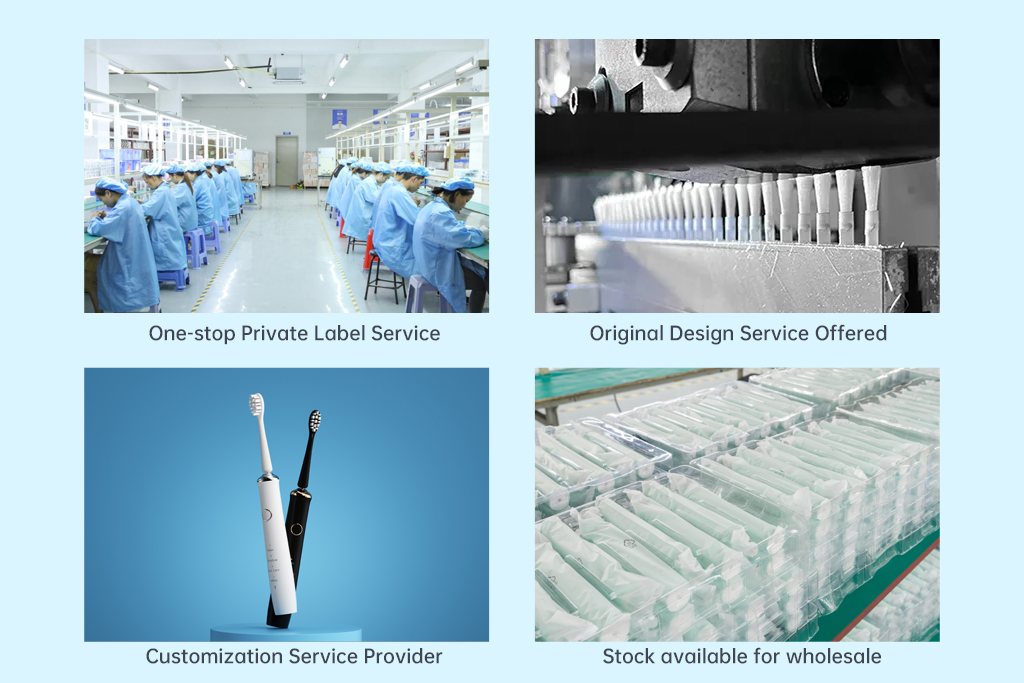
The global oral care market is experiencing rapid growth driven by rising health awareness, aesthetic demands, and the popularity of functional and personalized products. For oral care brands, product stagnation can quickly lead to a loss in market share. To stay relevant and profitable, continuous oral care product expansion is not just an option—it’s a strategic necessity. This blog explores why introducing new products regularly is vital for oral care brands expansion, how partnering with an oral care OEM can accelerate this process, and how innovation directly impacts sales and brand influence. Meeting Consumer Demand and Behavior Shifts Consumer expectations in oral care have moved far beyond basic hygiene. Today’s users are looking for: Whitening and sensitivity-targeted solutions Eco-friendly and natural ingredient formulations Smart and connected devices Compact, travel-friendly kits To keep up with these shifts, brands must proactively update their portfolios. Oral care product expansion—through both device and formulation innovation—is the key to capturing new customer segments and retaining existing users. Failure to innovate often results in loss of shelf space, declining customer loyalty, and reduced engagement. Boosting Brand Competitiveness Through Innovation Consistent innovation fuels brand relevance. Whether through advanced sonic technology in electric toothbrushes or water-saving systems in oral irrigators, innovation…
In today’s competitive market, oral care brands must constantly innovate to remain relevant. With increasing consumer demand for comprehensive dental solutions, oral care product expansion is no longer optional—it’s a strategic imperative. From electric toothbrushes to trending oral devices like water flossers, tongue scrapers, and whitening tools, diversification opens the door to new market segments, higher customer retention, and stronger brand positioning. This blog will explore how dental brands can expand product line strategically, supported by smart OEM/ODM collaboration, and align with current market trends for long-term growth. Analyze Market Trends and Consumer Needs Before introducing new products, brands must begin with thorough market trend analysis. The oral care market is shifting rapidly due to factors like: Growing awareness of preventive dental care Rising demand for smart and connected devices Interest in eco-friendly and travel-friendly oral hygiene products Tracking trending oral devices—such as ultrasonic toothbrushes, cordless oral irrigators, and UV sterilizers—can reveal untapped opportunities. Matching these trends with specific consumer pain points ensures your product development is need-driven rather than guesswork. Identify Strategic Gaps in Your Current Product Line Successful dental brand diversification requires more than simply adding more SKUs. Brands should evaluate their current offerings to identify: Missing categories (e.g., floss alternatives…
When consumers use teeth whitening products or oral hygiene devices that release bleaching agents such as hydrogen peroxide, they may unexpectedly experience tongue numbness due to hydrogen peroxide burns. Is this sensation a typical and temporary side effect, or a signal of underlying product design flaws? For manufacturers and OEM suppliers, understanding this connection is essential to ensure product safety, user comfort, and market trust. The Cause of Hydrogen Peroxide Burns in Oral Care Products Hydrogen peroxide is widely used for its strong antibacterial and whitening properties. However, if its concentration exceeds safe limits or if the delivery system malfunctions—such as improper gel release or faulty applicator tips—hydrogen peroxide burns can occur. These burns damage the soft tissues of the mouth, including the tongue, leading to discomfort and possible tissue irritation. Inadequate control over hydrogen peroxide exposure, often due to poor formulation or defective applicators, significantly raises this risk. Why Does Tongue Numbness Follow Hydrogen Peroxide Burns? Following a hydrogen peroxide burn, users frequently report tongue numbness, which can last from a few hours to several days depending on exposure severity. This numbness results from the chemical’s aggressive interaction with nerve endings on the tongue's surface. Manufacturers must note that…
In the highly competitive oral care market, finding the right Oral Care Product Manufacturer is critical for any brand seeking to deliver safe, effective, and market-ready products. Whether you’re launching a new line of electric toothbrushes, oral irrigators, or whitening solutions, the choice of manufacturing partner can determine your product’s success—or failure. To streamline your decision-making process, we’ve created the ultimate checklist for evaluating a manufacturer, helping you identify quality dental suppliers who can act as your reliable OEM partner. Certification and Compliance: Look for an FDA-Certified Factory The first item on your checklist should be regulatory compliance. A reputable manufacturer should operate an FDA-certified factory and adhere to ISO standards relevant to medical or oral care devices (e.g., ISO 13485 for medical-grade production). What to check: FDA registration or certification documentation ISO certifications (especially ISO 13485 or ISO 9001) CE, RoHS, or other region-specific compliance (if targeting global markets) These certifications ensure that the manufacturer meets the legal and hygiene standards required to produce oral care products safely. Manufacturing Capabilities and Specialization Not every factory that makes beauty or healthcare products is optimized for oral care. You need a manufacturer that specializes in producing oral care devices such as electric toothbrushes or oral…
In the production and design of personal care devices such as whitening pens, electric toothbrushes, or beauty tools, Gel Leakage and the resulting Chemical Burns have become concerns that manufacturers can no longer afford to ignore. While such issues may seem minor during the design or assembly stage, they carry significant risks for end-users—posing not only personal injury hazards but also potential damage to brand reputation and after-sales costs. What is Gel Leakage and Why Does It Matter? Gel Leakage refers to the unintended escape of liquid or semi-liquid substances from sealed compartments inside a device, such as whitening gel pens or battery-powered beauty applicators. This leakage often occurs due to seal failure, material degradation, or poor design of the containment chamber. When gel leaks from its intended path, it comes into direct contact with surrounding components or even the user’s skin or gums. In worst-case scenarios, this leads to Chemical Burns, especially if the gel formulation includes peroxide, acid, or alcohol-based ingredients intended for controlled application only. Causes Behind Gel Leakage in Devices Several critical factors contribute to Gel Leakage: Seal Deterioration: Over time or due to poor material selection, the sealing components (like O-rings or gaskets) may crack…


.jpg)
.jpg)
.jpg)
.jpg)
.jpg)



.jpg)
.jpg)