
In the lifecycle of electric personal care devices, two seemingly unrelated failures—seal degradation and circuit corrosion—can silently develop and eventually result in a major safety hazard. When the integrity of a device’s sealing system is compromised, it opens a pathway for moisture to infiltrate, initiating corrosion in the circuit board. This degradation chain can lead not only to functional failure but also to serious user risks such as overheating, short circuits, or even battery leakage. Understanding how these failures interact—and how to prevent them—is essential for manufacturers committed to delivering safe, durable products.
Seal degradation typically starts with:
Once degraded, seals can no longer effectively block out moisture, allowing vapor or liquid ingress over time. This breach may seem minor at first but is the first domino in a much larger failure scenario.
When a degraded seal allows water or vapor to enter the device’s internal cavity, it often condenses near the printed circuit board. This leads to circuit corrosion, characterized by:
Such damage is often progressive and may not trigger immediate failure, making it harder to detect during standard post-assembly tests. Company web:https://www.powsmart.com/product/electric-toothbrush/
The combination of seal degradation and circuit corrosion creates risks that extend well beyond mere product malfunction:
This transforms a reliability problem into a potential user safety issue—especially in wet environments like bathrooms.
To avoid this dual-failure scenario, manufacturers should take a systems-level approach:
Such changes not only extend product life but also protect user safety across all usage environments.
Traditional IPX7 or splash resistance testing may not be enough. Instead, leading manufacturers are implementing:
Pairing these tests with corrosion resistance audits helps ensure long-term protection from internal moisture migration.
With growing consumer awareness around product safety and longevity, proactive measures can be turned into selling points:
By actively preventing seal-circuit failure interactions, manufacturers not only reduce return rates but also strengthen trust among B2B buyers and end-users alike.
Yes—seal degradation combined with circuit corrosion can absolutely pose a serious safety hazard, not just a maintenance issue. For OEM and ODM manufacturers in the personal care device industry, understanding this connection is critical. Through better material selection, smarter sealing structures, and more rigorous testing, this risk can be fully mitigated—enhancing product safety, lifecycle value, and customer confidence. Contact us
-3-1024x576.png)
.jpg)
Oral Microbiome Impact from Color Relapse?
Kids Electric Toothbrush Bulk Supplier for Schools and Clinics
Sonic vs Oscillating Electric Toothbrush: OEM Perspective
Wisdom Tooth Pain Flosser | Special Attachments For Impacted Molars
Electric Toothbrush Noise Control Design

Kids Water Flosser Age Guide: When to Introduce and How to OEM the Right Product
How to Stand Out in Dallas Electric Toothbrush Wholesale Market
.jpg)
Which Product Functions and Performances of Water Flossers Are Users Most Concerned About?
Rechargeable Sonic Toothbrush for Clinics – Professional OEM Oral Care Solutions
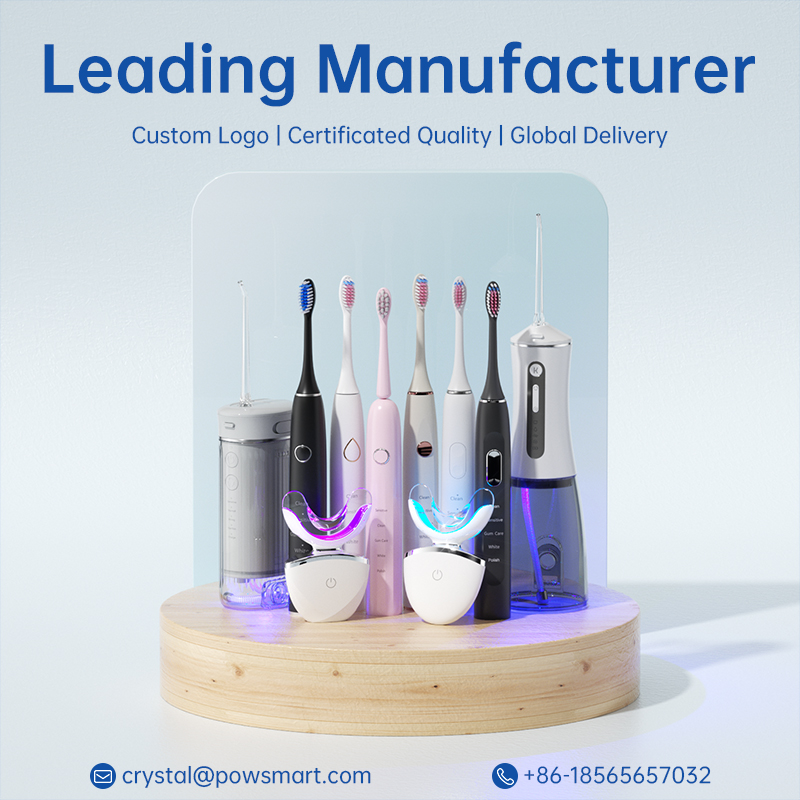
Integrating the Best Light Therapy for Mouth into Your OEM Oral Care Products
Oral Ulcers Fluorosis aggravation? Whitening Device Contraindications!
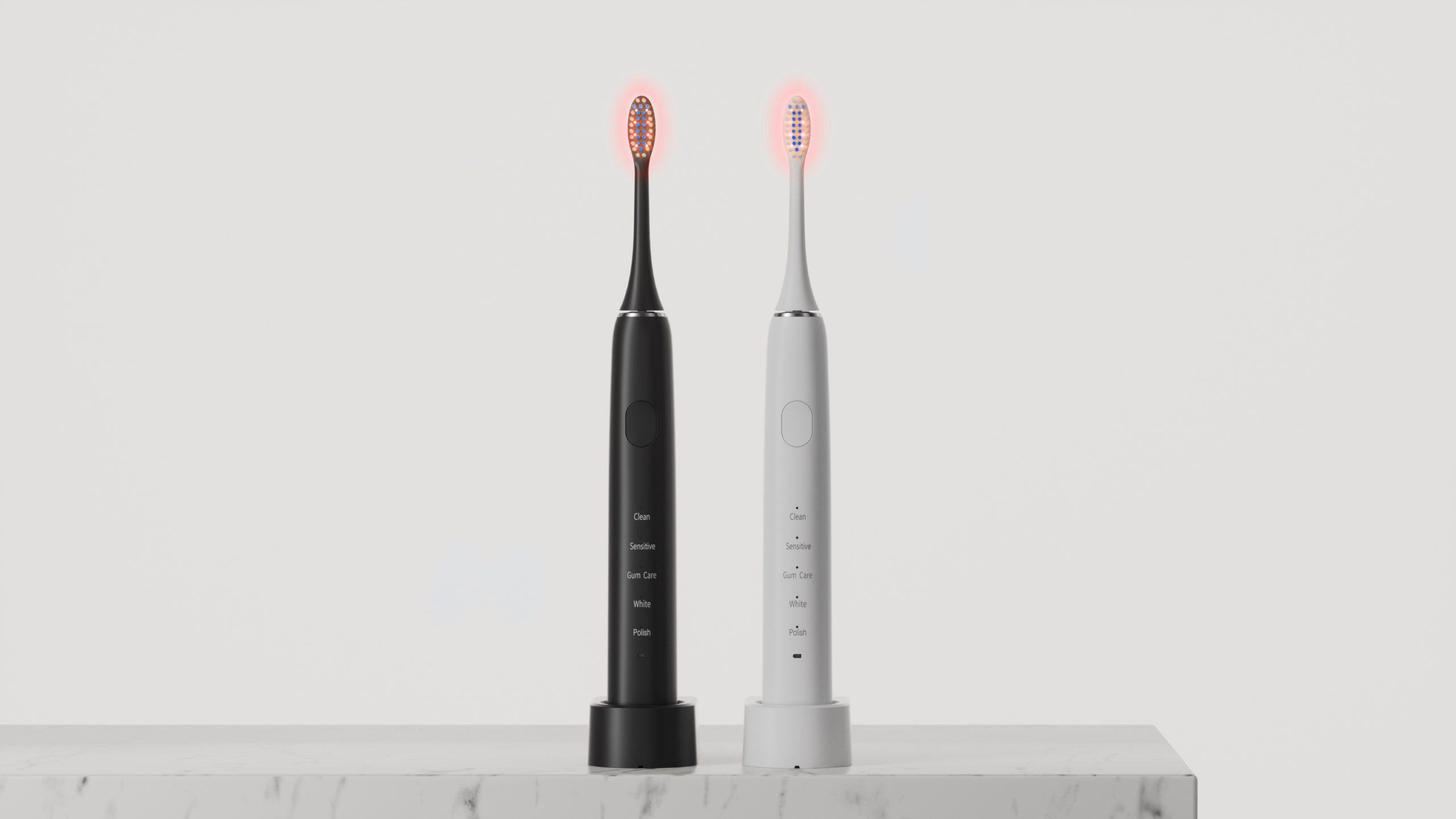
Custom Whitening Toothbrush OEM: Advanced Stain Removal Technology
Best Electric Toothbrush for Family Diwali Gift | Powsmart
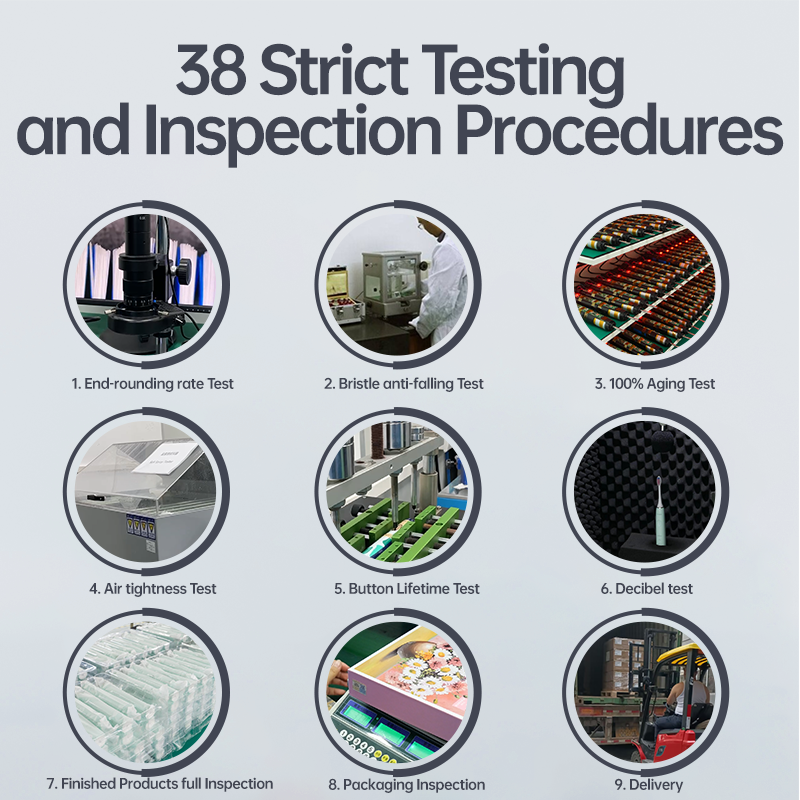
How to Ensure That a Factory’s Quality Control Process is Strict and Standardized
Electric Toothbrush Certification CE RoHS
Crown Compatibility with Pressure Sensors Tech?


.jpg)
.jpg)
.jpg)
.jpg)
.jpg)



.jpg)