In professional oral care manufacturing, preventing enamel scratching during device use is a critical design and quality concern. Increasing evidence shows that tooth porosity—whether natural or treatment-induced—can significantly elevate the risk of enamel abrasion when using mechanical cleaning devices like sonic toothbrushes or whitening applicators. But once enamel is scratched, is the damage truly irreversible? Understanding the interaction between tooth porosity and surface wear helps manufacturers design safer, more consumer-trusted products.
Tooth porosity refers to microscopic pores or structural irregularities in enamel, resulting from:
Porous enamel lacks the uniform hardness of healthy enamel. This makes it more prone to enamel scratching during mechanical brushing, especially with stiff bristles or aggressive polishing heads.
Scratching doesn’t mean deep cuts—it refers to microabrasions at the enamel surface level:
These scratches compromise enamel’s natural smoothness and reflective properties, eventually making teeth appear darker or rough. Company web:https://www.powsmart.com/product/electric-toothbrush/
Unlike soft tissue injuries, enamel scratching cannot self-repair:
Thus, once significant enamel scratching has occurred, the damage is functionally irreversible—making prevention the only real solution.
Manufacturers can protect against enamel scratching, even on porous teeth, through:
These measures help minimize mechanical aggression on enamel, addressing varying tooth porosity across different users.
Effective product validation requires:
By testing devices under varied porosity conditions, manufacturers can proactively mitigate scratching risks before market release.
By addressing enamel scratching risk upfront, brands can:
In sensitive oral care markets, safety-driven design is no longer optional—it’s a competitive differentiator.
So, is enamel scratching from tooth porosity irreversible? In most cases, yes. This makes preventive design and testing critical for manufacturers of oral care devices. By understanding how porosity amplifies abrasion risks and applying targeted design protections, OEM and ODM suppliers can deliver devices that safeguard both aesthetics and long-term dental health. Contact us
.jpg)
.jpg)
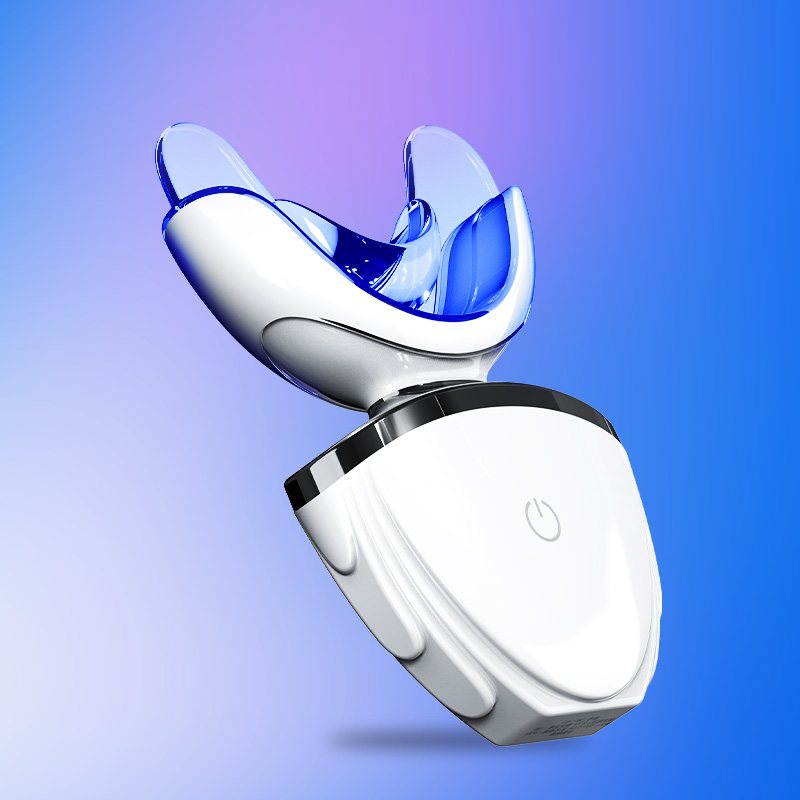
From a Chemical Perspective, Do Teeth Whitening Products Really Work?
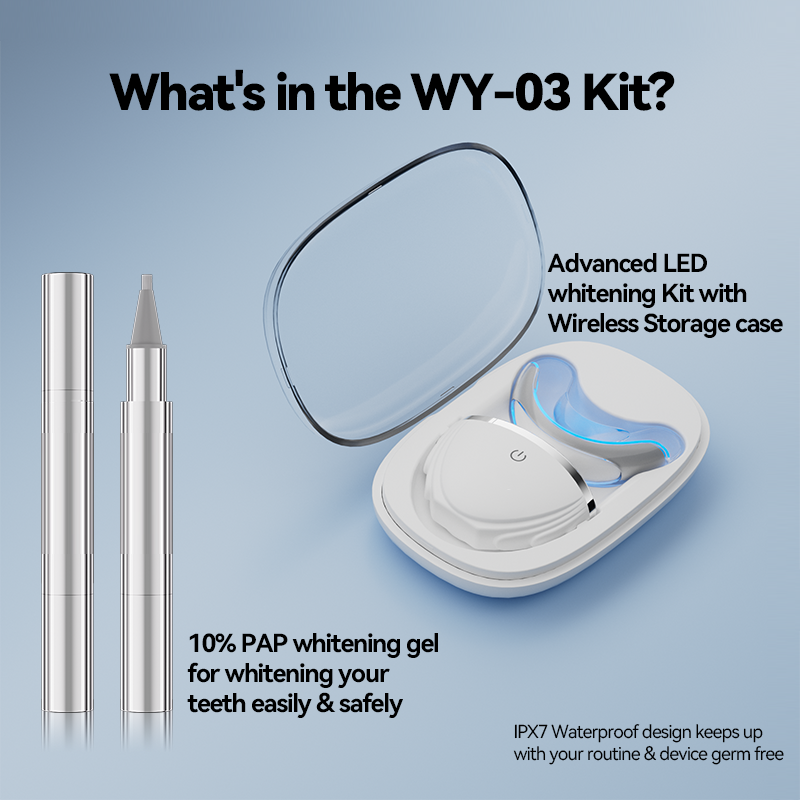
Clinical Results: Effectiveness of Home Teeth Whitening Device results
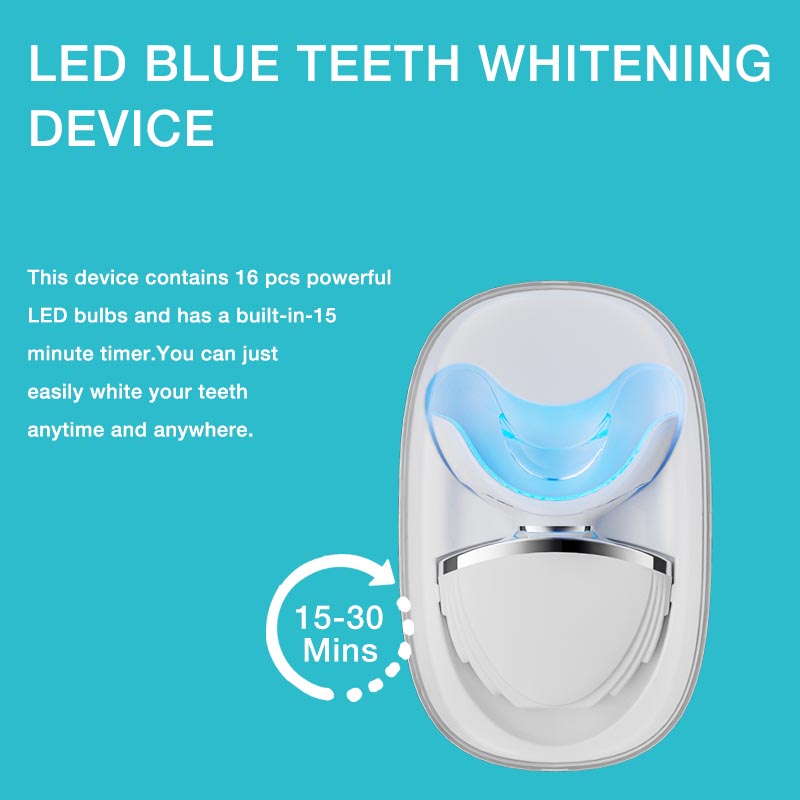
The Competitiveness of LED Teeth Whitening Kit
The Importance of Water Resistance for Teeth Whitening Devices and Anti-Saliva Corrosion Structure
-3-scaled.png)
Portable Teeth Whitening Device: How to Make It the Size of travel friendly but Maintain 100% Effectiveness?
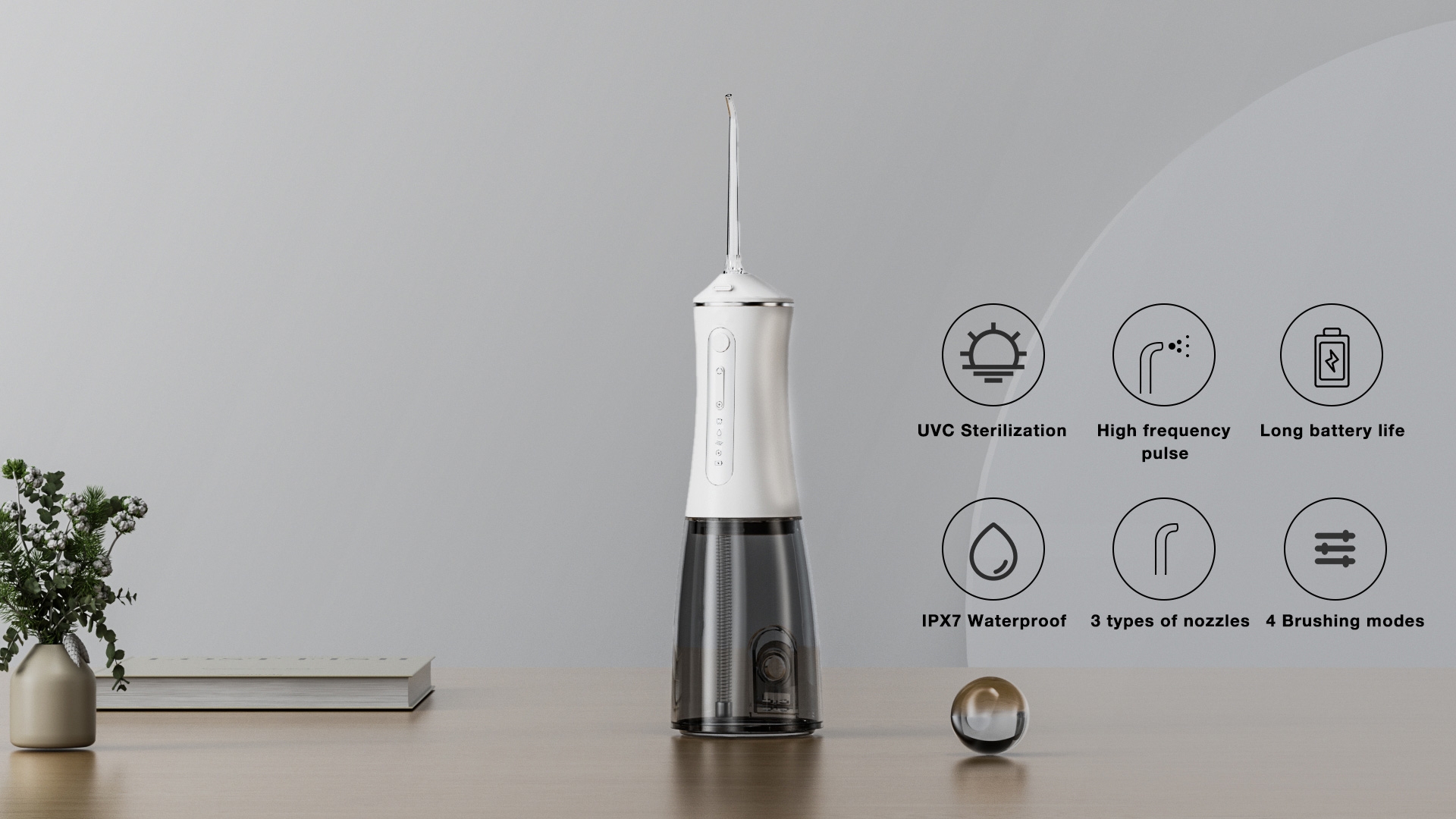
How to get the best MOQ to start a private label water flosser business
Frequency and Tips for Using Your At-Home Mouthpiece Recommended by Your Dentist
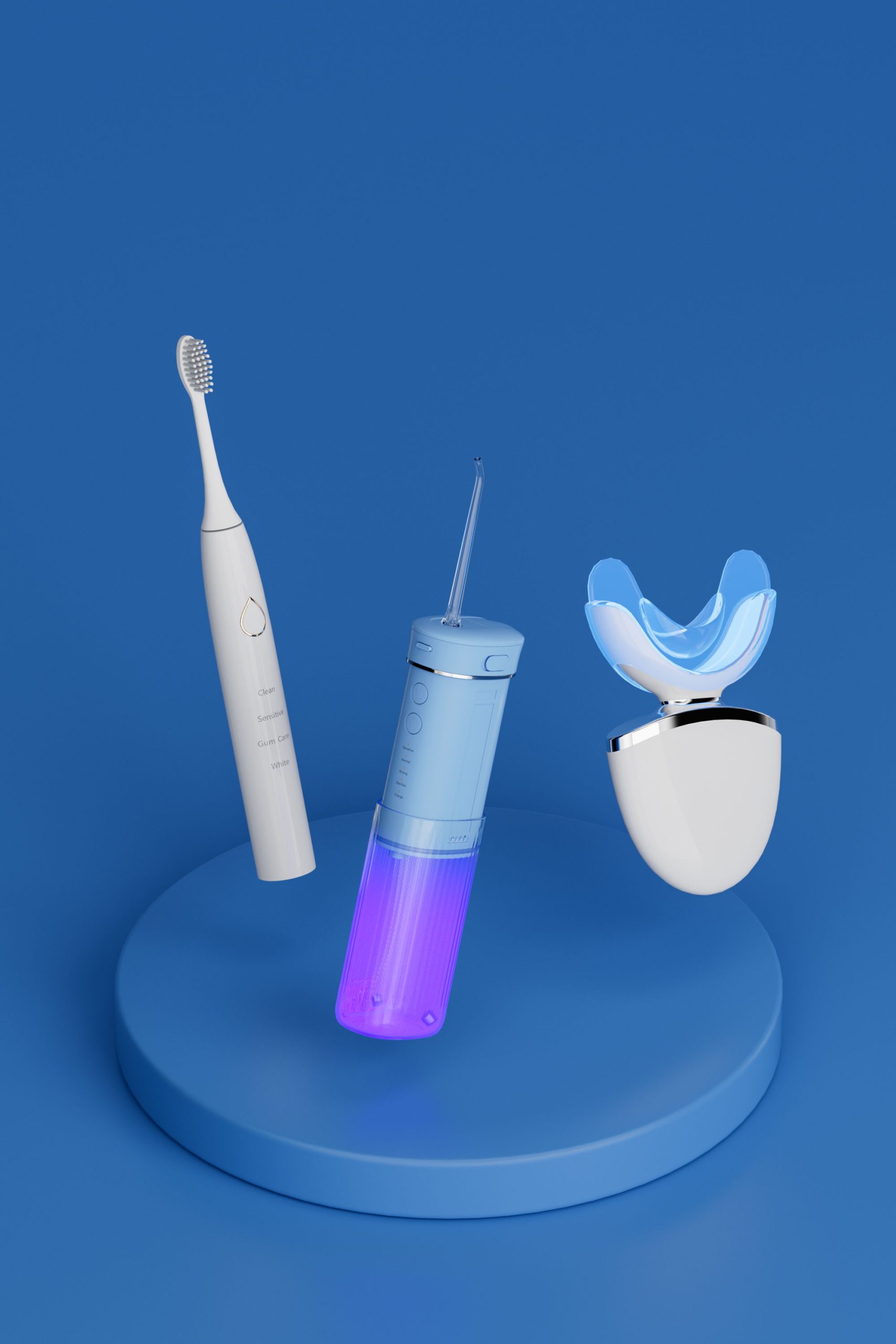
Smile & Confidence: OEM Electric Toothbrushes for Enhanced Dental Aesthetics
New Technical Possibilities for Wireless Teeth Whitening Devices
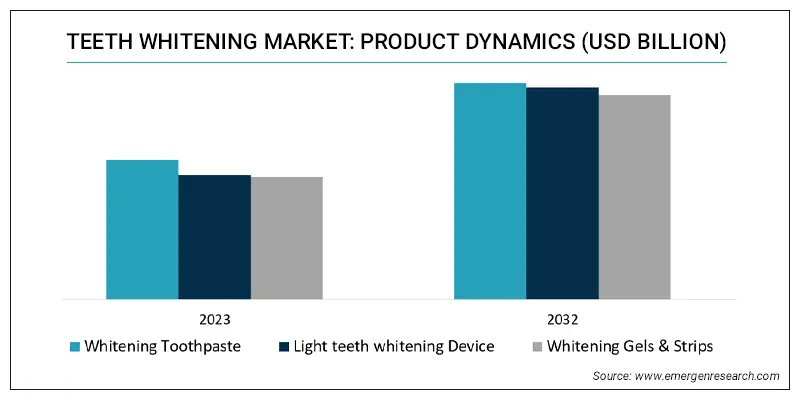
The Growing Potential of the Oral Care Business: Trends, Opportunities & Market Insights
.jpg)
Taste Alteration After Tray Misalignment – Coincidence?
-1-scaled.png)
How Red Light Therapy Boosts Gum Health in Advanced Oral Care Products
Should You Partner with a Teeth Whitening Gel Manufacturing Expert?
What qualifications must a qualified teeth whitening product factory have?
Can Chemical Burns from Whitening Kits Cause Crown Discoloration?

How Long Does It Take for a Teeth Whitening Device to Show Results?


.jpg)
.jpg)
.jpg)
.jpg)
.jpg)



.jpg)