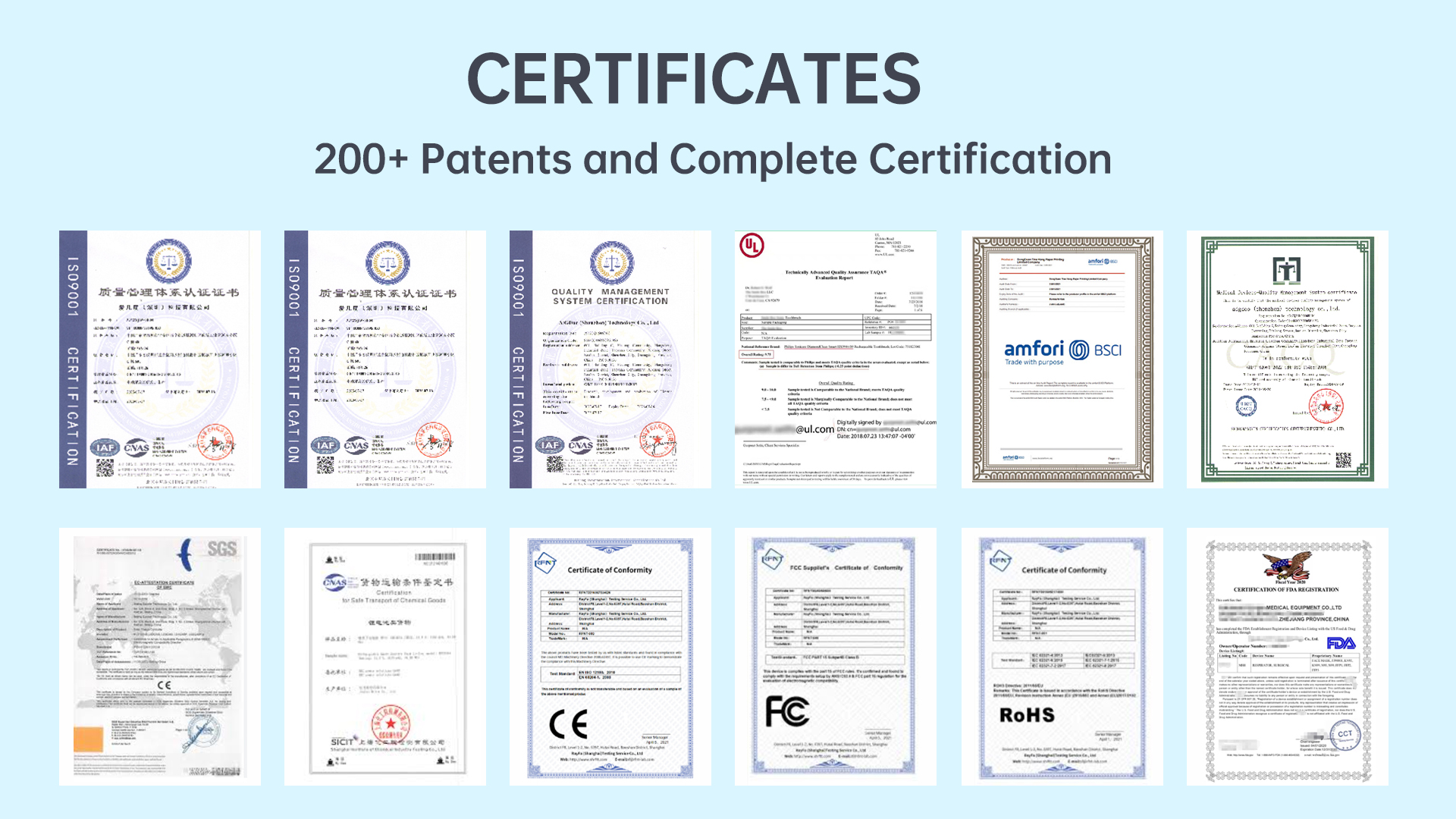
In precision oral care or grooming devices, system-level reliability is key. Yet, in recent OEM failure analysis cases, one hidden yet recurring issue is gaining attention: indicator failure triggered by motor resonance. While at first glance, a blinking light or non-responsive LED may seem like an isolated electrical problem, the root cause often lies in mechanical vibration patterns. How exactly does motor resonance affect indicator circuits, and what can manufacturers do to prevent this cascade failure?
Motor resonance occurs when a motor’s operational frequency aligns with the natural frequency of certain internal components—causing amplified vibrations. These can stem from:
In devices like sonic toothbrushes or water flossers, this phenomenon isn’t just about sound or feel—it creates ripple effects across the electronic subsystems, including the indicator module.
Indicator failure can present in several forms:
Notably, these issues often appear only during active operation—which points toward vibration-induced instability rather than static electrical failure.
How exactly does motor resonance lead to indicator failure? Here’s the underlying mechanism:
This interplay is particularly evident in compact, tightly packed devices where mechanical and electronic systems are in close proximity. Company web:https://www.powsmart.com/product/electric-toothbrush/
Preventing indicator failure due to motor resonance begins with mechanical-electrical co-design. Key strategies include:
Additionally, it’s critical to ensure motor vendors provide frequency stability reports across the operating voltage range.
Beyond design, production-stage and post-assembly QA processes can help catch resonance-linked issues before shipping:
These data-driven tests can be compiled into compliance reports for clients, especially in medical or high-end oral care markets.
By solving this invisible issue, manufacturers can:
For OEM clients, such reliability translates directly to higher customer satisfaction, fewer returns, and longer product lifecycle—which are strong commercial advantages in competitive markets.
Yes, motor resonance can indeed cause indicator failure—not through direct contact, but via vibration fatigue, noise interference, and mechanical-electrical misalignment. For B2B manufacturers, understanding and addressing this hidden failure pathway is essential for ensuring system-level quality. With proper vibration analysis, smart PCB layout, and QA testing protocols, manufacturers can deliver robust, stable products that reflect next-level engineering foresight. Contact us
.jpg)
.jpg)
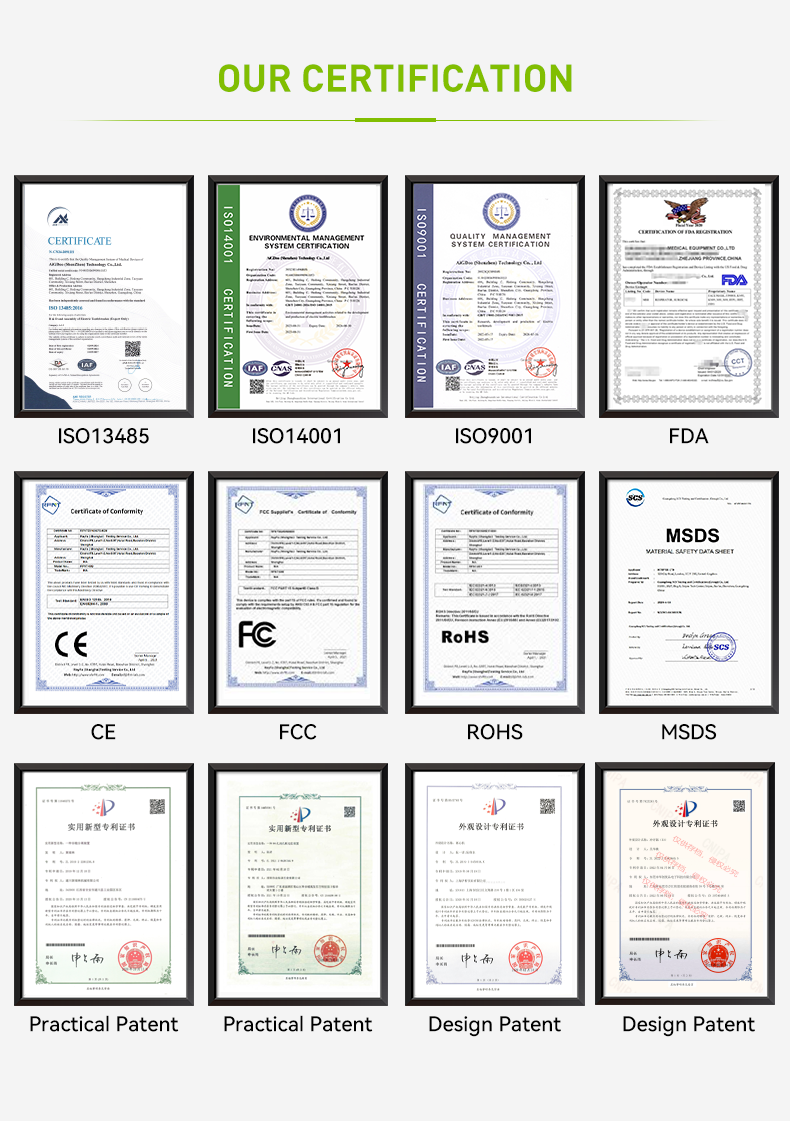
Sourcing B2B Oral Irrigator Replacement Tips or Bulk Water Flosser Nozzles for Your Clinic?
.jpg)
Oral Irrigator with Modularized Design Product | Diversification for Custom Care
ADA Style Electric Toothbrush for OEM Buyers | Gentle, Safe & Professional Sonic Cleaning
Kidney Disease Oral Care | Renal Patients
Bone Medication Oral Care | Water Flossing
Why Do Replacement Part Scarcity Exacerbate Noise Level Spikes?

Family Pack Electric Toothbrush Wholesale USA – Bulk Soft Bristle Sonic Toothbrush Supplier for Families & Retailers
dental sealants water flosser care: keep sealants clean
Rechargeable Electric Toothbrush Manufacturer
Low MOQ Electric Toothbrush OEM
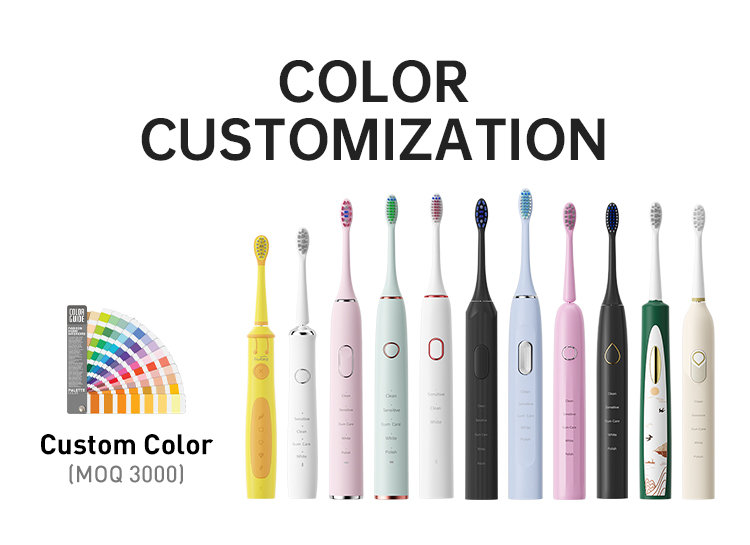
Need a Pilot Production Run Service to Test the Market for Haptic Guidance Feedback Toothbrushes?
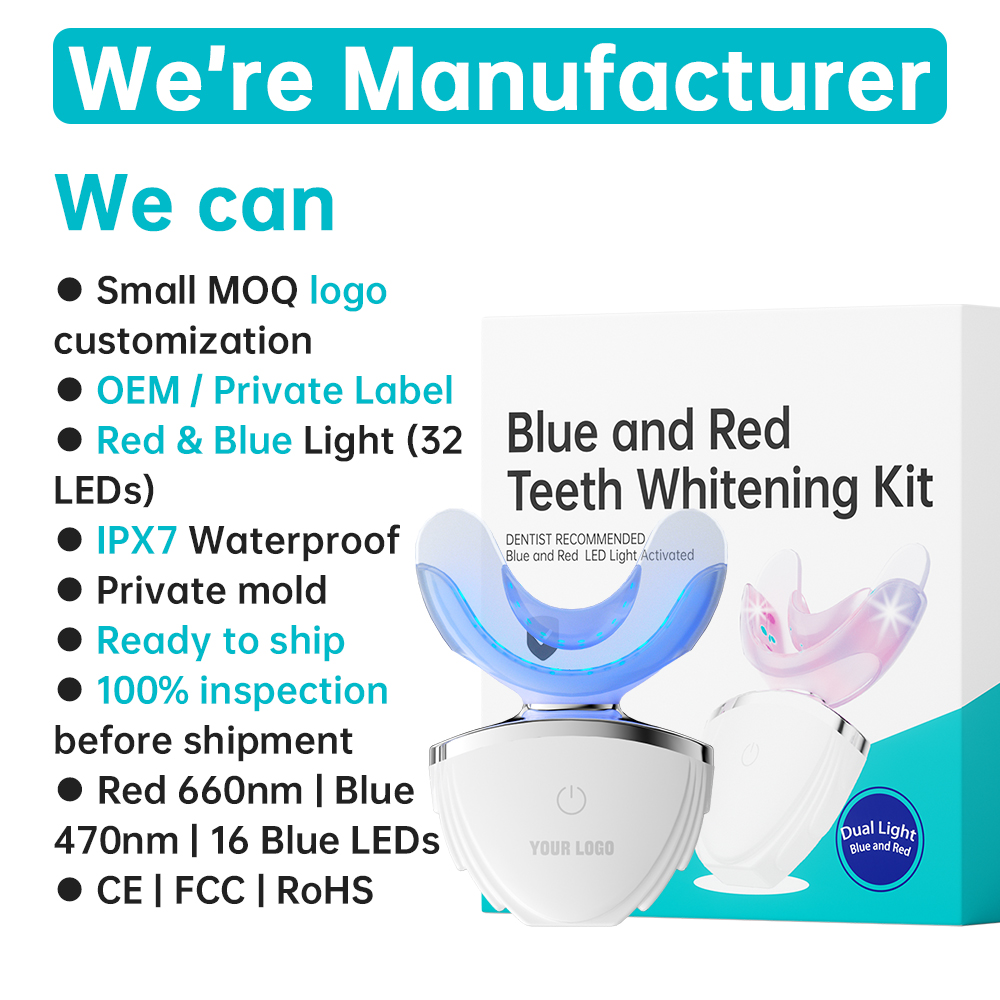
Protecting Your Synthetic Biology for Probiotics Strain: Is Patented Technology Escrow the Solution?
lichen planus water flosser care: gentle cleaning
.jpg)
What’s Next in Smart Toothbrush Technology for Advanced Dental Health Monitoring?
Intrinsic Teeth Stains Whitening Guide | Safe Methods for Deep Stains
Charging Corrosion with Mucosal Lesions – Fatal?


.jpg)
.jpg)
.jpg)
.jpg)
.jpg)