.jpg)
In modern light-activated whitening devices, cold light wavelength not only determines the efficiency of bleach decomposition but also ties directly into the device’s power design—such as Type-C charging, which enables rapid top-ups to sustain high-intensity illumination modes. Below, we explore six key aspects of how wavelength influences photochemical bleaching and offer optimization strategies. Fundamentals of Wavelength and Absorption First, different LED wavelengths produce photons of varying energy, impacting bleaching activation: 400–420 nm (Blue Light): Higher-energy photons that effectively cleave peroxide’s O–O bonds. 420–450 nm (Visible Edge): Matches absorption peaks of many photosensitizers in bleaching gels. 450–480 nm (Deep Blue): Slightly lower photon energy but offers deeper penetration and more uniform scattering. Precisely selecting the cold light wavelength optimizes the initiation of photochemical reactions. Photochemical Mechanisms & Wavelength Dependence Next, peroxide-based or encapsulated bleaching agents require specific photon energies to decompose: Direct Bond Dissociation: 400 nm light most effectively photolyzes hydrogen peroxide. Photosensitizer Excitation: Dyes or catalysts in the gel absorb best around 420–430 nm. Radical Generation: Optimal wavelengths maximize hydroxyl radical (•OH) production, boosting stain breakdown. Thus, wavelength choice directly dictates the primary photochemical pathways of bleach decomposition. Company web:https://www.powsmart.com/product/electric-toothbrush/ Irradiation Strategies: Intensity & Pulsing Beyond wavelength, how you deliver…
When you use teeth whitening device in a professional or retail setting, understanding its design, operation, and best practices is key to maximizing efficacy and customer satisfaction. In this post, we walk through everything from core components to step-by-step usage, safety checks, and maintenance tips—so your channel partners can sell with confidence and support end users effectively. Device Overview: What Makes Our System Unique First, our whitening device combines LED activation with advanced gel delivery: High-Intensity LEDs: Emit the optimal 420–450 nm blue light to catalyze peroxide breakdown. Ergonomic Mouthpiece: Flexible medical-grade silicone ensures even light distribution and user comfort. Integrated Timer & Display: Auto-countdown and real-time progress indicators guide treatment duration. This patented configuration underpins rapid stain removal in just 10–15 minutes per session. Key Components & Their Functions Next, let’s break down each module you’ll encounter when you use teeth whitening device: Control Unit: Houses the power button, mode selector (Standard / Sensitive), and battery display. LED Mouthpiece: Contains embedded light arrays and a diffusion chamber for uniform illumination. Power Base: Supports USB-C or wireless charging, with built-in over-voltage and temperature protection. Whitening Gel Cartridges: Pre-filled, single-use pods formulated for safety and fast activation. Familiarity with these parts…
Recent in-house tests suggest that excessive cold light radiation used in teeth-whitening devices may exacerbate enamel demineralization by creating microthermal effects that weaken surface mineral content. To help B2B partners understand these findings, we’ll break down our lab methodology, key results, and actionable design improvements across six crucial areas. Lab Methodology: Simulating Clinical Use First, we replicated typical at-home whitening protocols under controlled conditions: Light Exposure Cycles: Samples underwent 10-minute blue-light sessions at 420–450 nm, three times daily for two weeks. Demineralization Challenges: After each session, specimens were immersed in acidified saliva analog to mimic oral pH fluctuations. Mineral Analysis: Using microhardness testing and scanning electron microscopy (SEM), we quantified changes in surface mineral density and microstructure. This rigorous setup isolates the specific impact of cold light versus chemical bleaching alone. Key Findings: Mineral Loss Quantified Next, our results revealed a clear trend: 10–15 % Hardness Reduction: Cold-light-exposed enamel showed a 12 % average drop in Vickers hardness compared to non-irradiated controls. Surface Porosity Increase: SEM imaging detected a 20 % rise in micro-pore area, indicating accelerated mineral leaching. Depth of Demineralization: Cross-sectional analysis found demineralized zones extending up to 50 µm beneath the surface, versus 30 µm without light.…
In an increasingly connected landscape of smart oral care devices, sync errors have emerged as an unexpected contributor to taste distortion complaints. What may sound like an improbable connection—digital synchronization failures affecting sensory perception—has become a real issue for manufacturers seeking to deliver consistent, safe user experiences. If your customers are reporting metallic, bitter, or otherwise unusual tastes while using your products, it may be time to look beyond surface-level causes and scrutinize the underlying technology infrastructure. This article explores why sync errors can impact taste perception, what technical factors are involved, and how manufacturers can design more reliable solutions. Understanding the Role of Sync Errors Sync errors occur when internal systems or modules fail to communicate or update in a timely and accurate manner. In modern devices such as smart toothbrushes and whitening systems, synchronization governs: Motor speed modulation Pulsation frequency timing LED activation and intensity Automated session duration When synchronization drifts or fails outright, it can create unpredictable operational patterns. For instance, a misaligned motor pulse can alter the delivery of active ingredients, leading to taste distortion. How Sync Errors Alter Taste Perception Taste distortion often arises indirectly as a consequence of sync errors: Ingredient Dispensing Timing: If…
As more consumers turn to at-home teeth whitening and oral care devices, reports of enamel transparency and unexpected taste loss are raising alarms among manufacturers. These issues not only affect product effectiveness but also pose serious concerns about long-term oral health. Is this damage permanent—or can B2B suppliers mitigate the risks before products reach the market? What Is Enamel Transparency and Why Does It Matter? Enamel transparency occurs when the protective enamel layer on teeth thins or demineralizes, making the underlying dentin more visible. This results in teeth that appear grayish, bluish, or translucent at the edges—an aesthetic flaw that consumers immediately notice. The causes of enamel transparency in whitening products may include: Excessive peroxide concentration; Prolonged exposure to whitening agents; Poor pH balance in gel formulations; Abrasive additives in toothpastes or strips. Left unaddressed, this condition weakens teeth, increasing sensitivity and making them prone to chipping or erosion.Company web:https://www.powsmart.com/product/electric-toothbrush/ How Taste Loss Is Linked to Oral Care Devices Taste loss is a less visible but equally damaging side effect. Users report diminished ability to sense sweet, salty, or sour flavors after using whitening kits or strong mouth rinses. This can result from: Overexposure of oral soft tissues to peroxide…
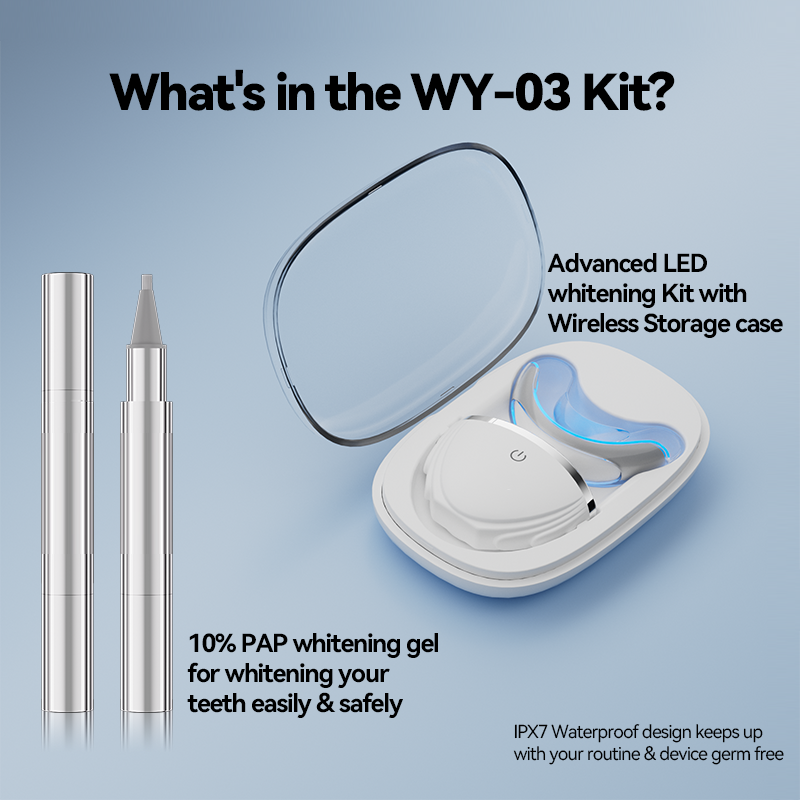
In recent years, wireless tech has reshaped multiple consumer electronics industries — and oral care devices are no exception. From smart electric toothbrushes to wireless teeth whitening devices, the industry is moving rapidly toward a cordless, more seamless user experience. For oral care brands, this shift represents a significant opportunity to differentiate through design, functionality, and performance. Understanding how wireless technology is redefining the space is crucial — especially for companies exploring at-home whitening products manufacturing or seeking a manufacturing partner for their next-gen product line. Wireless Tech & Its Impact on Oral Care Devices The integration of wireless tech has allowed for smarter, sleeker, and more portable oral hygiene products. Here’s how: Bluetooth and App Integration: Devices can now track brushing habits, offer feedback, and even sync with health monitoring platforms. Cordless Operation: No more tangled cords or reliance on charging docks that limit bathroom layout flexibility. Aesthetic and Functional Freedom: Wireless designs allow manufacturers to create compact, ergonomic, and travel-friendly devices without compromising performance. This evolution enhances user convenience—a key driver for consumer satisfaction and loyalty. The Rise of the Wireless Teeth Whitening Device Among the most significant developments in recent oral tech is the wireless teeth whitening device. Consumers are increasingly…
Professional Blue Light Whitening Solutions for Dental Brands In today’s booming oral care market, blue light whitening device wholesale options have become a game changer for brands and distributors. These innovative tools harness LED-based whitening technology to deliver visibly brighter smiles within days. For businesses seeking reliable OEM and ODM support, our platform provides customizable solutions that combine safety, design precision, and long-term durability. The Science Behind LED Whitening Technology Blue light therapy accelerates the breakdown of stubborn stains on enamel, making the process both fast and non-invasive. Compared with traditional whitening strips, light-based systems ensure deeper and more uniform whitening. Moreover, the materials used are clinically tested for safety and comfort. Visit American Dental Association for more research on LED whitening methods and consumer safety guidelines. Why Choose Our OEM/ODM Service Partnering with a dedicated manufacturer gives brands flexibility to tailor design, color temperature, battery type, and ergonomic shape. At powsmart.com, we specialize in professional whitening device manufacturing, supporting custom branding and global distribution. Our R&D team also focuses on optimizing battery performance and reducing charging time for greater user satisfaction. Product Features That Define Quality Every LED whitening unit integrates food-grade silicone mouth trays, medical-safe plastics, and efficient…

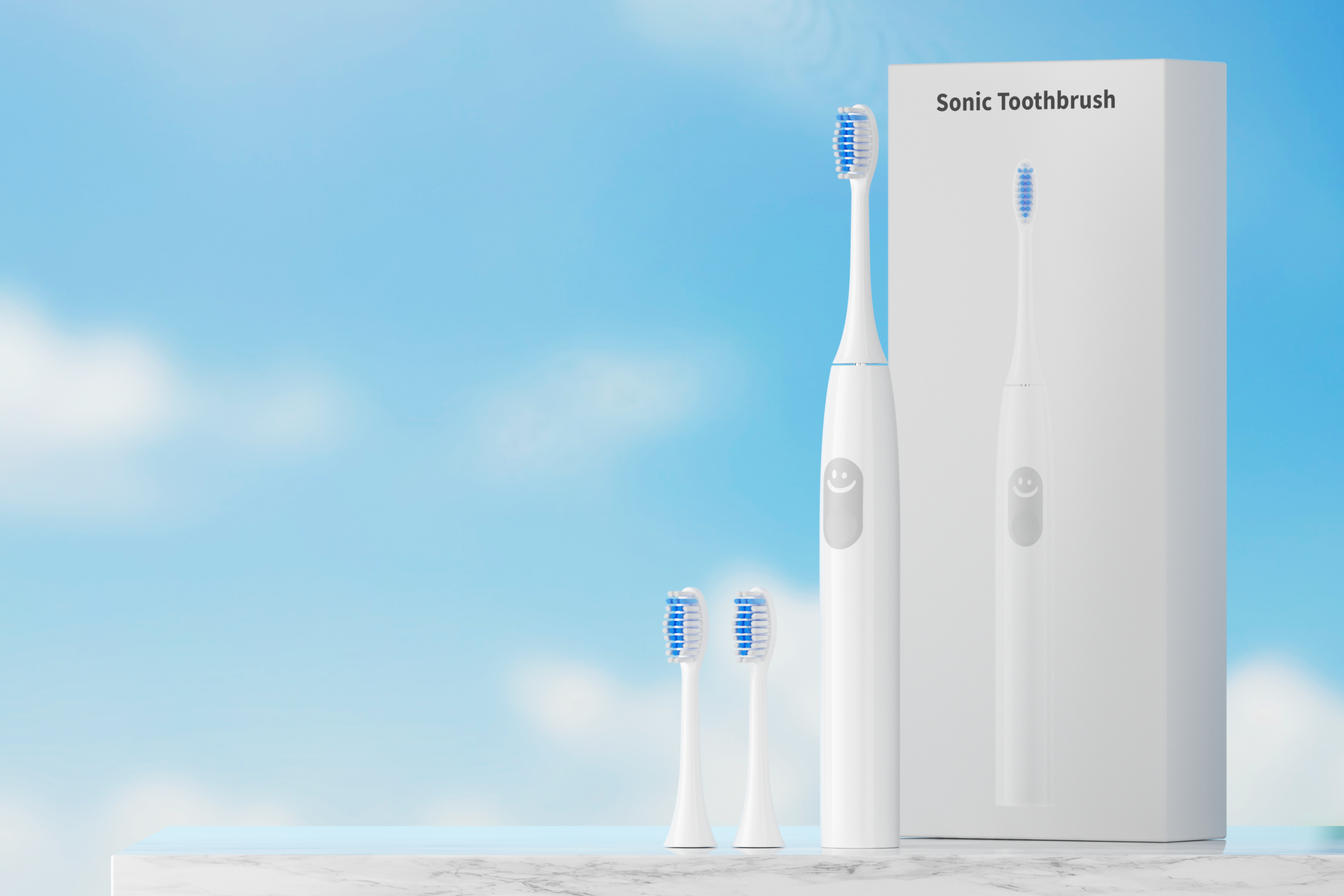
Developing a private electric toothbrush is an exciting opportunity for businesses looking to enter the competitive oral care market. By opting for an ODM (Original Design Manufacturer) model, brands can save time, reduce costs, and achieve a customized product tailored to their target audience. In this blog, we’ll break down the process of developing ODM toothbrush solutions, from initial concept to final production, and highlight why working with an ODM electric toothbrush manufacturer like Powsmart is a smart choice. Research and Market Analysis Before starting development, conducting thorough research and market analysis is essential. Identify your target audience, preferences, and pain points. For example, are you targeting families, travelers, or those seeking high-tech features like sonic vibrations? Analyze competitors to discover gaps in the market, which will guide the design and functionality of your private electric toothbrush. Collaborating with an ODM Electric Toothbrush Manufacturer The next step is selecting an experienced ODM electric toothbrush manufacturer. A reputable partner will provide a range of existing designs and customization options, including brush heads, motor types, and aesthetic features. Working with an ODM manufacturer reduces the development timeline significantly while ensuring compliance with industry standards. Established in 2004, Powsmart Technology Co, Ltd. is a professional manufacturer which carries R&D,…
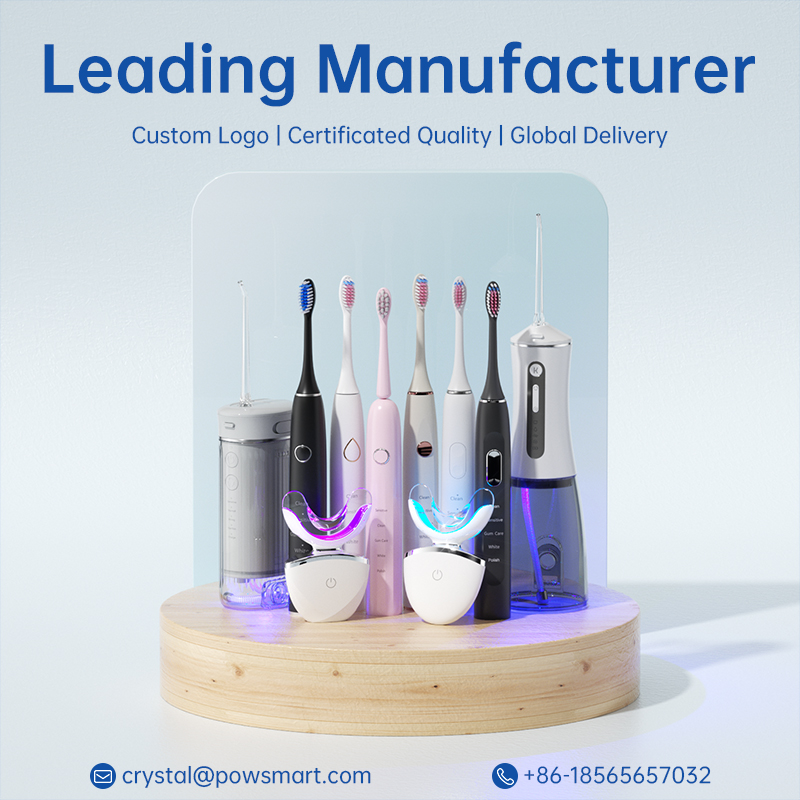
1. Pearl River Delta: The Heart of Global Electric Toothbrush Production As an important manufacturing base in China and even the world, the Pearl River Delta region gathers many Electric toothbrush factories and is one of the main production bases for high-quality electric toothbrushes. Cities such as Shenzhen, Dongguan, and Guangzhou not only have a complete supply chain, but also have advanced manufacturing technology and equipment, providing a steady supply of electric toothbrushes for domestic and foreign brands. The products produced here are widely exported to international markets such as Europe, America, Japan, and South Korea. In 2023, the export volume of electric toothbrushes in Shenzhen alone increased by 15%. Established in 2004, Powsmart Technology Co, Ltd. is a professional manufacturer which carries R&D, production of electric toothbrush, water flosser and teeth whitening device. We had launched various oral care products and stuck to top quality standards. All of our electric oral care products have CE, FCC, ROHS and FDA certification. Covering an area of 5000 ㎡, Powsmart https://www.powsmart.com/ have industry-leading automated equipment and standardized production process. Monthly production capacity reaches 300,000+ pcs. We can not only shorten the delivery time for brand owners but also provide off-the-shelf branded products…
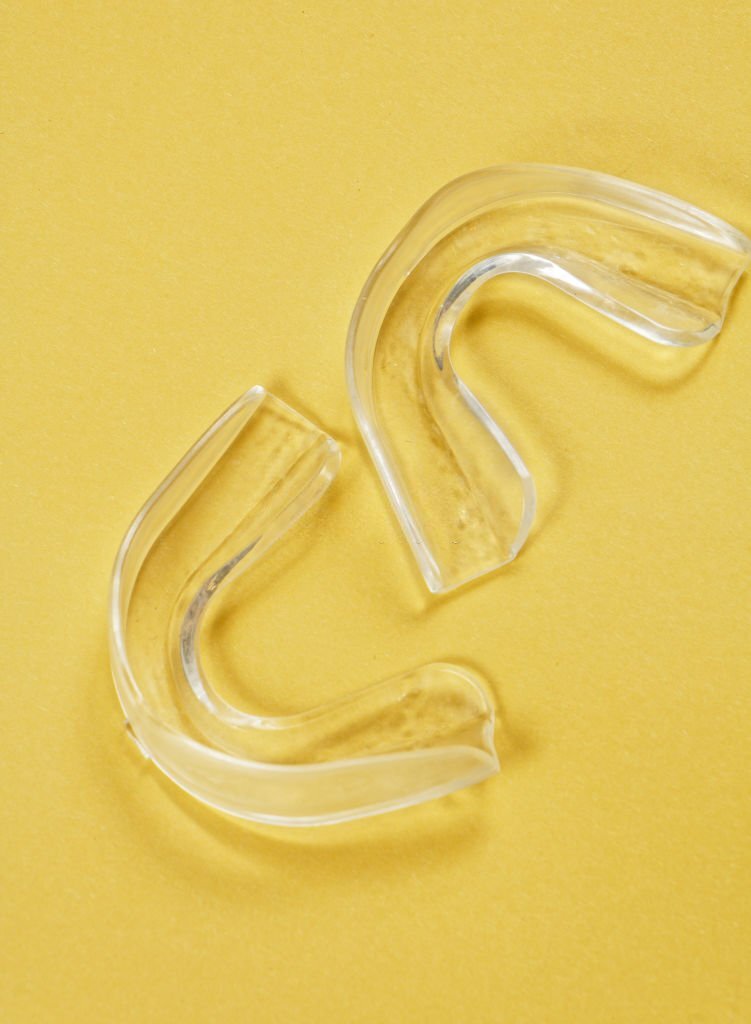
In the teeth whitening industry, the material selection of ABS teeth whitening trays is crucial. ABS material is an ideal choice for making teeth whitening trays due to its unique properties. This article will explore the reasons for using ABS material and analyze it in combination with actual cases and data. Established in 2004, Powsmart Technology Co, Ltd. is a professional manufacturer which carries R&D, production of electric toothbrush, water flosser and teeth whitening device. We had launched various oral care products and stuck to top quality standards. All of our electric oral care products have CE, FCC, ROHS and FDA certifications. https://www.powsmart.com/contact-us/ Excellent durability ABS material has excellent wear resistance and impact resistance, making teeth whitening trays less likely to deform or damage during long-term use. Studies have shown that trays made of ABS material can maintain their original shape and extend their service life when subjected to pressure and temperature changes. This feature ensures that users can achieve consistent results throughout the whitening process. Safety ABS material is widely used in the medical and consumer products industries. It is a high-quality material that is "safe for use" because of its non-toxicity and biocompatibility. Many manufacturers of teeth whitening products…
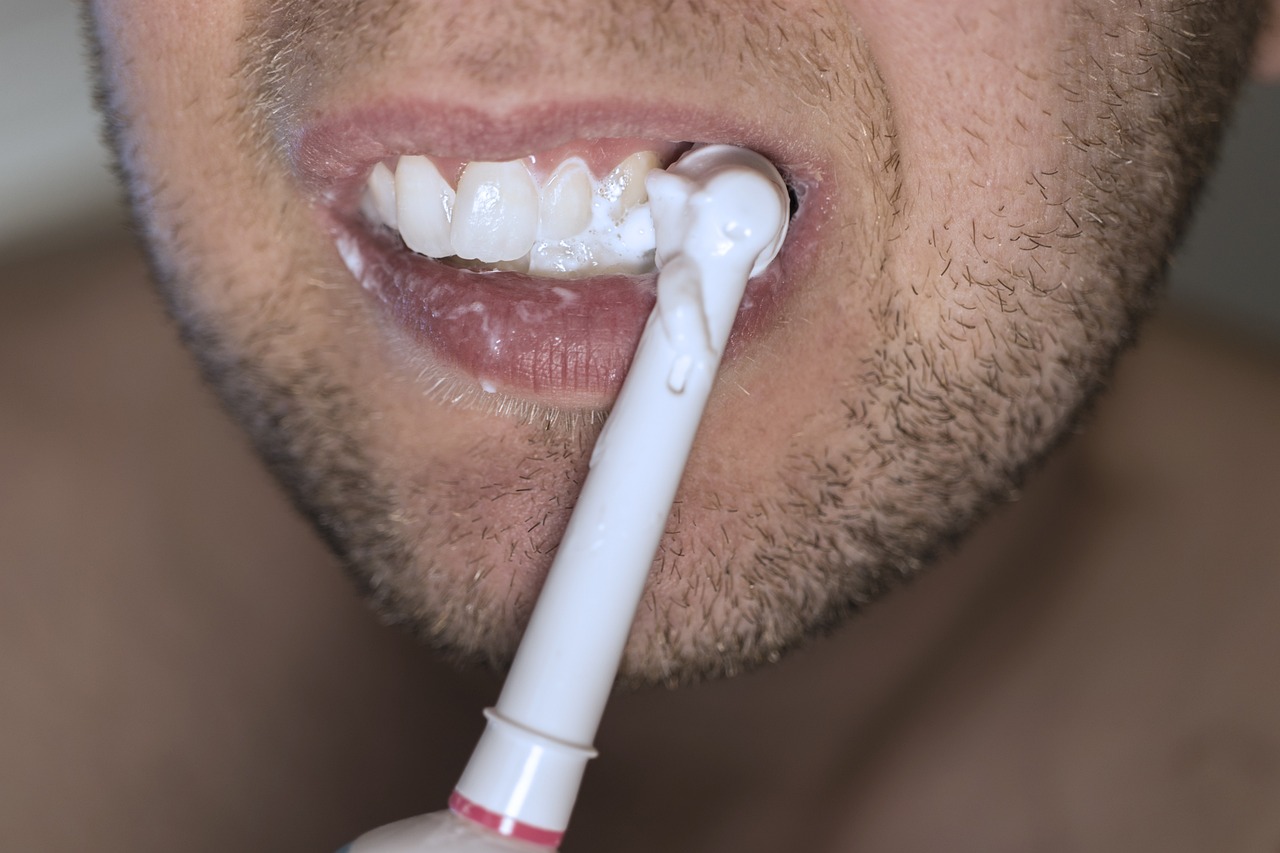
When it comes to dental hygiene, we all know the importance of brushing our teeth regularly. But with the rise of technology, there is a new player in the game - electric toothbrushes. These high-tech devices promise to clean your teeth better and more efficiently than traditional toothbrushes. But is the electric toothbrush market really growing? In this article, we will explore the current state of the electric toothbrush market and discuss the factors that are driving its growth. The Current State of the Electric Toothbrush Market The electric toothbrush market is currently experiencing rapid growth. In fact, according to a recent report by Grand View Research, the global electric toothbrush market size was valued at $2.5 billion in 2020 and is expected to grow at a compound annual growth rate (CAGR) of 7.8% from 2021 to 2028.This growth can be attributed to several factors, including: Increasing Awareness of Oral Health With the rise of social media and the internet, people are becoming more aware of the importance of oral health. This has led to an increase in demand for products that can help maintain good oral hygiene, including electric toothbrushes.Powsmart private label electric toothbrush with a powerful motor and multiple brushing modes, our electric…
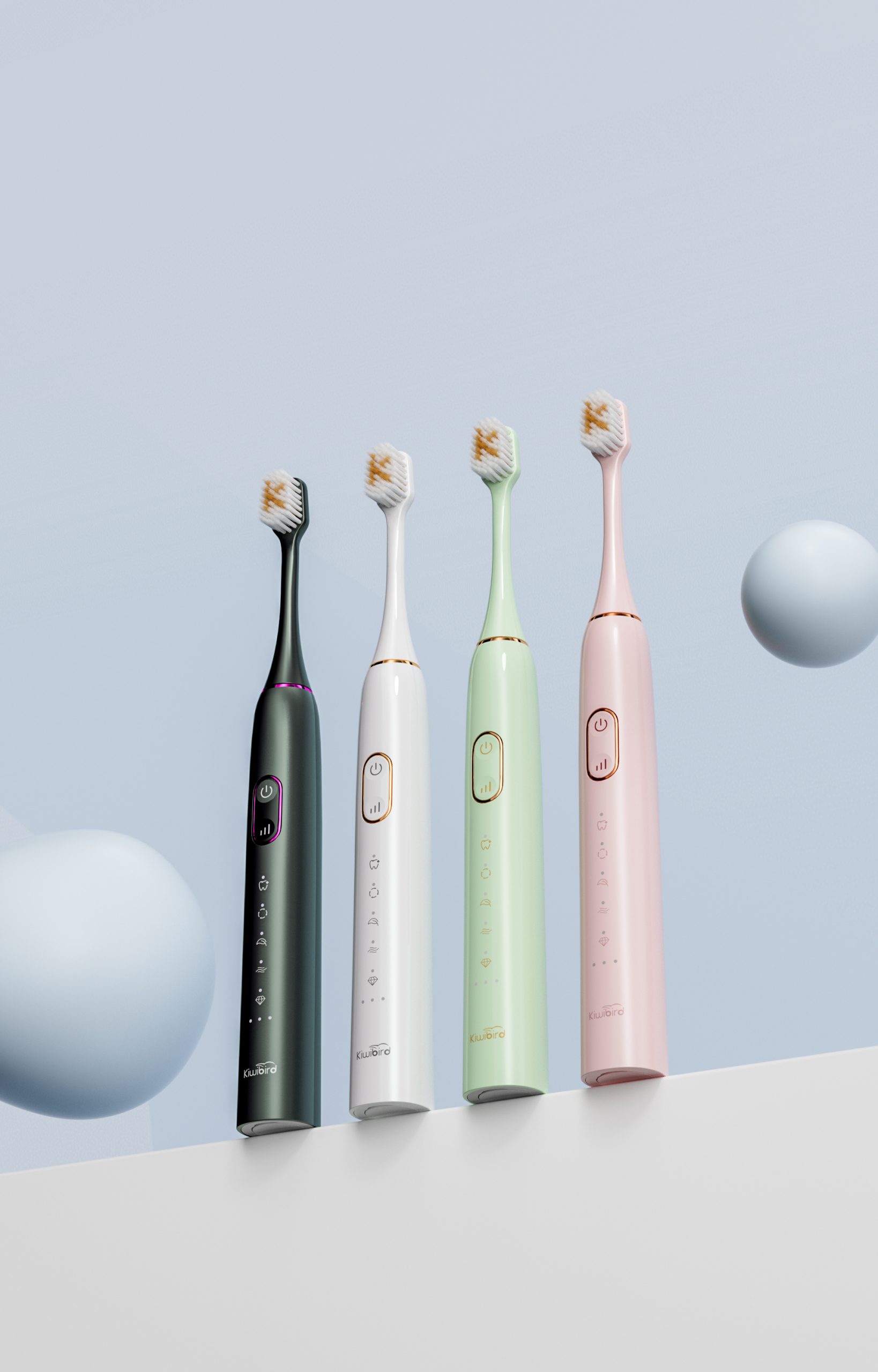
The global oral care market is evolving rapidly. Today’s consumers are no longer satisfied with just clean teeth—they demand smarter, safer, and more sustainable solutions. For oral care brands looking to expand or diversify, understanding what’s driving the category today is essential. In this blog, we’ll explore the key oral care trends shaping the industry, from dental hygiene innovation and the rising electric toothbrush demand to the growing interest in sustainable oral care and advanced whitening technology. Electric Toothbrush Demand Is Surging One of the strongest signals of growth in driving the oral care category is the continued rise in electric toothbrush demand. Consumers across various demographics are upgrading from manual brushes to smart-powered devices due to their enhanced cleaning capabilities, built-in timers, pressure sensors, and app integration. This trend opens up major opportunities for product differentiation, especially for brands offering: Customizable brushing modes Sleek, ergonomic designs Connected app ecosystems For brands looking to launch or scale electric toothbrush lines, this trend emphasizes the need to partner with manufacturers experienced in precision electronics and high-speed injection molding. Whitening Technology Drives Consumer Desire Teeth whitening is no longer a luxury—it’s becoming a daily routine. New whitening technology is influencing product innovation across the board. From…
In the oral care device industry, light decay is often overlooked—yet it may be a hidden factor in undesirable gingival discoloration, particularly in devices equipped with light-emitting modules such as LED whitening brushes or UV sanitizing components. As oral health professionals and OEM manufacturers seek to enhance product safety and performance, the potential correlation between these two phenomena warrants deeper examination. Recognizing the Symptoms: When Discoloration Appears Unexpectedly Users have reported mild to moderate discoloration of gingival tissue after repeated exposure to illuminated oral care tools. Although most designs use low-intensity LEDs, gingival discoloration—manifested as darkening, uneven tone, or localized pigment patches—raises red flags about photochemical interactions. The possibility that light decay over time leads to spectral shifts or uneven energy output must be considered. What Is Light Decay – And Why It Matters Gingival discoloration Light decay refers to the reduction in luminous flux and spectral integrity of LEDs or light sources over time due to: Thermal stress on chip or substrate Material oxidation within the lens or encapsulation Current fluctuations or overdriving Aging of phosphor layers in white LEDs This decay not only reduces device effectiveness but can distort the wavelength emission profile—potentially shifting the spectrum into biologically…
When users report jaw fatigue shortly after experiencing taste alteration, is it merely a coincidence, or could it signal an underlying flaw in product design or material selection? For manufacturers supplying oral care devices or whitening systems, it is essential to explore this connection thoroughly to protect both consumer safety and brand reputation. Understanding Jaw Fatigue in Device Use Jaw fatigue refers to muscle soreness, stiffness, or tension felt in the jaw area during or after use of an oral care device. This can arise from: Excessive clamping or force required to keep a device (e.g., whitening tray or mouthpiece) in place Prolonged usage sessions beyond recommended durations Devices with poor ergonomic design, leading to unnatural jaw positioning In B2B manufacturing, minimizing ergonomic strain should always be a priority in product development. What Triggers Taste Alteration? Taste alteration is a common but often overlooked complaint linked to oral care products. Contributing factors include: Residual chemicals from gels or cleaning agents Material leaching from low-grade plastics or silicone components Microleakage from ill-fitting trays that allow solutions to reach taste buds Persistent taste changes can erode user confidence and generate negative reviews. Company web:https://www.powsmart.com/product/electric-toothbrush/ The Overlooked Connection: Are Jaw Fatigue and Taste…
In recent OEM and ODM product audits, gel leakage combined with unexpected enamel erosion has emerged as a significant quality concern in teeth whitening devices. At first glance, these two issues seem unrelated, but closer inspection reveals that gel containment failures may directly accelerate dental surface damage. Are your whitening products causing double damage to end-users? Let’s explore. Understanding Gel Leakage: Root Causes in Whitening Devices Gel leakage refers to uncontrolled seepage of whitening gel from the application tray, cartridge, or nozzle during usage or storage. Key contributing factors include: Poor mold sealing and assembly tolerances Substandard silicone gasket or o-ring design Weak tray fitment or misalignment Incorrect gel viscosity control Thermal expansion from inconsistent curing processes Gel leakage not only reduces whitening efficiency but also risks direct soft tissue exposure and uncontrolled spreading to teeth surfaces. The Science of Enamel Erosion in Whitening Contexts Enamel erosion is the chemical dissolution of tooth enamel, primarily caused by acids or prolonged exposure to reactive agents. In whitening devices, potential triggers are: Acidic gel formulations without pH neutralization Excess gel pooling due to leakage Lack of gel application control leading to overexposure Poor saliva interaction management, preventing agent dilution As enamel is…
In the field of professional oral care devices, user safety incidents such as gingival burns combined with cervical hypersensitivity are emerging as an urgent concern, especially in the whitening and deep-cleaning product categories. Manufacturers may underestimate the combined impact of thermal, chemical, and mechanical stress on delicate gingival and cervical areas. But when burns and hypersensitivity appear together, they signal a systemic design or process flaw that must be addressed. How urgent is this issue—and how can product design prevent it? What Are Gingival Burns and Cervical Hypersensitivity? Gingival burns refer to tissue damage along the gums, typically caused by: Excessive heat from whitening lights or ultrasonic devices Chemical irritation from concentrated bleaching gels Friction burns from improperly shaped applicators or brush heads Cervical hypersensitivity involves intense sensitivity in the tooth neck region (cementoenamel junction), often triggered by: Exposure of dentin due to over-brushing or chemical erosion Thermal stimulation from overly hot devices Mechanical abrasion near the gumline When these two issues occur simultaneously, user discomfort and potential oral injury escalate rapidly. Why Their Combined Occurrence Is More Than Coincidence Experiencing gingival burns and cervical hypersensitivity together is not random: Devices producing localized heat (LEDs, ultrasonic tips) can damage both…
In the realm of oral care device manufacturing, increasing reports of allergic reactions following pulp irritation during product use have raised concerns. While these two symptoms may appear unrelated—one immunological, the other sensory—closer technical analysis suggests they may not be mere coincidence. Could pulp irritation actually trigger or amplify allergic reactions? Understanding this potential connection is essential for manufacturers aiming to enhance both product safety and user trust. What Exactly Is Pulp Irritation in Oral Care Products? Pulp irritation refers to inflammation or overstimulation of the dental pulp—the soft tissue within teeth containing nerves and blood vessels. In the context of oral care devices, it typically results from: Thermal stress caused by overpowered whitening lights or ultrasonic heads Chemical penetration from peroxide gels, flavoring agents, or cleaning fluids Mechanical over-vibration or aggressive brushing applied too near the pulp chamber Symptoms include sharp tooth pain, prolonged sensitivity, and discomfort when consuming hot or cold substances. What Constitutes an Allergic Reaction in Oral Care Use? Allergic reactions manifest as hypersensitivity responses, potentially including: Localized swelling of gums, lips, or oral tissues Itching or burning sensations in the mouth Generalized rashes, irritation, or even respiratory responses in severe cases Such reactions are typically…
Biofilm regrowth is a persistent issue in oral care devices such as water flossers and whitening systems. What manufacturers often overlook is its direct impact on pH imbalance within the user’s oral environment. Could this be a vicious cycle compromising both hygiene and device longevity? Let’s explore in detail. Understanding Biofilm Regrowth in Oral Care Devices Biofilm forms when bacteria adhere to internal fluid pathways and surfaces within oral devices, especially: Water reservoirs Nozzle interiors Fluid channels Even post-sterilization, residual bacteria can repopulate surfaces, triggering biofilm regrowth. Factors like stagnant water, suboptimal mold venting, and poor surface finish accelerate this process. pH Imbalance: The Hidden Risk from Biofilms When biofilm regrowth occurs, acidic by-products of bacterial metabolism accumulate inside devices. This microbial activity gradually alters: Output water pH Oral cavity acidity after device usage A persistent pH imbalance leads to enamel erosion, promotes oral discomfort, and disrupts natural saliva buffering mechanisms. Company web: https://www.powsmart.com/product/electric-toothbrush/ How Biofilm Regrowth and pH Imbalance Reinforce Each Other Worryingly, pH shifts favor further biofilm regrowth: Lower pH environments support aciduric bacteria proliferation. Acidic residues inside devices create ideal conditions for microbial colonization. Thus, a self-reinforcing cycle emerges, where biofilm exacerbates pH imbalance, which in turn…


.jpg)
.jpg)
.jpg)
.jpg)
.jpg)



.jpg)