In professional oral care devices, pH imbalance and biofilm regrowth are two persistent yet often underestimated challenges. Manufacturers typically address these issues separately. However, mounting evidence suggests that these two phenomena may form a vicious cycle — where improper pH control fosters biofilm regrowth, which in turn further destabilizes pH levels. Could this cyclical problem be undermining device hygiene and patient outcomes? This article explores the mechanisms and solutions.
pH imbalance refers to deviations from the optimal pH range (typically between 5.5 and 7.0) within device fluid systems. In oral irrigators, whitening applicators, or water flossers, pH instability can result from:
When fluids remain too acidic or alkaline, they not only irritate tissues but also disrupt normal biofilm control mechanisms.
Biofilm regrowth occurs when bacterial communities re-establish themselves on internal surfaces of oral care devices after incomplete cleaning. Factors promoting regrowth include:
Biofilms not only compromise device hygiene but also become reservoirs for pathogens, posing infection risks. Company web:https://www.powsmart.com/product/electric-toothbrush/
The connection between pH imbalance and biofilm regrowth is often overlooked:
Thus, pH shifts and biofilm expansion perpetuate each other, locking devices into a self-sustaining contamination loop.
Several design and production oversights exacerbate this vicious cycle:
These factors collectively promote both chemical instability and microbial regrowth.
Manufacturers aiming to break the cycle must address both root causes simultaneously:
Together, these strategies prevent conditions that allow either biofilm regrowth or pH imbalance to dominate.
For B2B customers, eliminating this vicious cycle delivers tangible advantages:
Solving this hidden systemic flaw enhances both functional reliability and market reputation.
Is there a vicious cycle between pH imbalance and biofilm regrowth? Absolutely. For oral care device manufacturers, recognizing and breaking this cycle through material selection, structural optimization, and integrated chemical management is essential to ensuring product safety and hygiene. Contact us
.jpg)
.jpg)
.jpg)
Runtime Shortening with Battery Memory – Related?
Blue Light Plaque Removal Electric Toothbrush OEM
Electric Toothbrush Factory Direct Supply
Red vs Blue Light Electric Toothbrush: What’s the Difference?
Electric Toothbrush Brush Head Compatibility OEM
Balsamic Reduction Stains | Enamel-Safe Whitening Gels For Dark Vinegar Dressing Lovers
High Frequency Electric Toothbrush
Post-Dental Procedure Brushing Guide: Safely Resume Brushing After Dental Work
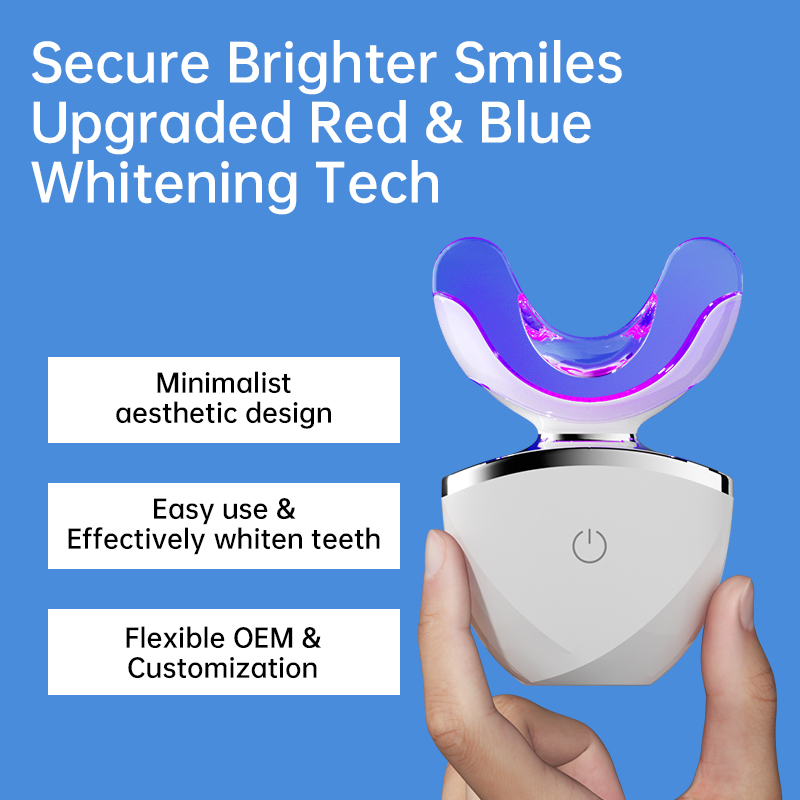
How Long Should I Use Blue Light on My Teeth? OEM Manufacturer’s Guide
Sonic Toothbrush OEM Partner
Cost Structure of Electric Toothbrush Manufacturing
Correctional Facility Toothbrush | Approved Models
Crowns and Bridges Water Flosser Cleaning Guide | Protect Dental Work
Acid Reflux Teeth Protection Guide: Water Flossing for Enamel Safety
How Does Your Whitening Gel OEM Formula Achieve FDA-cleared Whitening Gel Status?
Spice Teeth Whitening Guide


.jpg)
.jpg)
.jpg)
.jpg)
.jpg)



.jpg)