.jpg)
In recent years, the oral care market has shifted rapidly toward digital health and personal wellness. Smart toothbrushes—equipped with Bluetooth, sensors, app integration, and brushing analytics—have become one of the fastest-growing product categories in personal care. For brand owners, private label retailers, and e-commerce sellers, finding the right wholesale smart toothbrushes provider is essential to staying competitive. This blog will guide you through the process of sourcing bulk electric toothbrushes from trusted B2B suppliers, ensuring you get top-tier products at the best price—and customized to suit your brand. Benefits of Buying Smart Toothbrushes in Bulk Purchasing bulk electric toothbrushes offers multiple advantages for retailers and oral care brands: Cost Efficiency: Wholesale pricing significantly lowers the per-unit cost, increasing your profit margins. Consistent Quality: Buying in bulk from a qualified B2B supplier ensures product consistency and fewer defects. Faster Fulfillment: Partnering with an experienced manufacturer often means access to better logistics and inventory management. For retailers planning to scale or launch a new product line, bulk ordering is not just economical—it's essential. What Makes a High-Quality Smart Toothbrush? As demand grows, so does competition. To stand out, your product needs to offer advanced features and long-term reliability. Look for these features in high-quality smart toothbrushes:…
In recent years, consumers have increasingly gravitated toward sleek, modern personal care products. In the oral care space, this trend has given rise to a new standard: minimalist design oral care products. Among these, the matte black electric toothbrush and white smart toothbrush have emerged as the go-to choices for style-conscious users. For brand owners and distributors, this presents a clear opportunity. bulk ordering smart toothbrushes with minimalist design elements can help meet current market demands while differentiating your product line. Why Black & White Smart Toothbrushes Are Winning the Market Today’s consumers prefer functionally advanced devices that also fit into their aesthetic lifestyle. The white smart toothbrush represents cleanliness, modern tech, and compatibility with luxury bathroom decor. While the matte black electric toothbrush conveys a bold, premium, and gender-neutral appeal. Both align perfectly with the broader trend toward minimalist dental tech. These color options are not just about looks. They signal product quality and refined design, making them a popular option for private label brands, e-commerce sellers, and boutique dental retailers looking to expand their offerings. Design Meets Function: Features That Matter Minimalism doesn’t mean sacrificing performance. On the contrary, the best minimalist design oral care products combine elegance with innovation.…
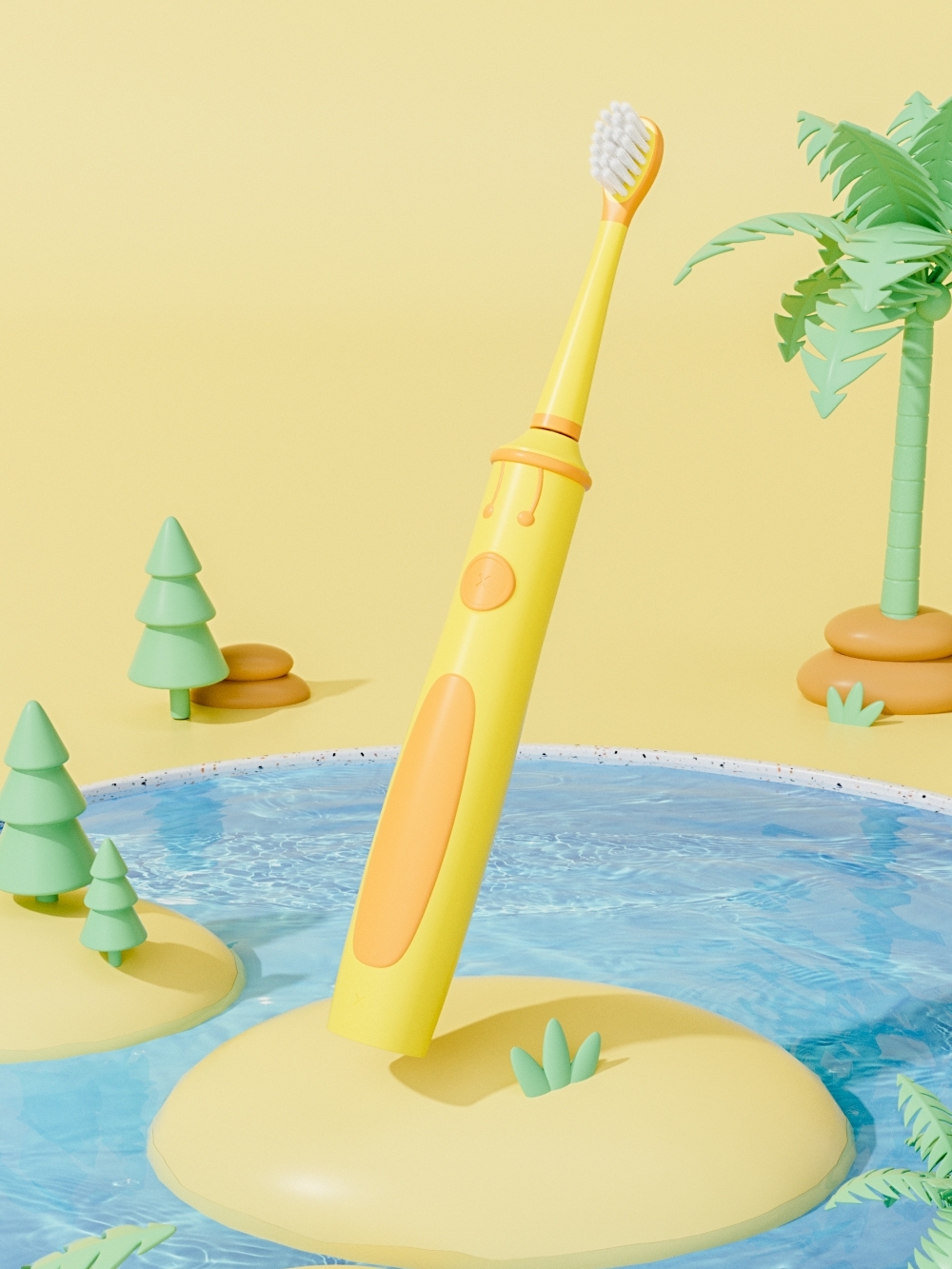
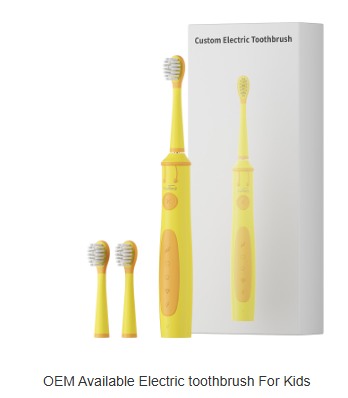
In today’s oral care market, children's hygiene routines are no longer just about function—they're about engagement, safety, and personalization. As demand rises for children’s smart toothbrush solutions that combine effective cleaning with interactive features, retailers and brand owners must explore how to offer custom kid-friendly smart toothbrushes. This blog explores the latest trends and manufacturing possibilities in Kids’ Smart Toothbrush Customization, offering insights for electric toothbrush retailers & distributors looking to partner with the right suppliers. Why Kids Need Smart Toothbrushes: Safety Meets Engagement Children require specialized brushing tools not just in size but in function and experience. A children’s smart toothbrush must balance three core needs: Gentle but effective cleaning for developing teeth and gums Fun, game-like experiences to encourage brushing routines Built-in safety features such as pressure sensors and timers Fun & Safe Brushing Solutions have become a critical selling point for parents, making product differentiation essential for brands. The Rise of Custom Kid-Friendly Smart Toothbrushes As smart technologies evolve, brands now have the opportunity to offer custom kid-friendly smart toothbrushes with tailored designs. Customization options include: App integration with brushing games or reward systems Animated LED displays, music playback, and storytelling modes Soft brush heads, ergonomic grips, and silicone-based safety coatings Brand-specific…
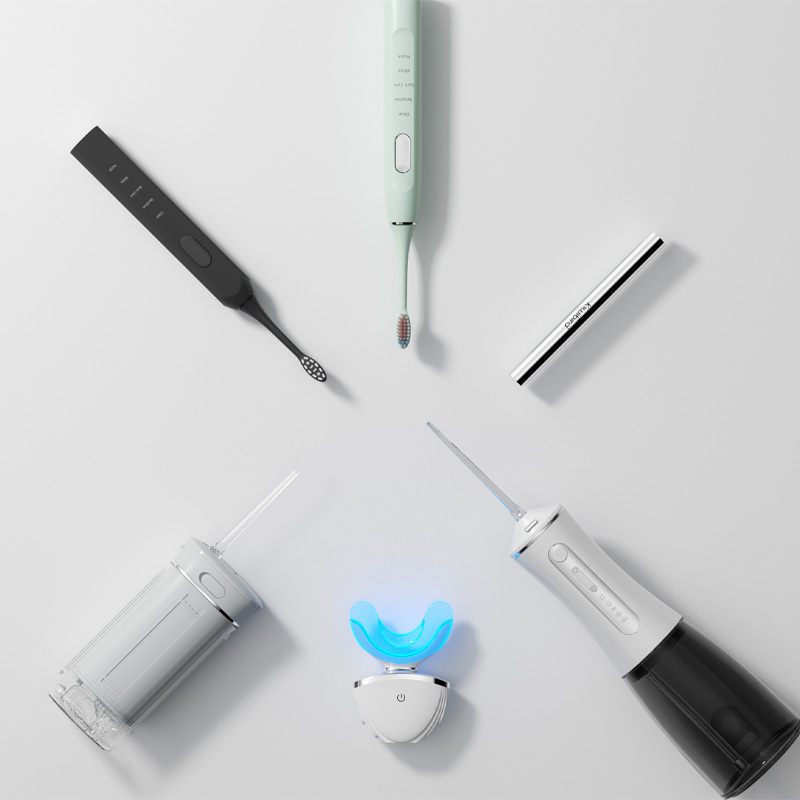
Introduction: Wholesale Volume vs Long-Term Integrity With increasing demand for scalable oral care solutions, the POWSMART Toothbrush Wholesale model has gained popularity among distributors, retailers, and institutional buyers. However, a critical concern has emerged in recent client feedback: does large-scale procurement increase the risk of material degradation over time? In this blog, we explore how bulk ordering interacts with material integrity, what risk factors contribute to performance decline, and how B2B buyers can safeguard their investment in quality electric toothbrushes. Understanding the Supply Chain of POWSMART Toothbrush Wholesale The POWSMART Toothbrush Wholesale model is designed to accommodate customized bulk production—ranging from 5,000 to 100,000 units per batch—with options for: OEM/ODM branding Variable bristle hardness and materials Battery type and waterproofing grade Packaging configurations With this high-volume production model, consistent quality across batches becomes a core concern, especially when toothbrushes are shipped globally and stored under varying conditions before reaching end users. What Is Material Degradation in Oral Care Products? Material degradation refers to the physical or chemical deterioration of product components over time or under stress. In the context of electric toothbrushes, this may involve: Bristle fatigue – fraying or stiffening due to subpar filament quality or aging Plastic yellowing…
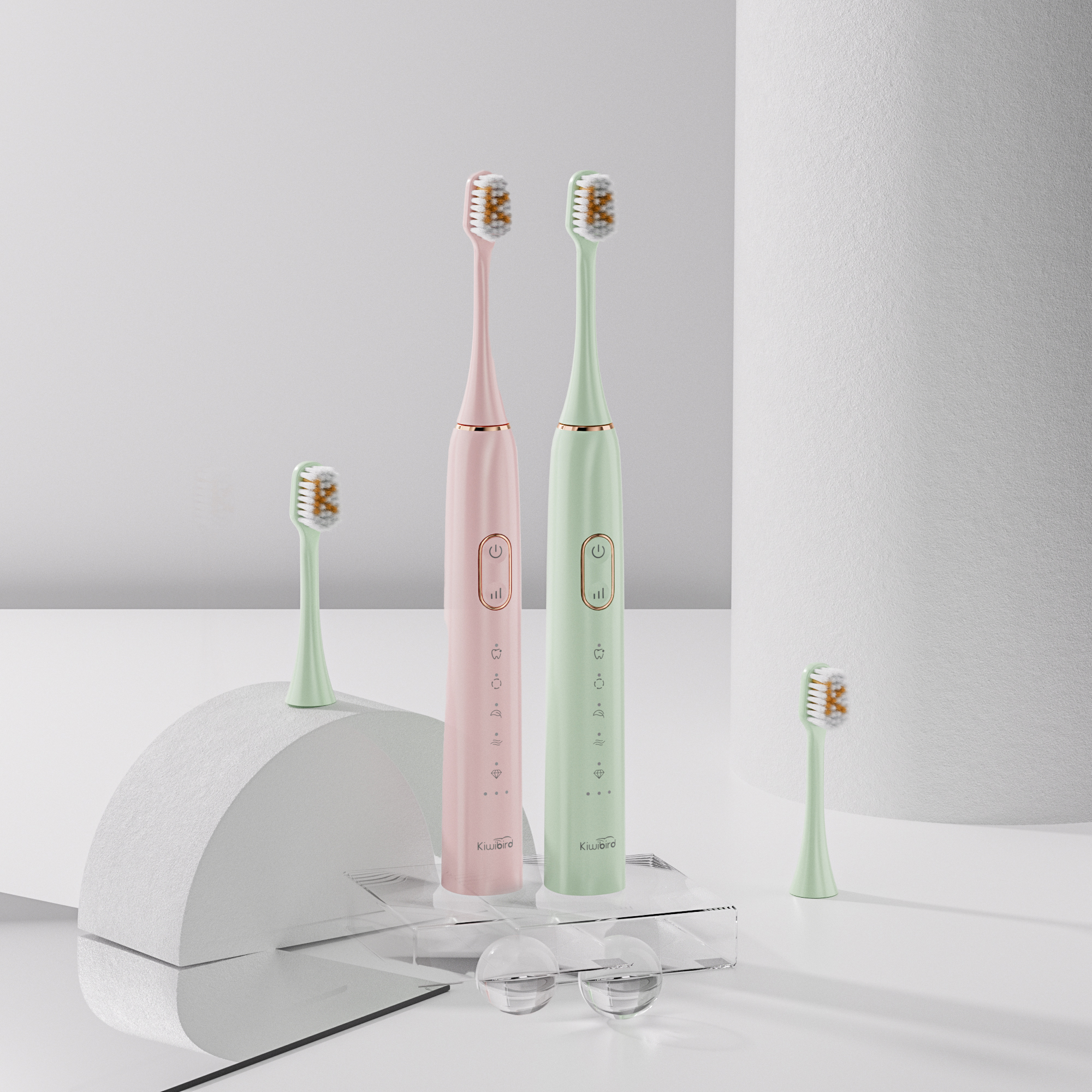
Introduction: Powerful Mode, Unexpected Flaws? As electric toothbrush technology evolves, manufacturers now offer multiple brushing modes to accommodate user preferences and oral care needs. One such mode—Deep Clean Toothbrush Mode—is designed to deliver intensified brushing power for more effective plaque removal. However, concerns have emerged within the OEM/ODM sector regarding whether this high-power mode contributes to timer malfunction over time. Could a mode meant to enhance hygiene be subtly undermining device performance? In this article, we explore the interplay between brushing mode intensity, circuit timing functions, and long-term reliability from a B2B manufacturer’s perspective. What Is Deep Clean Toothbrush Mode? Deep Clean Mode, often labeled as “Pro Clean” or “Intense Mode,” operates at higher vibration frequencies or pulse amplitudes—typically above 40,000 strokes per minute. This mode is favored for: Removing stubborn buildup in hard-to-reach areas Enhancing gum stimulation Providing a more “thorough” brushing experience, particularly for users with orthodontic appliances or stain-prone teeth However, its high-output design places additional strain on the internal motor driver and power delivery systems, potentially influencing other electronic modules like the integrated brushing timer. Understanding Timer Function in Smart Toothbrushes Modern electric toothbrushes—especially those manufactured under intelligent product lines—incorporate timers to guide users toward optimal…
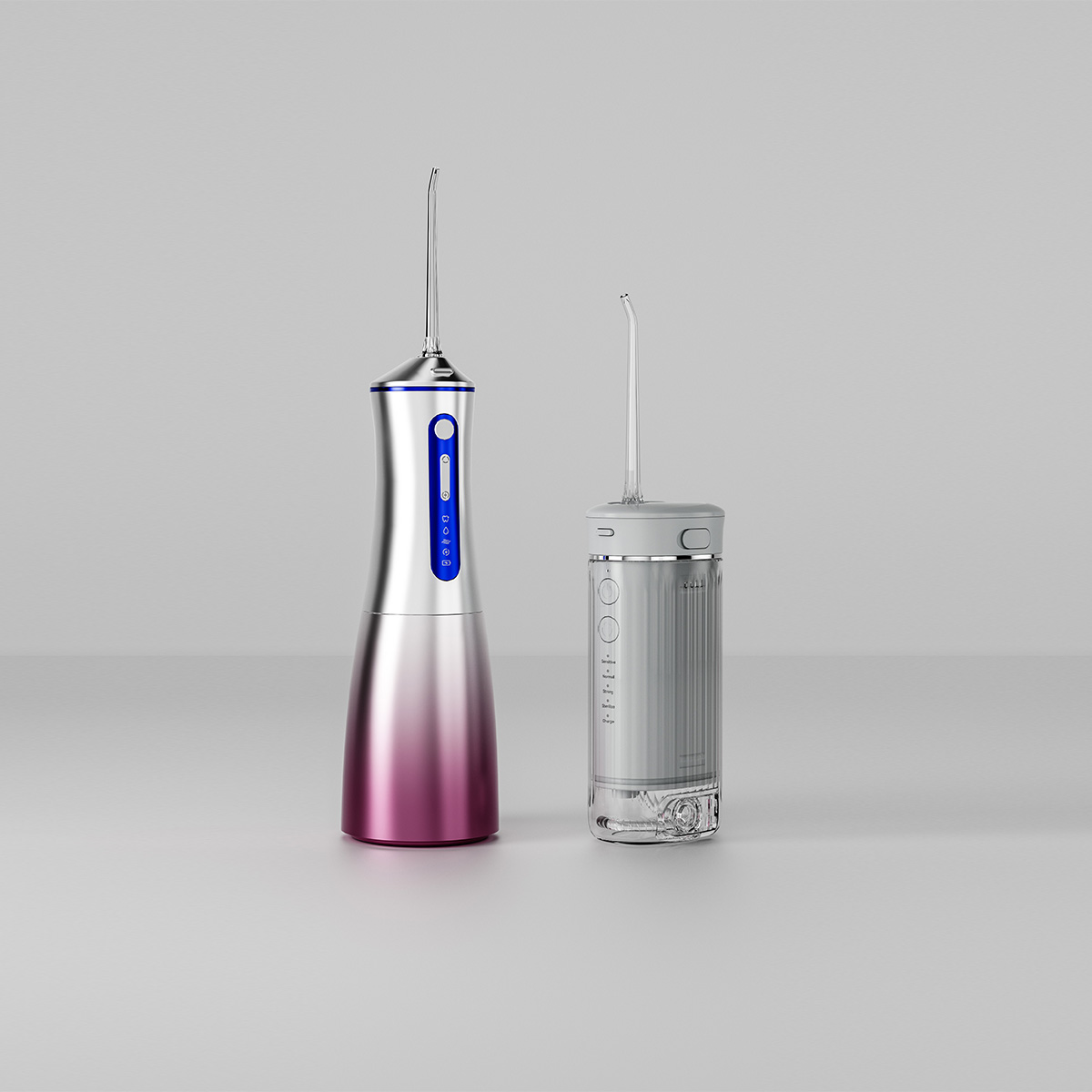
Introduction: Performance vs. Heat—A Critical OEM Question As the demand for high-frequency sonic toothbrushes continues to rise, many private-label brands turn to OEM manufacturers like POWSMART for scalable, customized solutions. While these POWSMART Sonic Brush OEM units are known for power and precision, questions are emerging about their long-term thermal stability. Are overheating risks something buyers and brands should be concerned about? This blog explores the factors that can lead to heat-related issues and how proper OEM design eliminates such concerns. Understanding Heat Generation in Sonic Brushes Sonic toothbrushes typically operate at high vibration rates—often exceeding 30,000 to 40,000 strokes per minute. This performance is made possible by compact magnetic motors, lithium batteries, and high-frequency PCB drivers. Naturally, these components generate heat. When properly managed, this is harmless. But when engineering tolerances are low, or material quality is compromised, overheating risks can lead to: Battery swelling or failure Degraded bristle head plastics Reduced motor efficiency User discomfort or safety concerns Manufacturers must especially prioritize this critical aspect when designing ODM/OEM models for global markets with varying power standards and user behavior. Key OEM Design Challenges Behind Overheating Several engineering decisions within the OEM manufacturing process can directly influence thermal stability:…
.jpg)
As global consumers become more focused on advanced oral hygiene, the demand for high-performance, technology-driven toothbrushes continues to grow. Among the most popular innovations is the 40,000 VPM Smart Sonic Toothbrush — a High-Frequency Cleaning Technology toothbrush designed to deliver superior cleaning efficiency through sonic vibration. For oral care brands aiming to expand or upgrade their product line, partnering with a reliable sonic toothbrush OEM is the key to success. In this blog, we’ll explore the benefits of this high-frequency technology, why it’s ideal for today’s health-conscious users, and how choosing the right electric toothbrush quality manufacturing partner can elevate your brand. What Is a 40,000 VPM Smart Sonic Toothbrush? The term “VPM” stands for vibrations per minute. A 40,000 VPM Smart Sonic Toothbrush uses sonic technology to deliver up to 40,000 vibrations per minute — far exceeding the capabilities of manual or traditional electric brushes. This high-frequency performance ensures effective plaque removal, improved gum health, and an overall more thorough brushing experience. Key features include: Powerful yet gentle sonic vibrations Intelligent pressure sensors and brushing timers Multiple cleaning modes (clean, white, sensitive, gum care, polish) USB charging and long battery life Optional Bluetooth connectivity for app integration Why High-Frequency Electric Brushes…
.jpg)
The global oral care market is rapidly evolving, with smart technology becoming a key differentiator. Bluetooth-enabled electric toothbrushes are no longer niche—they’re a fast-growing category that blends health tech with everyday hygiene. For brands aiming to expand their product line or launch a new oral care venture, tapping into this trend through smart toothbrush customization and bulk manufacturing partnerships offers immense growth potential. This guide is designed to help brand owners and private label companies navigate the process of working with a B2B toothbrush supplier, including steps for customization, quality assurance, and how to secure the right oral care OEM factory for your needs. Understanding the Bluetooth-Enabled Electric Toothbrushes Market Opportunity Smart toothbrushes are transforming the oral care experience. Equipped with real-time feedback, brushing habit tracking, and app integration, Bluetooth-enabled models are especially attractive to tech-savvy consumers and parents alike. Key benefits driving market demand: Growing consumer interest in health-tech integration Subscription model opportunities via app platforms Competitive differentiation through smart features Now is the ideal time to explore Bluetooth-Enabled Electric Toothbrushes wholesale partnerships to stay ahead of market trends. Smart Toothbrush Customization: What Can Be Tailored? When partnering with a manufacturer, brands can go beyond just adding a logo. A capable oral care OEM can help…
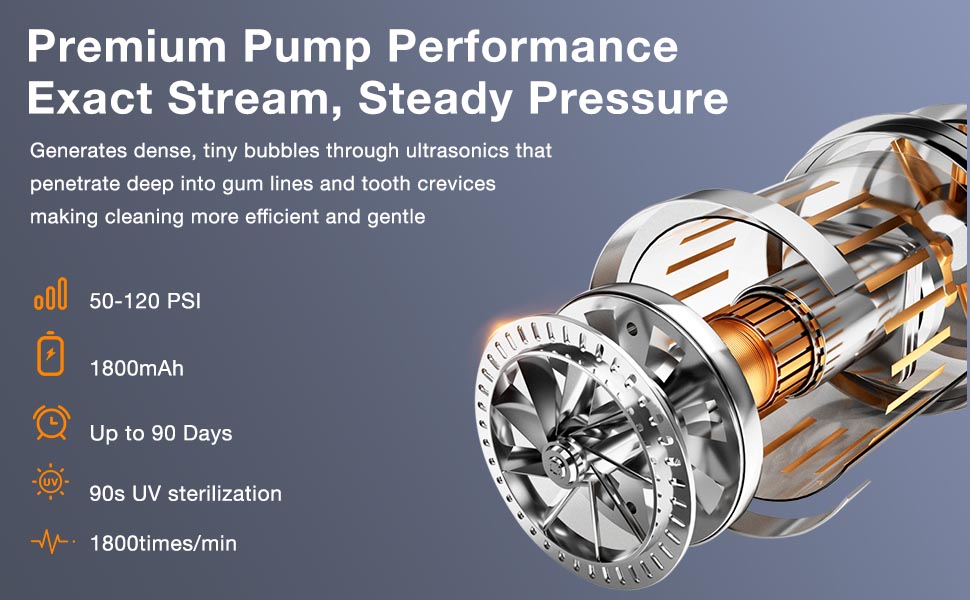
Introduction: High-Speed Sonic Brushing and Gum Recession—A Cause for Concern? With the rise of high-performance oral care tools, the 40000 Strokes/Min Sonic Brush has become a benchmark in the electric toothbrush market. This rapid-motion technology promises superior plaque removal, deep cleaning, and improved user efficiency. However, among dental professionals and OEM partners alike, a recurring concern has emerged: Does the 40000 Strokes/Min Sonic Brush contribute to Gum Recession? To answer this, we must investigate how high-frequency brushing interacts with delicate gingival tissue, and whether poor design, improper usage, or mechanical imbalance could aggravate the risk. Understanding the Function of a 40000 Strokes/Min Sonic Brush The sonic toothbrush operating at 40000 strokes per minute uses high-speed vibration to agitate fluids and dislodge plaque even beyond the physical contact of bristles. This intense oscillation is ideal for: Breaking down biofilm and tartar in hard-to-reach areas Enhancing microbubble cleaning through fluid dynamics Delivering a consistent brushing rhythm for standardized oral care However, such intensity must be finely tuned. If not, users may apply excessive pressure or experience prolonged exposure to vibrational force—two key contributors to gum recession. What Is Gum Recession and Why Does It Matter? Gum recession refers to the gradual pulling…
.jpg)
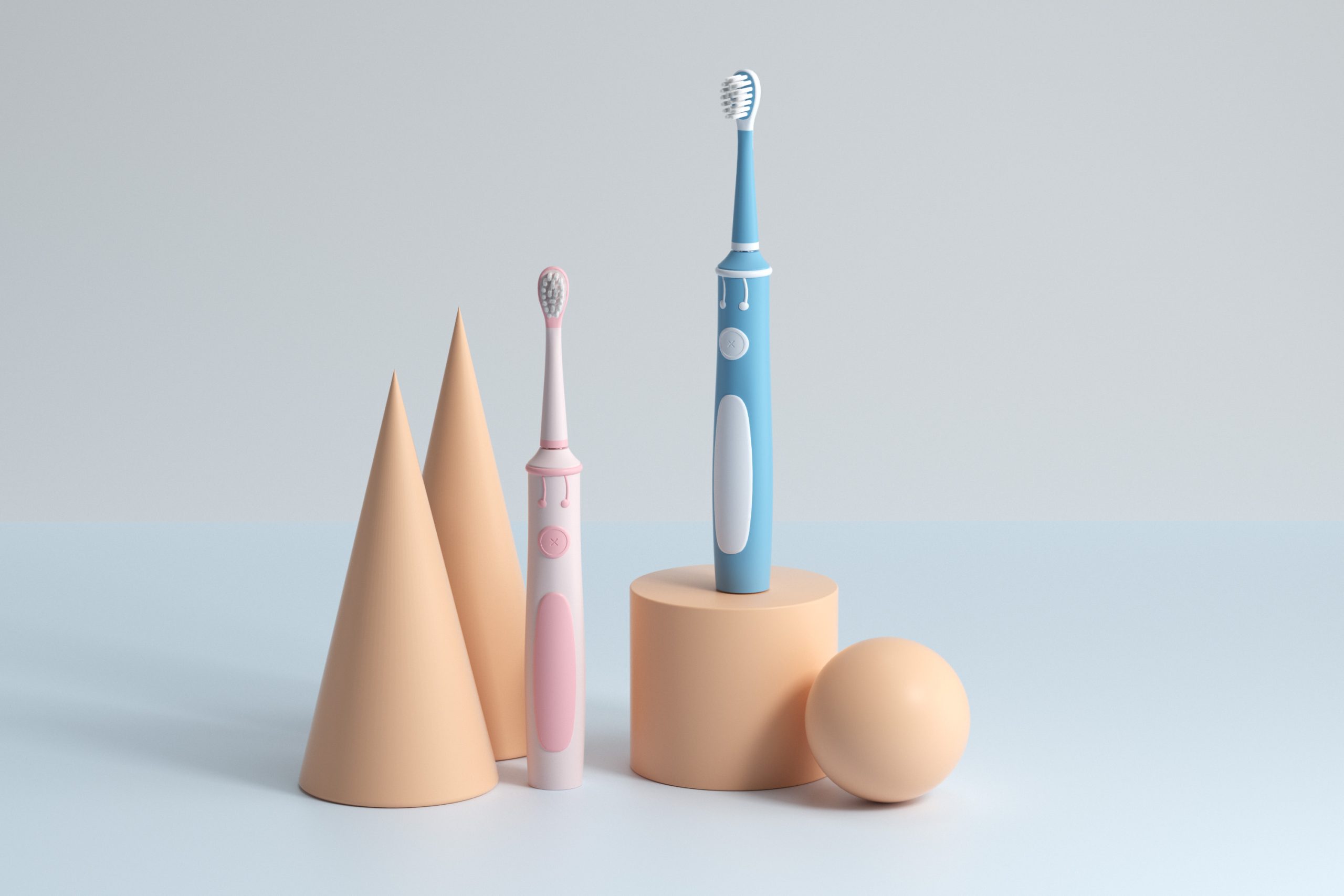
Introduction: Material Safety in Focus for Children's Oral Care Devices When it comes to children’s products, especially oral care tools, material toxicity is a non-negotiable concern. Parents, distributors, and OEM partners are increasingly cautious about what comes into direct contact with young users. This is particularly true for products like the POWSMART Kids Electric Toothbrush, which combines technology and daily hygiene in one. The key question many B2B stakeholders are asking is: Does the POWSMART Kids Electric Toothbrush contain any material toxicity that may pose risks to young users? In this blog, we explore the material composition, compliance certifications, safety testing, and design intentions behind the POWSMART Kids series to clarify this important issue. Why Material Toxicity Matters in Kids’ Electric Toothbrushes Children’s oral tissues are more sensitive, their immune responses still developing, and their habits less predictable. This makes them especially vulnerable to the negative impacts of: Endocrine-disrupting chemicals (e.g., BPA) Unstable colorants or surface coatings Allergenic plastics or elastomers Low-grade metals in motor casings or brush necks For B2B manufacturers, the reputation risk of a material toxicity incident is significant—affecting both brand trust and regulatory exposure. Materials Used in the POWSMART Kids Electric Toothbrush The POWSMART Kids Electric…
In recent years, small business oral care ventures in TK have gained significant momentum. From local pharmacies and dental boutiques to ecommerce-based personal care startups, the growing awareness around dental hygiene is opening up new opportunities for entrepreneurs. But the question remains — are oral care products suitable for TK a viable business model for small-scale operations? In this blog, we analyze the TK market potential for oral care products and explore effective startup strategies for launching a dental hygiene business. Understanding the TK Market Potential The TK oral care market has seen increased consumer demand driven by rising health consciousness, urbanization, and digital access. Here’s why small businesses can thrive in this space: Growing demand for dental hygiene: Consumers in TK are becoming more proactive about oral health, especially post-pandemic. Low market saturation in niche segments: There is still room for differentiated brands offering innovative or localized oral care solutions. Supportive infrastructure: Access to contract manufacturers and online marketing platforms makes it easier to launch and scale. With the right positioning, small businesses can tap into unmet needs in both urban and semi-urban regions, especially by offering affordable oral care solutions. Product Opportunities for Small Businesses When it comes to oral care…
.jpg)
In the realm of personal care device design, especially in products like sonic toothbrushes and water flossers, vestibular stimulation and head positioning are rarely discussed together. Yet, users occasionally report dizziness, vertigo, or disorientation after prolonged device use. Could vestibular stimulation caused by device vibrations or water jets, coupled with specific head positioning, be a hidden cause of user discomfort? This blog delves deep into this overlooked topic to clarify its impact on user experience and product safety. What Is Vestibular Stimulation and Why Does It Matter? Vestibular stimulation refers to any mechanical input—vibrations, water pulses, or sonic waves—that interacts with the inner ear’s balance system. In oral care devices: High-frequency vibrations from sonic motors. Directional water jet pulses from flossers. These stimuli, though intended for cleaning efficiency, may inadvertently affect the vestibular apparatus, especially in sensitive users. How Head Positioning Affects Vestibular Sensitivity Head positioning plays a crucial role in vestibular response: Tilting the head backward during brushing or flossing may expose inner ear structures more directly to vibratory or pulse-induced energy. Certain angles increase stimulation transmission from oral cavity to cranial regions. Prolonged improper positioning exacerbates sensations of imbalance or dizziness. Understanding head angles during use is thus…
In the realm of electric toothbrush production, the correlation between brush head blockage and motor stalling is a significant issue that manufacturers cannot ignore. While consumers often attribute power interruptions to battery issues, internal evaluations reveal that clogged or obstructed brush heads are a leading cause of motor stalling, directly affecting product reliability and customer satisfaction. Is this problem avoidable? Let’s explore its origins and potential solutions. Understanding Brush Head Blockage in Daily Use Brush head blockage occurs when: Foreign matter such as toothpaste residue, hair, or debris accumulates around bristle bases. Improper cleaning leads to hardened deposits around the rotating axis or oscillating arms. Manufacturing residues like flash or uncleaned burrs restrict brush head movement. Assembly misalignment causes improper seating of the brush head, reducing rotational clearance. Over time, these factors create mechanical resistance that the motor cannot overcome, leading to system failure. How Blockage Leads to Motor Stalling Mechanically When brush head blockage occurs: The drive shaft experiences abnormal torque loads. Friction increases drastically at brush coupling interfaces. The motor’s load current spikes, triggering overcurrent protection circuits or thermal shutdown protocols. In extreme cases, unprotected motors may sustain coil overheating, permanently damaging the motor. From the user's perspective,…
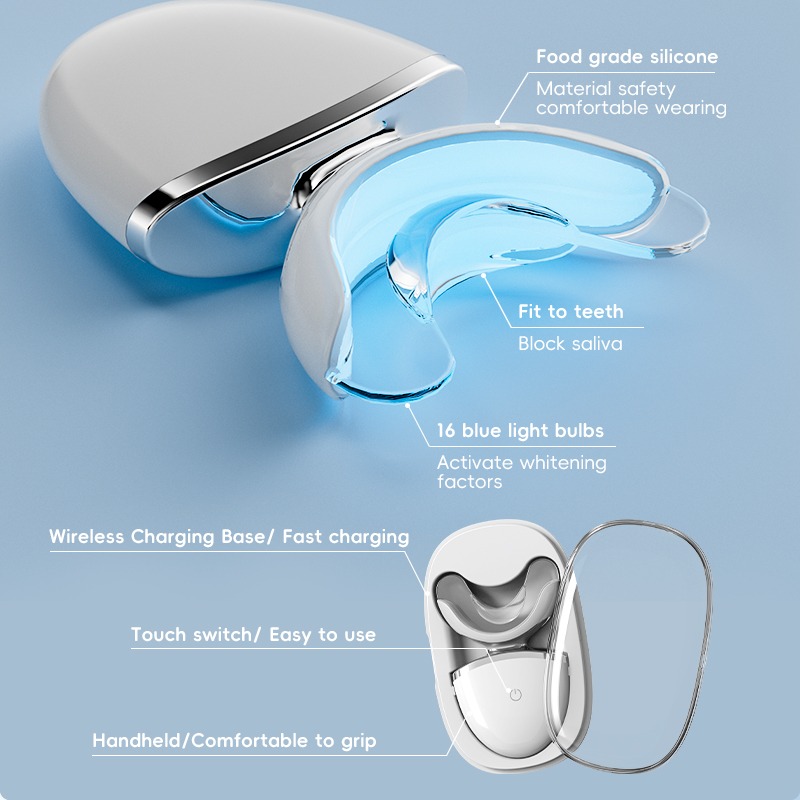
In the realm of whitening devices and light-assisted oral care, light decay is often considered a mere performance issue. However, recent research indicates that this subtle degradation in light output may be a silent threat, contributing to tooth demineralization. Could weakened light systems be directly harming enamel integrity? This article explores the underlying mechanisms and offers prevention strategies for manufacturers. Understanding Light Decay: More Than Just Power Loss Light decay refers to the gradual reduction in output intensity of LED or laser modules used in teeth whitening and oral care devices. This reduction can stem from: Heat-induced degradation of LED diodes Optical lens contamination or yellowing Driver circuit instability Poor-quality materials in light modules While reduced light output seems to affect only whitening efficacy, its impact on enamel health is often overlooked. Why Tooth Demineralization Matters in Whitening Procedures Tooth demineralization is the process of calcium and phosphate loss from enamel, weakening the tooth’s protective layer. In whitening treatments: Hydrogen peroxide or carbamide peroxide opens enamel tubules to remove stains Light activation enhances peroxide breakdown for faster results However, open tubules make enamel temporarily vulnerable to mineral loss If whitening chemistry is not carefully balanced with controlled light activation, long-term…
When sourcing kids oral care products, brands must prioritize safety, effectiveness, and child-friendly design. Whether you're a distributor, retailer, or dental clinic looking for reliable pediatric dental supplies, selecting the right B2B manufacturer is crucial. This guide will help you identify the best children's dental products while ensuring compliance with international safety standards. Why Safe & Engaging Kids Oral Care Products Matter Children have delicate gums and developing teeth, making safe toothbrushes for kids a top priority. Poor-quality products can cause irritation or fail to clean effectively, leading to long-term dental issues. Additionally, kids are more likely to embrace oral care if products feature fun designs, gentle bristles, and appealing flavors. When sourcing children's dental products, look for: Soft, rounded bristles to protect gums Non-toxic, BPA-free materials Ergonomic handles for small hands Attractive colors & characters to encourage brushing Key Features to Look for in a Supplier Not all manufacturers specialize in pediatric dental supplies, so vetting your supplier is essential. Consider these factors: Certifications – Ensure compliance with FDA, CE, or ISO standards.Customization Options – Can they offer branded designs or age-specific products?Safety Testing – Do they conduct rigorous quality checks?Innovative Technology – Some suppliers integrate cold light whitening technology in kid-safe whitening products. A trusted manufacturer should provide detailed product specifications and safety documentation. Must-Have…
In water-based personal care products—such as water flossers, facial steamers, or humidifiers—tank mold has emerged as a silent threat. When left unaddressed, it not only affects product hygiene but can also trigger bacterial regrowth, potentially turning an everyday device into a long-term health risk. In this blog, we explore the relationship between tank design, mold formation, and microbial resurgence, and explain how manufacturers can prevent these issues through engineering and process control. What Causes Tank Mold in Consumer Devices? Tank mold typically forms in water reservoirs that are enclosed, hard to clean, or exposed to warm, humid conditions. When users refill tanks without thorough drying or cleaning, residual moisture creates an ideal breeding ground for microbial colonies. Over time, the humid interior, combined with organic residues (like saliva, essential oils, or skin cells), facilitates fungal growth—especially on porous or improperly sealed surfaces. Once this mold appears, it not only produces unpleasant odors but also begins releasing spores into the water system. How Bacterial Regrowth Starts in Contaminated Tanks While mold is visible and easier to detect, bacterial regrowth is the more dangerous counterpart. When a device’s internal water pathway is contaminated, certain bacteria—such as Pseudomonas aeruginosa or Streptococcus—can regrow after…
Tooth microfractures and mucosal abrasions may sound like isolated inconveniences, but when they appear together, they often signal deeper structural and safety concerns that can quickly escalate without intervention. For manufacturers, distributors, and professional buyers, understanding this combination is essential to ensure product safety, avoid liability, and protect brand reputation. What Causes Tooth Microfractures? Tooth microfractures are tiny cracks in the enamel or dentin layers. Common triggers include: Excessive mechanical stress from hard bristle tips Vibrations generated by high-frequency motors with insufficient damping Inconsistent pressure applied during use due to poor handle ergonomics Left unaddressed, microfractures can gradually propagate, leading to tooth chipping, sensitivity, or even structural failure. How Do Mucosal Abrasions Develop? Mucosal abrasions are shallow injuries to the soft tissues lining the cheeks, lips, and gums. They often result from: Sharp edges or seams in brush heads or accessories Accumulated residues that create abrasive surfaces Uncontrolled oscillation amplitude causing accidental scraping While minor abrasions typically heal in days, repeated trauma increases the risk of infection and chronic discomfort. Company web:https://www.powsmart.com/product/electric-toothbrush/ The Dangerous Interaction Between Microfractures and Abrasions When tooth microfractures coincide with mucosal abrasions, the risk to users compounds significantly: Microfractured enamel creates rough surfaces that further irritate…
For many oral care device manufacturers, button decay has quietly emerged as an underestimated contributor to unexpected sensitivity spikes in end users. While it is tempting to assume that incorrect operation is to blame, in reality, deteriorating button components often trigger irregular performance that no amount of user diligence can prevent. In this article, we explore how these failures arise, why they create unexpected discomfort, and what manufacturers can do to eliminate the risk at the design level. What Is Button Decay? Button decay refers to the gradual degradation of mechanical or capacitive switch components. Over time, exposure to moisture, toothpaste residue, and repeated pressure can lead to: Internal corrosion of conductive layers Loss of tactile responsiveness Intermittent contact triggering random signals When buttons decay, they may fail to engage properly or, worse, generate unintended commands that activate higher-intensity settings without the user realizing it. How Sensitivity Spikes Develop Sensitivity spikes are sudden, pronounced sensations of discomfort during brushing or treatment cycles. They typically stem from: Unexpected mode changes to high-power or massage functions Prolonged exposure to intense vibrations or pressure Interrupted cycles that restart at full strength As button decay progresses, these random shifts in intensity become more frequent,…
In today’s increasingly scrutinized oral care market, few issues generate more alarm than chemical residues left behind on products. When these residues lead to throat irritation, manufacturers and distributors are right to question: Are we dealing with a minor nuisance or a serious toxicological hazard? In this article, we will explore how chemical remnants build up, why they provoke throat discomfort, and what proactive measures can safeguard both user health and your brand reputation. What Are Chemical Residues and Where Do They Come From? Chemical residues refer to trace amounts of solvents, detergents, or production byproducts that remain on the surface of a product after manufacturing. Typical sources include: Incomplete rinsing during cleaning stages Cross-contamination from shared production lines Packaging materials that leach compounds Excess disinfectant or lubricant application While often invisible, these residues can interact with mucosal tissues upon use, especially in devices like toothbrushes, trays, and irrigators that spend prolonged time in the mouth. Why Throat Irritation Is More Common Than You Think Throat irritation occurs when chemical traces dissolve into saliva and migrate to the back of the throat, where delicate mucosal linings are highly sensitive. Over time, this can lead to: Burning sensations or soreness Difficulty…
In the growing landscape of dental aesthetics, few concerns are more alarming to users than taste loss following mucosal burns. As whitening products become increasingly potent, manufacturers and distributors face the delicate challenge of balancing efficacy with safety. Is diminished taste just a short-lived inconvenience—or is it an unacceptable price for a brighter smile? What Are Mucosal Burns and How Do They Occur? Mucosal burns refer to chemical or thermal injuries affecting the soft tissues lining the mouth, such as the gums, cheeks, and tongue. In whitening treatments, these burns typically arise from: Overexposure to peroxide-based gels Improper tray fitment causing leakage Excessive concentration of active ingredients Insufficient post-treatment neutralization When these factors combine, they can erode the protective mucosal barrier, triggering inflammation and damage. The Link Between Mucosal Burns and Taste Loss Taste loss—the partial or complete reduction in taste perception—can be a direct result of mucosal injury. This happens because: The taste buds on the tongue are highly sensitive and easily damaged by chemical burns. Inflammation disrupts nerve signals that transmit taste sensations to the brain. Severe burns can lead to scarring, permanently altering taste bud function. In B2B settings, frequent user complaints about impaired taste perception may…


.jpg)
.jpg)
.jpg)
.jpg)
.jpg)



.jpg)
.jpg)