When gum bleaching appears alongside a heightened pulpitis risk, it’s time for manufacturers and dental professionals to ask whether whitening treatments have crossed the line from cosmetic enhancement to clinical hazard. While tooth whitening remains one of the most popular aesthetic procedures, inappropriate product formulations, poor application technique, and inadequate safeguards can trigger irreversible damage to both soft tissues and the pulp. This article explains why these problems occur, how they’re linked, and what steps companies can take to protect users—and their own reputations.
Gum bleaching typically results from peroxide-based gels spreading beyond the tooth surface and contacting gingival tissue. Factors contributing to this include:
Although mild bleaching can be reversible, repeated exposure increases tissue irritation and sets the stage for more severe complications.
Pulpitis—inflammation of the tooth pulp—develops when peroxide penetrates enamel micro-cracks or dentin tubules, irritating the pulp chamber. In many cases, users initially notice transient sensitivity. However, if peroxide exposure persists, inflammation can escalate to irreversible pulpitis requiring endodontic treatment or even extraction.
Certain risk factors make pulpitis more likely:
While gum bleaching affects the surface, pulpitis damages the interior. When both occur simultaneously, the product or protocol is likely too aggressive. This dual complication signals:
Moreover, when gingival tissues are already compromised by bleaching, they are less able to protect underlying structures from further chemical penetration. Company web: https://www.powsmart.com/product/electric-toothbrush/
For B2B customers and dental professionals, it is critical to recognize early warning signs:
Prompt identification can limit damage and allow intervention before pulpitis becomes irreversible.
To reduce the likelihood of gum bleaching and pulpitis risk, consider these preventive measures:
Such safeguards not only protect users but also reduce warranty claims and legal exposure.
When reports of gum bleaching or pulpitis arise, companies should:
Rapid, transparent response helps maintain trust and demonstrates commitment to safety.
Gum bleaching and pulpitis risk are not inevitable side effects of tooth whitening. They are preventable consequences of inadequate design, poor instructions, or overly aggressive protocols. By investing in precise delivery systems, evidence-based formulations, and user education, manufacturers can ensure that whitening delivers confident smiles—not clinical emergencies. Contact us
.jpg)
.jpg)
.jpg)
.jpg)
How Does a Toothbrush with Timer Elevate a Smart Oral Care Device?
.jpg)
Head Detachment with Tank Cracks—Replace All?
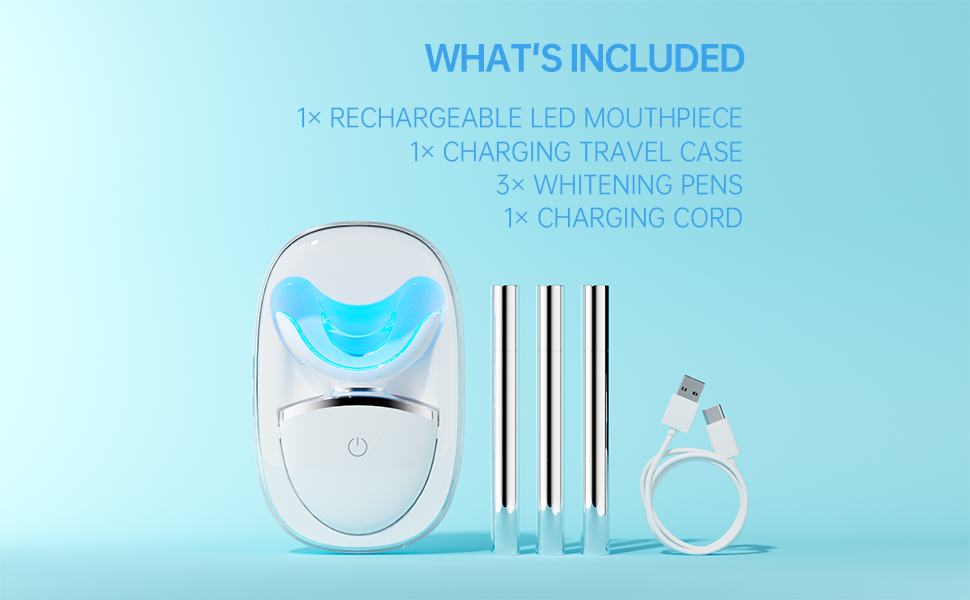
Innovating a Whitening Gel Formula for Your Cosmetic Product Development
.jpg)
Is Your Toothbrush Head Manufacturer Aligned with the Sustainable Toothbrush Movement?

Maximizing Profit Margins: How to Position Water Flossers as Premium Products

Herbal toothbrush India or Natural bristle toothbrush — which is safer for electric brush programs?
water flosser OEM factory
Sonic Toothbrush Export from China | OEM/ODM Professional Supplier
1-scaled.jpg)
The Growing Demand for At-Home Teeth Whitening & What It Means for Brands
.jpg)
Why Choose a Water Flosser for Sensitive Gums as a Core Gentle Oral Care Product?
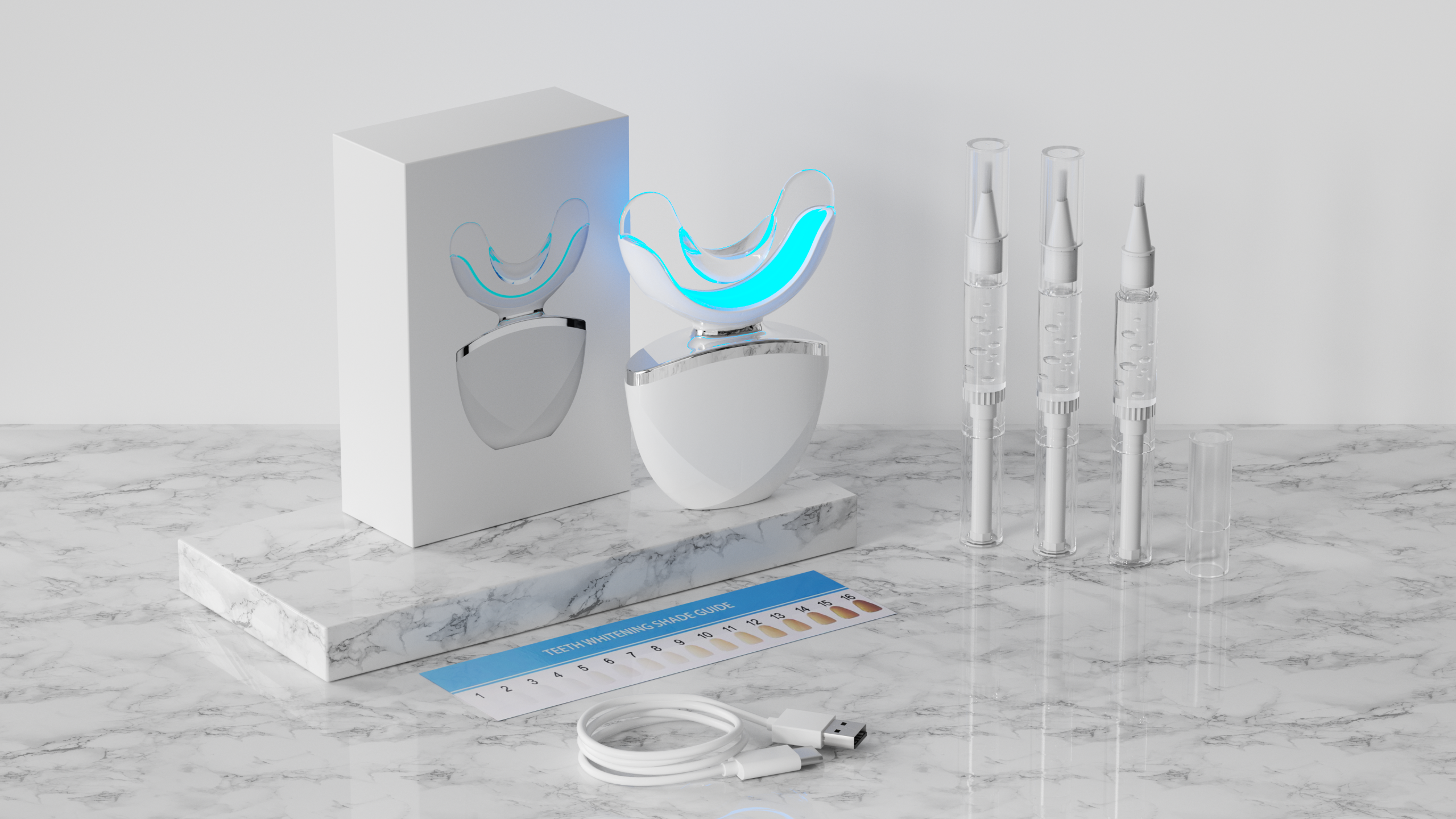
Key Advantages of Professional-Grade Home Teeth Whitening Devices

Key Selling Points That Make Water Flossers Stand Out

As a Micro Motor Supplier, Do You Guarantee Brush Head Compatibility?
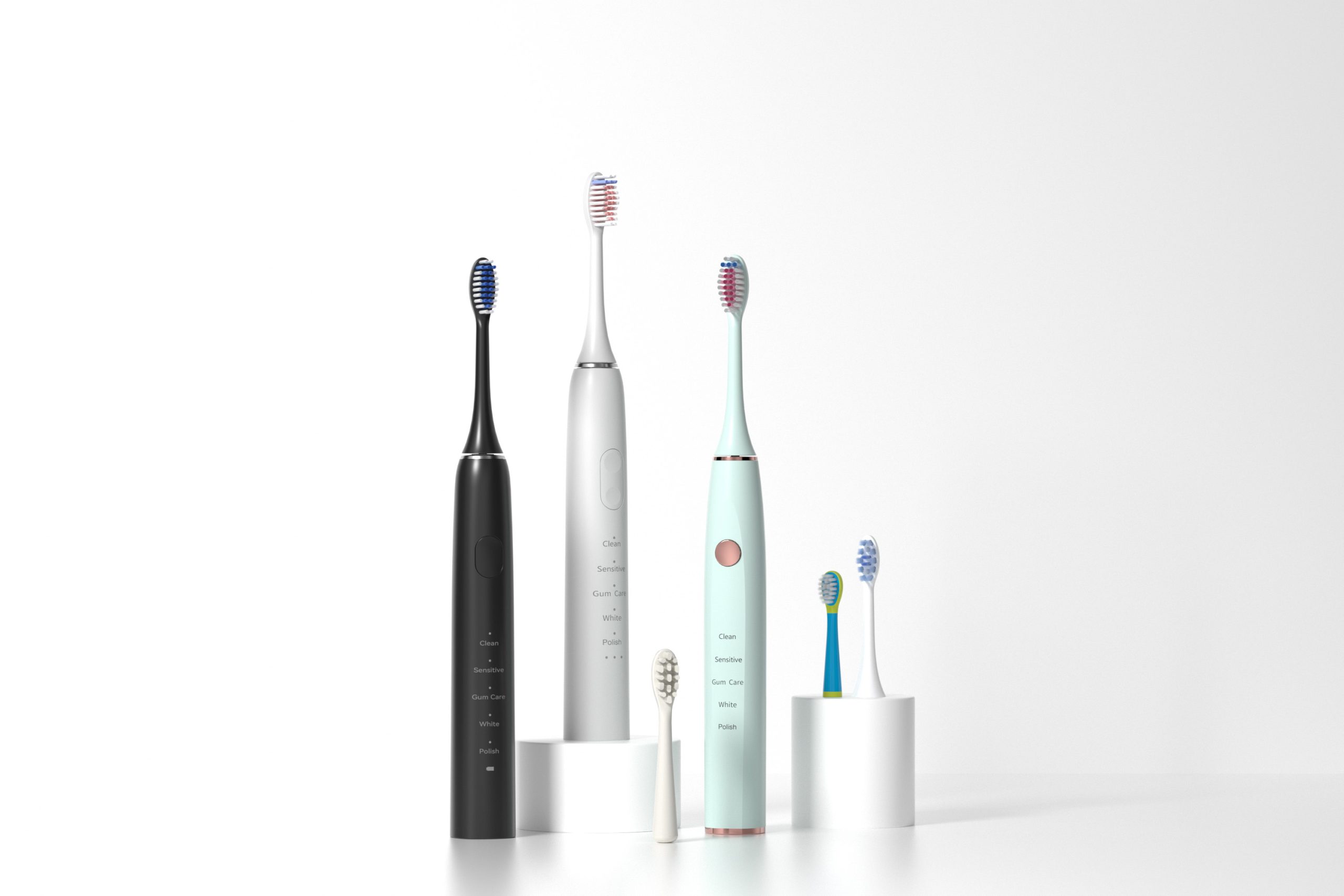
Can a Torque Control Motor Benefit from Advanced Kinematic Pair Design in Electric Toothbrushes?
How Consumption Upgrading Is Redefining Oral Care Product Development
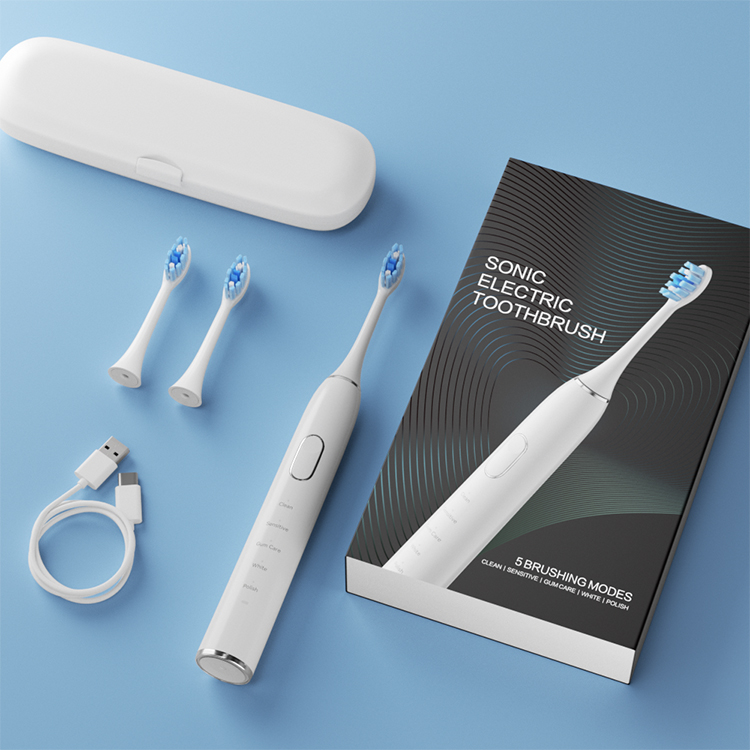
Why Is Cavitation Cleaning Technology More Effective With a Micro-Perforated Brush Head?


.jpg)
.jpg)
.jpg)
.jpg)
.jpg)





.jpg)
.jpg)
.jpg)