.jpg)
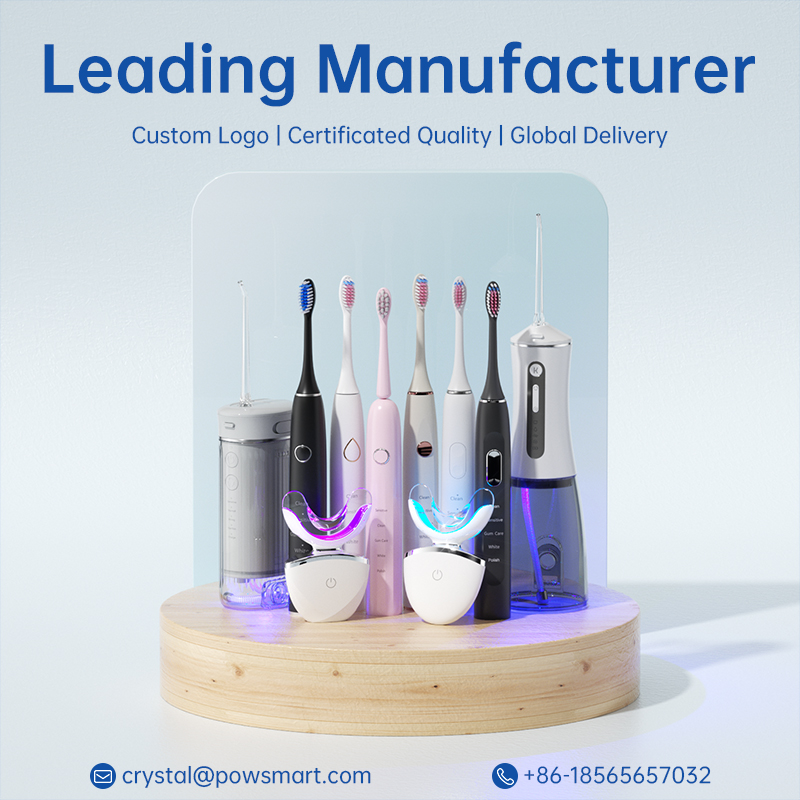
As we head into 2025, the global oral care market continues to show strong momentum. Increased health awareness, innovation in oral hygiene technologies, and consumer demand for convenience and aesthetics are reshaping what products succeed at retail and online. For distributors, the key question is: Which oral care products are most worth distributing in 2025? This blog explores the top oral care market trends, identifies high-demand products, and provides actionable distributor product selection strategies to stay ahead in a competitive landscape. Smart & Connected Devices Are Dominating Consumers are embracing smart technology in personal care. Electric toothbrushes with Bluetooth connectivity, pressure sensors, and app integrations are quickly moving from “nice-to-have” to standard expectations. High-demand products: AI-powered toothbrushes, pressure-sensitive models, smart brushing trackers Why it matters: Smart features enhance the user experience, increase brand loyalty, and justify premium pricing Distributor product selection strategy: Focus on brands offering upgradable or app-integrated models that align with consumer interest in data and personalization. The Rise of Oral Irrigators for At-Home Use Oral irrigators, once a niche professional tool, are now mainstream. With more consumers adopting at-home dental routines, these devices are becoming essential complements to brushing. High-demand products: Compact, USB-chargeable water flossers; multi-pressure-level irrigators; portable travel versions…
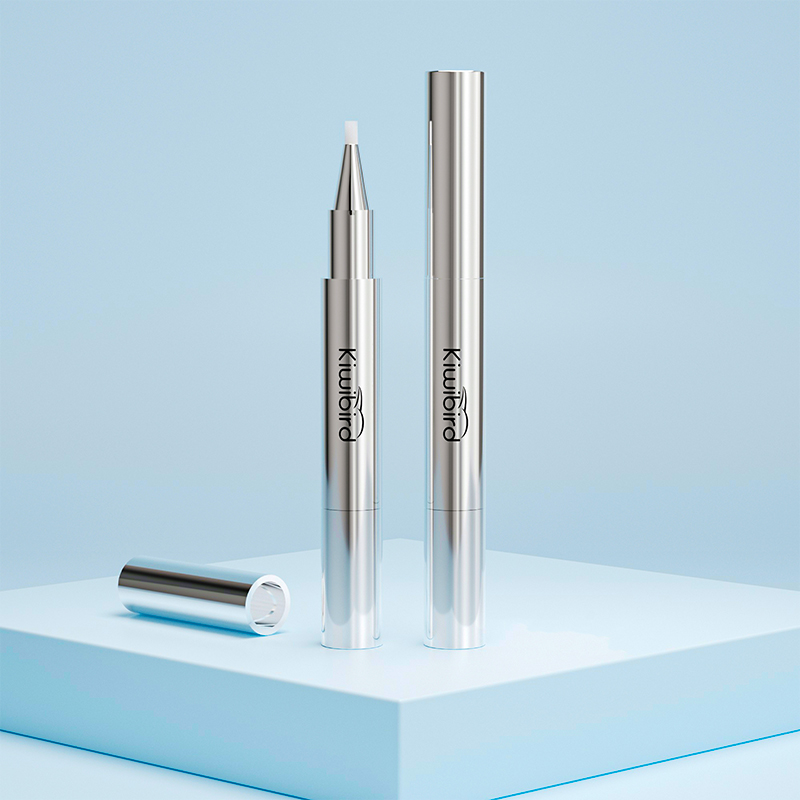
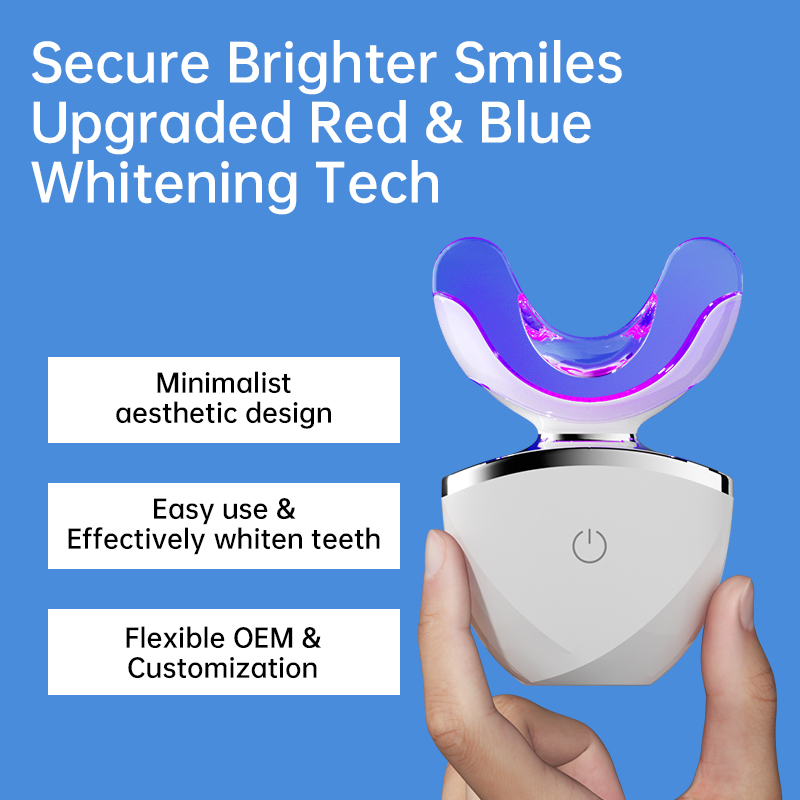
In the past, teeth whitening solutions were mostly associated with dental clinics and seen as medical equipment. However, in recent years, a significant Oral Beauty Revolution has occurred. Teeth whitening is no longer just about dental health—it's part of a broader lifestyle trend: oral beauty. Driven by consumer demand, particularly among female users, modern teeth whitening devices are evolving into sleek, stylish, and portable products. Today, wireless teeth whitening devices are no longer clinical tools—they’re personal beauty accessories, often found in a makeup pouch next to lipsticks and skincare items. Design Evolution: From Clinical to Chic One of the most noticeable shifts is how the appearance of teeth whitening devices has been upgraded. Previously bulky and medical-looking, today’s devices emphasize: Minimalist design Compact size for portability Sleek, cosmetic-style packaging Aesthetic appeal aligned with fashion and beauty products This change reflects the growing trend of oral beauty for women, where devices are judged not only by effectiveness but also by how “Instagrammable” they look. Wireless Functionality: Convenience Meets Technology Another key milestone in this revolution is the development of wireless teeth whitening devices. These innovations allow users to: Whiten teeth anywhere, anytime Connect devices via smartphones or use built-in smart timers Avoid…
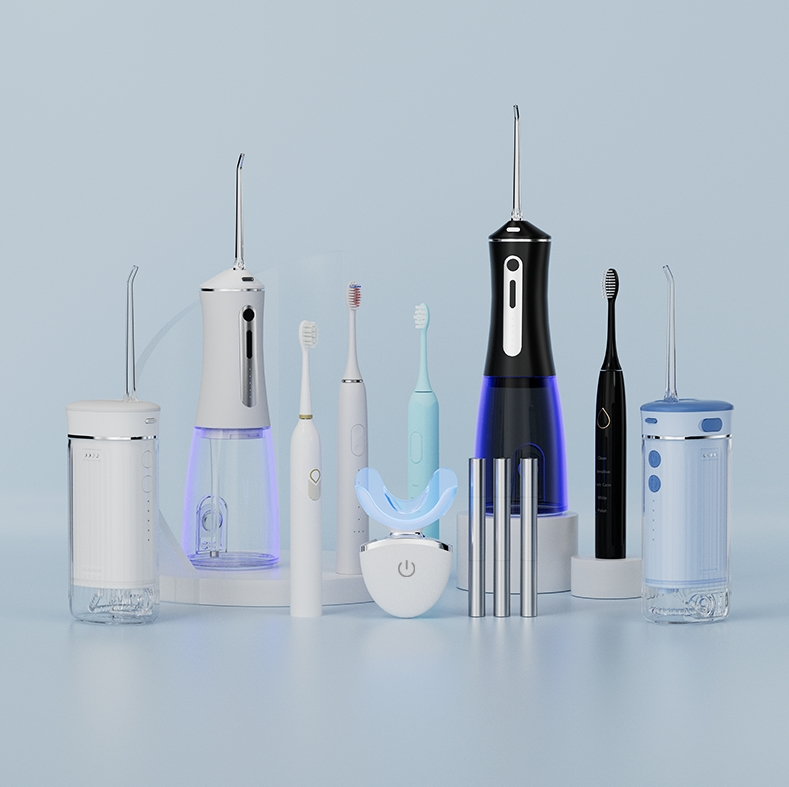
As at-home cosmetic dental care becomes more mainstream, the demand for user-friendly teeth whitening devices has surged. However, manufacturers and retailers frequently face complaints related to user errors—such as accidentally turning on the device, improper operation during use, or confusion about treatment duration. For every teeth whitening device factory, addressing these usability issues is key to both customer satisfaction and long-term product loyalty. This blog will explore how integrating smart countdown features and protection against accidental touches can reduce up to 70% of common misoperations, while significantly delivering an improved user experience. Why Misoperations Are So Common in Whitening Devices Misoperations occur due to several reasons: Lack of intuitive design (users can’t easily tell if the device is on or off) Sensitive touch buttons that react unintentionally No built-in usage feedback (users don’t know how long to use the product or when the treatment ends) These issues are especially common with entry-level or generic OEM models without smart features, damaging brand reputation and increasing return rates. The Smart Countdown Feature: Simple but Powerful A simple yet powerful solution is the integration of a smart countdown function into whitening devices. Here's how it works: Upon activation, the device automatically starts a pre-set treatment timer (e.g. 10 or 15 minutes) Visual…

In the competitive oral care industry, ensuring compliance with international safety standards is not optional—it’s essential. For manufacturers aiming to enter the U.S. market, teeth whitening device FDA certification is a key milestone. However, many products fail to pass FDA evaluation, delaying launches and damaging reputations. As a professional teeth whitening device factory, we have identified the three most common testing areas where home teeth whitening devices are rejected. This blog will walk through these tests and offer guidance on how manufacturers can avoid common pitfalls in the certification and safety of teeth whitening devices. Biocompatibility Testing Failure (Device Materials and Gel Interaction) What is tested?This test checks if any materials in the whitening device or the teeth whitening gel formulation cause irritation, toxicity, or allergic reactions when used in the mouth. Why it leads to rejection:If materials in the mouthpiece, LED casing, or especially the teeth whitening gel are not proven biocompatible, the FDA will reject the device. Non-medical-grade plastics or additives in gel formulas often trigger failures. How to avoid failure: Use FDA-registered, medical-grade silicone and plastics. Ensure your teeth whitening gel supplier provides ISO 10993 and USP Class VI test reports. Conduct biocompatibility testing early in the design phase. Electrical Safety…

The global demand for at-home teeth whitening solutions continues to rise, with consumers seeking fast, safe, and effective results. In this competitive landscape, red and blue light teeth whitening devices have emerged as innovative products that combine functionality with aesthetic appeal. However, with increased saturation, manufacturers must look beyond traditional product offerings to stay ahead. In this blog, we explore how businesses can identify opportunities for a teeth whitening device breakthrough in differentiated technology, grounded in strategic competitive product analysis and emerging user demands. Competitive Product Analysis: Understanding the Current Landscape To stand out, manufacturers must begin with a thorough competitive product analysis. This includes assessing: Core technology: Most current products rely solely on blue LED light to accelerate peroxide-based whitening gels. User experience: Many devices lack ergonomic designs or smart control features. Differentiation levels: Most offerings on the market have minimal variation in light wavelength, power settings, or treatment customization. This analysis reveals the gap in value-added features, presenting an opportunity for product teams to innovate in both form and function. The Role of Red and Blue Light: A Dual-Wavelength Approach Unlike standard blue light-only solutions, red and blue light teeth whitening devices introduce a new dimension of performance: Blue light (around 480nm):…
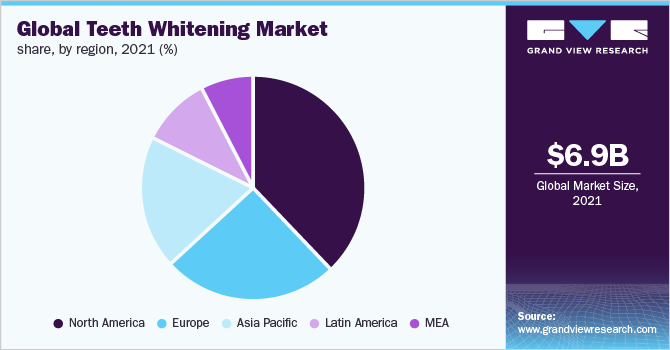
As global demand for oral beauty products surges, the whitening device markets in different regions have evolved uniquely. For any teeth whitening device manufacturer seeking to expand, understanding the nuanced consumer behaviors and certification requirements across regions is critical. In this post, we analyze how preferences differ between the European and American markets and the Asian market, helping businesses align their offerings with market demands and regional regulations. Market Demand Preferences Consumer motivations and usage habits vary dramatically between Western and Asian regions: European and American markets place a strong emphasis on high-efficacy, fast-result products. Whitening devices with high-concentration peroxide gels or LED-accelerated whitening kits dominate due to a consumer preference for visible results within days. The Asian market preference leans more toward mild, gradual-effect products. Consumers in countries like Japan, South Korea, and China tend to value gentle formulations, often free from harsh chemicals, emphasizing safety and daily usability. Western consumers frequently use at-home teeth whitening kits as part of cosmetic routines, often driven by lifestyle factors and media influence. In contrast, in many Asian countries, whitening is perceived as part of general hygiene and skin-brightening culture, with lower tolerance for potential side effects like sensitivity. Understanding these preferences…
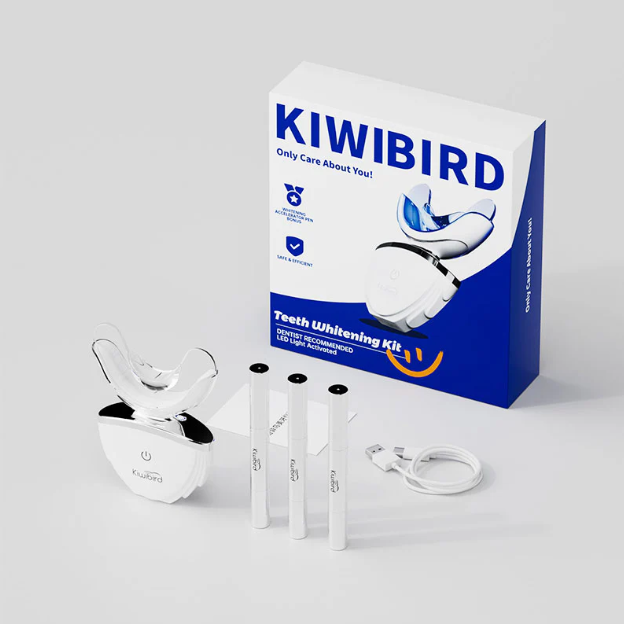
As the demand for at-home cosmetic dental solutions grows, red and blue light teeth whitening devices are increasingly gaining traction in both developed and emerging markets. For startup brands and new entrants, navigating small batch production and OEM sourcing can be complex. This article outlines key strategies for purchasing in small quantities while identifying a reliable Low MOQ OEM factory for your brand’s trial production. Why Small Batch Production Makes Strategic Sense Small batch production is no longer just a tactic for boutique businesses — it has become a practical approach for emerging oral care brands aiming to minimize risk and validate market response. By opting for small batch orders, businesses can: Test customer preferences without large upfront investment Adjust product formulations or packaging based on feedback Save warehousing and inventory costs Easily adapt to rapid trend shifts in the teeth whitening market Partnering with a teeth whitening device manufacturer that supports small batch production enables a brand to maintain agility while exploring innovative technologies like red and blue light dual-function therapy. How to Evaluate a Low MOQ OEM Factory for Whitening Devices Finding a qualified Low MOQ OEM factory is critical for success. When sourcing an OEM partner for…
.jpg)
As consumer demand for tooth-whitening intensifies, color relapse has become a core pain point—yet its consequences go beyond aesthetics. Repeated or frequent whitening treatments not only prompt users to undergo multiple bleaching cycles but can also disrupt the oral ecosystem, causing unintended oral microbiome impact. Thus, B2B manufacturers must balance long-lasting shade durability with microbiome health when formulating and designing products. Causes and Timing of Color Relapse First, it’s essential to understand why teeth revert after whitening: Re-deposition of Pigments: Chromogens from foods and beverages (coffee, tea, red wine) reattach to the now-porous enamel surface. Micro-damage to Enamel: Oxidative bleaching creates micro-pores that facilitate deeper pigment penetration. Salivary Remineralization: The rate at which saliva redeposits minerals influences how quickly pigments become trapped again. Typically, relapse becomes noticeable 2–4 weeks post-treatment, with pigment retention correlating to biofilm formation. Dual Effects of Bleaching Formulas on the Oral Microbiome Next, bleaching agents exert conflicting pressures on oral bacteria: High-Concentration Peroxides: While effective at reducing plaque bacteria short-term, they also indiscriminately kill beneficial strains (e.g., Streptococcus sanguinis). pH Shifts: Many bleaching gels are alkaline; the resulting pH swing can favor acid-tolerant species once saliva buffers return to neutral. Residue Effects: Leftover bleaching by-products can…

As oral health solutions become more technologically advanced, phototherapy technology is emerging as a powerful tool in both teeth whitening and general oral care. This method uses specific light wavelengths—such as blue light, ultraviolet (UV), and infrared light—to activate biochemical reactions or stimulate healing processes. This blog explores the application of phototherapy technology in teeth whitening and phototherapy technology in oral care is revolutionizing the dental device market, particularly in home-use and professional-grade solutions. Blue Light Therapy: The Foundation of Modern Teeth Whitening Blue Light Therapy is the most commonly used form of phototherapy technology in teeth whitening cosmetic dentistry, especially for whitening. Its benefits include: Accelerated bleaching effects when combined with peroxide-based gels Shorter treatment time compared to gel-only whitening Minimal sensitivity for the user when wavelengths are optimized Application of phototherapy technology in teeth whitening is widely applied in both clinic-based devices and consumer-friendly home whitening kits. Manufacturers today integrate high-intensity blue LED modules to maximize whitening while maintaining safety. Ultraviolet Therapy: Disinfection and Whitening Synergy While not as commonly used in home products, Ultraviolet Therapy offers unique benefits in oral care when applied professionally: Antibacterial effects: UV-C light can neutralize bacteria and reduce plaque buildup Stain oxidation: UV light assists in breaking down deep surface stains when used carefully…
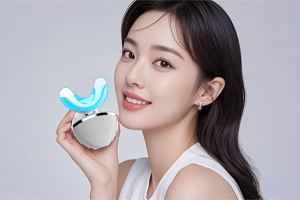
As blue light whitening devices become mainstream in both professional and at-home use, attention is shifting toward light wavelength accuracy and its impact on both whitening efficacy and oral safety. For OEM/ODM manufacturers, selecting the right wavelength of whitening teeth devices is a key differentiator in product performance, especially when dual light wave mode switching (blue + red) is involved. This guide will explain the function of each wavelength range, explore red light assisted treatment, and provide recommendations for wavelength configuration within a scientifically backed spectral safety range. Blue Light (460–490nm): Optimal for Whitening Acceleration The blue light wavelength range of 460–490nm is widely used to accelerate the chemical reaction between hydrogen peroxide and tooth stains. Its benefits include: Efficient stain breakdown by energizing the peroxide molecules Reduced treatment time for both professional and home users Minimal heat emission, reducing discomfort during use Choosing a wavelength in this band ensures a balance between whitening effectiveness and user comfort. Devices configured within this range have proven compatibility with most whitening gels. Red Light (620–660nm): For Enamel Protection and Gum Care Incorporating red light assisted treatment (620–660nm) into whitening devices is an advanced feature aimed at post-whitening care. Red light offers: Improved blood circulation in gum tissues Cell regeneration support, helping…
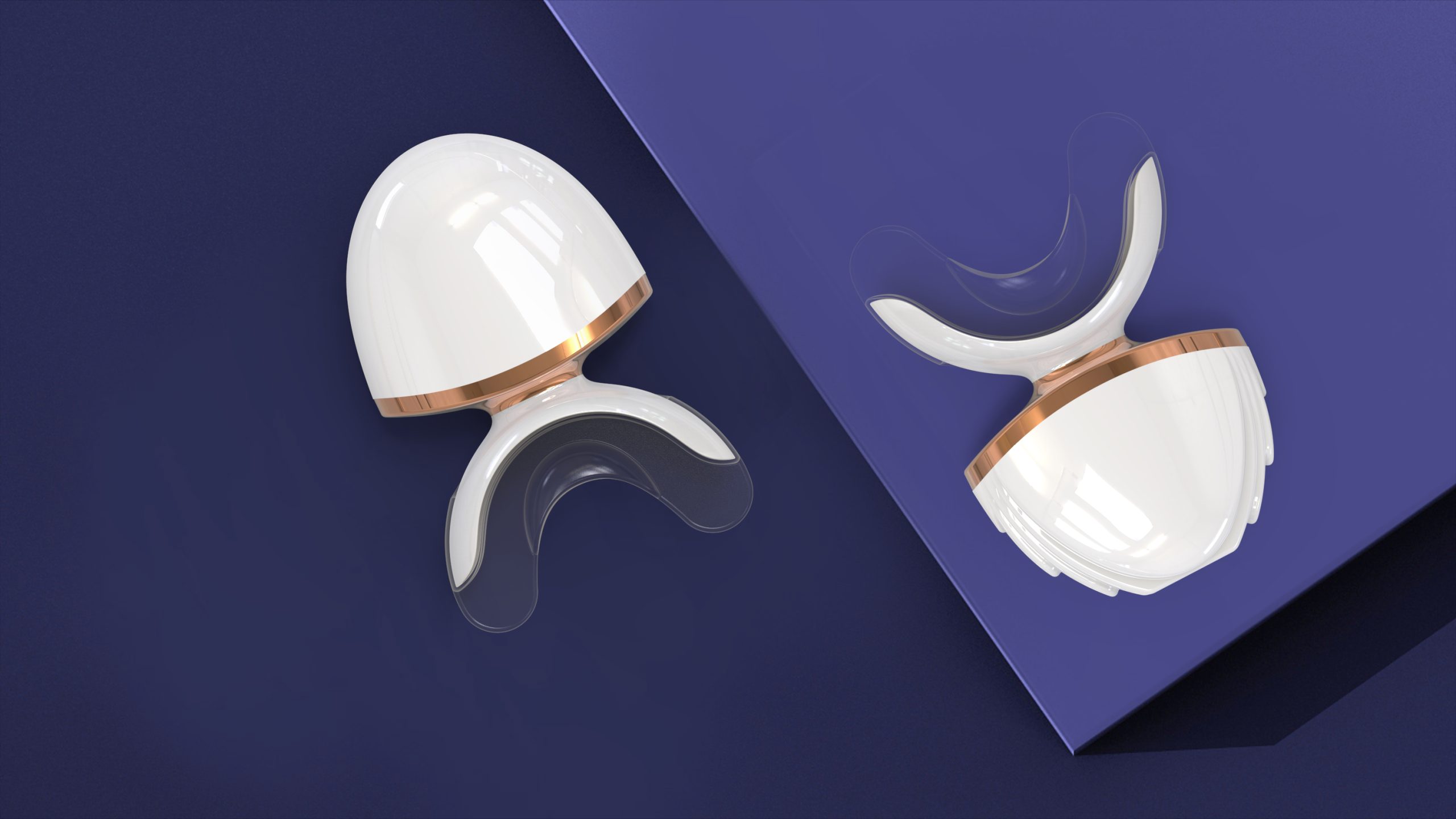
In the growing market of dental care and cosmetic enhancement, teeth whitening blue light has become a popular solution for achieving brighter smiles. However, questions surrounding the safety of blue light in teeth whitening devices, particularly wavelengths under 480nm, are often raised by consumers and professionals alike. This blog delves into the safety of blue light wavelengths, explores the science behind their use in teeth whitening, and discusses how teeth whitening OEM manufacturers can ensure safety while maintaining product effectiveness. The Science Behind Blue Light for Teeth Whitening Blue light technology works by activating the whitening gel applied to the teeth, enhancing the chemical reaction that breaks down stains. The key to its effectiveness is the specific blue light wavelength. Wavelengths under 480nm are typically used in teeth whitening because they effectively penetrate the tooth enamel and target the stain molecules without causing harm. Wavelengths under 480nm are considered safe for dental use because they are not strong enough to cause damage to teeth or gums. Understanding the exact wavelength range and its impact on tooth and gum health is crucial for both consumers and manufacturers. The Safety of Blue Light Wavelengths: What the Research Says Numerous studies and clinical trials have demonstrated that…
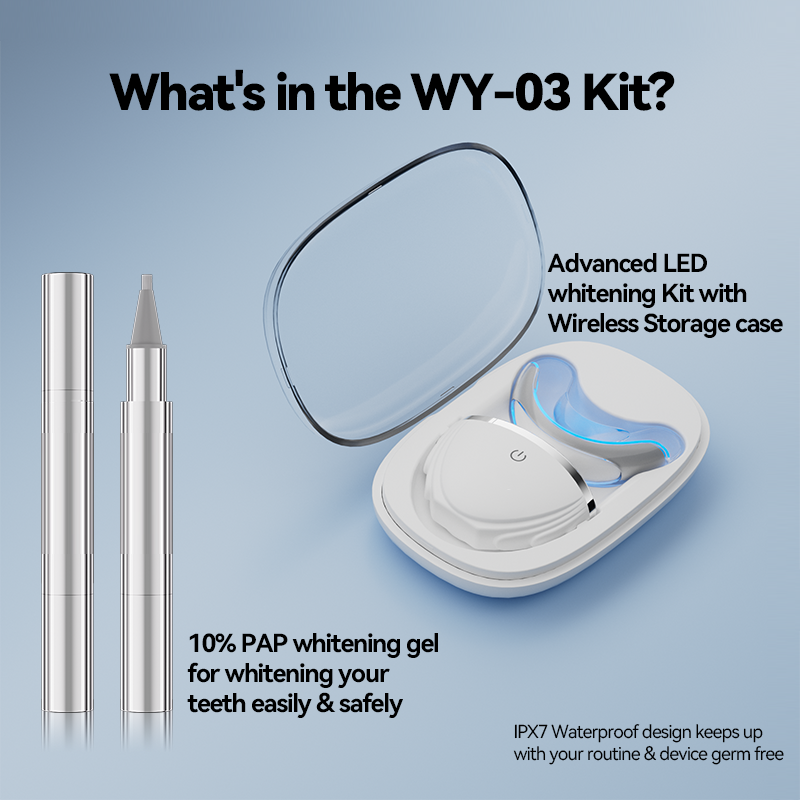
The global teeth whitening market is experiencing significant growth, driven by an increasing consumer desire for brighter smiles. As whitening gels gain popularity, it’s crucial for global brands to understand the regulatory environments in key markets like the EU and the US. EU whitening gel and US whitening gel regulations are not identical, and navigating these differences can be a complex process for international businesses. In this blog, we’ll compare the regulatory frameworks for whitening gels in these regions and offer guidance on how global brands can stay compliant. EU Whitening Gel Regulations: A Focus on Safety and Efficacy The European Union has strict guidelines when it comes to cosmetic products, including whitening gels. Under the EU Cosmetics Regulation (EC) No 1223/2009, whitening gels are categorized as cosmetic products, and their safety and efficacy must be rigorously evaluated before they can be marketed. Key Points of EU Regulations: Hydrogen Peroxide Limit: In the EU, the concentration of hydrogen peroxide (the active ingredient in many whitening gels) is not able to exceed 6% for consumer use. Products with a higher concentration require professional application only. Product Safety: Whitening gel formulations must undergo safety assessments conducted by a qualified safety assessor. The products must…
Why Quality Control Matters in the Teeth Whitening Industry In the competitive oral beauty and personal care market, whitening device quality control is not just about preventing defects—it’s about protecting your brand, building trust with end users, and meeting global compliance standards. For manufacturers of blue light teeth whitening devices, ensuring a low-defect rate requires a systematic and comprehensive approach to quality management. In this article, we’ll explore five critical steps every factory should follow, including manufacturer quality inspection processes, FDA certification, and rigorous reliability testing protocols. Material Sourcing and Component Verification Quality starts with the materials. From medical-grade silicone to LED chips and batteries, every component must be sourced from verified suppliers. A high-quality whitening device requires: Certified materials compliant with international standards (RoHS, CE, etc.) Batch-level testing of incoming parts (especially LEDs, as intensity and wavelength impact whitening effectiveness) Traceability systems to track defective batches back to their source Strict incoming quality control (IQC) helps prevent hidden issues before assembly begins. Precision Manufacturing and Assembly Protocols During production, consistency is key. A reliable whitening device quality control process includes: Standard Operating Procedures (SOPs) for each assembly station Real-time inspection of soldering quality, waterproof sealing, and circuit integrity Automated…
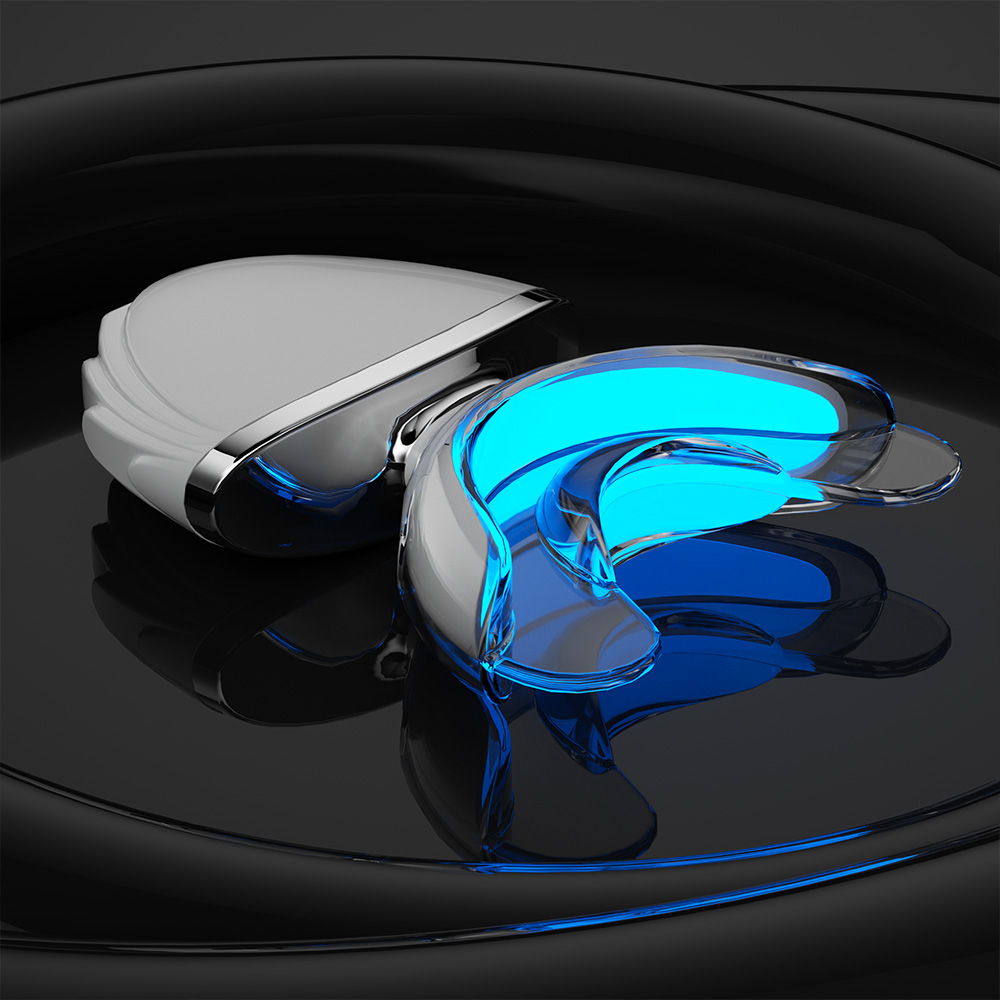
With the increasing demand for brighter smiles, cold light teeth whitening has become one of the most sought-after cosmetic dental procedures. This technique leverages a specific wavelength of light to accelerate the whitening process, breaking down stains more effectively than traditional whitening methods. But how exactly does the wavelength impacts whitening results? In this article, we will explore the science behind this technology and how different wavelengths influence whitening results. What Is Cold Light Teeth Whitening? Cold light teeth whitening is a non-invasive method that uses a special LED or laser light source to activate a whitening agent, typically hydrogen peroxide or carbamide peroxide. Unlike UV-based whitening treatments, cold light operates at a controlled wavelength that minimizes heat production, reducing the risk of gum irritation and tooth sensitivity. Key Benefits of Cold Light Teeth Whitening: Faster results compared to traditional whitening methods. Less heat and sensitivity, making it safer for the gums and enamel. More effective stain removal due to enhanced activation of whitening agents. The Role of Wavelength in Whitening Effectiveness The wavelength of light used in whitening treatments plays a crucial role in determining whitening effectiveness. Different wavelengths penetrate the enamel differently, affecting how well the whitening agent can break down stains. How Wavelength…
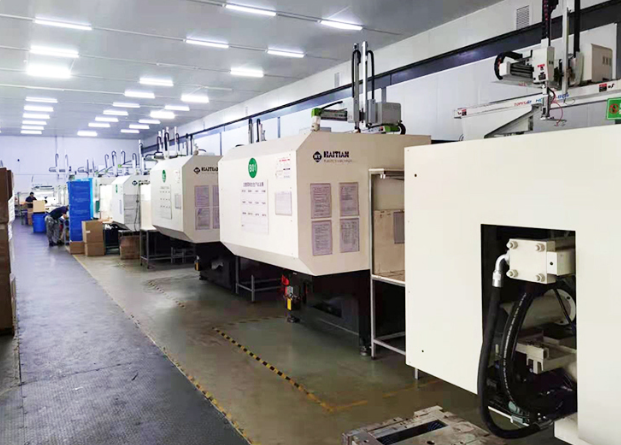
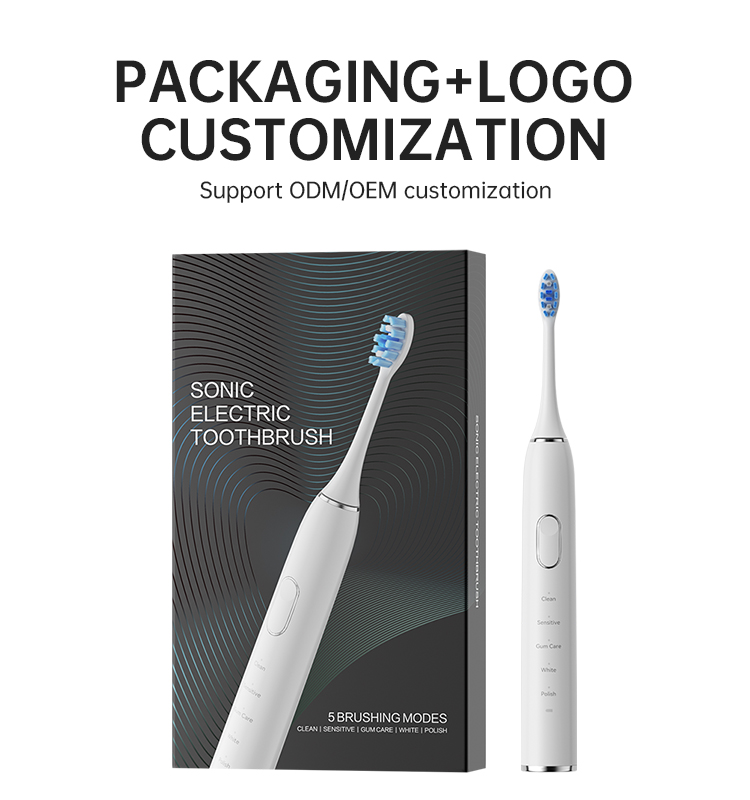
Electric toothbrushes have become an essential part of modern oral care, and their production requires high precision and quality assurance. Electric toothbrush injection molding plays a crucial role in manufacturing durable and high-performing products. Powsmart has been providing OEM/ODM service for over 20 years, main manufacturing products including electric toothbrushes, water flossers and teeth whitening products. https://www.powsmart.com/This article explores the injection molding process details, key factors influencing quality control, and strategies for production efficiency improvement. Understanding Electric Toothbrush Injection Molding The injection molding process for electric toothbrushes involves melting plastic materials and injecting them into molds to form the required components. This method ensures consistency, precision, and scalability in production. Key components manufactured using injection molding include: Toothbrush handle Brush head housing Internal structural parts Key Steps in the Injection Molding Process To ensure high-quality electric toothbrush components, manufacturers must follow these critical steps: a. Material Selection The choice of plastic materials affects durability, flexibility, and resistance to wear. Commonly used materials include ABS, polypropylene (PP), and polycarbonate (PC), which provide strength and chemical resistance. b. Mold Design and Precision Engineering High-quality molds determine the accuracy of the final product. The mold must be designed with: High precision to avoid defects…
With the growing demand for effective and safe teeth whitener products, powsmart technology co, ltd must continuously refine their processes to ensure high performance, safety, and regulatory compliance. By leveraging specialized production lines and innovative technology, we provide high-quality teeth whitening solutions that meet global market standards. Our advanced manufacturing approach guarantees efficiency, consistency, and product reliability The Rising Demand for Teeth Whitener Products In today’s beauty and personal care industry, a bright, white smile is a key aesthetic goal for consumers. The increasing popularity of teeth whitener products is driven by: Aesthetic trends emphasizing a clean, radiant smile. Consumer preference for at-home whitening solutions. Advancements in whitening formulas and non-invasive treatments. Growing awareness of oral health and hygiene. To meet this demand, manufacturers must innovate with safe and effective solutions that align with market expectations. Specialized Production Line: Ensuring Consistency & Quality A specialized production line is crucial for maintaining product uniformity, safety, and effectiveness. Our state-of-the-art production facilities are designed for the precise manufacturing of teeth whitener products, featuring: Automated Mixing & Formulation Technology – Ensures accurate ingredient proportions for effective whitening results. Precision Filling & Packaging Systems – Guarantees consistency in product dosing, minimizing human error. Controlled…
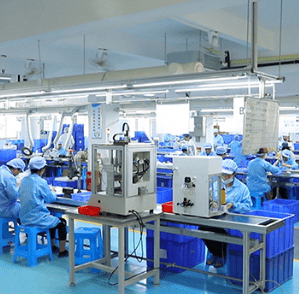
With the growing demand for cosmetic dental products, launching a teeth whitening brand has become an attractive business opportunity. However, in an increasingly competitive market, standing out requires a well-defined differentiation strategy. For brands leveraging the OEM model, differentiation is even more critical to create a unique identity and capture customer loyalty. In this blog, Powsmart is going to introduce differentiation strategy as a teeth whitening products manufacturer. Understanding the OEM Model for Teeth Whitening Products The OEM model allows businesses to develop a branded product without investing in manufacturing infrastructure. Instead, they collaborate with established manufacturers who provide private-label production. While this model reduces costs and speeds up market entry, it also creates challenges in differentiation, as multiple brands may source products from the same suppliers. Identifying Market Gaps and Consumer Needs Before entering the teeth whitening brand industry, conducting thorough market research is essential. Understanding consumer pain points, such as tooth sensitivity concerns or demand for natural ingredients, can help shape a unique product offering. Competitive analysis can also reveal opportunities to differentiate through product formulation, packaging, or brand positioning. Customizing Formulation and Ingredients One of the most effective ways to implement a differentiation strategy is through product formulation. Instead of offering…
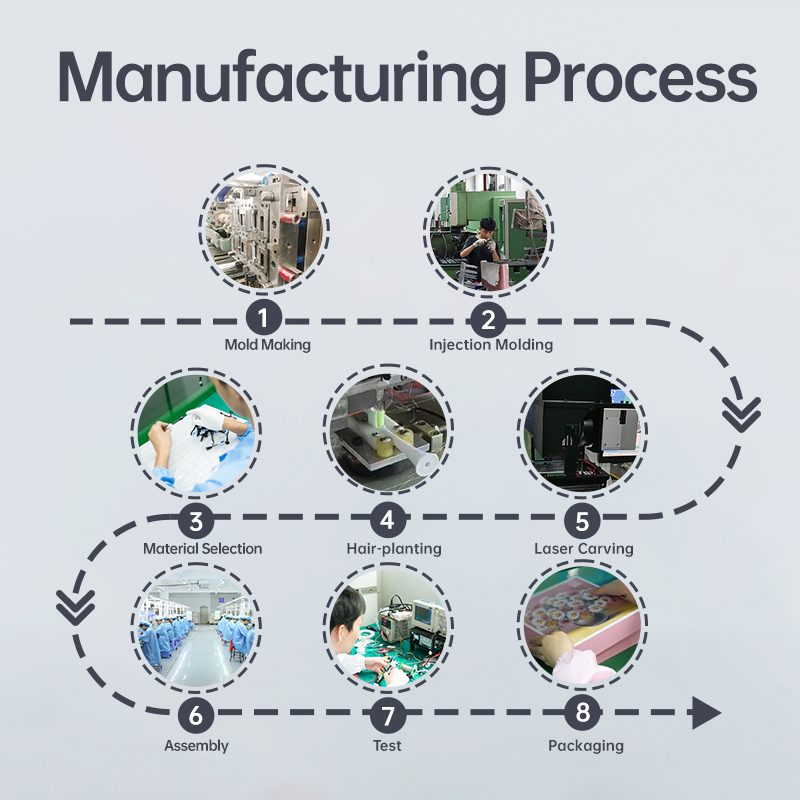
As the demand for teeth whitening products continues to rise, businesses seeking to enter the market often turn to OEM (Original Equipment Manufacturer) solutions. The Teeth whitening device OEM process allows brands to create customized products without investing in their own manufacturing facilities. In this guide, we will walk through the entire process, from initial design to final mass production, and explore the benefits of ODM/OEM cooperation with a reliable teeth whitening products factory. Market Research and Concept Development Before initiating an OEM project, thorough market research is essential. Understanding customer preferences, market trends, and competitive landscape ensures that your teeth whitening device meets consumer needs. Collaborating with an experienced teeth whitening products factory at this stage can provide insights into viable product features and design considerations. Product Design and Prototyping Once the concept is finalized, the next step involves creating a design blueprint. This includes: Device shape and ergonomic considerations Material selection for safety and durability Functional components such as LED lights, power sources, and whitening gel compatibility Manufacturers specializing in the Teeth whitening device OEM process will assist in prototyping, enabling you to test design feasibility before committing to mass production. Testing and Certification Quality assurance is crucial in the teeth whitening…
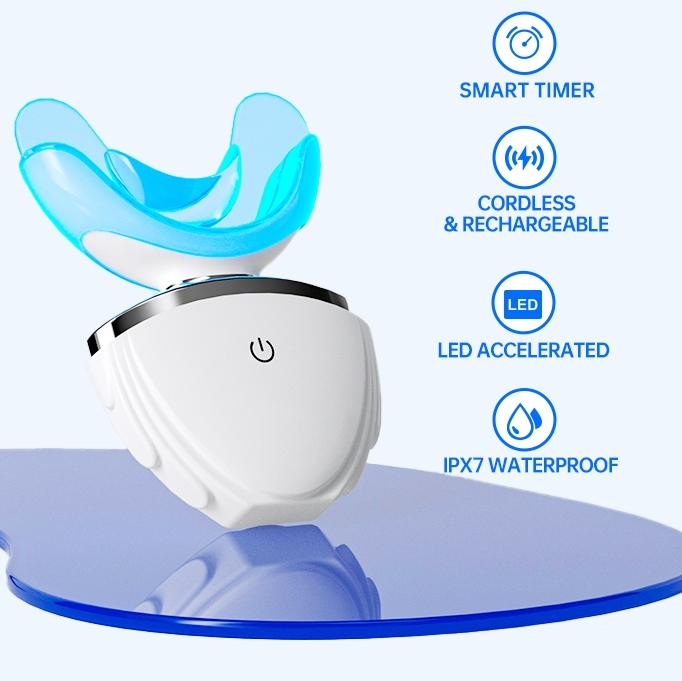
Teeth whitening has become a booming industry, with various teeth whitening devices emerging to meet consumer demands. Among them, two of the most widely used technologies are blue light technology and cold light whitening technology. While both techniques enhance the effectiveness of whitening agents, they operate on different principles and have distinct applications. This article provides an in-depth analysis of these core technologies, their differences, and their applications in the market. Understanding Teeth Whitening Devices Teeth whitening devices are designed to accelerate the breakdown of stains on the teeth by activating whitening agents, such as hydrogen peroxide or carbamide peroxide. These devices commonly utilize light-assisted technology to enhance the whitening process, making it faster and more effective. The two predominant types of light technology in the industry are blue light technology and cold light whitening technology. What is Blue Light Technology? Blue light technology utilizes a specific wavelength of blue LED light (typically around 480-520 nm) to activate the whitening gel applied to the teeth. This process accelerates the oxidation reaction, breaking down stains more effectively. Key advantages of blue light technology include: Fast activation of whitening agents Non-invasive and safe for dental enamel Widely used in at-home and professional whitening treatments…
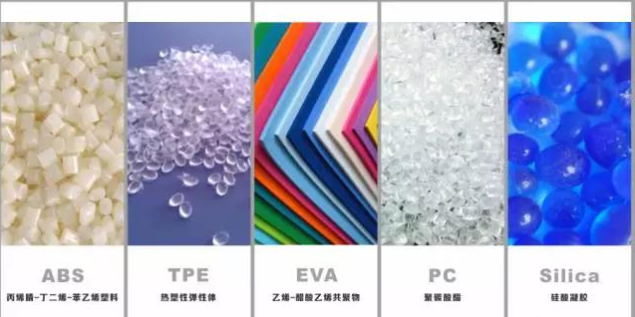
When it comes to oral care products, safety and compliance are paramount. Whether you're developing an electric toothbrush, a water flosser, or an LED teeth whitening device, ensuring your products adhere to Cosmetic Product Safety Report (CPSR) guidelines is essential for meeting regulatory standards and building consumer trust. This blog explores the CPSR material list and its importance in oral care product development. What Is a CPSR Material List? The CPSR material list is a comprehensive document that outlines all ingredients, materials, and components used in a product. For oral care products, this list ensures that every component meets the required safety standards for consumer use. By compiling this list, manufacturers can verify the safety and regulatory compliance of their products, minimizing risks and enhancing customer confidence. Why Is a CPSR Material List Important for Oral Care Products? Oral care products are in direct contact with sensitive areas, such as teeth, gums, and oral mucosa. Any unsafe materials can lead to health risks. The CPSR material list helps: Ensure ingredients are non-toxic and safe for oral use. Validate compliance with international and regional safety regulations. Provide a foundation for product certification and market approval. From the bristles of an electric…


.jpg)
.jpg)
.jpg)
.jpg)
.jpg)




.jpg)