In the competitive oral beauty and personal care market, whitening device quality control is not just about preventing defects—it’s about protecting your brand, building trust with end users, and meeting global compliance standards. For manufacturers of blue light teeth whitening devices, ensuring a low-defect rate requires a systematic and comprehensive approach to quality management. In this article, we’ll explore five critical steps every factory should follow, including manufacturer quality inspection processes, FDA certification, and rigorous reliability testing protocols.
Quality starts with the materials. From medical-grade silicone to LED chips and batteries, every component must be sourced from verified suppliers. A high-quality whitening device requires:
Strict incoming quality control (IQC) helps prevent hidden issues before assembly begins.
During production, consistency is key. A reliable whitening device quality control process includes:
These processes ensure the physical structure, internal wiring, and charging functions of each device meet precise tolerances—reducing both cosmetic and functional defects.
A two-level inspection system is essential to catch problems early and late in the process:
Professional manufacturers implement AQL (Acceptable Quality Limit) sampling based on international inspection standards.
Even a perfect device in the factory may fail under real-world conditions. That’s why reliability testing is critical to long-term performance and customer satisfaction. Key reliability tests include:
These tests reduce warranty claims and boost brand reputation by ensuring real-world durability.
To sell teeth whitening devices internationally, regulatory compliance is non-negotiable. Obtaining FDA certification, CE marking, or other regulatory approvals assures your partners and end users that the product is safe and effective.
Quality control systems should support:
For professional manufacturers of blue light teeth whitening devices, minimizing defect rates is not just about catching errors—it’s about building a culture of quality from sourcing to shipment. Through:
Verified component sourcing
Controlled production processes
Thorough inspection procedures
Rigorous reliability testing
International FDA certification and compliance
You can achieve a consistently low defect rate and deliver high-performance, trustworthy products to global markets.
Looking for a manufacturer with strong quality control systems? Contact us to learn how our factory ensures top-tier product reliability for your brand through OEM/ODM services.
The Advantages of Cooperating with Competitive Factories for the Growth and Expansion of Brand Owners
Case Study of Intelligent Upgrading of Dental Instrument Factory
.jpg)
Blue vs Red Light for Teeth Whitening: Choosing the Right OEM Technology
How to Choose a High-Quality LED Light Source for teeth Whitening Device? Factory Material Selection and Testing Standards

Do At-Home Light Therapy Teeth Whiteners Really Work?
Wavelength of Whitening Teeth Device Blue Light (460–490nm) and Red Light (620–660nm)Configuration Guide
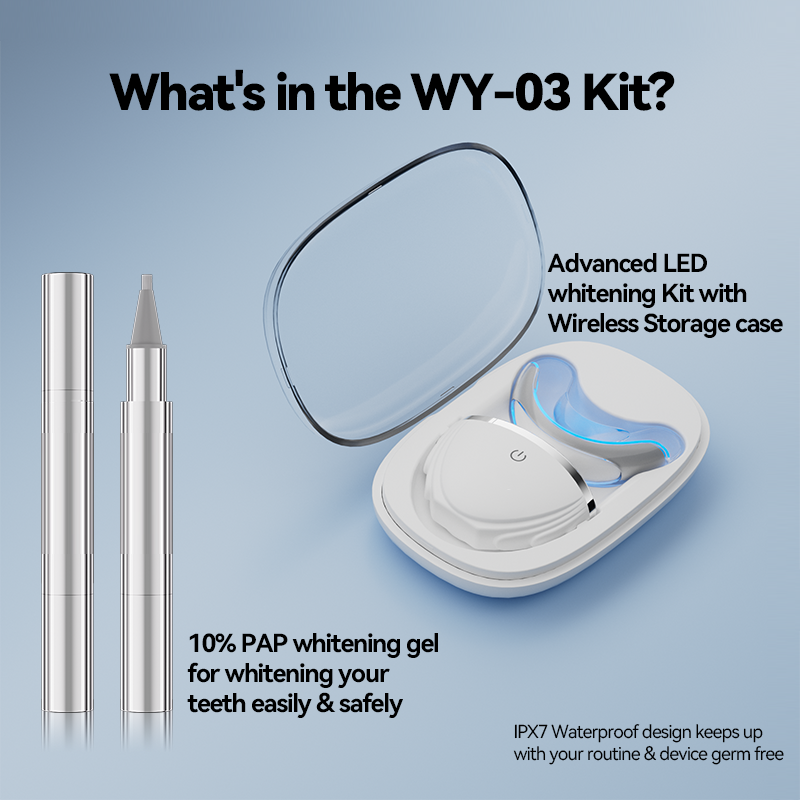
Red and Blue Light Teeth Whitening Device Aging Test Standard: 500 Hours of Continuous Working Reliability Verification

How Long Does It Take for a Teeth Whitening Device to Show Results?
How Does Cold Light Wavelength Affect Bleach Decomposition?
Blue Light Whitening Device OEM Solutions for Global Brands
-3-scaled.png)
Portable Teeth Whitening Device: How to Make It the Size of travel friendly but Maintain 100% Effectiveness?
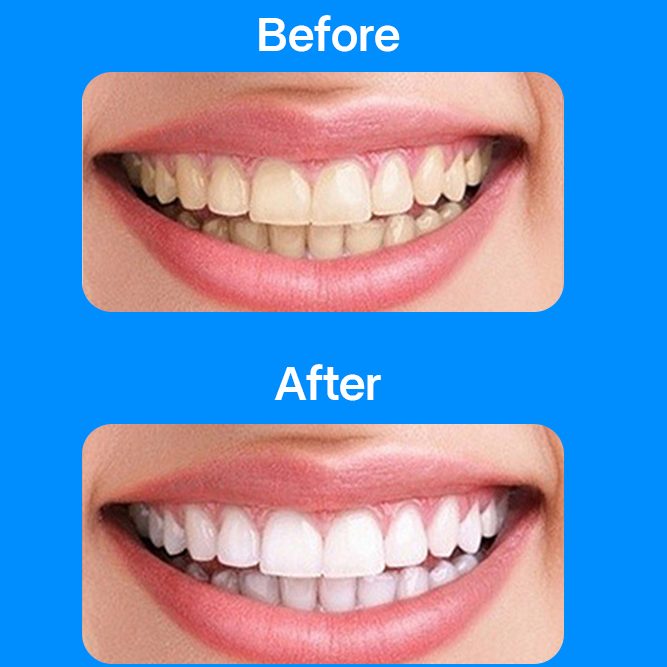
Precautions During Use – Maximize the Effectiveness of the Home Teeth Whitening Device
Optimizing the teeth whitening device production cycle: How Can Professional Manufacturers Shorten Delivery Time?
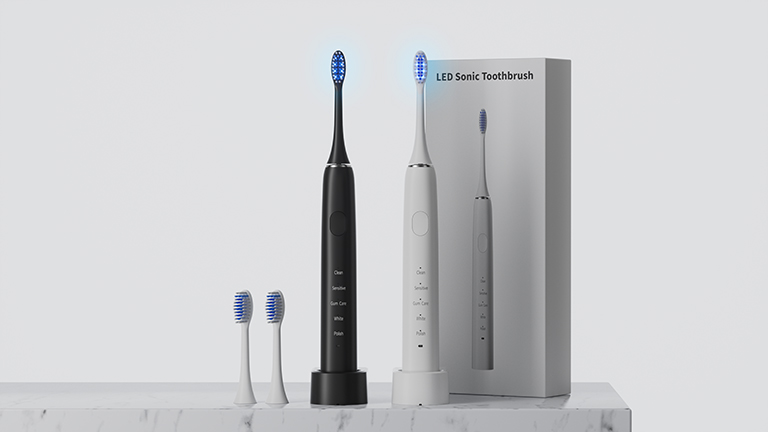
How Long Does It Typically Take to See Results in Teeth Whitening When Using Electrical Oral Care Products?
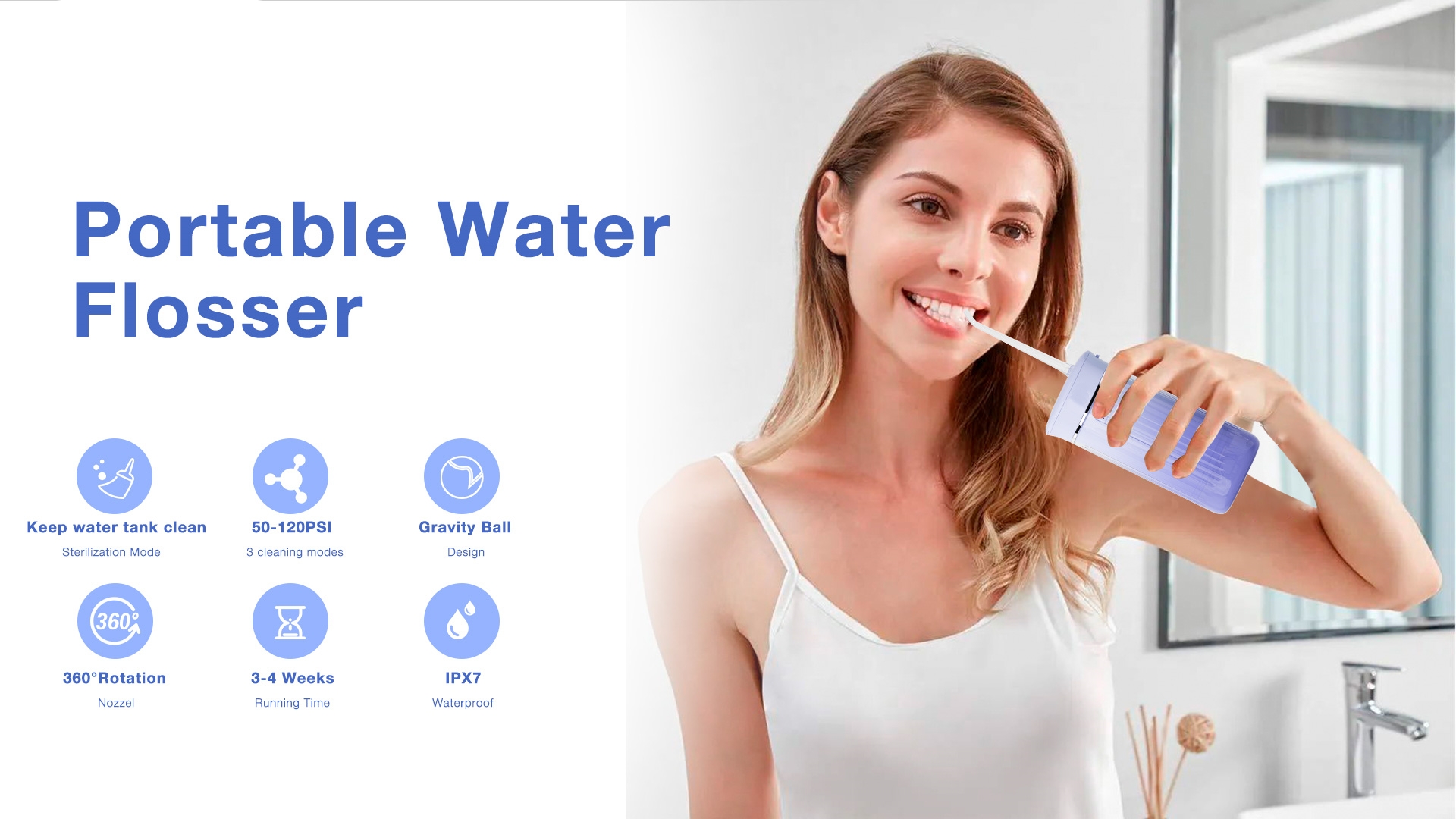
The Market is Growing Rapidly: Is There Still an Opportunity to Enter the Oral Irrigator Industry?
-2-scaled.png)
How to Source the Best Teeth Whitening Device Manufacturers for Your Brand


.jpg)
.jpg)
.jpg)
.jpg)
.jpg)