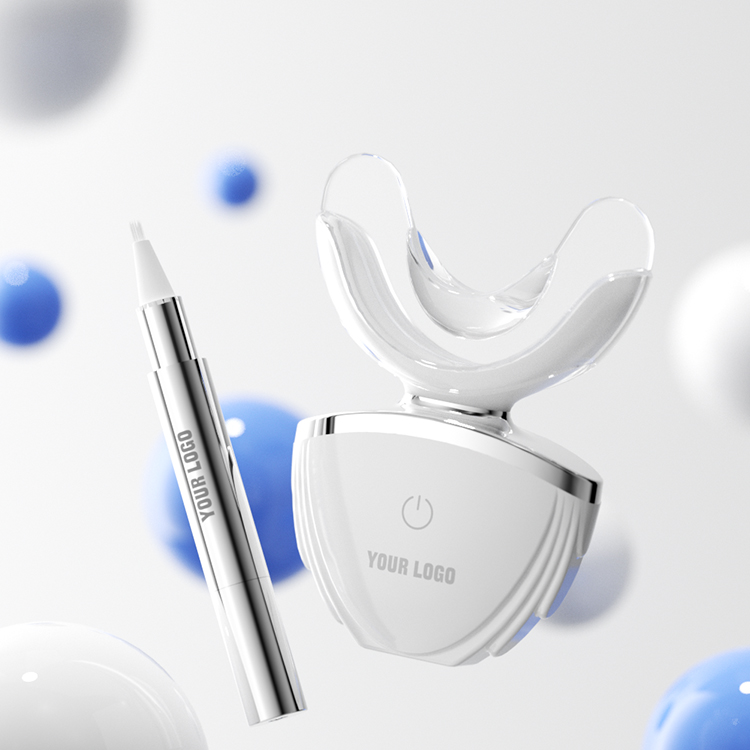
Teeth whitening has become a booming industry, with various teeth whitening devices emerging to meet consumer demands. Among them, two of the most widely used technologies are blue light technology and cold light whitening technology. While both techniques enhance the effectiveness of whitening agents, they operate on different principles and have distinct applications. This article provides an in-depth analysis of these core technologies, their differences, and their applications in the market.
Teeth whitening devices are designed to accelerate the breakdown of stains on the teeth by activating whitening agents, such as hydrogen peroxide or carbamide peroxide. These devices commonly utilize light-assisted technology to enhance the whitening process, making it faster and more effective. The two predominant types of light technology in the industry are blue light technology and cold light whitening technology.
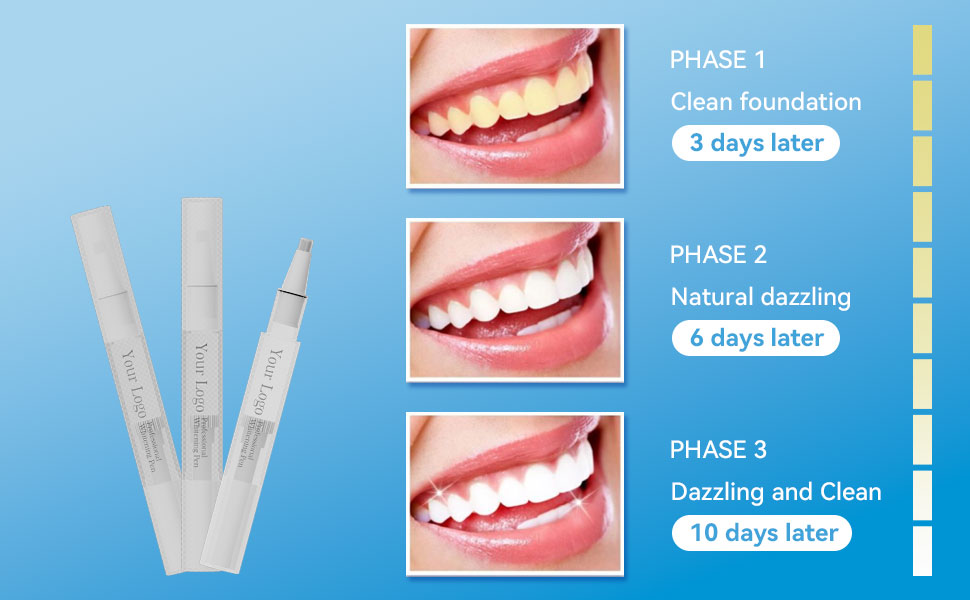
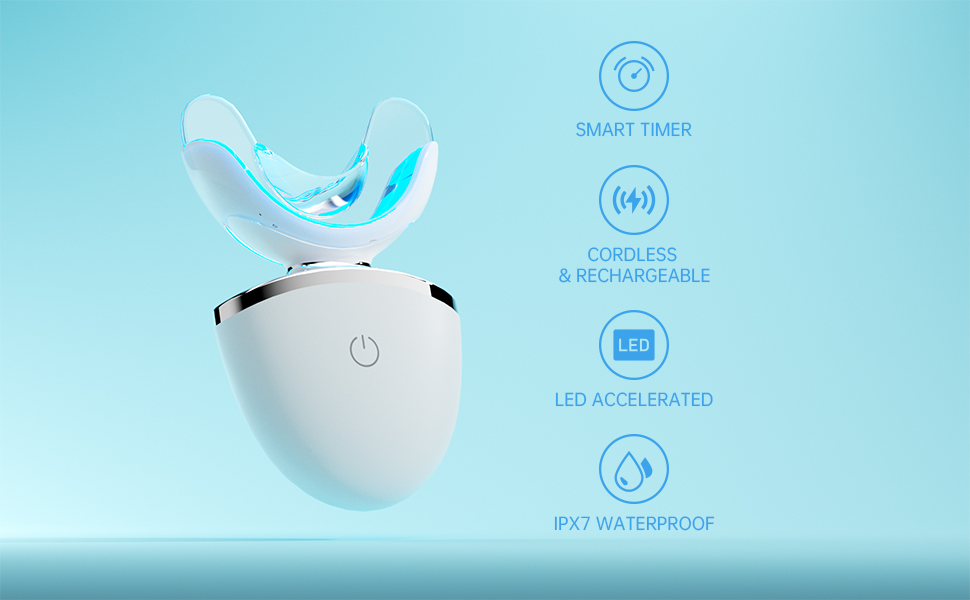
Blue light technology utilizes a specific wavelength of blue LED light (typically around 480-520 nm) to activate the whitening gel applied to the teeth. This process accelerates the oxidation reaction, breaking down stains more effectively. Key advantages of blue light technology include:
Fast activation of whitening agents
Non-invasive and safe for dental enamel
Widely used in at-home and professional whitening treatments
It’s often confused with blue light technology, employs a more controlled light source that emits minimal heat. The primary feature of this technology is the use of filtered light to eliminate harmful UV and infrared radiation, preventing potential damage to oral tissues. Benefits include:
Lower risk of tooth sensitivity and gum irritation
More comfortable experience for users
Enhanced whitening effectiveness without excessive heat generation
| Feature | Blue Light Technology | Cold Light Whitening Technology |
| Light Type | Blue LED light | Filtered cold light |
| Heat Emission | Minimal | Almost none |
| Whitening Speed | Fast activation | More controlled whitening |
| Comfort Level | May cause sensitivity | Lower sensitivity and irritation |
| Application | Home & professional use | Mostly professional use |
Both blue light technology and cold light whitening technology have their specific applications based on consumer needs and business models:
At-Home Whitening Kits: Blue light technology is widely used in portable whitening devices, providing consumers with an affordable and convenient whitening solution.
Professional Whitening Clinics: Cold light whitening technology is preferred in professional dental settings due to its enhanced comfort and lower risk of sensitivity.
High-End Cosmetic Treatments: Some premium whitening solutions integrate both technologies to maximize effectiveness and user comfort.
For manufacturers and suppliers in the teeth whitening industry, understanding the differences between blue light technology and cold light whitening technology is crucial for product development and market positioning. Businesses should consider factors such as customer preferences, treatment effectiveness, and comfort levels when selecting the appropriate technology for their teeth whitening devices.
.jpg)
Blue Light Whitening Device Wholesale
Smart Toothbrush India | Modern Oral Care Solutions
Private Label Teeth Whitening Kits with LED Technology: A Complete OEM Guide
How Wireless Tech is Revolutionizing Oral Care Devices
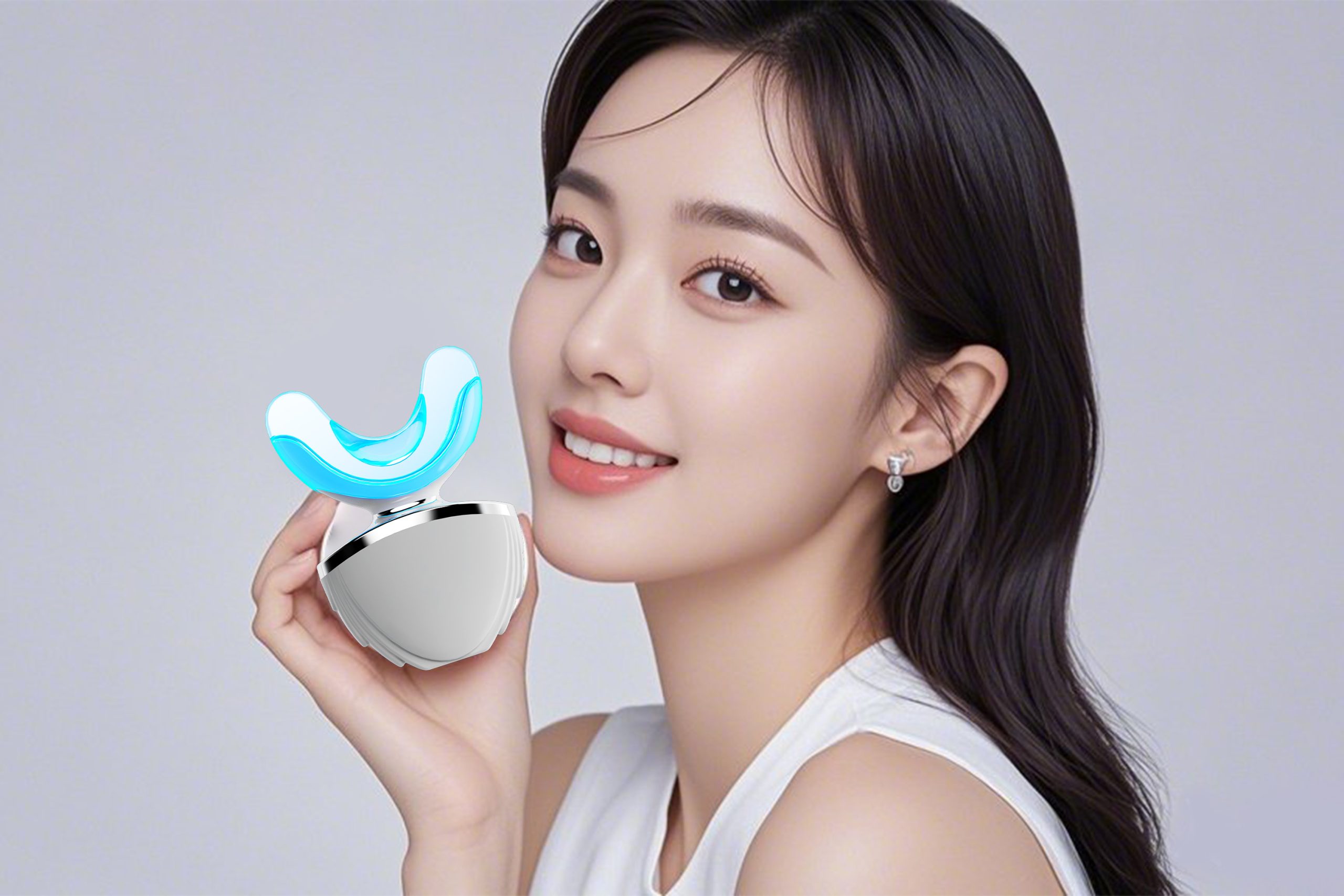
Can Blue Light Teeth Whitening Devices and Whitening Gels Be Used During Pregnancy?
How Does Cold Light Wavelength Affect Bleach Decomposition?
Wavelength of Whitening Teeth Device Blue Light (460–490nm) and Red Light (620–660nm)Configuration Guide
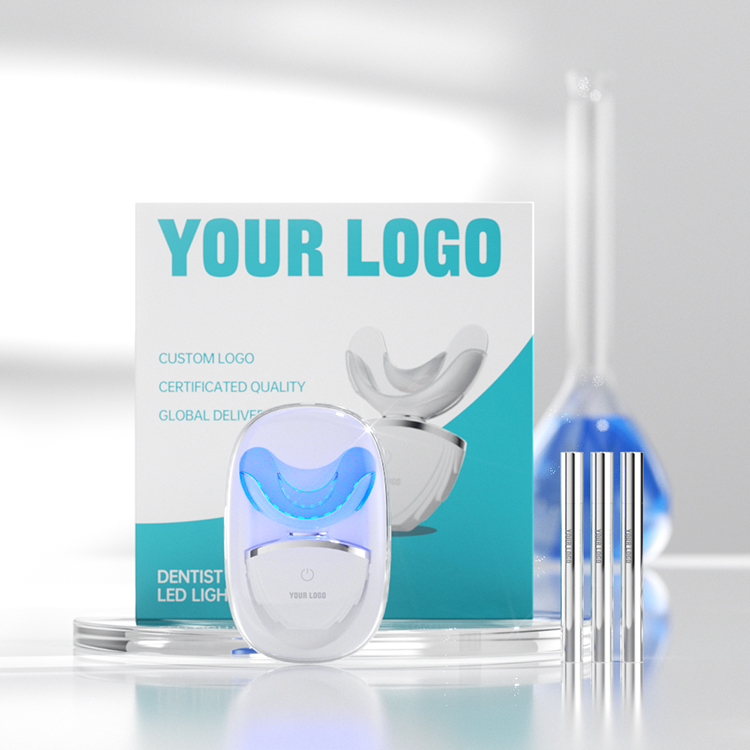
LED Teeth Whitening: Science or Gimmick? An OEM Perspective for Smart Brands
Blue Light Whitening Device OEM Solutions for Global Brands
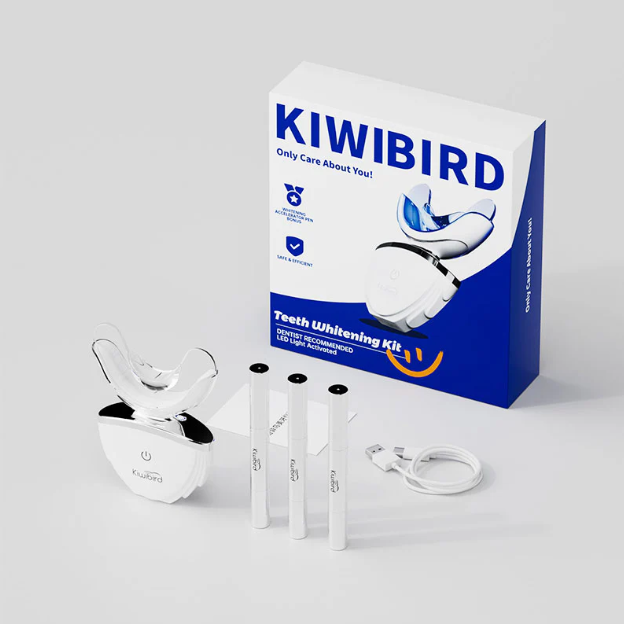
Five Key Points in Quality Control of Blue Light Teeth Whitening Device: How to Ensure LOW Defects in Products?
The Role of Blue and Red Light in Teeth Whitening Devices You Should Know
.jpg)
Wireless Inductive Charging Polishing Electric Toothbrush manufacturers
How Long Should You Leave Blue Light on Your Teeth? OEM Manufacturer’s Guide
How to Choose a High-Quality LED Light Source for teeth Whitening Device? Factory Material Selection and Testing Standards
New Technical Possibilities for Wireless Teeth Whitening Devices
Portable Whitening Lamp | Compact LED Light for Teeth Brightening


.jpg)
.jpg)
.jpg)
.jpg)
.jpg)






.jpg)