Toothbrush Private Mold Development for Brand Differentiation
Toothbrush private mold development is a critical step for brands that want to stand out in the competitive electric toothbrush market. Instead of relying on shared or open tooling, private molds allow companies to fully control product design, structure, and intellectual property from the beginning.
For OEM and ODM buyers, especially those targeting mid- to high-end markets, custom tooling is no longer optional. It directly affects brand value, product lifecycle, and long-term competitiveness.
Why Private Mold Development Matters in OEM Projects
Compared with public molds, private tooling offers clear strategic advantages. First, it ensures that your product appearance cannot be legally reused by competitors. Second, it enables better alignment between industrial design and internal structure, such as motor placement, battery capacity, and waterproof sealing.
As a result, toothbrush private mold development supports not only differentiation but also performance optimization. Many Amazon-focused brands now choose this route to avoid price wars caused by identical product shells.
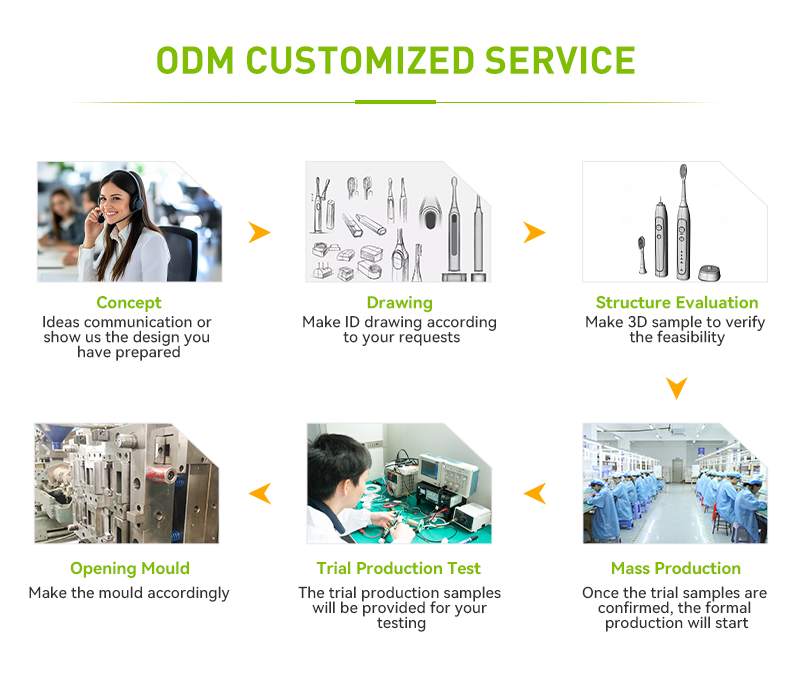
Key Stages of Toothbrush Mold Development
1. Concept & Industrial Design Validation
At the early stage, design feasibility must be evaluated from both aesthetic and engineering perspectives. Wall thickness, draft angles, and assembly tolerances are carefully reviewed to ensure smooth mass production later.
2. Structural Engineering & DFM
Design for Manufacturing (DFM) is applied to reduce risks during injection molding. Material selection, parting lines, and snap-fit structures are optimized before steel cutting begins.
3. Tooling Fabrication & Mold Trials
Once tooling is completed, multiple T0–T2 trials are conducted. Adjustments may be made to improve surface finish, dimensional accuracy, and assembly efficiency.
Throughout these steps, close collaboration between the brand and the manufacturer is essential.
Cost Considerations for Private Mold Projects
Private tooling requires higher upfront investment compared to open molds. However, this cost is usually offset over time through better margins and exclusive sales rights. For brands planning stable volume or long-term cooperation, private molds often provide a higher return on investment.
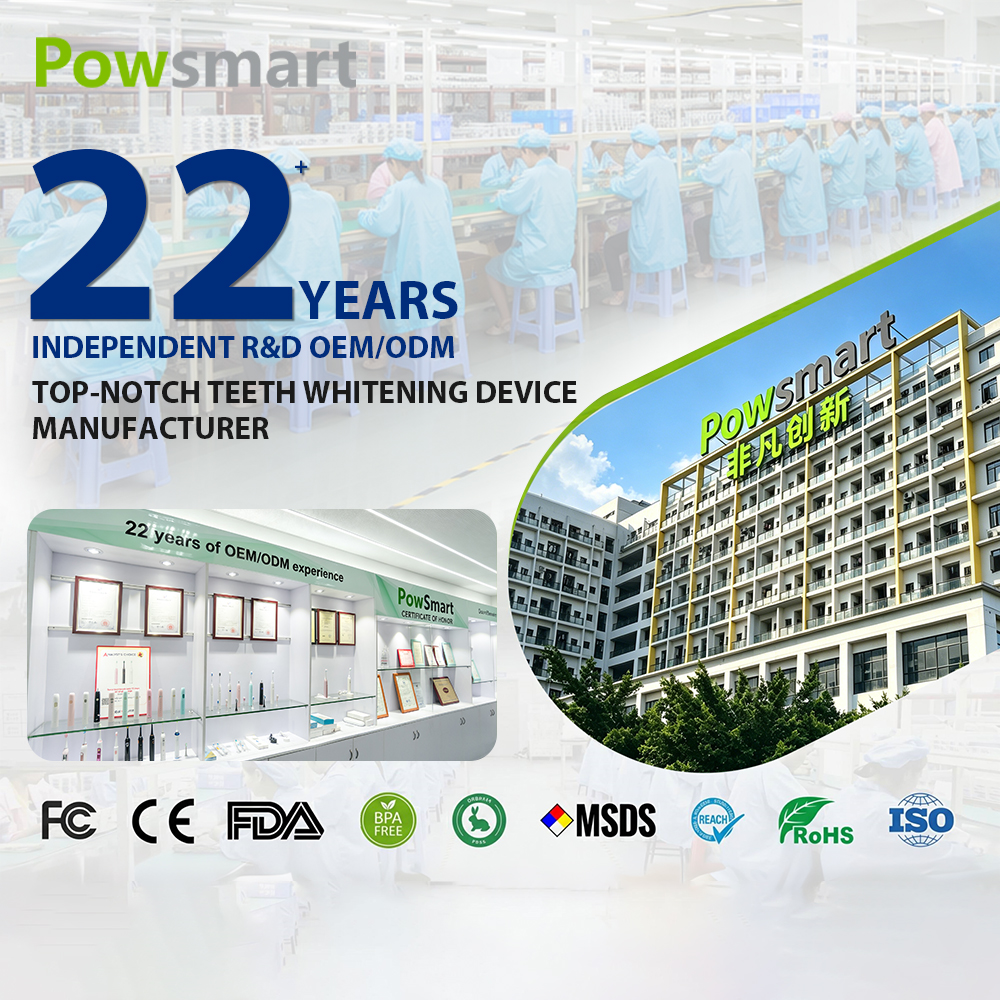
At Powsmart, mold development is integrated with downstream assembly and testing, which helps reduce total project cost. You can explore relevant OEM electric toothbrush solutions at
👉 https://www.powsmart.com/electric-toothbrush/
Intellectual Property & Risk Control
One major reason brands choose toothbrush private mold development is IP protection. Clear ownership clauses, mold custody agreements, and NDA documents should be defined before tooling starts. These steps significantly reduce risks related to unauthorized reuse or design leakage.
For industry standards related to product safety and design compliance, you may also refer to organizations such as the International Organization for Standardization (ISO).
Long-Term Value for B2B Buyers
Ultimately, private tooling is not just about appearance. It enables brands to build consistent product families, extend SKUs, and upgrade internal components without redesigning from scratch. This flexibility supports sustainable growth across multiple sales channels.
Toothbrush private mold development is therefore a strategic investment for brands aiming to build long-term market presence rather than short-term sales.
.jpg)
