Teeth whitening device compliance EU requirements are becoming more complex as regulators tighten oversight across cosmetic and medical categories. For B2B buyers and brand owners, understanding these rules early helps avoid shipment delays, product recalls, and legal exposure. Therefore, compliance strategy should be built into the product lifecycle rather than treated as an afterthought.
Determining the Right EU Classification
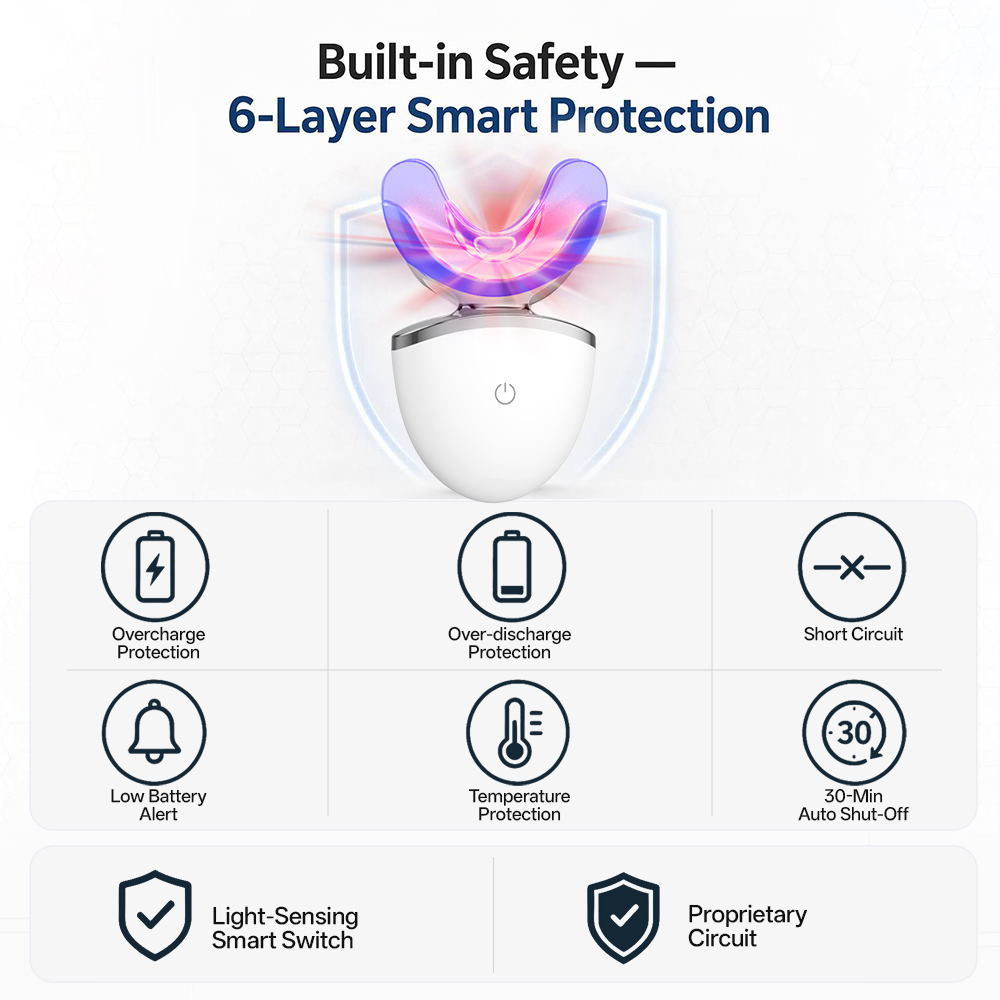
Whitening devices can be marketed as cosmetic beauty tools or as medical devices depending on claims and peroxide use. Moreover, the classification determines technical documentation, testing scope, and labeling duties. Consequently, brands should evaluate risk, intended use, LED output, battery safety, and user exposure scenarios before filing documentation. When MDR applies, a notified-body review may be required.
Core Technical and Safety Documentation
Manufacturers need structured technical files including risk-management reports, EMC testing, electrical safety evidence, biocompatibility justification, chemical safety compliance, usability evaluation, and labeling control. Additionally, REACH and RoHS statements are required for materials. Therefore, internal revision control and traceability systems are essential. Documentation is not optional; instead, it protects both the brand and the end user.
Labelling, UDI, and Traceability
Clear instructions for safe use, intended purpose, warnings, and disposal guidance must be supplied. Moreover, MDR introduces UDI requirements for many classes of devices. Consequently, data accuracy becomes critical because importers and distributors share legal responsibility inside the EU.
Choosing a Manufacturing Partner with EU Experience
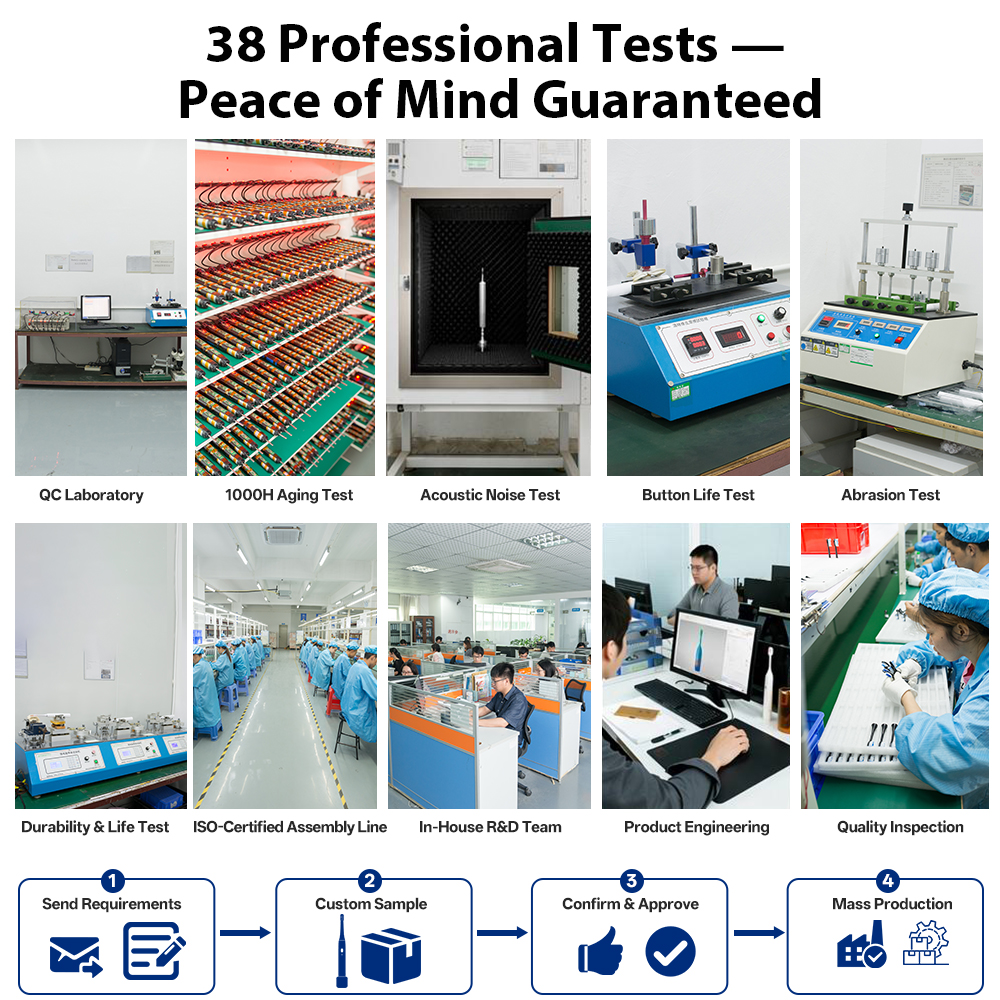
Working with suppliers who already understand EU procedures reduces risk significantly. Furthermore, experienced factories maintain design-history files, validation reports, supplier qualification programs, and CAPA systems. As a result, brands gain predictable outcomes during audits or inspections.
Post-Market Surveillance and Reporting
Compliance does not end after shipment. Instead, companies must monitor field feedback, analyze complaints, and report serious incidents when applicable. Therefore, a structured PMS plan supports long-term brand protection.
Internal Resource
You can review related oral-care device solutions here:
https://www.powsmart.com/whitening-device/
External Authority Reference
For current EU regulatory guidance, see:
https://health.ec.europa.eu/medical-devices-sector/new-regulations_en
Practical Steps for B2B Brands
First, define market claims clearly. Second, confirm classification with competent experts. Third, prepare testing and documentation early. Moreover, maintain clean version control and supply-chain transparency. Consequently, your launch will proceed smoothly, and long-term risk will remain controlled.
Teeth whitening device compliance EU readiness builds buyer confidence, protects users, and supports sustainable brand growth across Europe.