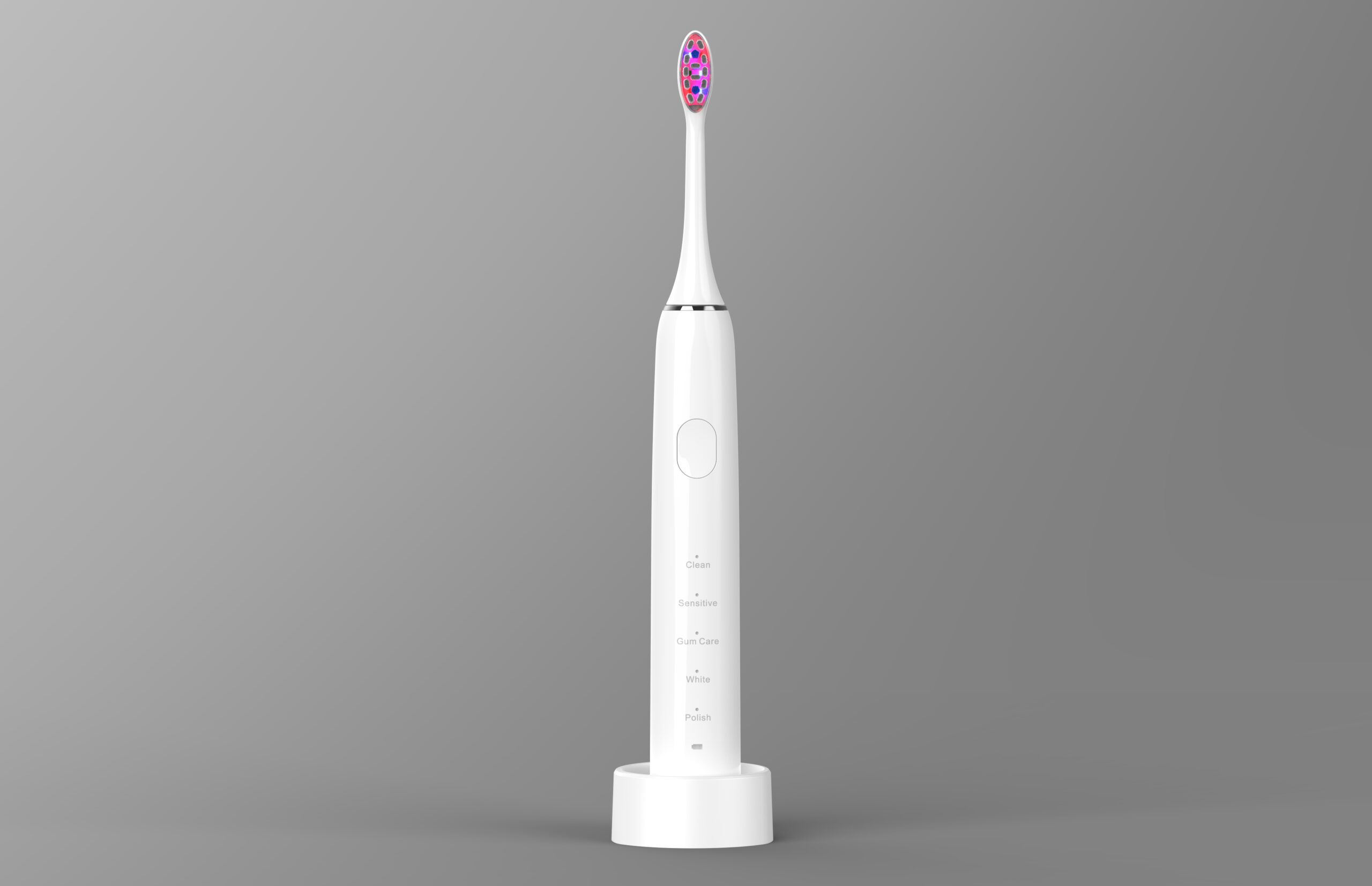
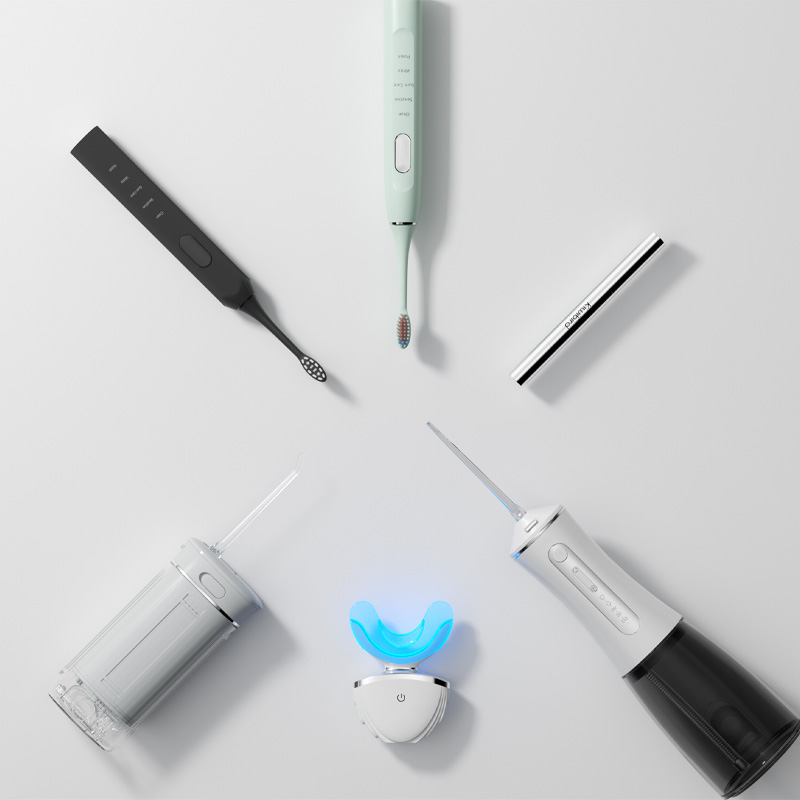
When shopping for toothbrushes, do you put much thought into what’s best for you or your children? Here’s why you should: Your toothbrush can be a major factor in helping you brush more effectively and making your oral hygiene routine more pleasant.
Follow these four steps for choosing your next toothbrush.
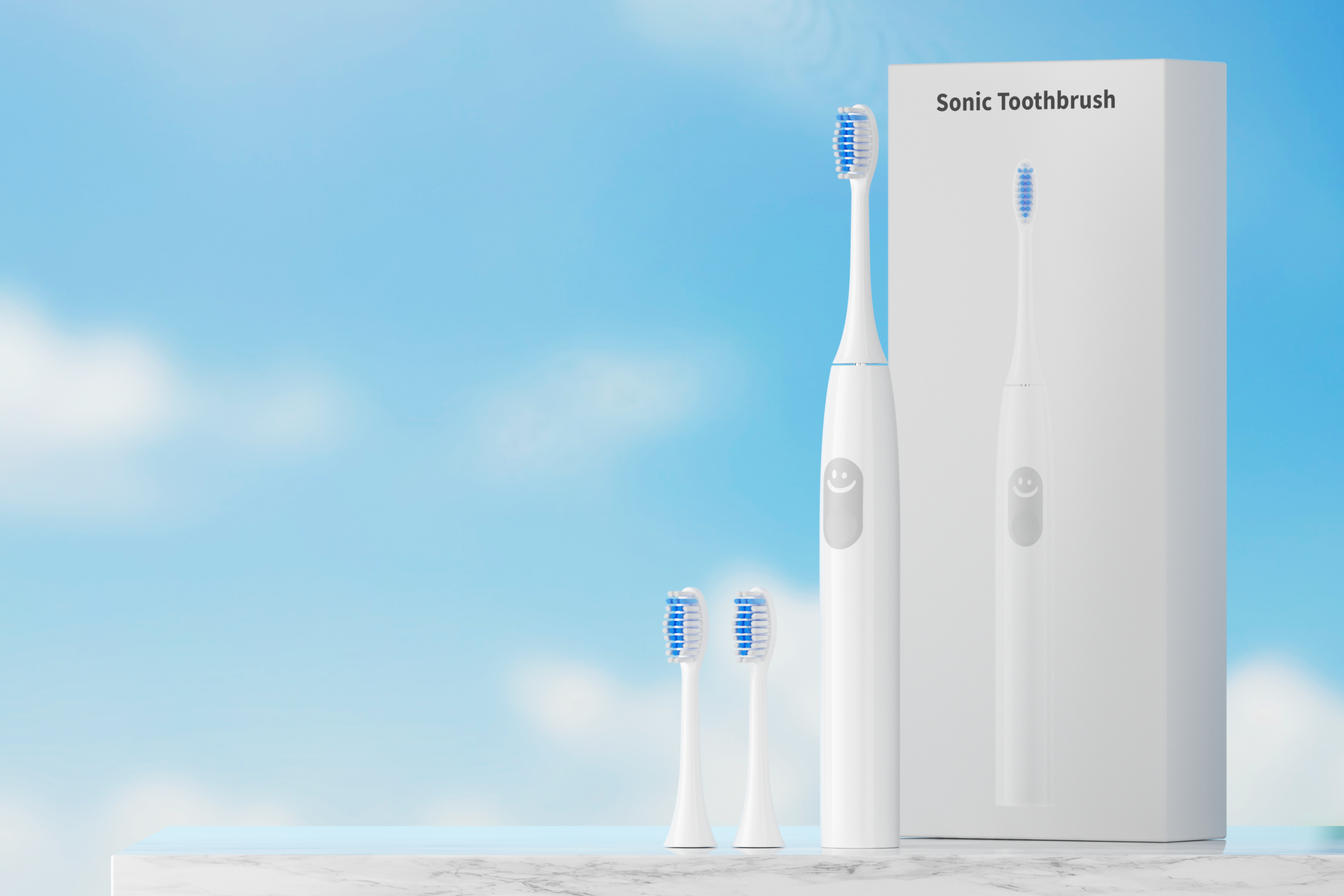
If you brush correctly with fluoride toothpaste, both types of toothbrushes can be effective. An electric or battery powered toothbrush may be preferred if you have difficulty handling a manual toothbrush. You may also want to take advantage of special features on an sonic electric toothbrush, such as a timer to ensure you’re brushing for at least two minutes or a pressure indicator that lets you know if you’re brushing too hard.
However, if cost is a factor, manual toothbrushes are usually less expensive than a powered toothbrush. Keep in mind that you will need to replace your manual toothbrush or brush head every three months.
While you should brush for at least two minutes each time, the average brushing session only lasts around 30s.
Not only does a soft-bristled toothbrush do a good job of removing plaque and debris but it’s also easier on your gums and enamel than a toothbrush with stiffer bristles. The American Dental Association recommends soft-bristled brushes with angled or multi-layered bristles to get an excellent clean without harming your teeth.
A toothbrush with a small head may help you clean your hard-to-reach back teeth. A standard-sized manual toothbrush head that’s a half-inch wide and one-inch tall works for most people. However, people with larger mouths may find a larger head toothbrush to be a better fit.
Electric toothbrush heads are generally smaller than manual toothbrush heads and may have different speeds for those with sensitive teeth.
Your toothbrush handle should be easy for you to grip and maneuver around your mouth. If you have difficulty with a standard handle, you may want to consider a thicker handle, a handle with a non-slip grip or a toothbrush aid that slips on the handle, making it easier to grip. An angled or flexible-neck handle may make it easier for you to reach all of your teeth.
Regardless of which toothbrush you select, make sure to get a new toothbrush or toothbrush head every three to four months, or sooner if the bristles are frayed. A new toothbrush may remove up to 30% more plaque than one that is three months old.
Ultimately, choosing a toothbrush you like will make you more inclined to brush for the full two minutes recommended twice a day.
.jpg)
Pros and Cons: A Deep Dive into UVC and Ozone Sterilization Technologies
.jpg)
Countertop vs. Cordless Flosser?
LED Teeth Whitening Device Manufacturer for Global Brands
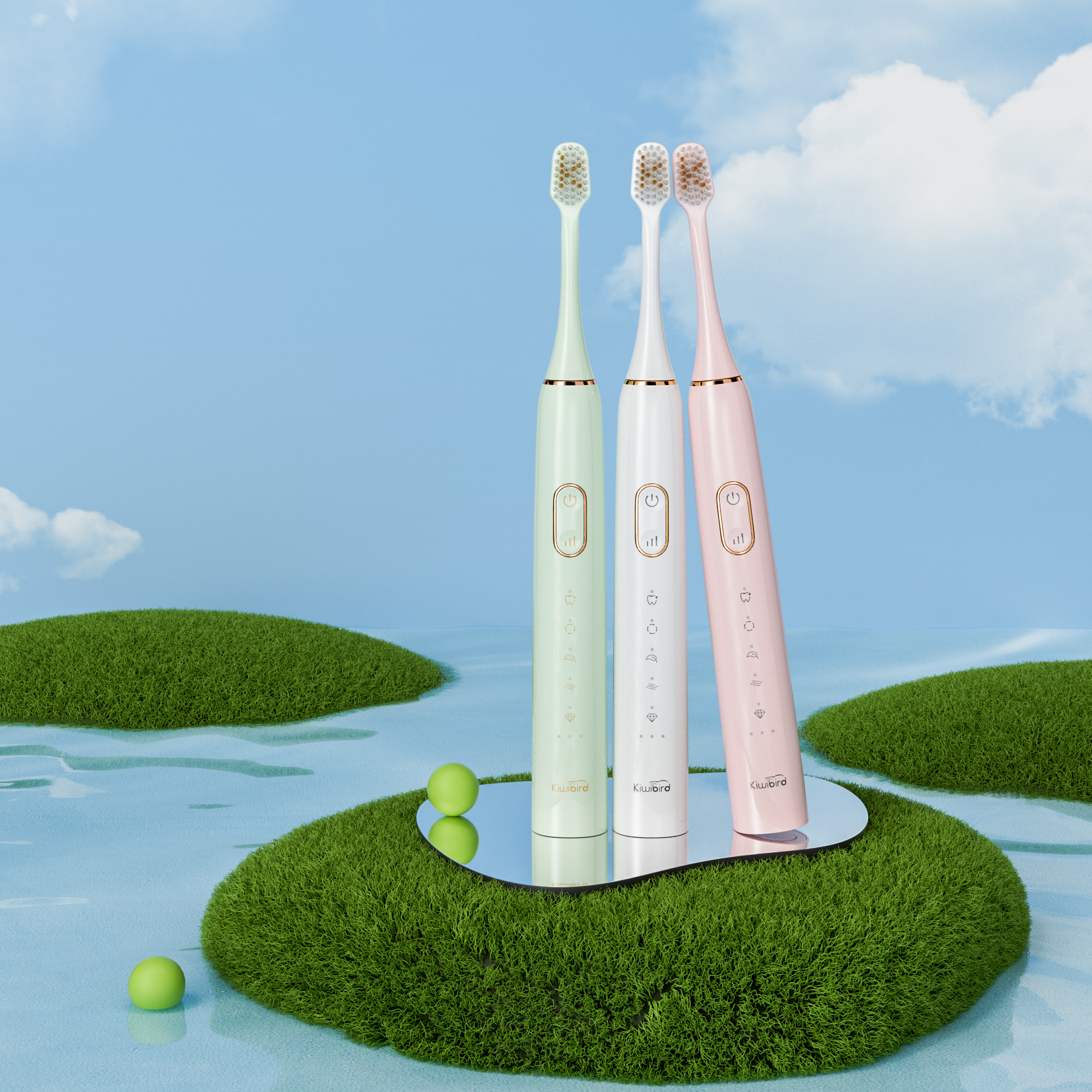
Does Clinical Gum Mode Really Work?
Can a Digital Twin Optimization Platform Be Accessed Through a Unified Remote Diagnostics Interface?

The Characteristics of the Target Audience for Home Teeth Whitening Devices
Sustainable Electric Toothbrush Wholesale | Eco-Friendly B2B Supplier
Event Teeth Whitening Timeline Guide: Plan for Your Big Day
Should Dental Devices Use Low-Power Wide-Area Network and Be Matter Protocol Compatible?

Does an Exclusive Technology Transfer Deal Include a Subscription Management Platform for Consumables?
Analyzing Oral-B Style Handle Technology: A Cost-Benefit Guide for OEM Brands
What Should I Do If the Charging Port of My Electric Toothbrush Is Burned Out?
Texas electric toothbrush distributor
Is Your Whitener Automated Assembly Truly Integrated with Industry 4.0 Standards?
tongue piercing aftercare water flosser: gentle care tips
China Electric Toothbrush Supplier for Global Wholesale Distribution


.jpg)
.jpg)
.jpg)
.jpg)
.jpg)