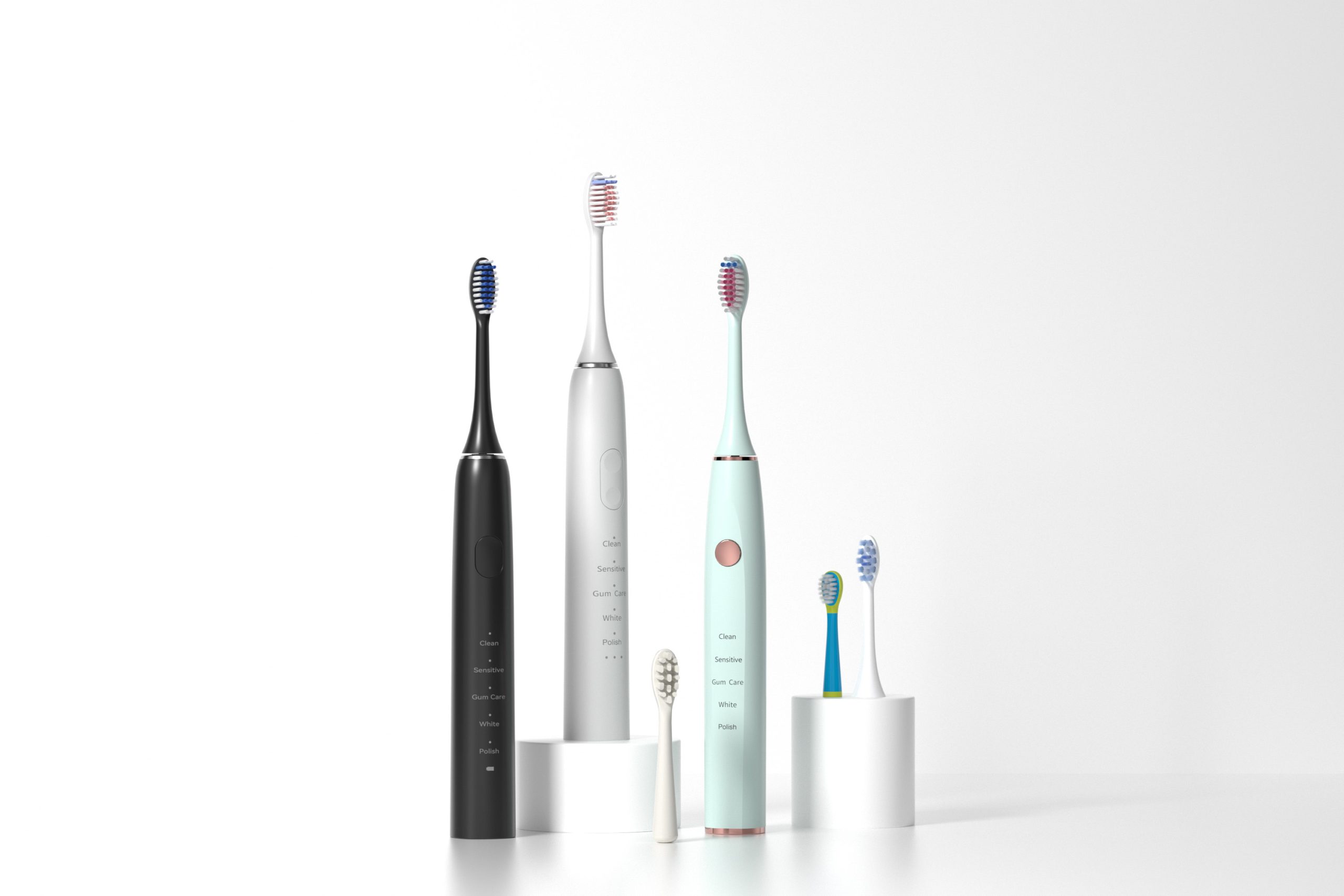
In modern oral care, especially within powered dental devices and hygiene tools, the importance of technique is often overlooked in favor of marketing features. However, clinical evidence has shown that poor brushing or flossing techniques can have a direct and measurable effect on the periodontal pocket, a critical marker of gum health. For B2B dental product developers, understanding and optimizing how their devices guide or influence technique is essential—not just for performance, but for preventing disease progression.
A periodontal pocket forms when the gingiva detaches from the tooth surface due to inflammation, creating a space where bacteria thrive. A healthy sulcus is typically 1–3 mm deep, but when improper technique leads to plaque accumulation and gum inflammation, the pocket can deepen beyond 4 mm—a clear sign of periodontitis risk.
For device manufacturers, especially in ultrasonic scalers, power brushes, or irrigators, any tool affecting plaque removal should consider its impact on pocket depth control.
Technique is one of the few risk factors that is fully controllable. Incorrect brushing angles, aggressive flossing, or uneven irrigation pressure can not only fail to clean subgingivally but may even exacerbate inflammation. For example:
Manufacturers must design devices that guide users into proper technique—intuitively or through feedback.
To minimize adverse impact on periodontal pockets, manufacturers are now embedding technique-improving features, such as:
When done right, the device itself becomes a trainer, not just a tool.
Certain patients—such as those with early-stage periodontitis or existing deep pockets—require even more nuanced techniques. Devices designed for this audience must:
Technique becomes even more critical when serving clinical sensitivity zones—where wrong input causes irreversible harm.
Beyond product design, B2B partners can differentiate by offering educational modules or built-in digital coaching for users. For instance:
This empowers brands not only to offer a product, but a complete periodontal-care solution.
For OEMs or ODMs, presenting validation data that shows how your product supports optimal technique and minimizes periodontal pocket worsening can drive commercial differentiation. Consider including:
The link between technique and periodontal pocket health must be more than theoretical—it must be measurable and marketable.
In the fight against periodontal disease, technique is both the first line of defense and a potential source of harm. When device design fails to promote correct use, periodontal pockets deepen silently—undetected until intervention becomes urgent. But when done right, product engineering, ergonomics, and education converge to elevate into a healing force.
For B2B manufacturers, this represents more than risk avoidance; it’s a chance to lead the market with smarter, safer, and more effective oral-care devices—one that doesn’t just treat disease, but teaches prevention. Contact us

Factory view
.jpg)
Key Points for Customized Water Flosser Nozzle: Food-Grade Silicone vs. PP Material and Antibacterial Structure Design
.jpg)
Quiet Electric Toothbrush for Night Use – OEM Supply for Hotels & Wellness Brands
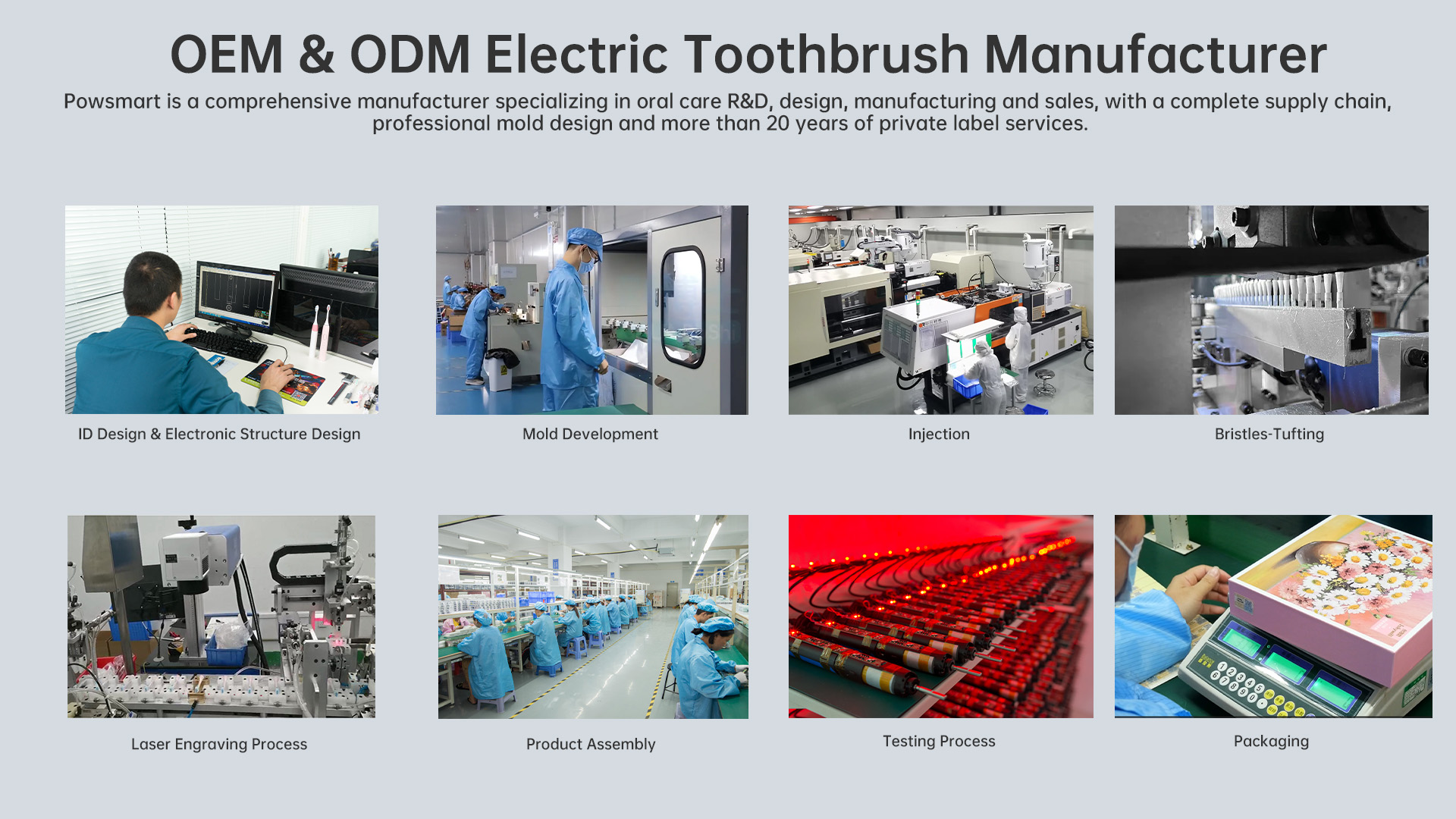
OEM Customization Solution for Water Flossers: Engineering Parameters Such as Water Tank Capacity, Nozzle Type, and Pressure Setting
.jpg)
gentle electric toothbrush
User Adaptation Struggles from Improper Angle Use? Device Design Matters!
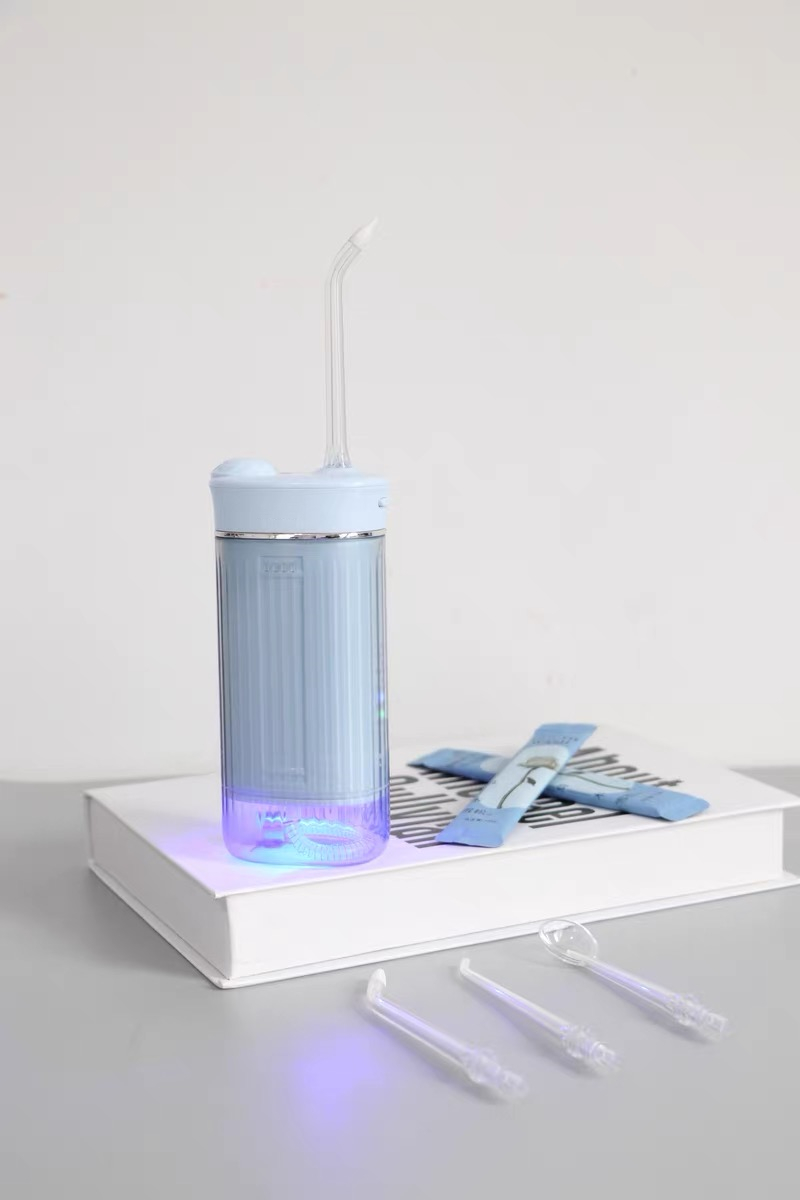
Can Reliable Water Flosser Component Suppliers Support Cordless Water Flosser Manufacturing?
Small Batch Electric Toothbrush OEM Manufacturing for Emerging Brands
Solving Electric Toothbrush Roll & Fall: Product Development Strategies for OEMs
Dental-Grade Whitening Kit | Professional-Level Home Whitening
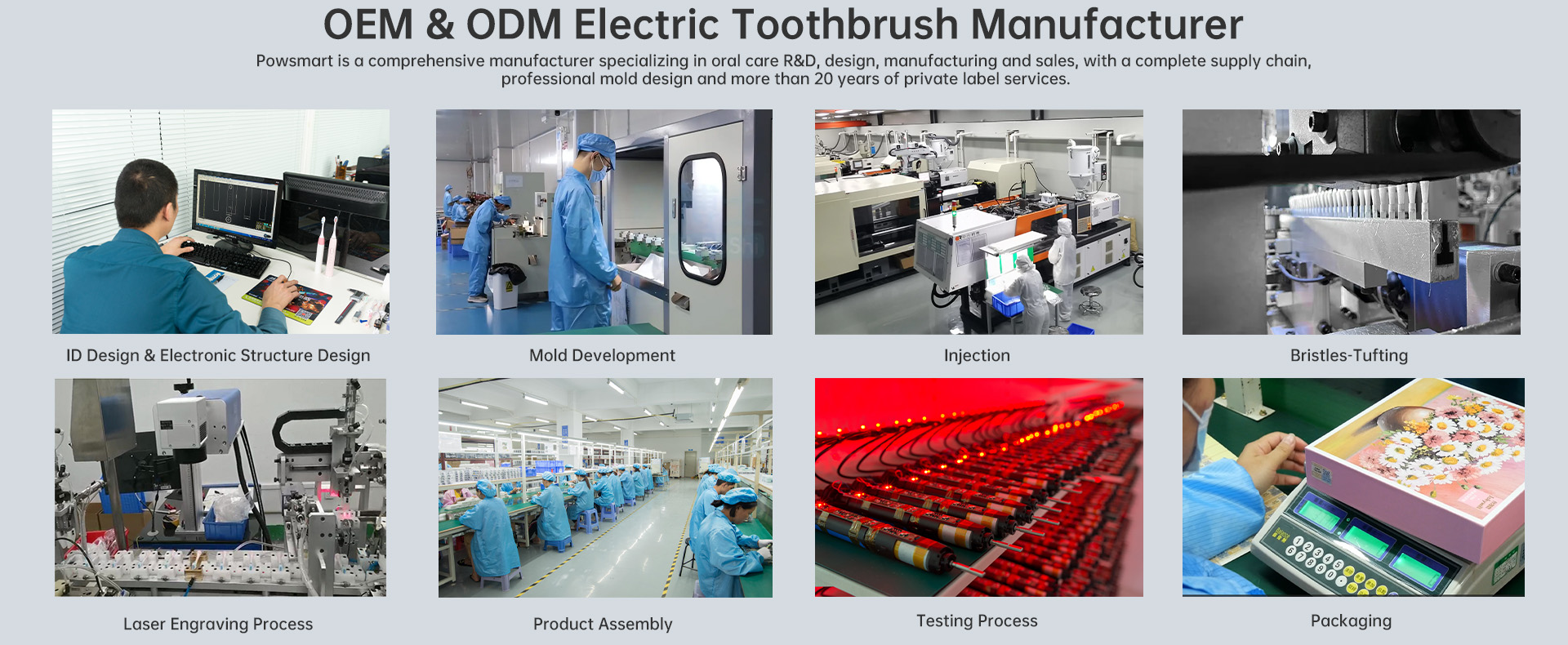
How to Create High-premium Oral Care Products through the Concept of “Treating Yourself Well”?
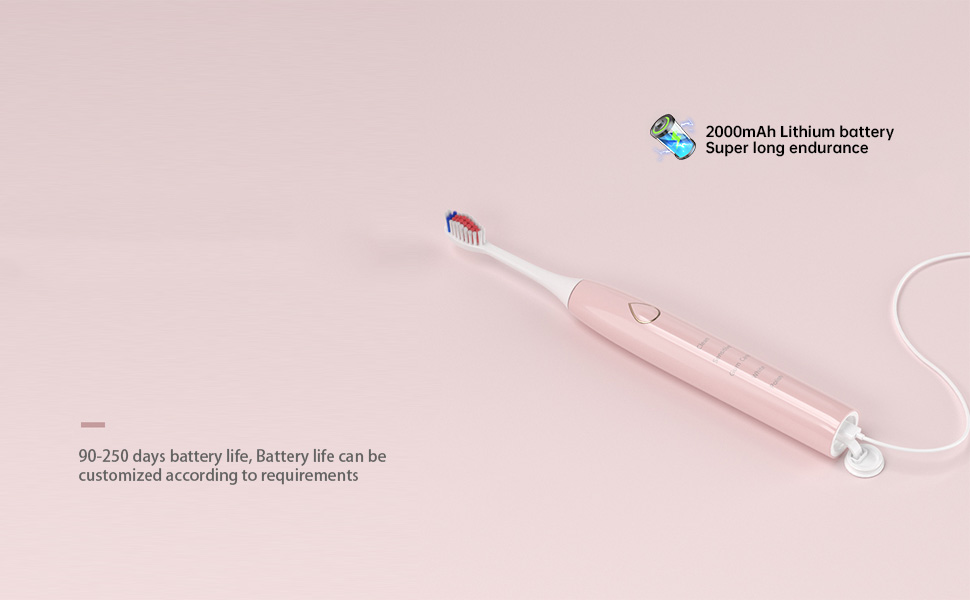
Development Guide for Long-Endurance Electric Toothbrushes: How Can Long Battery Life Become a Standard Feature in the High-End Market?
Do Water Flosser Battery leakage and Overheat Dangerously?
Hollow Motors Cause Compatibility Issues? Industry Secrets Exposed!
Gum Recession from Pulse Inconsistency? Uncover the Overlooked Risk in Oral Care Devices
Hose Cracks Causing Water Pressure Instability?
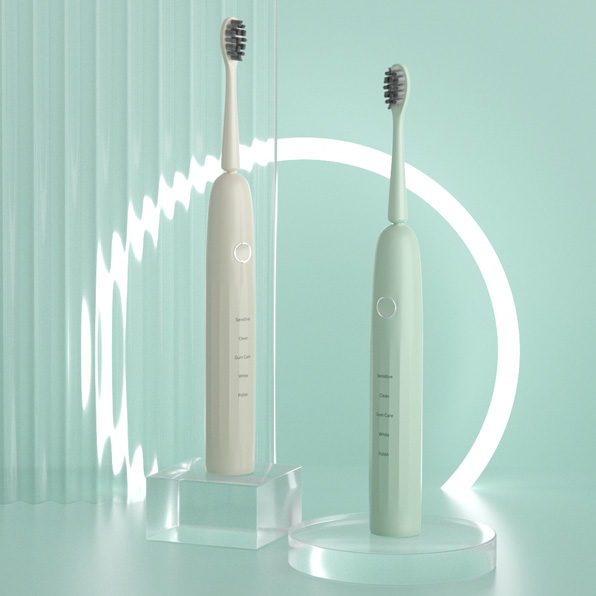
Beyond Aesthetics: How Integrated Design Elevates Your OEM Electric Toothbrush


.jpg)
.jpg)
.jpg)
.jpg)
.jpg)






.jpg)