Walk down any oral care aisle and you will find two technology families: sonic brushes that vibrate side to side at high frequency, and rotary brushes with small round heads that spin. The sonic vs rotary electric toothbrush question is one of the most common in the category, and the answer is less about “which is stronger” and more about which suits the user.
1. How Sonic Brushes Work
A sonic brush’s motor drives the bristles at 31,000–40,000 vibrations per minute, creating a sweeping motion plus fluid dynamics — the vibration agitates saliva and water into micro-bubbles that help dislodge plaque slightly beyond where bristles reach.
- Motion: side-to-side sweeping, applied by guiding the brush slowly across each surface
- Feel: gentle buzz, no rotating pressure on the tooth
- Best for: sensitive gums, gum recession, braces, implants, and users who tend to press too hard
2. How Rotary (Oscillating-Rotating) Brushes Work
Rotary heads are small and round, spinning or oscillating at several thousand rotations per minute to scrub each tooth individually.
- Motion: circular scrubbing, tooth by tooth
- Feel: more mechanical, noticeable contact pressure
- Best for: users who want a very direct, “polished” clean and have healthy gums
3. Cleaning Effectiveness Compared
Clinical comparisons generally show both technologies remove significantly more plaque than manual brushing, with results close to each other when used correctly. The differences appear in the details:
- Along the gum line: sonic’s sweeping motion covers the margin more evenly with less pressure
- Interdental reach: sonic fluid action has a modest edge between teeth
- Stain removal: rotary’s direct contact can polish surface stains faster; sonic with a Whitening mode plus diamond bristles closes the gap
- Gum comfort: sonic is generally gentler, especially for users with recession or sensitivity
4. Practical Differences Buyers Notice
- Noise: sonic models typically run under 55dB; rotary can be louder
- Battery life: a 2000mAh sonic battery can last 90–180 days per charge; rotary models often need charging more frequently
- Brush head cost: comparable, but sonic heads are larger — some users find them easier for full-mouth coverage
- Waterproofing: look for IPX7 or IPX8 on either type
5. How to Decide
- Choose sonic if: you have sensitive gums, braces, implants, gum recession, or you brush too hard
- Choose rotary if: you want maximum mechanical scrubbing and have healthy gums
- Either way: confirm the 2-minute timer, 30-second zone reminders, and multiple modes — those features affect outcomes more than the motor type
Conclusion
Both technologies work; sonic wins on gentleness and gum-line coverage, rotary on direct scrubbing. For most households — especially families with children and gum sensitivity — sonic is the safer default.
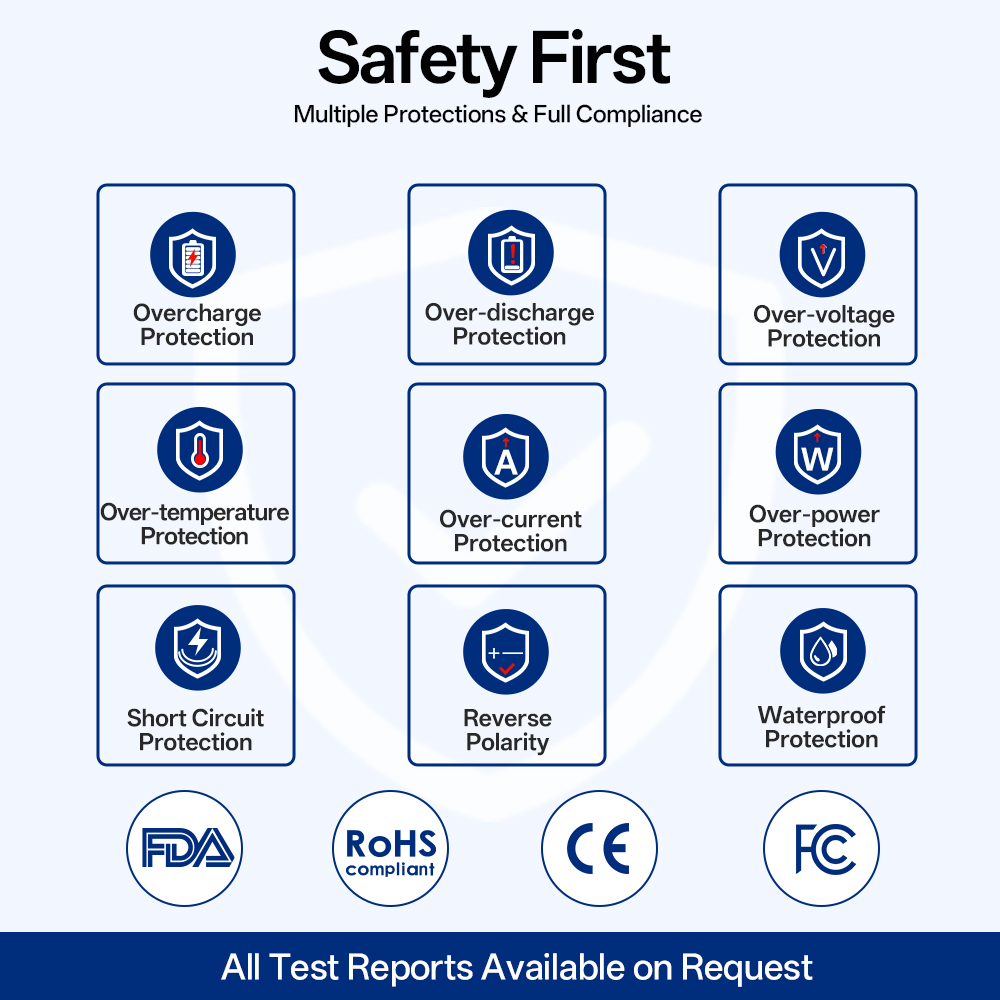
PowSmart manufactures sonic electric toothbrushes from 31,000 to 40,000 VPM with 5 modes and 3 intensity levels, patented magnetic levitation motors, under-55dB noise, and IPX7/IPX8 waterproofing — CE/FDA certified with full OEM/ODM support. Visit www.powsmart.com to compare models.