If you’ve ever winced at the thought of cold water, hot coffee, or sweet candy touching your teeth, you’re not alone—over 40 million adults in the U.S. deal with tooth sensitivity. The good news is that sensitive teeth solutions products can provide relief and let you enjoy everyday foods again. Sensitive teeth are usually caused by exposed dentin (the layer under enamel) or receding gums, but the right products can block pain signals, strengthen enamel, and clean gently without irritation.
This guide breaks down the most effective sensitive teeth solutions products, including gentle electric toothbrush modes, desensitizing toothpaste, safe whitening options, and gum-care tools. Whether your sensitivity is mild (occasional discomfort) or severe (constant pain), these products will help you maintain oral health without suffering. For personalized recommendations on sensitive teeth solutions products and more oral care tips, you can visit https://www.powsmart.com/.
What Causes Tooth Sensitivity? (Key to Choosing the Right Sensitive Teeth Solutions Products)
Before diving into sensitive teeth solutions products, it’s important to understand the root cause—this helps you pick the right tools. The most common causes of sensitivity are:
1. Exposed Dentin
Enamel (the outer layer of teeth) is hard and protective, but it can wear down from:
- Aggressive brushing (hard bristles, too much pressure).
- Acidic foods/drinks (coffee, soda, citrus, wine).
- Teeth grinding (bruxism) while sleeping.
When enamel wears thin, dentin is exposed. Dentin has tiny tubules that connect to the tooth’s nerve—cold, hot, or sweet stimuli travel through these tubules, causing a sharp pain. Sensitive teeth solutions products for this issue block the tubules or strengthen enamel to reduce pain.
2. Receding Gums
Gums can recede (pull away from teeth) due to:
- Gum disease (gingivitis or periodontitis).
- Brushing too hard.
- Smoking or tobacco use.
Receding gums expose the tooth’s root (which has no enamel), leading to sensitivity. Sensitive teeth solutions products for this focus on soothing gums and preventing further recession.
3. Recent Dental Work
Fillings, crowns, or teeth whitening can temporarily make teeth sensitive—this is usually due to inflammation in the tooth’s nerve. Sensitivity fades in 1–2 weeks, but sensitive teeth solutions products can ease discomfort in the meantime.
Category 1: Gentle Electric Toothbrush Modes & Brushes (Core Sensitive Teeth Solutions Products)
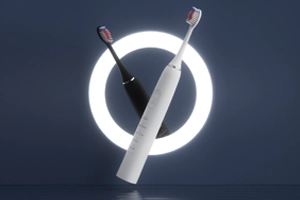
Electric toothbrushes are great for sensitive teeth—they clean effectively without the need for manual scrubbing. The best sensitive teeth solutions products in this category have specific modes or designs to reduce irritation:
1. “Sensitive” or “Gum Care” Modes
Nearly all high-quality electric brushes have a “sensitive” mode—and it’s not just a marketing feature. This mode reduces vibration/rotation speed (10,000–20,000 vibrations per minute for sonic models) and uses gentler pressure, making it ideal for sensitive teeth.
Top electric brushes with excellent sensitive modes:
- Philips Sonicare ProtectiveClean 5100: “Sensitive” mode delivers gentle vibrations and includes a pressure sensor that alerts you if you brush too hard—critical for preventing further enamel wear.
- Oral-B Pro 3000: “Gum care” mode uses slower rotations and pulsations to clean around receding gums without irritation. It also has a pressure sensor to avoid overbrushing.
2. Soft-Bristle Brush Heads
Even with a sensitive mode, a hard-bristle brush head will irritate sensitive teeth. The best sensitive teeth solutions products include soft-bristle heads made with ultra-fine nylon—these clean plaque without scratching enamel or gums.
Brands with top soft-bristle heads:
- Sonicare W2 Optimal Plaque Control Soft Head: Designed to reach between teeth gently and has rounded bristle tips to protect gums.
- Oral-B Sensitive Clean Head: Features extra-soft bristles and a smaller head to clean hard-to-reach areas without pressure.
3. Ultrasonic Travel Brushes (For On-the-Go Relief)
If you travel frequently, an ultrasonic travel brush with a sensitive mode is a must-have sensitive teeth solutions product. These brushes are compact but still deliver gentle, effective cleaning—like the Panasonic EW-DS12 Travel Sonic Toothbrush, which has a “gentle” mode and soft bristles.
Category 2: Desensitizing Toothpaste (Most Accessible Sensitive Teeth Solutions Products)
Desensitizing toothpaste is the easiest sensitive teeth solutions product to add to your routine—it’s affordable, available at any drugstore, and works for most mild-to-moderate sensitivity. The best options use one of two active ingredients:
1. Potassium Nitrate
Potassium nitrate works by blocking pain signals from the tooth’s nerve to the brain. It doesn’t repair enamel or gums, but it provides fast relief (usually within 1–2 weeks of daily use).
Top desensitizing toothpastes with potassium nitrate:
- Sensodyne Fresh Mint Sensitive Toothpaste: The most popular option—contains 5% potassium nitrate and fluoride to strengthen enamel. It’s gentle enough for daily use and works for both dentin exposure and gum recession.
- Colgate Sensitive Max Strength Toothpaste: Has 5% potassium nitrate and a “soothing mint” flavor that doesn’t irritate sensitive teeth. It also removes surface stains without abrasives.
2. Strontium Chloride
Strontium chloride works by plugging the tubules in dentin, preventing stimuli from reaching the nerve. It provides longer-lasting relief than potassium nitrate but may take 2–4 weeks to work.
Top desensitizing toothpastes with strontium chloride:
- Crest Sensitive Gum Detoxify Toothpaste: Contains 10% strontium chloride and “gum detox” technology to soothe receding gums. It’s great for users with both sensitivity and early gum disease.
- Tom’s of Maine Natural Sensitive Toothpaste: Uses 8% strontium chloride and no artificial flavors or SLS (a foaming agent that can irritate gums). It’s a top choice for users who prefer natural sensitive teeth solutions products.
Tips for Using Desensitizing Toothpaste
- Use it twice a day (morning and night)—consistency is key for relief.
- Don’t rinse immediately after brushing: Let the toothpaste sit on your teeth for 1–2 minutes to let the active ingredient work.
- Avoid eating/drinking for 30 minutes after brushing—this prevents washing away the active ingredient.
Category 3: Safe Whitening Products for Sensitive Teeth (Tricky but Essential Sensitive Teeth Solutions Products)
Many whitening products irritate sensitive teeth, but the best sensitive teeth solutions products in this category are gentle enough to use without pain. They avoid harsh abrasives or high peroxide concentrations:
1. Low-Peroxide Whitening Strips
Traditional whitening strips have 10–20% hydrogen peroxide, but sensitive-friendly versions use 3–6%—enough to lighten stains without irritation.
Top safe whitening strips for sensitive teeth:
- Sensodyne Repair & Protect Whitening Strips: Contain 3% hydrogen peroxide and potassium nitrate (for sensitivity relief). They lighten 1–2 shades and strengthen enamel at the same time.
- Crest 3D White Gentle Routine Strips: Use 5% hydrogen peroxide and a flexible design that fits comfortably without pressing on sensitive gums. They’re designed for “once a week” use to avoid over-irritation.
2. Desensitizing Whitening Toothpaste
These toothpastes combine whitening agents (mild abrasives or low peroxide) with desensitizing ingredients—perfect for users who want to brighten their smile without pain.
Top desensitizing whitening toothpastes:
- Sensodyne Extra Fresh Whitening Toothpaste: Has potassium nitrate (for sensitivity) and silica (a mild abrasive) to remove surface stains. It doesn’t contain peroxide, so it’s safe for severe sensitivity.
- Colgate Sensitive Whitening Toothpaste: Uses 5% potassium nitrate and 1% hydrogen peroxide to lighten teeth gently. It also has fluoride to strengthen enamel.
3. LED Whitening Kits with Desensitizing Gel
LED kits are popular for at-home whitening, but most are too harsh for sensitive teeth—unless they include a desensitizing gel. These kits are among the most effective sensitive teeth solutions products for whitening:
- AuraGlow Teeth Whitening Kit for Sensitive Teeth: Includes a 5% hydrogen peroxide gel and a separate potassium nitrate desensitizing gel. Use the desensitizing gel first, then the whitening gel—this reduces irritation and lightens 2–3 shades.
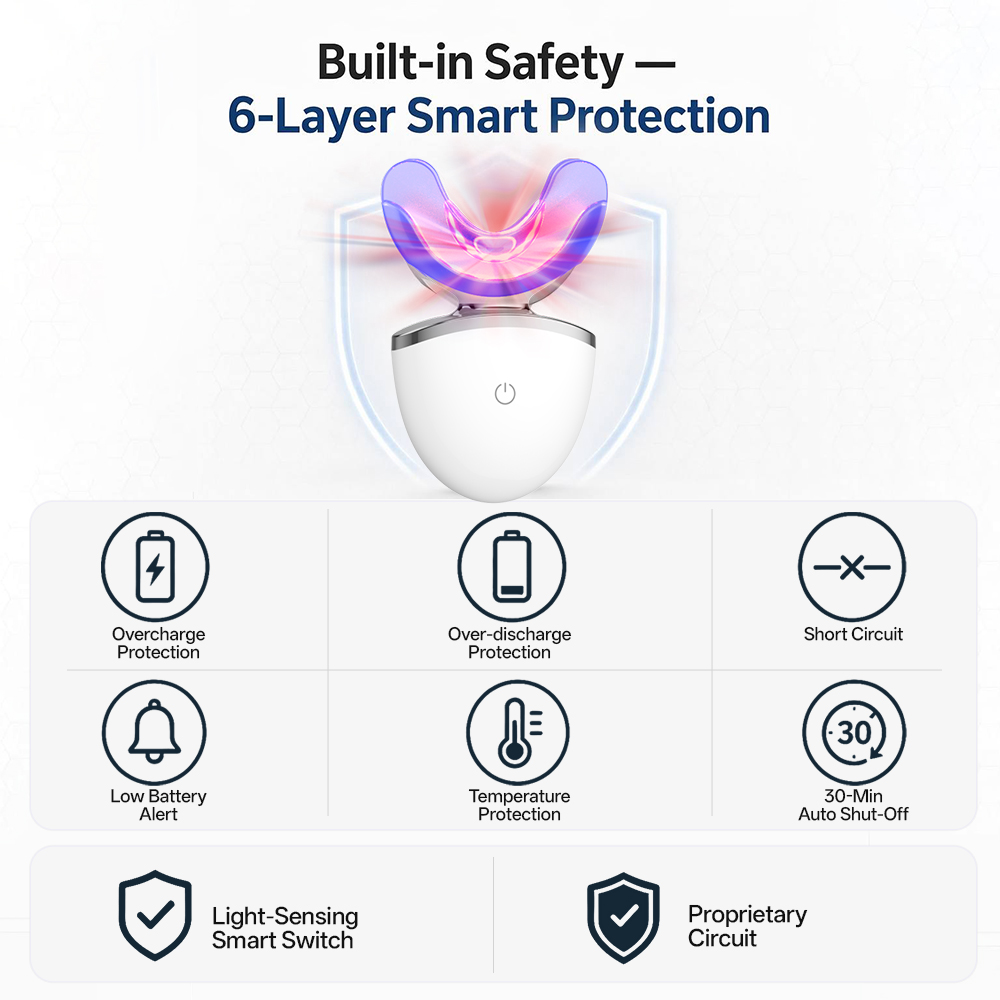
- Snow Teeth Whitening Kit Sensitive Formula: Uses a 9% hydrogen peroxide gel (lower than the regular 12%) and an LED light that doesn’t generate heat (heat worsens sensitivity). It also includes a post-whitening desensitizing serum.
Category 4: Gum-Care Products (Critical Sensitive Teeth Solutions Products for Receding Gums)
If your sensitivity comes from receding gums, sensitive teeth solutions products that soothe and repair gums are essential. These products reduce inflammation and prevent further recession:
1. Antibacterial Mouthwash for Sensitive Gums
Alcohol-based mouthwash dries out gums and worsens sensitivity—choose alcohol-free options with ingredients that soothe and protect:
- Crest Pro-Health Multi-Protection Mouthwash (Alcohol-Free): Contains cetylpyridinium chloride (to kill bacteria) and aloe vera (to soothe gums). It reduces gingivitis and sensitivity from receding gums.
- Listerine Total Care Sensitive Anticavity Mouthwash: Alcohol-free, with potassium nitrate (for sensitivity) and fluoride (to strengthen enamel). It’s gentle enough for daily use and freshens breath without irritation.
2. Gum Stimulators
Gum stimulators are small tools with a soft rubber tip that massage gums, improving blood flow and encouraging gum tissue to reattach to teeth. They’re a simple but effective sensitive teeth solutions product for receding gums:
- Oral-B Gum Stimulator: Has a flexible handle and a soft rubber tip that massages gums gently. Use it after brushing to stimulate tissue without pressure.
- GUM Soft-Picks Advanced: These are like floss picks but with a soft rubber tip—they clean between teeth and massage gums at the same time. They’re great for users who find traditional stimulators hard to use.
3. Prescription-Strength Gum Ointments (For Severe Recession)
If over-the-counter products don’t work, your dentist may recommend a prescription ointment—these are powerful sensitive teeth solutions products for severe gum recession:
- Chlorhexidine Gluconate Ointment: Kills bacteria that cause gum disease and reduces inflammation. Apply it directly to receding gums once a day for 2 weeks.
- Doxycycline Gel: A topical antibiotic that treats periodontitis (advanced gum disease) and helps gums reattach to teeth. It’s applied by your dentist during a deep cleaning.
How to Choose the Right Sensitive Teeth Solutions Products for You
With so many options, it’s easy to feel overwhelmed—but these steps will help you pick the best sensitive teeth solutions products:
-
Identify the cause of your sensitivity:
- If it’s from enamel wear/dentin exposure: Focus on desensitizing toothpaste (potassium nitrate) and electric brushes with sensitive modes.
- If it’s from receding gums: Add gum-care products (antibacterial mouthwash, stimulators) and soft-bristle heads.
- If it’s from recent dental work: Use a gentle electric brush mode and low-peroxide whitening products (if needed).
-
Start with one product at a time:
Don’t try 5 sensitive teeth solutions products at once—this makes it hard to tell which one is working. Start with desensitizing toothpaste and a sensitive electric brush mode—if you still have pain after 2 weeks, add a gum-care product or safe whitening option.
-
Avoid harsh ingredients:
Steer clear of products with:
- High peroxide concentrations (over 6% for whitening).
- Coarse abrasives (calcium carbonate, high-RDA silica).
- Alcohol (in mouthwash).
- SLS (sodium lauryl sulfate—a foaming agent that irritates gums).
-
See a dentist if sensitivity doesn’t improve:
If sensitive teeth solutions products don’t work after 4–6 weeks, your sensitivity may be a sign of a bigger issue (e.g., a cavity, cracked tooth, or advanced gum disease). A dentist can treat the root cause and recommend prescription products if needed.
Conclusion: Find Relief with the Right Sensitive Teeth Solutions Products
Tooth sensitivity doesn’t have to hold you back—with the right sensitive teeth solutions products, you can enjoy cold drinks, hot meals, and sweet treats again. Start with the basics: a desensitizing toothpaste and an electric brush with a sensitive mode. If you need more relief, add gum-care products or safe whitening options.
Consistency is key—most sensitive teeth solutions products take 1–4 weeks to work, so don’t give up if you don’t see results immediately. For more personalized recommendations, product reviews, and exclusive deals on the best sensitive teeth solutions products, visit https://www.powsmart.com/. For additional guidance from dental experts on managing sensitive teeth, you can refer to resources on https://www.webmd.com/oral-health/guide/tooth-sensitivity.