
Teeth whitening has become a booming industry, with advanced technologies enhancing the effectiveness of whitening treatments. Among the most innovative solutions are teeth whitening devices that utilize blue and red light. But what roles do these different light spectrums play in the whitening process? Understanding their benefits can help both manufacturers and consumers make informed decisions.
How Blue Light Works in Teeth Whitening Devices
Blue light is widely recognized for its role in accelerating the whitening process. Many professional and at-home teeth whitening devices use blue LED light to enhance the effects of peroxide-based whitening gels. Here’s how it works:
Activating Whitening Agents – Blue light helps break down the hydrogen peroxide or carbamide peroxide in the gel, releasing oxygen molecules that target and remove deep stains.
Enhancing Efficiency – The light speeds up the oxidation process, leading to faster and more noticeable results.
Providing a Non-Invasive Solution – Unlike UV light, blue LED light does not generate heat or cause damage to the enamel, making it a safe and effective choice.
The Benefits of Red Light in Teeth Whitening Devices
While blue light focuses on stain removal, red light plays a different but equally crucial role in teeth whitening devices. Red light therapy offers benefits that enhance the overall whitening experience:
Reducing Sensitivity – Red light helps to alleviate discomfort and minimize tooth sensitivity, which is a common concern after whitening treatments.
Promoting Gum Health – This wavelength stimulates blood circulation and supports gum tissue healing, making it beneficial for users with sensitive gums.
Enhancing Recovery – By reducing inflammation, red light can speed up the healing process and create a more comfortable post-whitening experience.
The Synergistic Effect of Blue and Red Light
Combining blue light and red light in teeth whitening devices offers a dual-benefit approach. The blue light effectively whitens teeth, while the red light provides comfort and oral health benefits. This combination makes modern whitening treatments not only more effective but also safer and more comfortable for users.
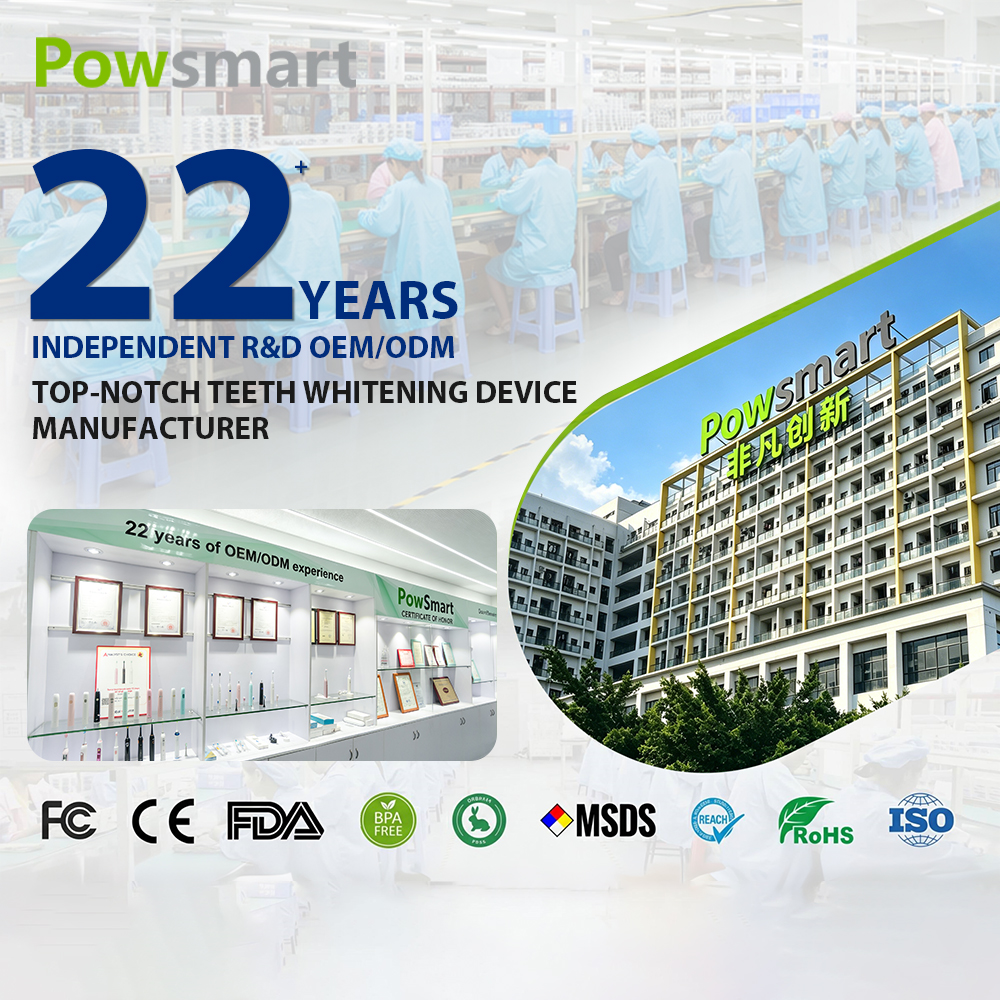
What do we Consider as a manufacturer
For manufacturers developing or improving teeth whitening devices, integrating both blue light and red light can provide added value to customers. Considerations include:
Wavelength Optimization – Ensuring the blue and red light wavelengths are optimized for maximum effectiveness.
Material Safety – Using non-toxic, high-quality LED components to enhance durability and safety.
User Experience – Designing devices that balance whitening performance with comfort to cater to a broader audience.
Conclusion
Understanding the distinct roles of blue light and red light in teeth whitening devices can help manufacturers develop superior products and enable consumers to achieve better results with fewer side effects. As technology advances, leveraging these light spectrums effectively will be key to staying competitive in the market.
Looking to develop high-quality teeth whitening devices with advanced light technology? Partner with us for innovative solutions tailored to your needs!
.jpg)
