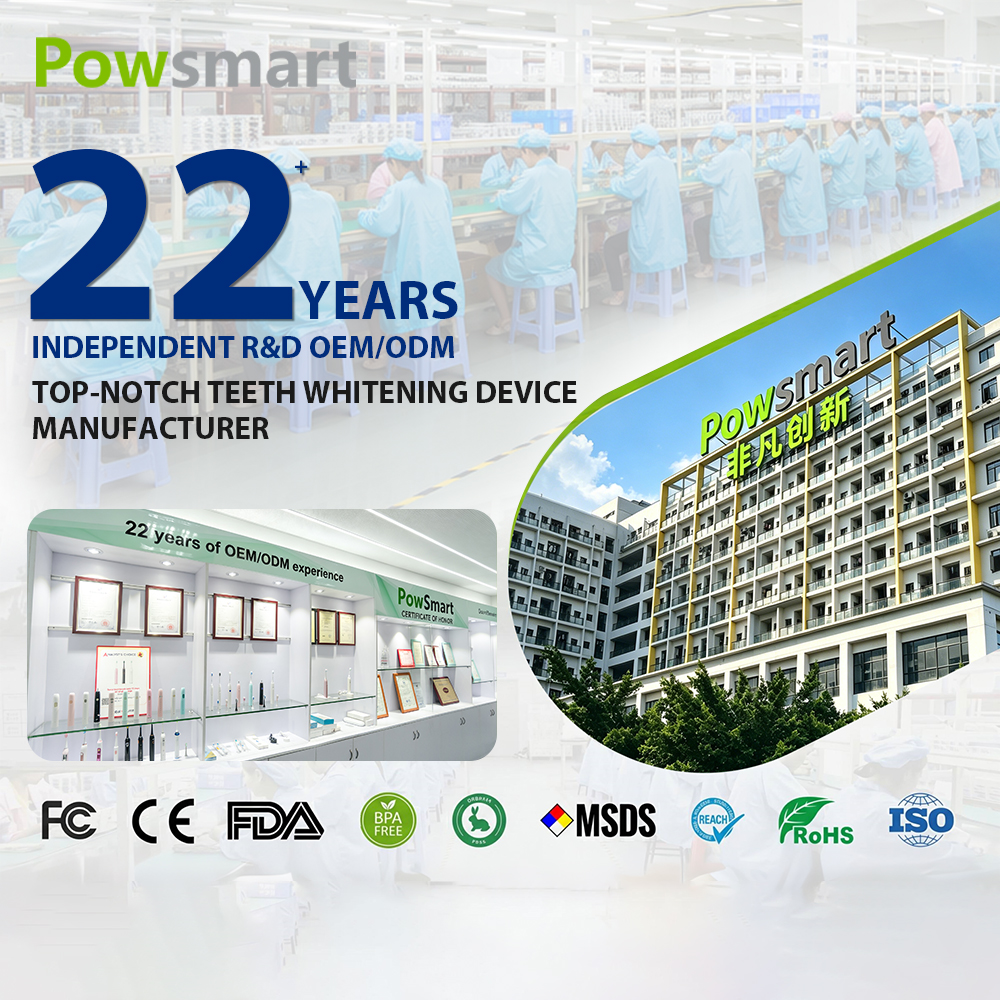
When sourcing toothbrushes for a new brand or expanding an existing product line, understanding payment arrangements and tooling costs is essential for managing your investment. Working with a transparent Payment toothbrush factory and discussing clear Tooling toothbrush bulk terms can help buyers plan production budgets, manage customization expenses, and establish a smoother OEM/ODM partnership.
Understanding Payment Terms for Toothbrush Orders
Payment terms define how and when buyers pay for product development, manufacturing, and delivery. Common arrangements may include a deposit before production and the remaining balance before shipment. The exact payment structure depends on order quantity, customization requirements, business cooperation history, and the agreement between buyer and manufacturer. Buyers should confirm all payment milestones in writing before placing an order.
Common Payment Methods for OEM/ODM Toothbrush Projects
Toothbrush manufacturers may support different payment methods depending on their business policies and the buyer’s location. Common options include:
- Bank transfer (T/T): Often used for deposits and balance payments.
- Letter of Credit (L/C): May be considered for larger transactions when both parties agree.
- Other agreed payment channels: Availability depends on the manufacturer’s policies and transaction requirements.
Before transferring funds, buyers should verify the supplier’s company details, bank information, invoice, and purchase order to reduce payment risks.
What Is Tooling in Toothbrush Manufacturing?
Tooling refers to the molds, fixtures, and production tools required to manufacture customized toothbrush components. For OEM/ODM projects, tooling may be needed for toothbrush handles, brush heads, charging bases, or other specially designed parts. The cost depends on mold complexity, dimensions, material requirements, cavity design, and manufacturing processes.
Tooling Costs and Bulk Order Considerations
Custom tooling is usually a separate investment from the unit production price. When planning Tooling toothbrush bulk orders, buyers should clarify:
- Tooling fees: Confirm the initial mold or tool development cost.
- Ownership: Define who owns the tooling after payment.
- Maintenance: Agree on responsibilities for mold maintenance and repairs.
- Production capacity: Discuss expected mold lifespan and production output.
- Repeat orders: Confirm whether tooling costs will be included in future quotations or charged separately.
Clear agreements help buyers understand the full cost of customized production.
How to Manage Payment and Tooling Agreements
Before starting production, buyers should request a detailed quotation that separates product costs, tooling fees, sampling charges, packaging expenses, and shipping costs. The contract or purchase order should also specify payment schedules, tooling ownership, sample approval procedures, production lead time, and delivery conditions. Keeping these details documented can help prevent misunderstandings during the project.
Choosing a Reliable Toothbrush OEM/ODM Factory
A dependable manufacturing partner should provide transparent quotations, clear payment policies, realistic tooling estimates, and consistent communication. Buyers should also evaluate the factory’s production capabilities, quality control procedures, customization experience, and after-sales support. Requesting samples and reviewing relevant manufacturing information before confirming a bulk order can help reduce purchasing risks and support long-term cooperation.
Conclusion
Clear payment arrangements and tooling agreements are important for controlling costs in customized toothbrush manufacturing. By working with a transparent Payment toothbrush factory and confirming suitable Tooling toothbrush bulk terms in advance, oral-care brands can plan investments more effectively, manage OEM/ODM projects with greater confidence, and build a stable manufacturing partnership. Contact us