
In the realm of medical and personal care devices, ensuring Electromagnetic Compatibility (EMC) Compliance and effective Thermal Suppression in Oral Irrigators is paramount. Adherence to industry standards minimizes electromagnetic interference and enhances device stability, preventing overheating that could damage electronic components or degrade user experience. This article delves into strategies for integrating precise design and advanced technologies to achieve EMC compliance while optimizing thermal management in oral irrigators.
Understanding the Importance of EMC Compliance in Oral Irrigator Design
EMC compliance is a fundamental requirement for all electronic products, including oral irrigators, to be legally sold in the market. EMC testing ensures that devices do not emit excessive electromagnetic interference (EMI) and are immune to external electromagnetic disturbances.
Key EMC Considerations
- High-Frequency Motors and Electronic Control Systems: Oral irrigators typically utilize high-speed motors and pulsed technologies, which can generate electromagnetic noise.
- Wireless Charging or Adapters: Modern oral irrigators often feature wireless charging capabilities, necessitating measures to prevent conducted interference.
- PCB Design and Shielding: The layout of printed circuit boards (PCBs), grounding methods, and shielding techniques are critical to achieving EMC compliance.
To meet EMC standards such as FCC, CE, and IEC 60601-1-2, manufacturers should incorporate appropriate shielding, filtering, and grounding techniques during the research and development phase.
Primary Factors Affecting EMC Compliance in Oral Irrigators
When undergoing EMC testing, oral irrigators face several challenges:
- Conducted Emissions: Devices may introduce electromagnetic interference into power lines due to power supplies and motor drives.
- Radiated Emissions: Leakage of high-frequency signals can interfere with other electronic devices.
- Electromagnetic Immunity: Devices must withstand external electromagnetic fields (e.g., from mobile phones or Wi-Fi) to ensure stable operation.
Solutions include optimizing circuit layouts, employing appropriate filtering circuits, adding shielding materials, and conducting rigorous EMC testing to ensure compliance.
Application of Thermal Suppression in Oral Irrigator Design
Beyond electromagnetic compatibility, thermal management is a critical aspect of oral irrigator design. The integration of motors, heating elements (in some models), and control circuits can lead to heat accumulation, potentially affecting product lifespan and performance.
Primary Heat Sources
- Drive Motors: High-speed pumps and motors are significant sources of heat.
- Power Circuits: Control chips and power modules generate heat during operation, which can lead to circuit overheating.
- Battery Management Systems: Temperature control is crucial, especially in fast-charging modes.
Common Thermal Suppression Solutions
- Thermal Conductive Materials: Utilizing thermal pads or aluminum heat sinks between PCBs and enclosures.
- Intelligent Temperature Control Systems: Integrating temperature sensors to optimize operating modes and prevent overheating.
- Airflow Optimization Design: Enhancing internal airflow paths to improve heat dissipation efficiency.
Implementing these measures ensures that oral irrigators operate efficiently while maintaining low temperatures, thereby enhancing user experience and product longevity.
Simultaneously Optimizing EMC Compliance and Thermal Suppression
EMC compliance and thermal management often influence each other; optimizing one aspect may impact the other. Therefore, a balanced approach is essential during the design process:
- Shielding vs. Heat Dissipation: Metal shields can reduce EMI but may impede heat dissipation. Designs incorporating vented shields can address both needs.
- Filtering vs. Power Consumption: Adding EMC filters can increase power consumption and generate heat; optimizing filter designs can mitigate additional power loss.
- PCB Layout Optimization: Strategically positioning circuit components can minimize heat concentration and reduce high-frequency interference.
Through systematic optimization strategies, manufacturers can ensure EMC compliance while maintaining effective thermal management performance.
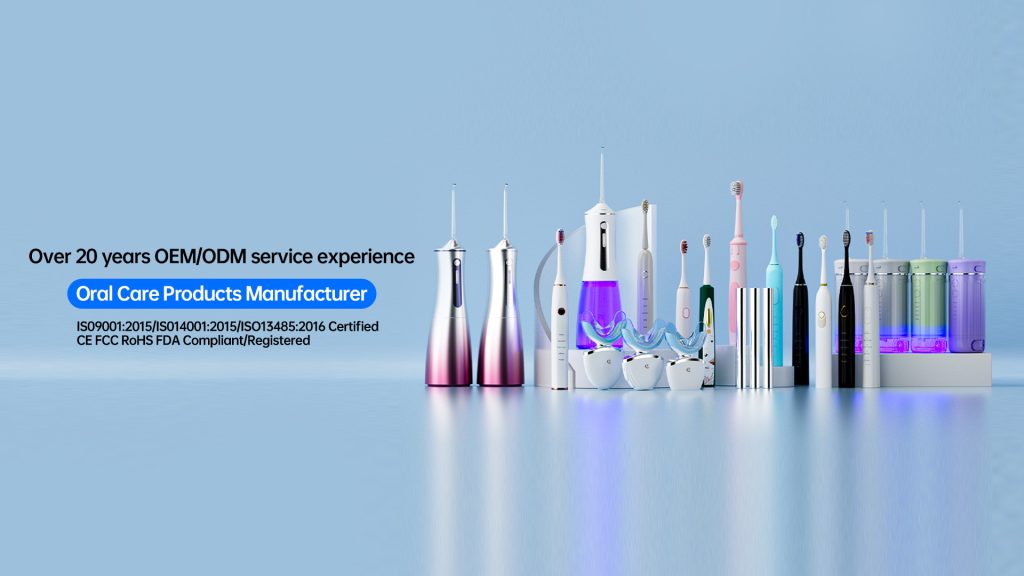
EMC Compliance and Thermal Suppression Testing Standards for Oral Irrigators
Various markets impose different regulatory requirements for EMC and thermal management. Key testing standards include:
- EMC Standards:
- FCC Part 15 (United States)
- CE EN 55014 (European Union)
- IEC 60601-1-2 (Medical Device Standard)
- Thermal Management Standards:
- IEC 62368 (Electronic Product Thermal Safety Standard)
- UL 94 (Material Flammability Rating)
Manufacturers must ensure products comply with target market standards and undergo testing by third-party certification bodies to facilitate market entry.
Future Trends and Innovations
As the oral care industry evolves, advancements in EMC compliance and thermal suppression technologies continue to emerge. Future trends include:
- More Efficient EMC Shielding Materials: The adoption of nanomaterials and composite shielding layers is becoming a new trend.
- AI-Driven Intelligent Temperature Control: Implementing AI algorithms to optimize temperature management and extend battery life.
- More Environmentally Friendly Thermal Solutions: Reducing plastic usage by adopting recyclable metal materials to enhance sustainability.
Continuous innovation enables manufacturers to improve product reliability and strengthen market competitiveness.
Conclusion
In the design and production of oral irrigators, EMC compliance and thermal suppression are critical factors. By implementing appropriate circuit designs, shielding techniques, thermal solutions, and rigorous testing and compliance certifications, manufacturers can ensure product safety, stability, and alignment with market demands.
If your enterprise seeks to optimize EMC and thermal management solutions for oral irrigators, our team offers professional support. https://www.powsmart.com/contact-us/

.jpg)
