When it comes to oral care products, safety and compliance are paramount. Whether you’re developing an electric toothbrush, a water flosser, or an LED teeth whitening device, ensuring your products adhere to Cosmetic Product Safety Report (CPSR) guidelines is essential for meeting regulatory standards and building consumer trust. This blog explores the CPSR material list and its importance in oral care product development.
What Is a CPSR Material List?
The CPSR material list is a comprehensive document that outlines all ingredients, materials, and components used in a product. For oral care products, this list ensures that every component meets the required safety standards for consumer use. By compiling this list, manufacturers can verify the safety and regulatory compliance of their products, minimizing risks and enhancing customer confidence.
Why Is a CPSR Material List Important for Oral Care Products?
Oral care products are in direct contact with sensitive areas, such as teeth, gums, and oral mucosa. Any unsafe materials can lead to health risks. The CPSR material list helps:
- Ensure ingredients are non-toxic and safe for oral use.
- Validate compliance with international and regional safety regulations.
- Provide a foundation for product certification and market approval.
From the bristles of an electric toothbrush to the cleaning agents in a water flosser, every component must be carefully evaluated.
Key Components in CPSR Material Lists for Oral Care Products
The CPSR material list for oral care products typically includes:
Active Ingredients: Whitening agents for products like LED teeth whitening devices or fluoride in toothpaste.
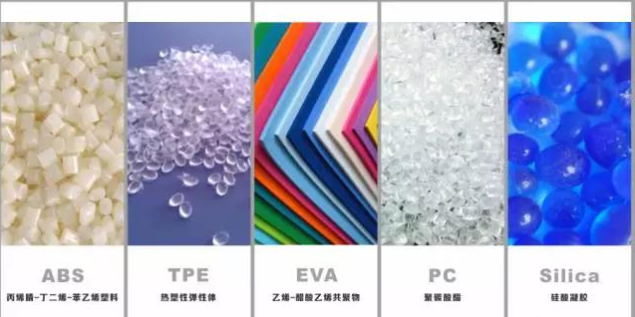
Material Components: Plastic parts, bristle materials, and electronic components in devices like electric toothbrushes.
Flavoring Agents: Commonly used in water flossers or toothpaste to enhance the user experience.
Preservatives and Stabilizers: Ensure product longevity and safety during storage.
Each item is tested and reviewed to ensure its safety profile aligns with regulatory guidelines.
Developing a CPSR Material List: Best Practices
To streamline the CPSR process, manufacturers can follow these best practices:
- Conduct Thorough Testing: Analyze all materials for safety, including electronic and chemical components.
- Work with Regulatory Experts: Partner with compliance specialists to ensure your list meets the standards of specific markets.
- Keep Documentation Updated: Regularly update your CPSR material list to reflect any changes in product design or ingredient sourcing.
For example, a new material used in an LED teeth whitening device must be added to the CPSR list and re-evaluated for compliance.
Common Challenges in Creating a CPSR Material List
Manufacturers often face challenges such as:
- Ingredient Sourcing: Ensuring all components meet safety standards.
- Regulatory Differences: Navigating varying compliance requirements across regions.
- Complex Product Designs: Devices like electric toothbrushes and water flossers may involve multiple materials, increasing the complexity of the CPSR list.
Partnering with experienced professionals can help overcome these hurdles.
The Future of CPSR in Oral Care Product Development
As oral care technology advances, CPSR compliance will remain a critical aspect of product development. Innovative devices such as electric toothbrushes with AI features or advanced water flossers will require even more detailed material lists. Additionally, sustainability is becoming a priority, with eco-friendly materials making their way into CPSR documentation.
Manufacturers who prioritize safety and compliance through detailed CPSR material lists will not only meet regulatory standards but also gain a competitive edge in the market.
Conclusion
The CPSR material list is more than a regulatory requirement; it’s a testament to a manufacturer’s commitment to safety and quality. For oral care products like electric toothbrushes, water flossers, and LED teeth whitening devices, adhering to CPSR guidelines ensures consumer trust and long-term success. By following best practices and staying informed about regulatory updates, manufacturers can lead the way in delivering safe and innovative oral care solutions.
.jpg)
