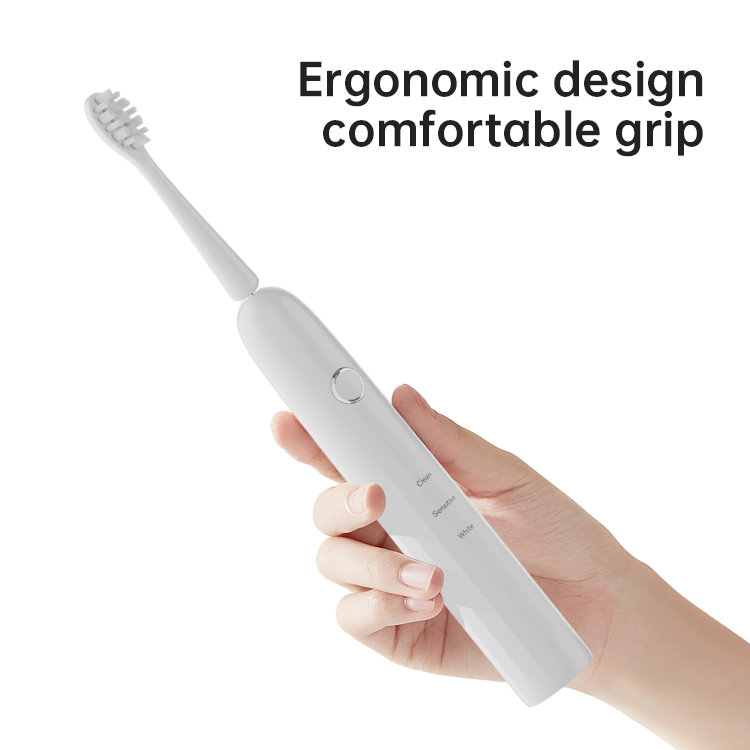
In today’s competitive oral-care market, electric toothbrush brands are pushing to deliver superior user experience through thoughtful ergonomics. As brands search for the right manufacturing partner, understanding the fundamentals of toothbrush shape optimization becomes essential. This OEM guide outlines six critical considerations for achieving ideal grip design and high maneuverability, helping you collaborate effectively with your factory or OEM manufacturer.
Understanding User Ergonomics
The starting point for any electric toothbrush project is a deep understanding of user habits. How people hold a toothbrush, the angle at which they brush, and the amount of pressure they apply will all influence overall shape optimization. Manufacturers with ergonomic testing capabilities can help brands match form with human behavior.
Defining the Optimal Handle Geometry
Handle geometry plays a central role in grip design. Whether your audience prefers a slim, lightweight handle or a thicker, more stable grip, the manufacturer must be able to translate these insights into precise molds and surface treatments. A well-designed handle reduces hand fatigue and enhances brushing confidence.
Balancing Weight Distribution
A toothbrush may look sleek but still feel awkward if the internal components are unbalanced. Battery placement, motor size, and PCB layout all affect maneuverability. OEM engineers can strategically distribute weight so that the brush feels natural during 360-degree movement inside the mouth.
Adding Anti-Slip Features
Surface textures, silicone strips, and micro-patterned finishes all contribute to safer, more comfortable handling. These anti-slip features are an essential part of toothbrush shape optimization, especially for wet environments. Experienced manufacturers can suggest the best material combinations to maintain durability without compromising comfort.
Ensuring Head and Neck Compatibility
The transition from handle to brush head must be carefully designed. The length, angle, and flexibility of the neck influence precision and reach—critical for overall maneuverability. OEM partners often run stress tests and simulation modeling to ensure the final structure supports long-term reliability.https://www.powsmart.com/
Prototyping and Iterative Testing
Finally, the most successful brands rely on rapid prototyping. By testing different shapes early—whether variations in grip thickness or head angles—brands can collaboratively refine designs with their manufacturing partner. This step ensures the final product meets both user expectations and engineering feasibility.
Conclusion
Effective toothbrush shape optimization isn’t just about aesthetics—it’s about delivering a superior brushing experience. By following this OEM guide, brand owners can work more closely with manufacturers to achieve the ideal balance of grip design and maneuverability, ultimately bringing a refined, user-centered electric toothbrush to market.

.jpg)
