Introduction
Stroke, injury, or disability that limits movement on one side can make brushing teeth feel challenging. One-handed toothbrush use requires simple adaptations to maintain effective oral hygiene, even when only one hand is fully functional. With the right tools and techniques, you can keep your teeth clean and healthy.
Key Challenges of One-Handed Brushing
Limited mobility on one side creates several hurdles:
- Difficulty reaching all areas of the mouth, especially the back molars.
- Trouble applying consistent pressure to clean all surfaces evenly.
- Fatigue from using only one hand for the entire brushing routine.
Essential Tools for One-Handed Brushing
These tools make the process easier:
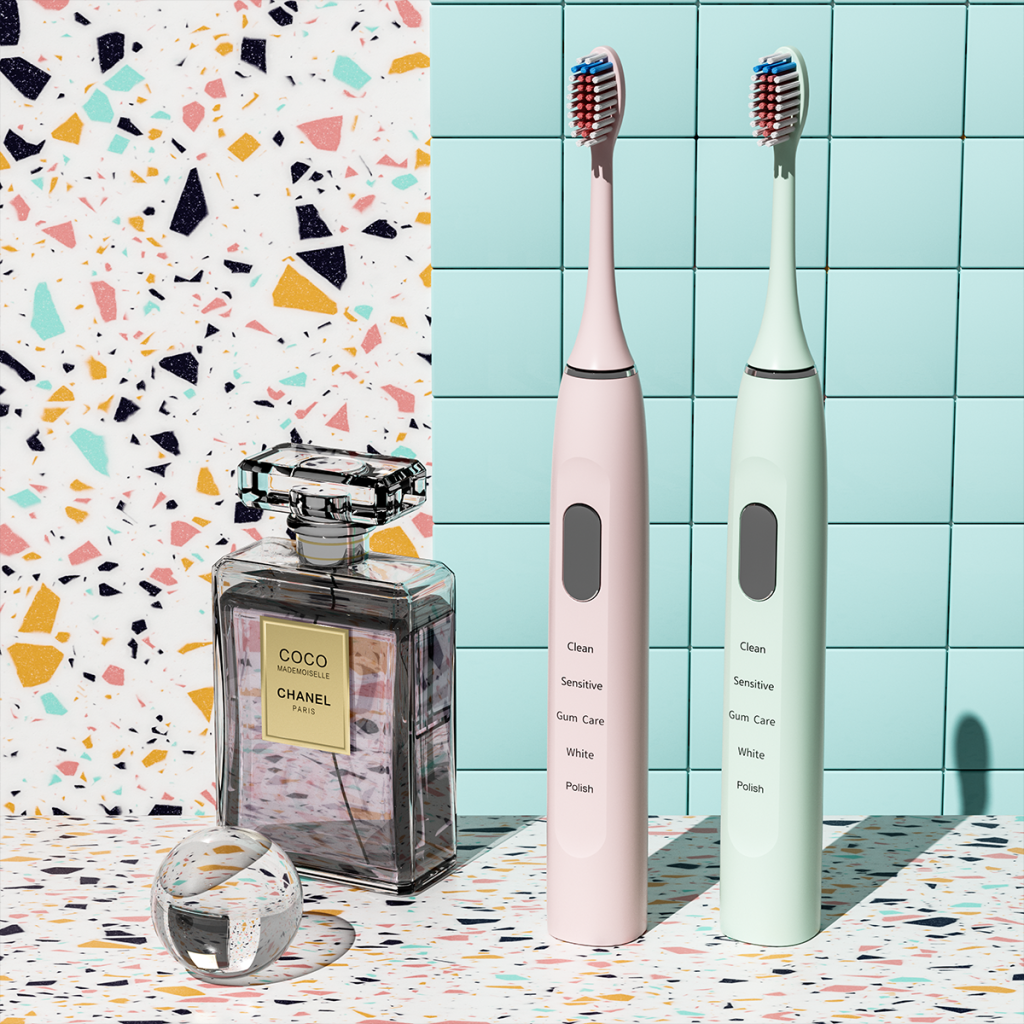
- Electric toothbrush: The automatic vibration does most of the work, reducing the need for manual scrubbing.
- Large, ergonomic handle: Oversized grips are easier to hold with one hand, even if dexterity is limited.
- Toothpaste dispenser: Automatic pumps eliminate the need to squeeze the tube with two hands.
- Suction cup toothbrush holder: Mounted on the counter, it keeps the brush within easy reach.
Effective One-Handed Brushing Techniques
Follow these steps to clean thoroughly:
- Use your dominant hand to hold the electric toothbrush, resting your elbow on the counter for stability.
- Start with the easiest areas first (front teeth, gumline) to build momentum before tackling harder-to-reach spots.
- Use the brush’s timer to ensure you spend the full two minutes on each quadrant of the mouth.
- Angle the brush at 45 degrees to the gumline, letting the bristles do the work instead of applying pressure.
Additional Tips to Make Brushing Easier
- Sit in a chair with arm support to reduce fatigue during the routine.
- Keep all oral care tools within arm’s reach to avoid straining.
- Ask a caregiver to help with hard-to-reach areas if needed, especially during the recovery period.
For one-handed-friendly electric toothbrushes, visit https://www.powsmart.com/.
For adaptive oral care guidance, visit https://www.ada.org/resources/consumer/oral-health/adaptive-equipment.
Conclusion
One-handed toothbrush use is possible with the right tools and simple techniques. By adapting your routine to your abilities, you can maintain good oral hygiene even when mobility is limited.

.jpg)
