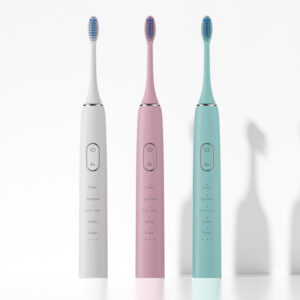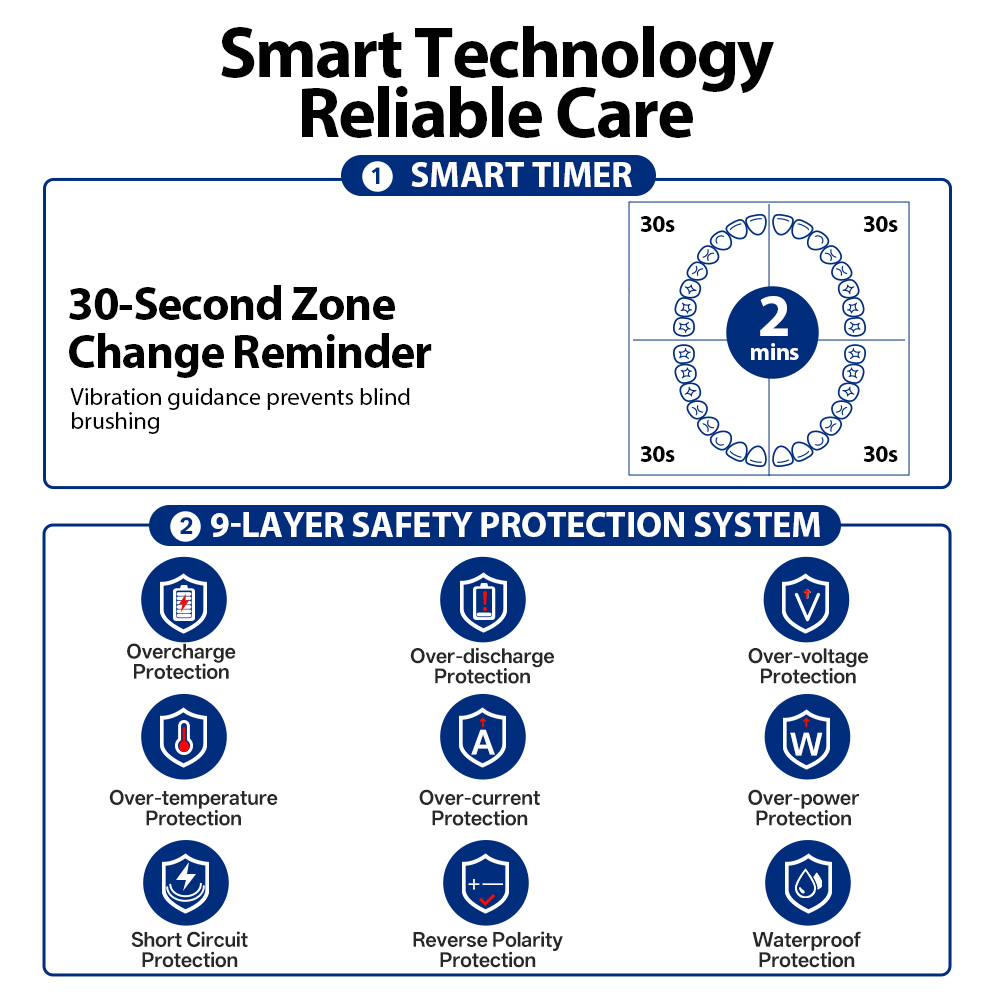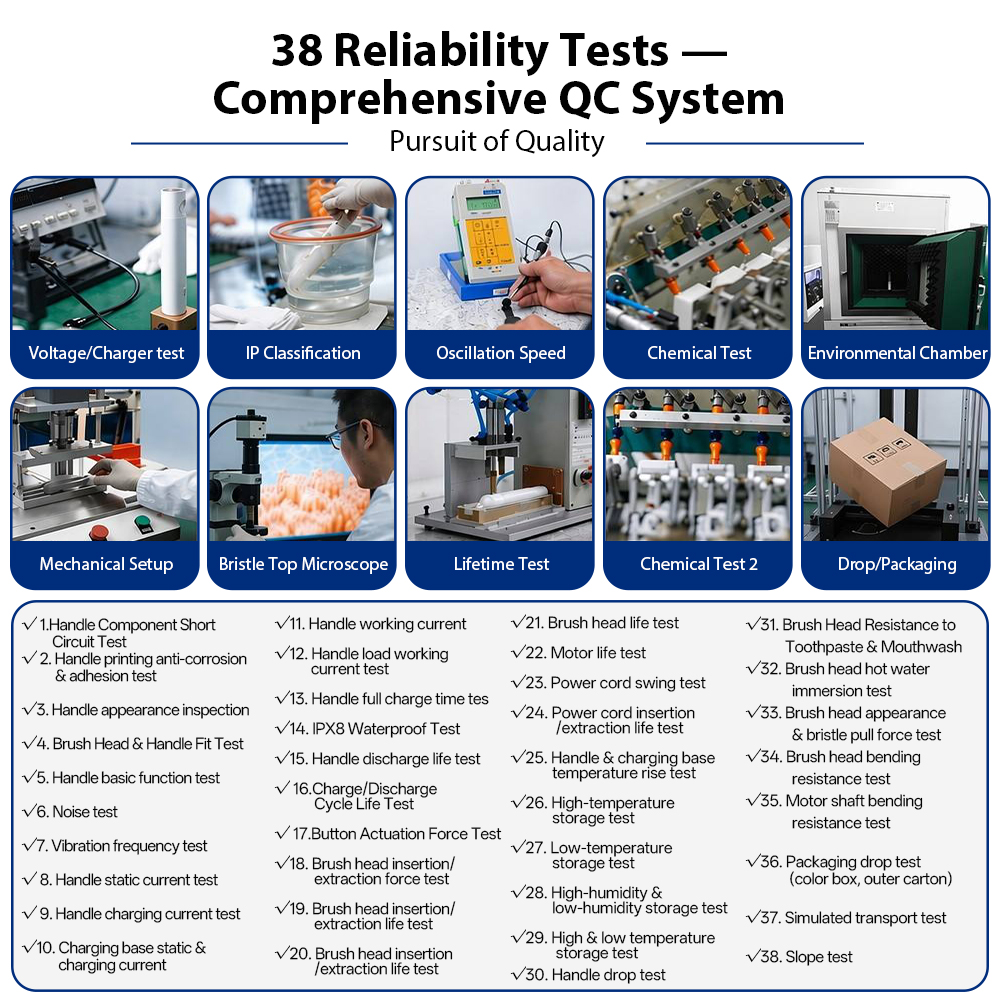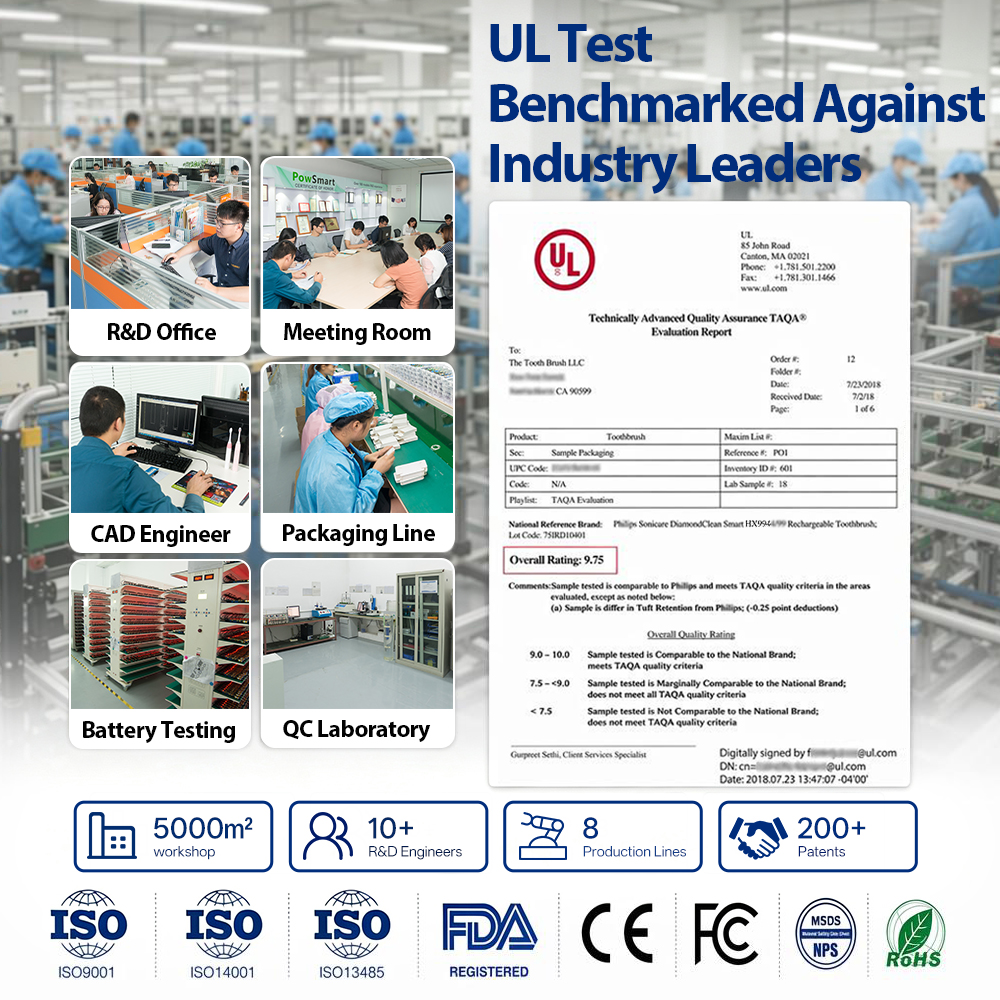
For brands entering the oral-care market, understanding minimum order quantities and production schedules is essential before placing a first order. Choosing a manufacturer with flexible MOQ toothbrush OEM options and a clearly defined Leadtime toothbrush ODM process can help businesses control initial investment, plan product launches, and avoid unnecessary delays.
What Does MOQ Mean for Toothbrush OEM Orders?
MOQ, or Minimum Order Quantity, refers to the smallest quantity a manufacturer accepts for a production order. For toothbrush OEM projects, MOQ may vary depending on the product type, materials, customization level, and packaging requirements. Standard toothbrush models may have different MOQ requirements from products involving custom handles, specialized bristles, or exclusive molds.
Factors That Influence Toothbrush OEM MOQ
Several factors can affect the minimum order quantity, including:
- Product design: Standard models may require lower quantities than fully customized designs.
- Material sourcing: Special bristle materials, handle materials, or components may have supplier minimums.
- Mold development: New handle or brush head molds may involve additional setup costs.
- Packaging customization: Custom printed boxes, labels, and inserts may require minimum printing quantities.
- Production efficiency: Larger production batches can help manufacturers optimize material usage and manufacturing processes.
Discussing these factors early helps buyers identify a suitable order plan.
Understanding the Lead Time for Toothbrush ODM
ODM lead time refers to the period required to develop and manufacture a product based on the buyer’s requirements. It may include design confirmation, sample preparation, testing, packaging approval, material procurement, and mass production. The actual schedule depends on product complexity, customization requirements, component availability, and factory capacity.
Key Stages That Affect Toothbrush ODM Lead Time
A typical ODM project includes several stages:
- Requirement confirmation: Discuss product specifications, target pricing, order quantity, and branding needs.
- Design and sampling: Prepare product designs or samples for buyer evaluation.
- Sample approval: Confirm appearance, materials, functionality, and packaging details.
- Material preparation: Arrange the required raw materials and components.
- Mass production: Manufacture the approved toothbrush model.
- Quality inspection and shipment: Complete inspections, packing, and shipping arrangements.
Timely feedback and approval from both parties can help keep the project on schedule.
How to Prepare for Your First Toothbrush Order
Before requesting a quotation, buyers should prepare basic information such as the toothbrush type, target market, preferred materials, branding requirements, packaging design, estimated order quantity, and expected delivery date. If the project involves custom molds or special components, these requirements should be communicated from the beginning. Providing clear specifications helps the manufacturer assess feasibility, MOQ, and production time more accurately.
Choosing an OEM/ODM Partner for Long-Term Cooperation
A suitable toothbrush manufacturing partner should provide transparent MOQ policies, realistic lead-time estimates, clear communication, and consistent quality control. Buyers should also ask about sample costs, mold ownership, customization charges, payment terms, and shipment arrangements. Starting with a manageable order can help new brands evaluate product quality and supplier performance before expanding their product range.
Conclusion
MOQ and lead time are two important considerations when planning a first toothbrush order. By understanding the requirements of MOQ toothbrush OEM and the stages involved in Leadtime toothbrush ODM, new brands can make better purchasing decisions, prepare realistic launch schedules, and establish a more efficient partnership with their manufacturer. Contact us