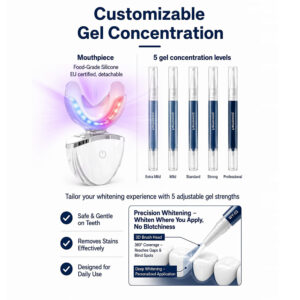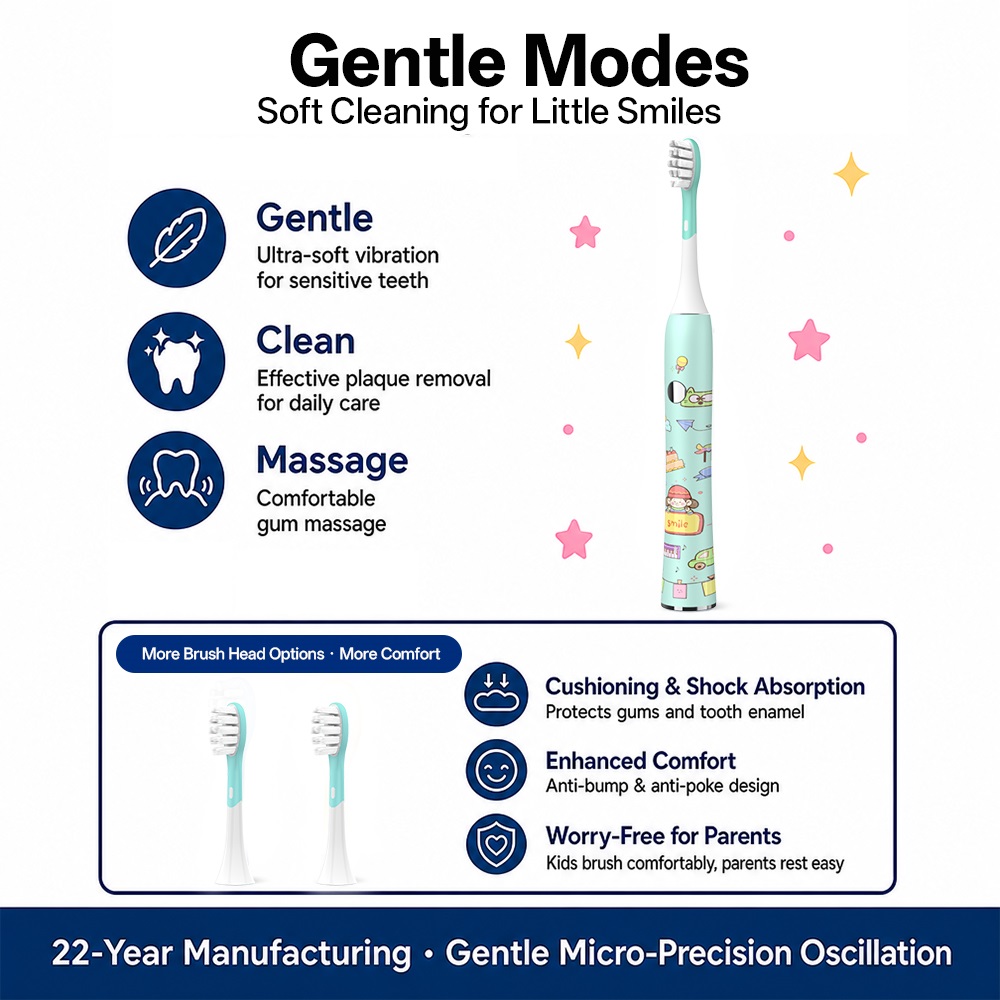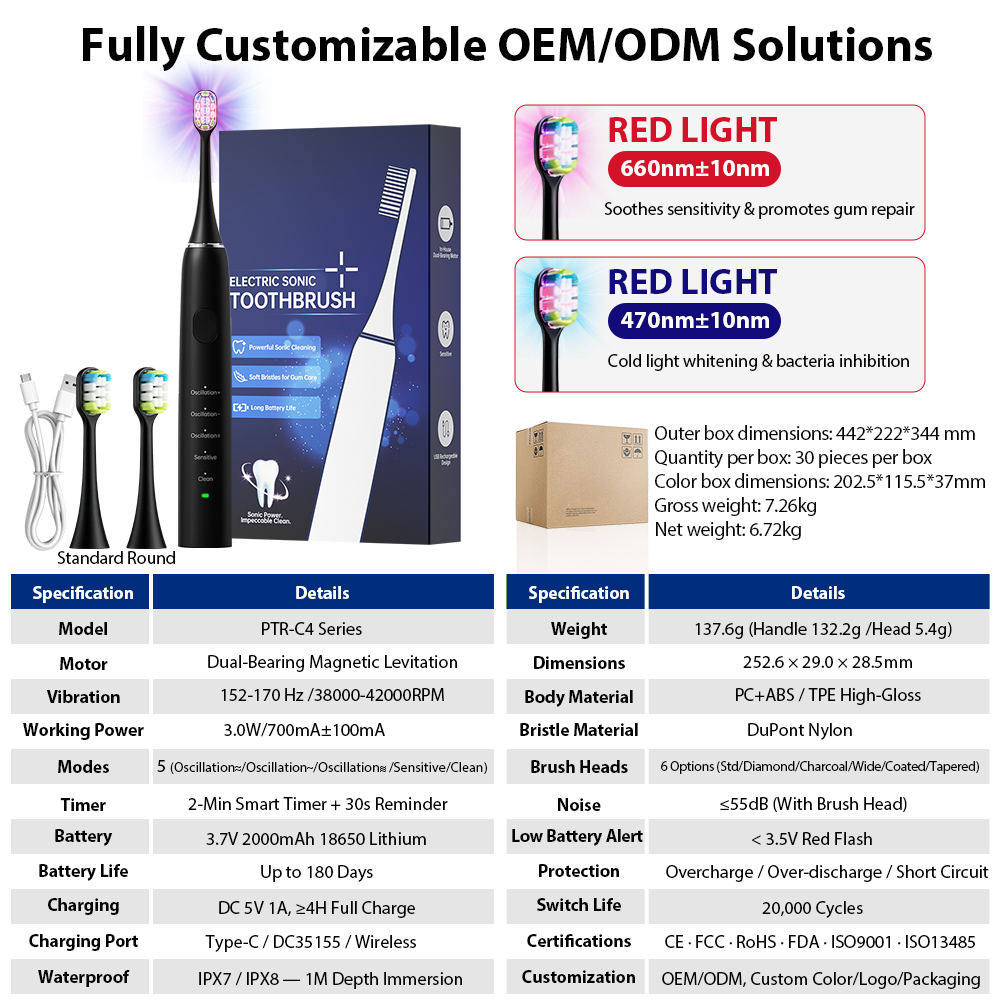
For oral-care brands seeking flexible product configurations and improved device usability, Modular whitening device bulk solutions and Swivel arm whitening device OEM services offer opportunities to develop differentiated whitening equipment. With customizable components, adjustable positioning, and scalable production support, manufacturers can help brands create products that align with their target markets and private-label requirements.
What Are the Advantages of a Modular Whitening Device?
A modular whitening device uses separate components or functional units that can be assembled into a complete product. Depending on the design, modules may include the main control unit, light source, power system, control panel, and compatible accessories.
For brands sourcing Modular whitening device bulk, a modular structure can simplify product customization and help manufacturers develop multiple configurations from a shared platform. However, module interfaces, electrical connections, and mechanical compatibility must be carefully designed and tested to ensure reliable operation.
How Does a Swivel Arm Improve Device Flexibility?
A swivel arm allows a device component, such as a light head, to rotate or change position within a defined range. This can make positioning more convenient and help users adjust the equipment to suit the intended application.
Through Swivel arm whitening device OEM services, brands can customize the arm’s length, rotation range, joint structure, locking mechanism, and overall appearance. Manufacturers should evaluate joint stability, movement smoothness, load capacity, and resistance to repeated adjustments to ensure the arm maintains its position during normal operation.
Which Materials and Components Should Be Considered?
Material selection influences durability, weight, appearance, and production cost. Suitable engineering plastics may be used for housings, while metal components can be considered for structural parts that require additional rigidity.
For modular systems, manufacturers should assess connector durability, component alignment, and ease of assembly. For swivel arm designs, joint materials, fasteners, friction mechanisms, and load-bearing parts require particular attention. The final material selection should reflect the product’s intended environment, usage frequency, and applicable safety requirements.
What Customization Options Are Available for OEM/ODM Projects?
OEM/ODM manufacturers can support customization of housing colors, logos, control interfaces, light configurations, arm dimensions, and packaging. Brands may also request different accessory combinations or product specifications to serve distinct customer segments.
A Modular whitening device bulk project can planned around shared components and selected configurations, subject to technical compatibility. Meanwhile, Swivel arm whitening device OEM services can help brands establish a recognizable product appearance through customized arm geometry, finishes, and control layouts. Early prototyping helps confirm that the proposed design is practical for manufacturing.
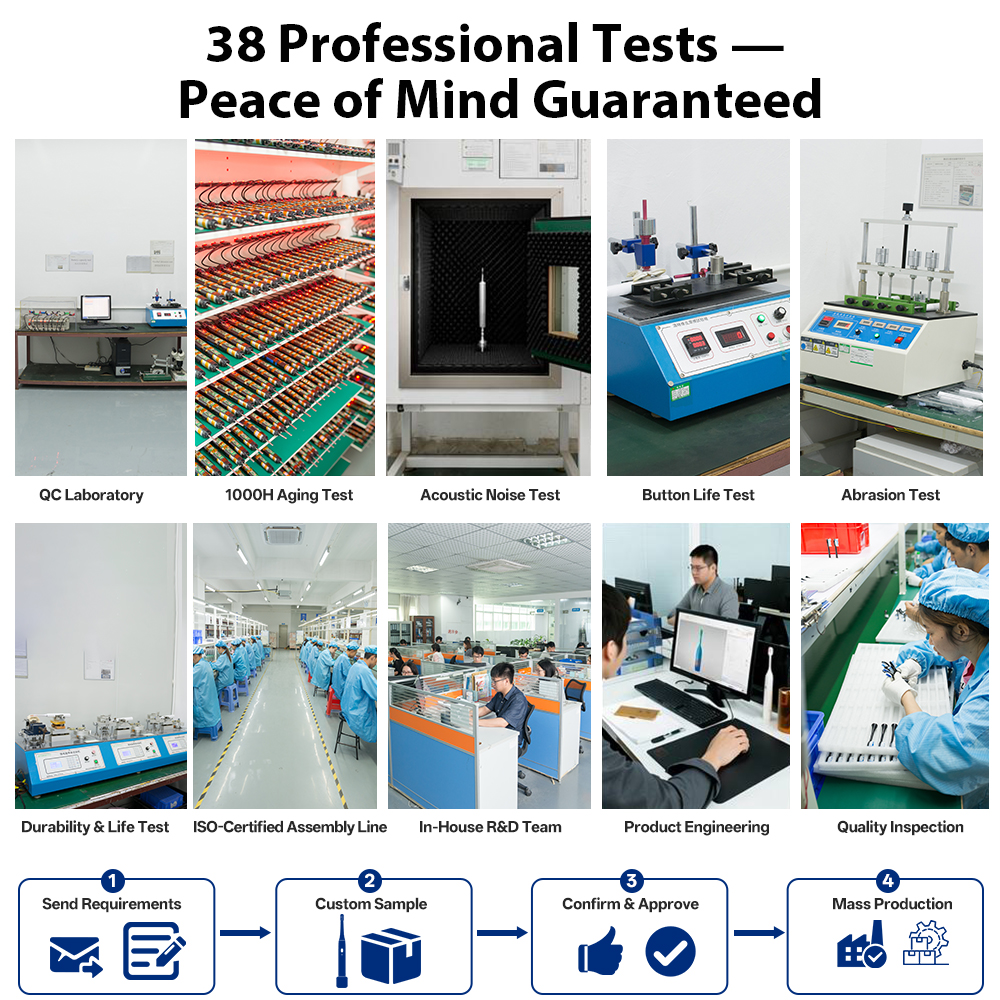
How Can Manufacturers Ensure Consistent Product Quality?
Quality assurance should cover component performance, assembly accuracy, and repeated-use durability. Modular devices may require connection-cycle testing, electrical checks, functional verification, and inspection of module fit.
For swivel arm products, relevant tests include rotation-cycle assessments, joint stability, load testing, and verification that the arm remains secure in its intended positions. Manufacturers should also establish incoming-material inspections, in-process quality checks, and final product inspections before bulk shipment.
How Do You Choose the Right Whitening Device OEM Partner?
When evaluating a supplier for Modular whitening device bulk, brands should review manufacturing capacity, component sourcing, engineering support. A capable supplier should able to explain how different modules are validated and assembled.
For Swivel arm whitening device OEM projects, ask about mechanical design experience, prototype testing, tooling requirements, production lead times. Clear specifications, agreed testing criteria, and effective communication help reduce development risks and support more predictable production.
Conclusion
Modular structures and swivel arm mechanisms offer valuable opportunities for developing flexible, customizable whitening devices. By working with an experienced OEM/ODM manufacturer, brands can explore adaptable product configurations, refine positioning mechanisms. Careful engineering, prototype validation, and production planning help transform product concepts into reliable solutions for B2B markets. Contact us