For any oral hygiene product manufacturer or distributor, educating your customers about water flosser maintenance is more than just value-add content—it’s a key step in enhancing product lifespan, performance, and brand loyalty. While water flossers are known for their effective plaque removal and gum health benefits, few users realize that regular care is essential. Without proper maintenance, even the best-engineered water flosser can suffer from performance drops, mold buildup, and early failure.
Why Maintenance is Critical for Water Flossers
First and foremost, water flossers operate with pressurized water and micro-tubing systems—environments where mineral buildup, bacterial contamination, and mechanical wear can develop silently. Over time, neglected flossers may:
- Lose water pressure
- Develop unpleasant odors
- Exhibit nozzle clogging or motor strain
- Create a breeding ground for mold and bacteria
For OEMs, this reinforces the need to provide clear aftercare guidance with every unit shipped.
Key Maintenance Zones: Where and Why to Clean
There are several components of a water flosser that require periodic cleaning:
- Water Reservoir: Standing water breeds bacteria. Rinse daily and deep-clean weekly.
- Nozzle Tips: These come in contact with oral fluids. They should be rinsed after each use and replaced every 3–6 months.
- Pump System: Mineral deposits can build up internally—especially in hard water areas.
- Exterior Body: Wipe to remove toothpaste splashes, dust, and prevent handle grime.
Neglecting any of these areas reduces hygienic function and overall consumer satisfaction.Company web:https://www.powsmart.com/product/electric-toothbrush/
Recommended Cleaning Frequency and Methods
To keep a water flosser in optimal condition, here’s a general cleaning schedule for consumers or clinic users:
- Daily: Empty the tank after each use, air dry, and rinse the nozzle.
- Weekly: Fill the reservoir with a 1:1 vinegar-water solution, run it through the device, and then rinse with clean water.
- Monthly: Remove detachable parts, soak in antibacterial or descaling solution, and inspect the tubing and seals.
Some brands now include self-cleaning modes, but manual cleaning is still highly recommended as a supplement.
Water Quality Matters: The Hidden Variable
One often overlooked factor is the quality of water users fill their device with. Hard water can leave limescale in the tubing and spray tips, while unfiltered tap water may introduce impurities. Advising customers to use distilled or filtered water can significantly prolong internal cleanliness.
For B2B buyers, this means customizing regional user manuals to reflect local water hardness and maintenance expectations.
Smart Maintenance Features: What Manufacturers Can Do
Leading OEM manufacturers are embedding smart features to aid users in regular upkeep:
- LED indicators for filter or nozzle replacement
- Detachable, dishwasher-safe reservoirs
- Anti-mold UV sterilization for tanks and nozzles
- App reminders for scheduled cleaning tasks
By integrating maintenance reminders into product design, brands increase compliance while reducing warranty claims.
Our Engineering Approach to Maintenance-Friendly Design
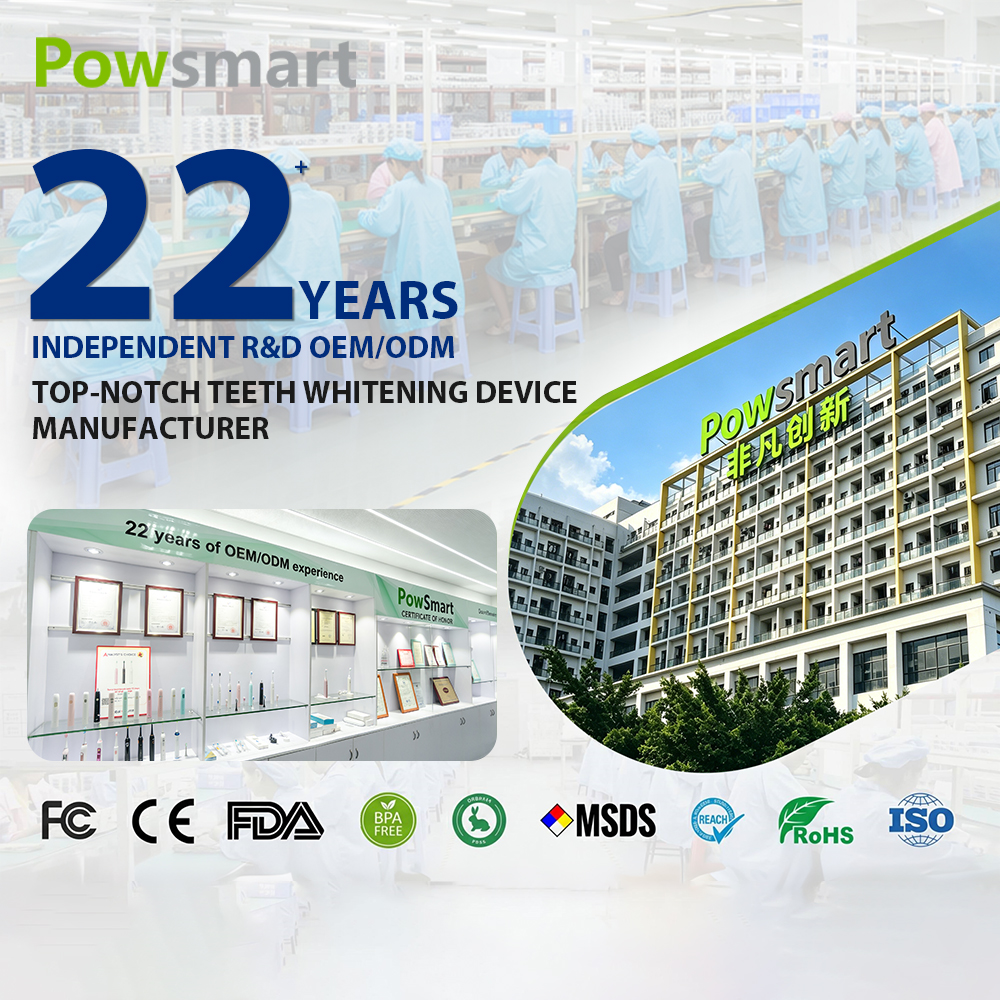
At our factory, all water flosser models are engineered for easy disassembly, smooth internal surfaces, and mold-resistant materials. We offer:
- Customizable tanks in BPA-free or antimicrobial plastics
- Ultrasonic-welded seams for leak prevention
- Optional UV sterilization modules
- Clear maintenance labeling and printed guides for OEM use
These features not only simplify maintenance for end users but also reduce post-sale support burdens for our B2B partners.
Conclusion: Maintenance Is Not Optional—It’s a Competitive Advantage
In summary, maintenance isn’t just good hygiene practice—it’s directly tied to product durability, customer satisfaction, and overall brand trust. Educating users on how to clean their water flosser helps reduce returns, strengthens after-sales experience, and positions your product as reliable and user-focused.
Looking to design a low-maintenance water flosser tailored to your market? Contact our technical team to explore OEM solutions built for hygiene, durability, and user convenience.
.jpg)
