Developing a competitive teeth whitening product requires careful component selection, reliable engineering, and consistent manufacturing. Partnering with an experienced Linear motor whitening device supplier and a dependable Lithium polymer whitening kit factory can help oral-care brands customize device functions, optimize product design, and build a stable supply chain.
What Should Buyers Know About Linear Motor Technology?
Linear motors generate motion along a straight path rather than relying on conventional rotary movement. Their suitability depends on the device’s intended function, mechanical structure, and operating requirements. When evaluating this technology, buyers should consider movement accuracy, operating noise, energy consumption, control methods, and long-term durability.
How Can a Linear Motor Whitening Device Supplier Support Product Development?
A professional Linear motor whitening device supplier can help buyers assess motor specifications and integrate suitable components into a customized device. OEM services may include housing design, motor selection, control interfaces, LED modules, charging systems, and logo customization. Technical evaluation and prototype testing are important steps before confirming the final product configuration.
Why Consider Lithium Polymer Batteries for Whitening Kits?
Lithium polymer batteries are widely used in compact electronic products because their form factors can support flexible product layouts. Depending on the battery design and device requirements, they may help manufacturers develop lightweight, rechargeable whitening devices. Buyers should evaluate battery capacity, dimensions, charging parameters, protection circuits, and expected operating time before selecting a solution.
What Can a Lithium Polymer Whitening Kit Factory Customize?
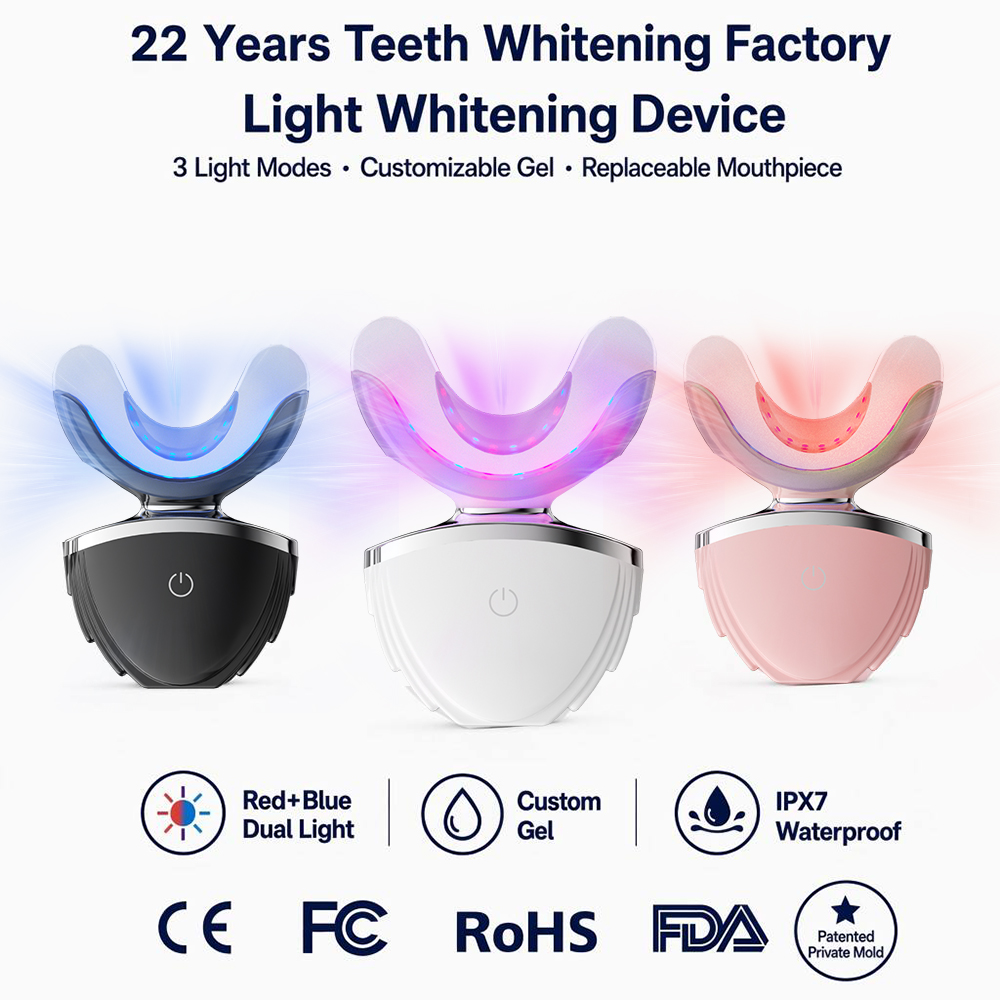
A Lithium polymer whitening kit factory may provide OEM or ODM services covering battery configuration, device appearance, LED components, operating controls, accessories, and retail packaging. Brands can also discuss product colors, logo placement, charging interfaces, and kit combinations. All customized specifications should be reviewed through samples and compatibility testing before mass production.
Which Quality Tests Are Important Before Mass Production?
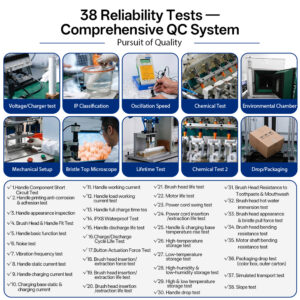
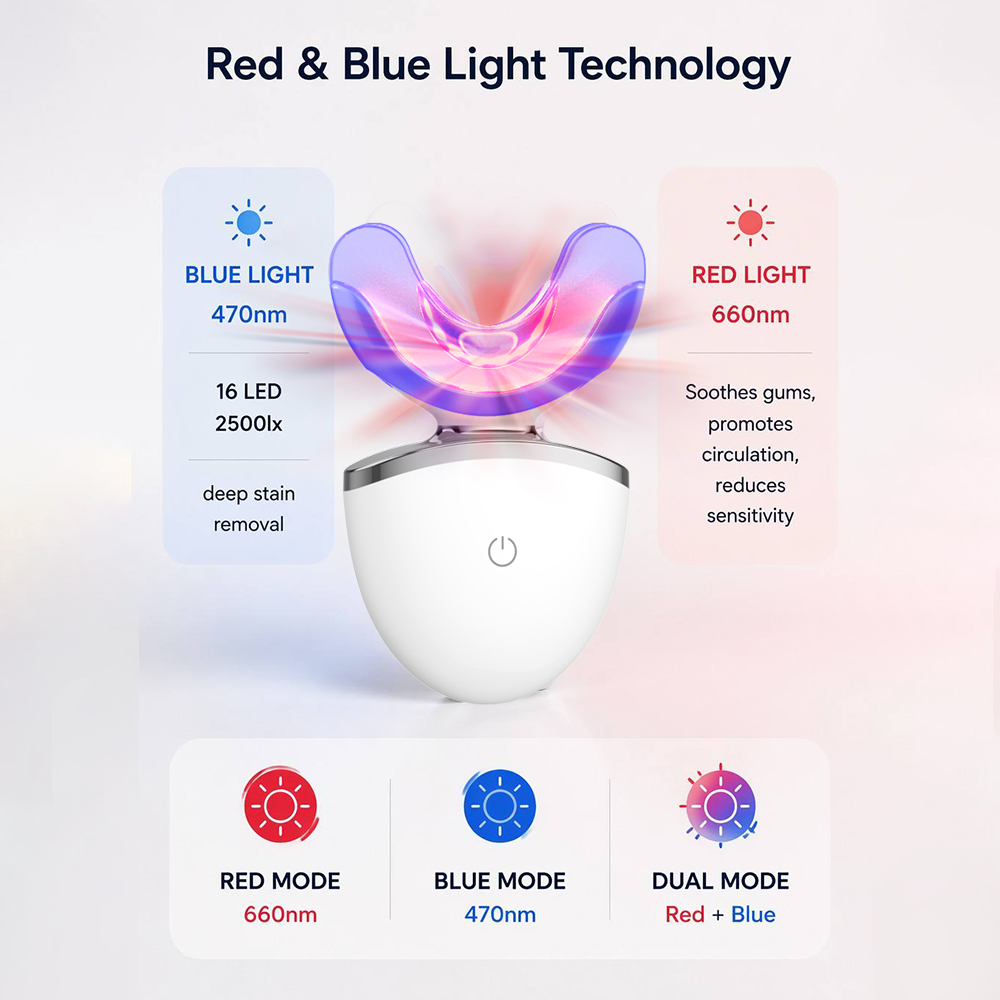
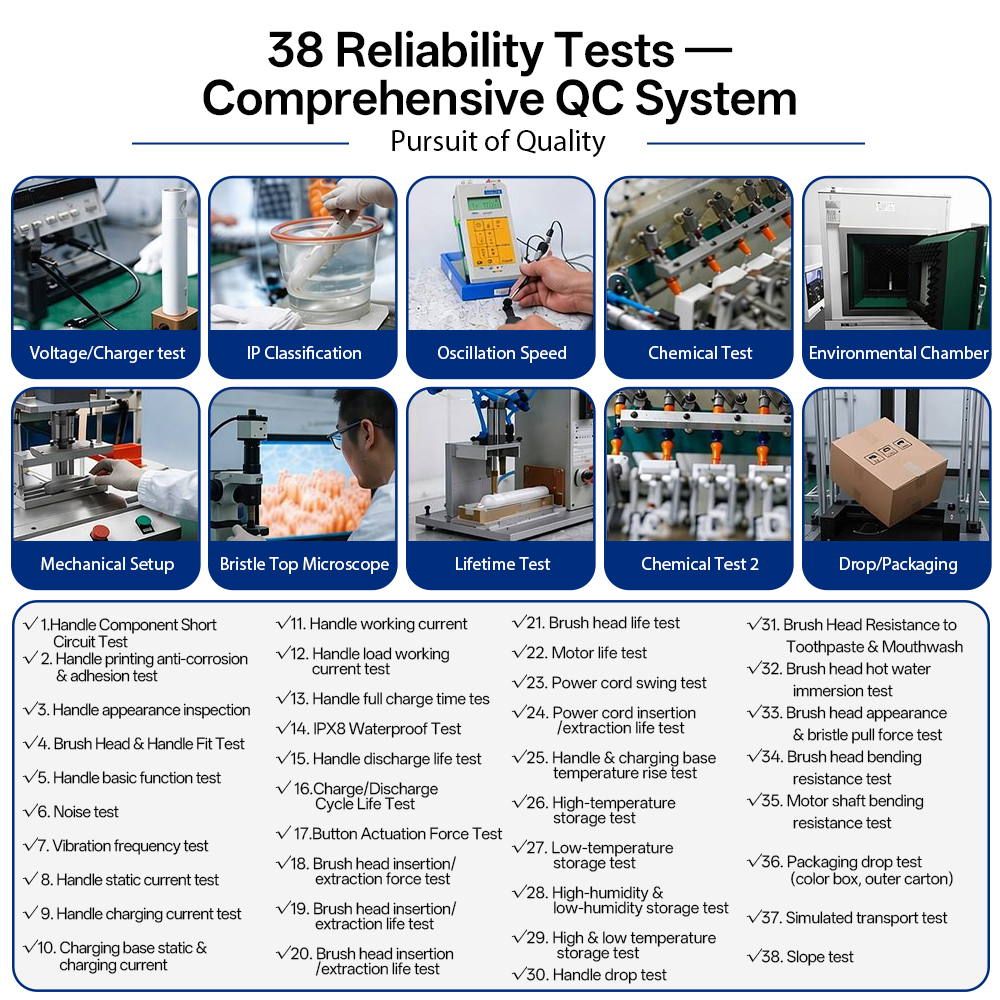
Quality checks should cover motor operation, movement consistency, electrical performance, charging safety, battery protection, and structural durability. For whitening devices, manufacturers and buyers should also evaluate LED output, temperature behavior, material compatibility, and overall device functionality. Battery-related testing and documentation should correspond to the actual battery model and finished product configuration.
How Can Buyers Choose a Reliable Manufacturing Partner?
Before placing an order, buyers should review the supplier’s engineering experience, sample quality, customization capabilities, production capacity, MOQ, and lead time. It is also important to clarify component specifications, quality inspection procedures, packaging requirements, and documentation responsibilities. A clear development schedule helps both parties manage design changes and production expectations.
Conclusion
Successful whitening device development depends on selecting compatible components and working with a manufacturer that understands the complete product. By partnering with a capable Linear motor whitening device supplier and a reliable Lithium polymer whitening kit factory, brands can improve product planning, customize device configurations, and establish a more consistent manufacturing process. Contact us