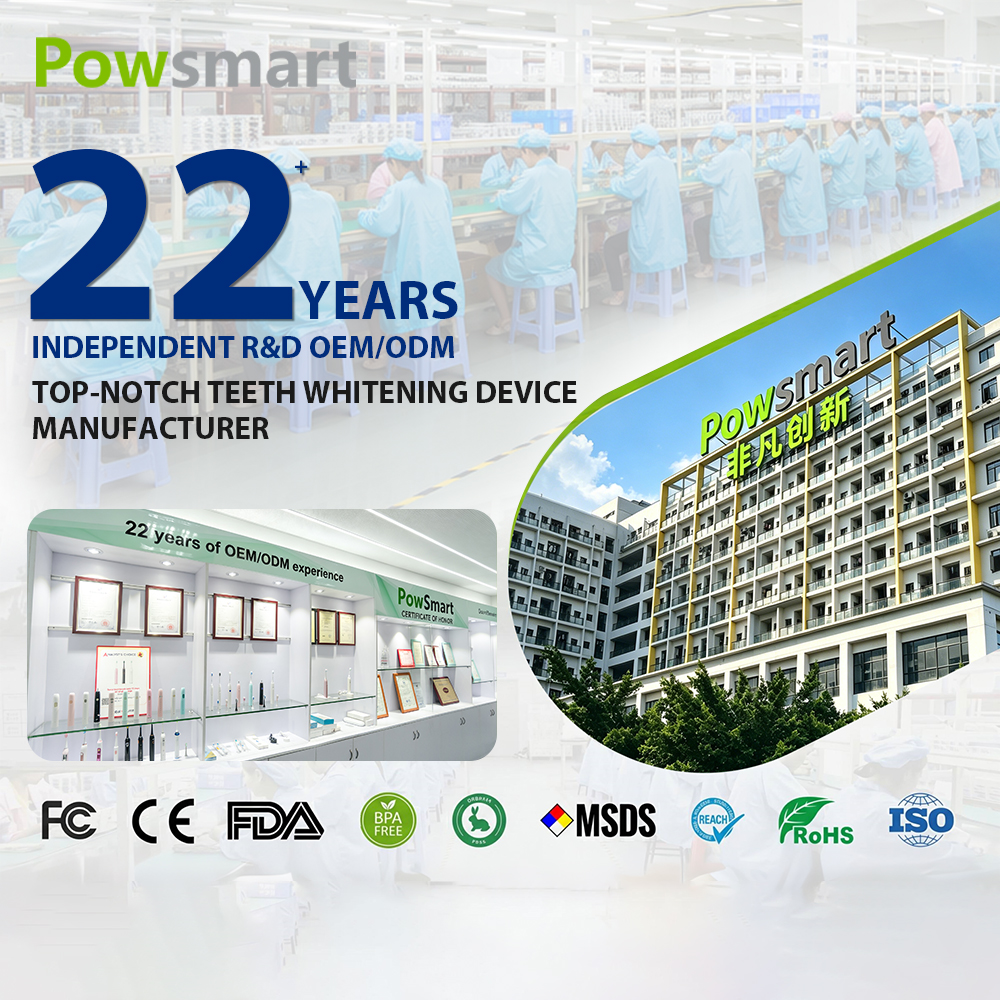
When sourcing teeth whitening kits in bulk, buyers need to evaluate product safety, manufacturing consistency, and supplier reliability before placing an order. A dependable Labtest whitening kit bulk partner can help coordinate product testing and quality verification, while an Audit whitening kit OEM process allows buyers to assess factory operations, production controls, and manufacturing standards before starting a long-term partnership.
Why Is Laboratory Testing Important for Bulk Whitening Kits?
Laboratory testing helps buyers evaluate whether whitening kit components meet relevant product specifications and applicable market requirements. Depending on the product configuration, testing may cover whitening gel ingredients, material compatibility, packaging performance, and the electrical safety of LED devices.
For Labtest whitening kit bulk orders, buyers should identify the required tests before mass production. Testing requirements may vary according to the formulation, product claims, intended use, and destination market.
Which Whitening Kit Components Should Be Tested?
A teeth whitening kit may contain several components that require different evaluation methods:
- Whitening gel: Review ingredient composition, concentration, stability, and applicable safety requirements.
- LED whitening device: Evaluate relevant electrical safety and performance characteristics.
- Mouth trays: Check material specifications, dimensions, and suitability for the intended application.
- Packaging materials: Assess sealing, labeling, and protection during storage and transportation.
- Accessories: Verify that included cables, adapters, and other components meet the agreed specifications.
Buyers should confirm that test samples represent the actual products and materials intended for mass production.
How Does Laboratory Testing Support Quality Control?
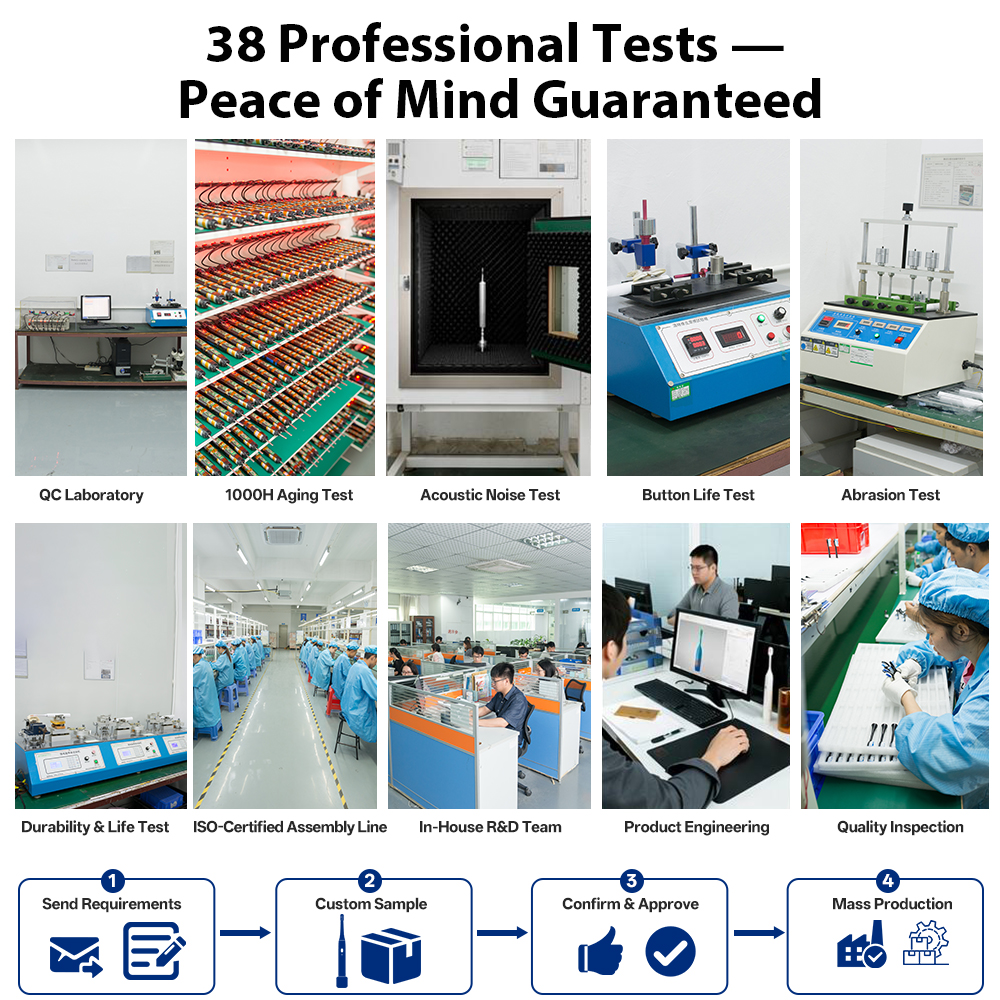
Testing should be part of a broader quality management process rather than a one-time activity. Manufacturers can establish inspection procedures for incoming materials, production stages, and finished products.
For whitening kits, quality checks may include appearance, component assembly, gel filling accuracy, packaging integrity, device operation, and batch identification. Comparing inspection results with approved samples and product specifications helps identify inconsistencies before shipment.
What Is an OEM Factory Audit?
A factory audit is an assessment of a manufacturer’s facilities, production processes, quality management systems, and business practices. It helps buyers understand whether a supplier has the resources and procedures needed to fulfill an OEM order.
An Audit whitening kit OEM assessment may cover production capacity, equipment maintenance, employee training, material storage, traceability, quality inspection records, and corrective action procedures.
What Should Buyers Check During a Whitening Kit Factory Audit?
A structured audit should focus on areas that directly affect product quality and order fulfillment, such as:
- Manufacturing facilities: Review production areas, equipment, and working conditions.
- Quality management: Check inspection procedures, quality records, and defect-handling processes.
- Material control: Evaluate supplier management, incoming inspections, and storage conditions.
- Production traceability: Confirm how batches, components, and finished products are identified.
- Documentation: Review product specifications, test reports, production records, and relevant compliance documents.
- Corrective actions: Understand how the factory investigates and addresses quality problems.
Buyers should define audit criteria in advance and document any findings that require follow-up.
How Can Buyers Combine Testing and Audits for Better OEM Cooperation?
Laboratory testing and factory audits serve different purposes but work well together. Testing evaluates specific product characteristics, while an audit examines the manufacturer’s ability to maintain consistent production and quality controls.
Before placing a bulk order, buyers should agree on testing responsibilities, sample approval procedures, inspection standards, audit schedules, and documentation requirements. Any changes to ingredients, materials, components, or product design should also be reviewed to determine whether additional testing or approval is necessary.
Conclusion
Reliable whitening kit sourcing requires both product verification and supplier evaluation. By arranging Labtest whitening kit bulk testing and conducting an Audit whitening kit OEM assessment, buyers can better understand product quality, manufacturing capabilities, and compliance requirements before committing to large-scale production. Contact us