
The best way to deal with this fungus among us is to avoid it from occurring in the first place. That means actively taking steps to prevent mold in a water flosser so that your dental health remains pristine.
One of the best ways to tackle prevention is deep cleaning the machine once a month at least, but the more often the better. Keeping the tool clean aids in the removal of potentially harmful particles such as spores, bacteria, and mycotoxins, as well as potential food sources such as organic matter and mineral buildup. It also helps ensure that the machine continues to work properly; a malfunctioning water flosser is an open door for retaining moisture and allowing for mold growth.
Any particle left behind, whether it be mold, mycotoxins, or bacteria, means that exposure continues and any adverse health reactions will persist. That’s why it’s best to start fresh with a UVC sterilization water flosser. This makes your oral care routine more hygienic and you don’t have to worry about mold problem.
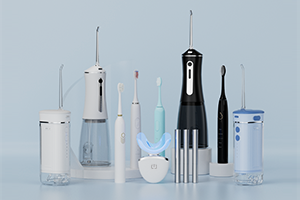
Tools to tackle deep cleaning include:
White vinegar: This is a descaler, meaning it will pull particles up from a surface, and it also has antifungal and antibacterial properties.
8% hydrogen peroxide: This is also a descaler and has antimicrobial properties.
Microfiber towels: These are 100 times better at removing small particles than regular rags.
Bucket and spray bottle: To hold the cleaning solutions.
Tiny scrubby brush: For use on hard-to-reach areas:
Protective gear (mask and gloves): To decrease the level of exposure to any particles present on the water flosser.
Once you’ve got everything set up and ready to go, you can dive in. Make sure to double-check the user manual for a list of what can be removed from the tool, as well as its cleaning instructions. Every machine is different, so trust the experts for this task.
For those not in a position to replace their water flosser, you can attempt to deep clean using the steps above, but complete the process at least three times and remove as many particles as possible. If that mold comes right back or symptoms continue, that contamination is more than likely still present in the machine, and it’s time to throw it in the garbage.
Again, though, it’s best to err on the side of caution and just go ahead and toss your mold oral irrigator. When it comes to your health, going above and beyond is always worth the investment.

.jpg)
