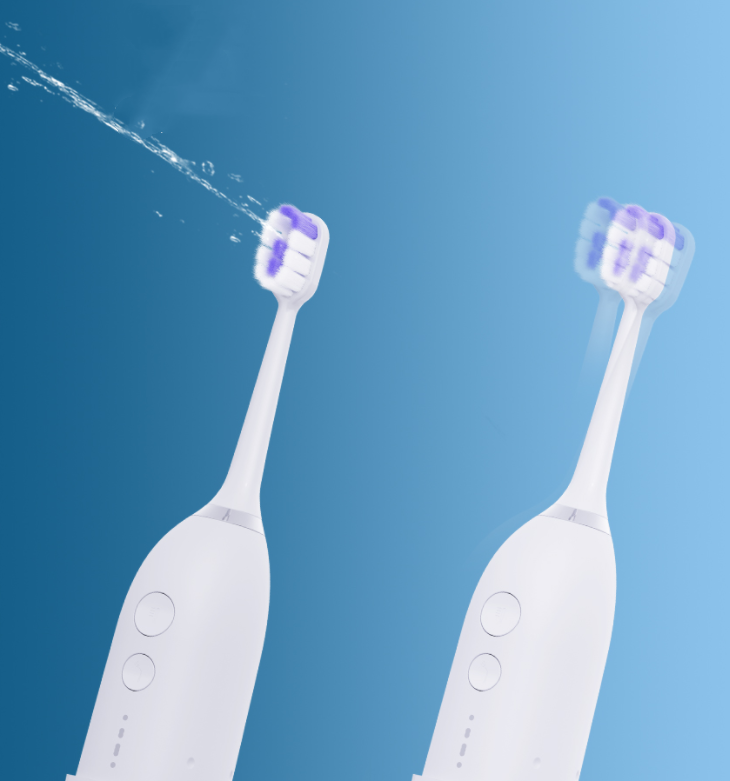
Introduction: Understanding High-Frequency Vibration in Electric Toothbrushes
For brands exploring an OEM electric toothbrush, one question comes up often: Is high-frequency vibration safe for sensitive gums and teeth? In fact, many modern toothbrushes now use 40,000 vibrations per minute to improve plaque removal and brushing efficiency.
However, this level of power can raise concerns—especially for users with sensitive teeth. Therefore, for oral care brands targeting comfort-conscious consumers, balancing cleaning performance and gentle brushing is essential.
The Science Behind 40,000 VPM
At first, 40,000 vibrations per minute may sound aggressive. Yet, this frequency is widely used in leading toothbrush designs. Why? Because it helps remove plaque more effectively, particularly along the gum line and between teeth.
Moreover, with the right bristle design and motor control, this speed can still feel gentle. For example, soft bristles combined with rounded brush heads reduce irritation. Therefore, high-frequency vibration doesn’t always mean harsh brushing—it depends on how it’s implemented.
Sensitive Teeth Require Smart Design
Not every user tolerates intense vibration well. For those with sensitive teeth or gums, discomfort may arise if the brush lacks customization.
Fortunately, many OEM electric toothbrush designs now include multiple brushing modes. Users can switch between settings like “Clean,” “Sensitive,” or “Massage.” Additionally, flexible brush heads and soft silicone materials improve comfort. These features make gentle brushing possible, even at high frequencies.
Choosing the Right OEM Manufacturer
If you’re a brand looking to offer a well-balanced toothbrush, your manufacturer matters. A capable OEM electric toothbrush supplier should support adjustable vibration levels and ergonomic brush heads.
Furthermore, they should understand the needs of users with sensitive gums. Ask whether they provide mode testing, flexible motor specs, or bristle customization. This ensures the toothbrush not only cleans deeply, but also protects oral comfort.
Standards, Testing, and Feedback Matter
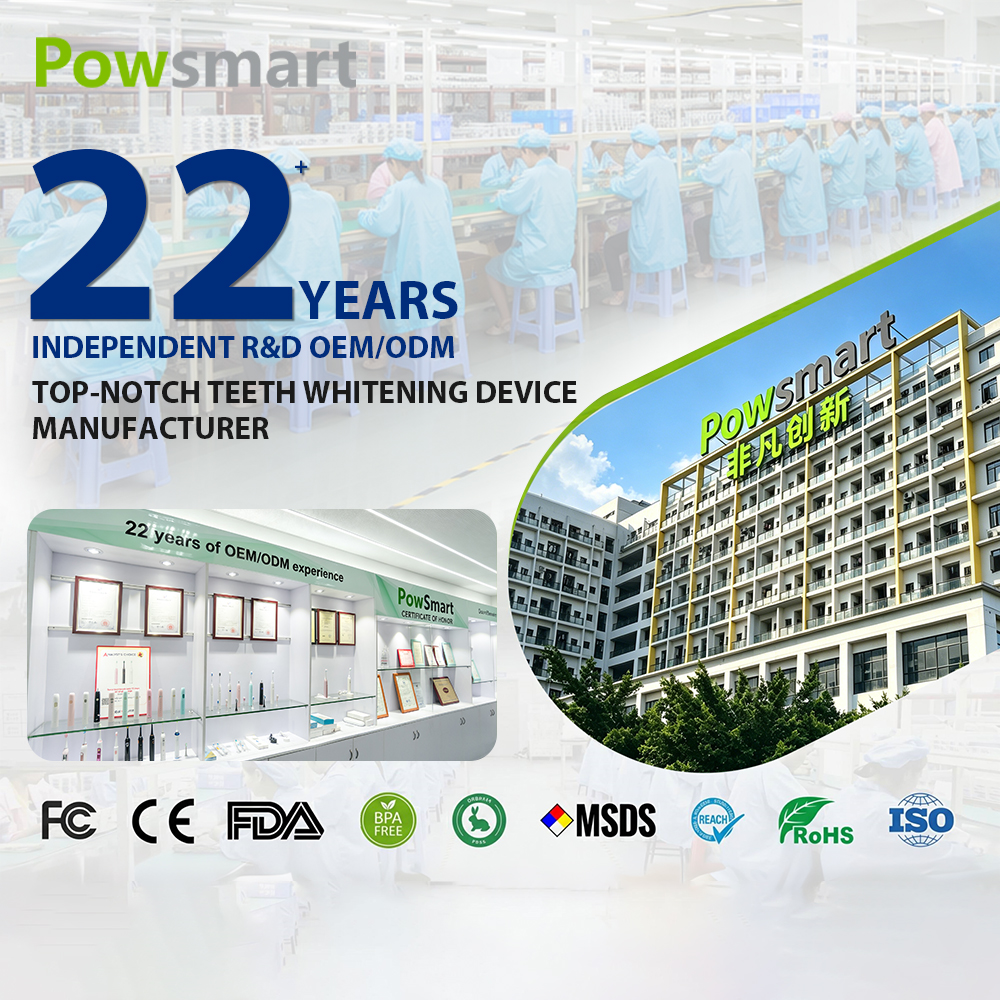
Safety isn’t just about product specs. It also involves compliance and real-world testing. A professional manufacturer should meet certifications like CE, FDA, and RoHS.
Additionally, brands should request user feedback or clinical trial data. This helps verify that high-frequency vibration doesn’t harm gums or irritate sensitive teeth. Therefore, collaboration with a quality-driven factory is critical.
Conclusion: Power and Gentleness Can Coexist
So, is high-frequency vibration harmful to gums? Not necessarily. When engineered correctly, it offers excellent cleaning while remaining gentle.
For oral care brands, the solution lies in selecting a skilled OEM electric toothbrush manufacturer. One that offers both customizable power and soft-touch design. In doing so, your brand can confidently serve both mainstream users and those needing extra care.
.jpg)
