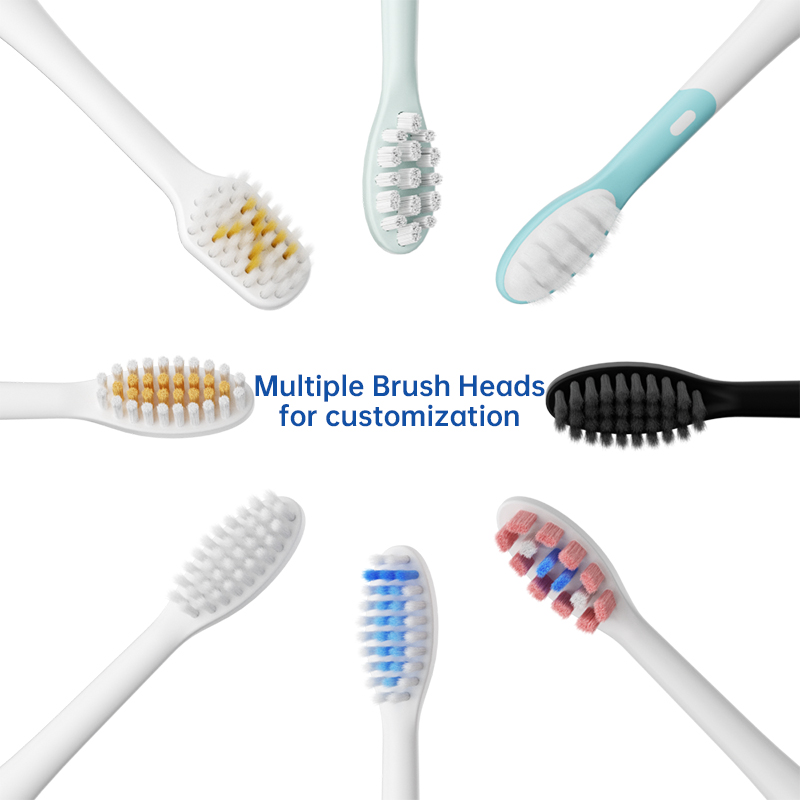
Switching to an electric toothbrush for the first time can feel overwhelming, but this first electric toothbrush beginners guide makes it easy. Electric brushes offer deeper cleaning and more consistent results, but knowing what to expect and how to adapt ensures a smooth transition. For beginner-friendly electric toothbrushes, visit https://www.powsmart.com/.
What to Expect When Switching to Electric
- Vibration sensation: Electric brushes vibrate at high speeds, which can feel unusual at first. Start with the lowest setting and gradually increase as you get used to the sensation.
- Cleaning time: Most electric brushes have a built-in timer that ensures you brush for the recommended 2 minutes. This takes the guesswork out of brushing and ensures thorough cleaning.
- Battery life: Rechargeable electric brushes last 1–2 weeks on a single charge, so you don’t have to charge them every day.
How to Adapt to Your New Brush
- Hold the brush at a 45-degree angle: Just like a manual brush, hold the electric brush at a 45-degree angle to your gums to clean along the gumline.
- Let the brush do the work: Electric brushes do most of the cleaning for you—just guide the brush slowly over each tooth, avoiding scrubbing back and forth.
- Replace the head every 3–4 months: Just like manual brushes, electric brush heads wear out over time. Replace the head every 3–4 months to ensure effective cleaning.
Choosing Your First Electric Toothbrush
- Consider your needs: If you have sensitive gums, choose a brush with a sensitive mode. If you travel frequently, choose a compact, rechargeable model.
- Look for key features: Built-in timers, pressure sensors, and multiple cleaning modes are all useful features for beginners.
- Stick to reputable brands: Brands like Philips Sonicare, Oral-B, and Powsmart offer reliable, beginner-friendly electric toothbrushes.
This first electric toothbrush beginners guide takes the guesswork out of switching to electric. You’ll know what to expect, how to adapt, and how to choose the right brush for your needs—making the transition smooth and stress-free. For more oral care tips, visit https://www.mayoclinic.org/healthy-lifestyle/adult-health/in-depth/toothbrush-care/art-20046273.