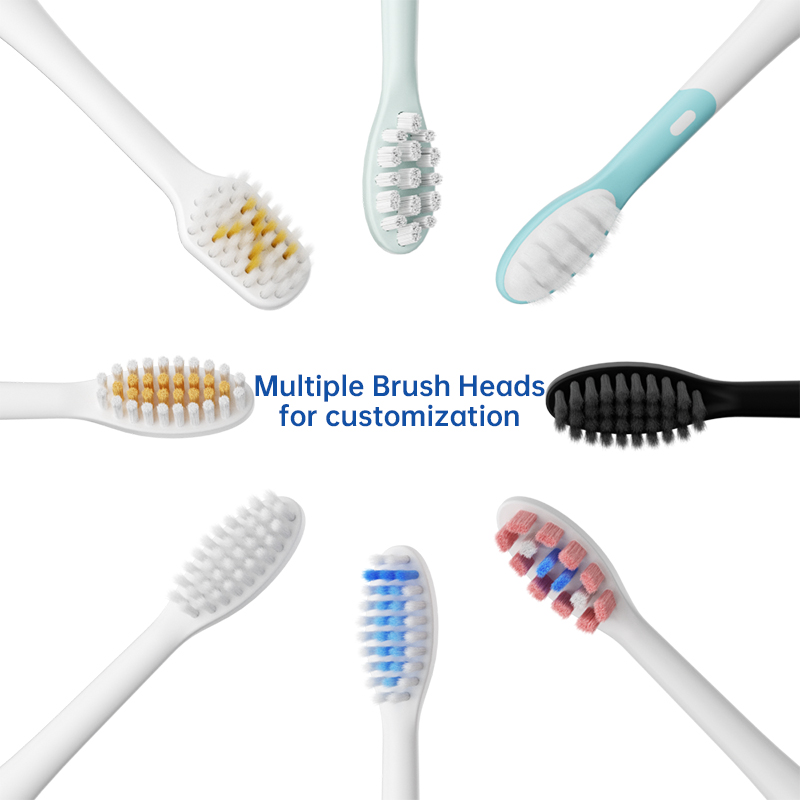
How loud is too loud? This electric toothbrush noise level comparison helps you find a quiet brush for light sleepers and shared households. Electric toothbrushes use motors to create vibrations, and the noise level can vary significantly between models. Knowing the noise levels of popular brushes ensures you choose a model that fits your lifestyle and doesn’t disrupt your household. For quiet, effective electric toothbrushes, visit https://www.powsmart.com/.
How We Measured Noise Levels
We measured the noise levels of popular electric toothbrushes using a decibel meter, testing each brush on its highest setting in a quiet room. The results were surprising—some brushes were as loud as a conversation (60–70 decibels), while others were nearly silent (under 50 decibels). The quietest brushes use advanced motor technology and sound-dampening materials to reduce vibrations and noise.
Popular Brush Noise Levels
- Philips Sonicare 9900 Prestige: 48 decibels (nearly silent)
- Oral-B iO Series 9: 52 decibels (very quiet)
- Powsmart Quiet Clean: 50 decibels (ultra-quiet)
- Colgate ProClinical 250R: 62 decibels (moderate noise)
- Waterpik Sensonic: 68 decibels (loud)
Choosing a Quiet Brush for Light Sleepers
- Look for advanced motor technology: Brushes with brushless motors or sound-dampening materials are quieter than traditional brushed motors.
- Test the brush before buying: If possible, test the brush in a store to hear the noise level before making a purchase.
- Choose a brush with multiple modes: Many brushes have a “quiet mode” or “sensitive mode” that reduces noise and vibration.
This electric toothbrush noise level comparison helps you find a quiet brush for light sleepers. Whether you’re sharing a bathroom or just want a peaceful start to your day, a quiet electric toothbrush can make a big difference in your routine. For more toothbrush tips, visit https://www.mayoclinic.org/healthy-lifestyle/adult-health/in-depth/toothbrush-care/art-20046273.