electric toothbrush manufacturing process transparency is a key concern for B2B buyers evaluating OEM partners. Understanding each production stage helps brands assess quality control, scalability, and long-term reliability.
Therefore, a clear manufacturing overview supports informed sourcing decisions.
Product Design and Engineering Preparation
The process begins with industrial design and structural engineering. At this stage, motor selection, battery capacity, and PCB layout are finalized. These decisions directly affect performance and lifespan.
Once specifications are confirmed, design files move into tooling preparation.
Mold Development and Component Production
Injection molds are developed for handles, brush heads, and internal supports. High-precision molds ensure dimensional consistency across large volumes. Meanwhile, key components such as motors and batteries are sourced or produced according to agreed specifications.
Quality checks are performed before assembly begins.
Assembly and Waterproof Sealing
During assembly, electronic components are integrated into the handle housing. Waterproof sealing processes, including ultrasonic welding and gasket installation, are applied to achieve IPX standards.
As a result, products withstand long-term daily use.
Functional Testing and Quality Inspection
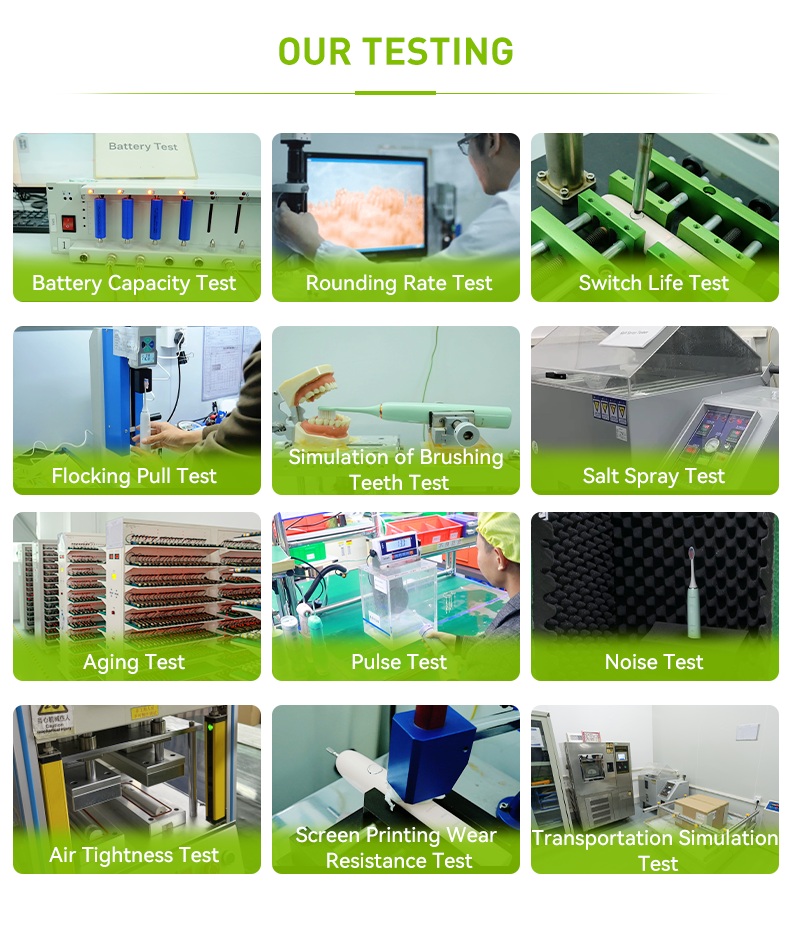
Each unit undergoes vibration frequency testing, charging validation, and insulation checks. Sampling inspections further verify durability and performance consistency.
Factories with mature systems document every inspection step, supporting traceability.
Packaging and Logistics Preparation
After testing, products move to packaging lines. OEM buyers can customize packaging materials, manuals, and labeling for different markets. Export cartons are prepared according to shipping requirements.
Many OEM platforms showcased on powsmart.com demonstrate how standardized manufacturing supports diverse branding needs.
Industry Standards and Compliance References
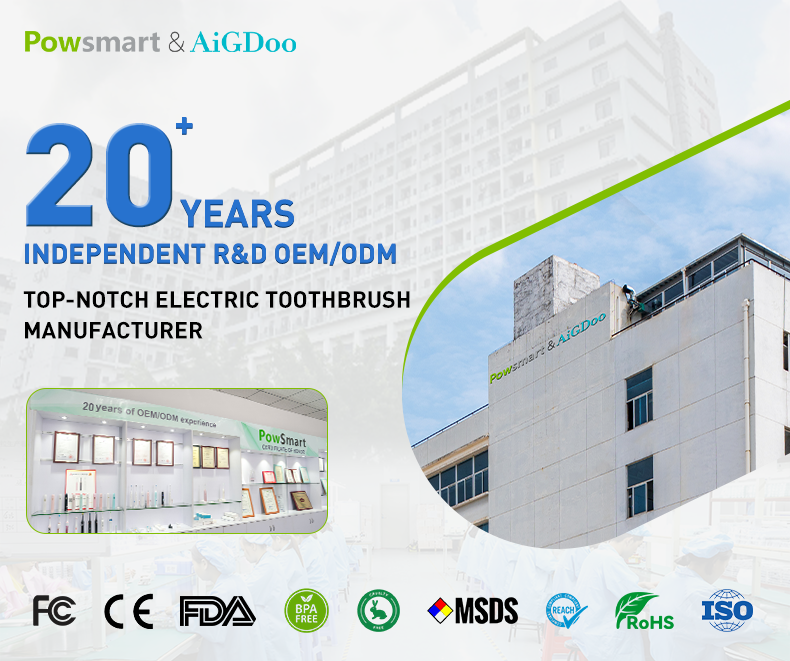
The manufacturing workflow aligns with international quality systems such as ISO 9001. Additionally, safety and performance guidelines referenced by organizations like the FDA inform production controls.
Compliance readiness reduces certification risks for brand owners.
Conclusion
In conclusion, the electric toothbrush manufacturing process involves coordinated design, precision tooling, controlled assembly, and rigorous testing. For B2B brands, partnering with a transparent and capable OEM manufacturer ensures product consistency, regulatory readiness, and sustainable growth.




.jpg)
