Introduction
Bell’s palsy oral care guide addresses the unique challenges of brushing with one-sided facial weakness. Reduced lip movement, numbness, and muscle control make standard cleaning ineffective, increasing cavity and gum disease risk. This guide offers practical, adaptive solutions to help you maintain oral health safely.
Key Challenges of Brushing with Facial Weakness
Bell’s palsy often causes partial paralysis on one side of the face. You may struggle to open your mouth fully, keep lips closed, or feel plaque buildup on the affected side. These barriers make daily brushing frustrating and incomplete, even with regular effort.
Adaptive Electric Toothbrush Features for Bell’s Palsy
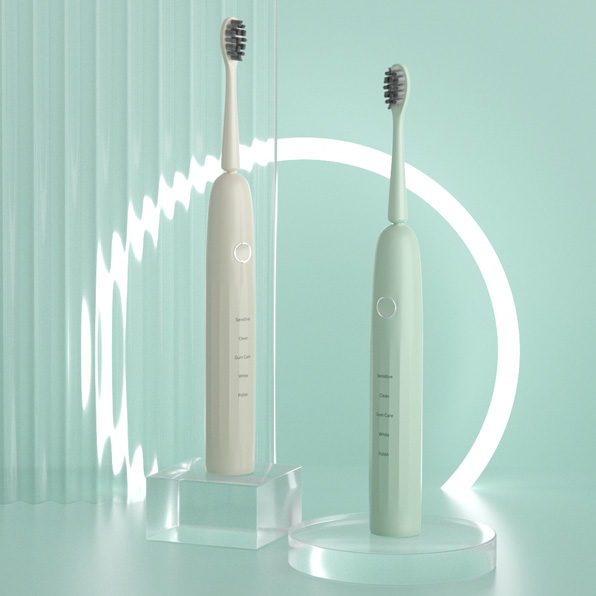
Choose an electric toothbrush with these helpful features:
- Large, non-slip handles for easy one-handed grip.
- Pressure sensors to prevent over-brushing on the unaffected side.
- Quadrant timers to ensure equal cleaning time on both sides of the mouth.
- Soft, rounded bristles to avoid irritating sensitive or numb gums.
Step-by-Step Brushing Techniques
Use these strategies to clean effectively:
- Prop your cheek open with a clean finger on the affected side to access back teeth.
- Use your unaffected hand to guide the brush slowly, focusing on hard-to-reach areas.
- Brush in front of a mirror to see missed spots on the numb side.
- Ask a caregiver to help clean hard-to-reach areas if you struggle to reach them alone.
Daily Habits to Support Oral Health
Pair brushing with these simple steps:
- Rinse your mouth with alcohol-free mouthwash to reduce bacteria and soothe sensitive gums.
- Drink water throughout the day to ease dry mouth, a common side effect of facial paralysis.
- Schedule regular dental checkups to monitor gum health and address issues early.
For adaptive oral care tools, visit https://www.powsmart.com/.
For Bell’s palsy health resources, visit https://www.ninds.nih.gov/health-information/patient-caregiver-education/bells-palsy.
Conclusion
With the right tools and techniques, maintaining oral health with Bell’s palsy is possible. This Bell’s palsy oral care guide helps you adapt your routine to protect your teeth and gums during recovery.

.jpg)
