Flossing is a key component of maintaining good oral hygiene, but with the variety types of flossing technologies available today, choosing the right one can be overwhelming. Each type of flossing technology offers distinct benefits, and the ideal choice often depends on the user’s specific needs and preferences. In this blog, we’ll analyze the advantages and disadvantages of different types of flossing technologies, helping you make an informed decision tailored to your oral care routine.
Traditional Flossing (Manual Floss)
Overview: Traditional flossing involves using a thin, flexible piece of nylon or Teflon string to manually remove plaque and food particles from between your teeth.
Advantages:
- Low cost: Traditional floss is inexpensive, making it an accessible option for most users.
- Effective: When used correctly, manual floss can remove plaque and food debris efficiently, reducing the risk of cavities and gum disease.
- Easy to use: With a bit of practice, most users find manual floss straightforward to use.
Disadvantages:
- Requires skill and dexterity: Some users, particularly children or older adults, may struggle to handle traditional floss.
- Time-consuming: Manual flossing can take longer compared to other options, which might discourage regular use.
- Discomfort: For users with sensitive gums, traditional floss may cause discomfort or bleeding, especially if not used gently.
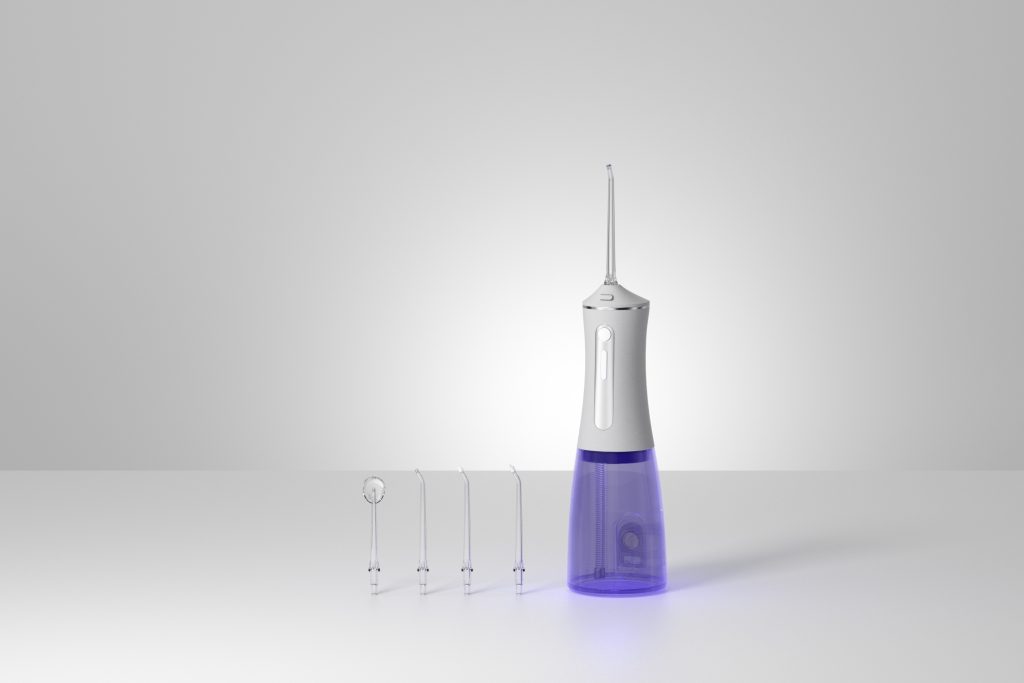
Electric Water Flossers (Oral Irrigators)
Overview: Electric water flossers use a pulsating stream of water to clean between the teeth and along the gum line, removing plaque and debris.
Advantages:
- User-friendly: Water flossers are often easier to use than traditional floss for individuals with limited dexterity or arthritis.
- Gentle on gums: The water stream is usually gentle, making it a good option for users with sensitive gums or braces.
- Thorough cleaning: Studies suggest that water flossers are effective at cleaning hard-to-reach areas and can reduce gum inflammation.
Disadvantages:
- Higher cost: Water flossers tend to be more expensive than traditional floss, with additional costs for replacement tips.
- Bulky: The device itself can be large and difficult to store in smaller bathrooms.
- Water access required: Users must have access to a water source, making it less portable compared to traditional flossing.
Floss Picks
Overview: Floss picks are small, disposable tools with a piece of floss stretched between two prongs, designed for easy handling.
Advantages:
- Convenience: Floss picks are quick to use, especially when you’re on the go or in a rush.
- Compact: Easy to carry around, making it perfect for travel or keeping at work.
- Hygienic: The disposable nature of floss picks ensures that users are always using fresh floss, reducing the risk of bacteria build-up.
Disadvantages:
- Not as effective: Floss picks may not be as thorough as traditional floss when it comes to cleaning between tight teeth.
- Waste: These disposable tools contribute to plastic waste, which is not ideal for environmentally-conscious users.
- Limited control: The small size of the handle may be difficult for some users to maneuver effectively.
Sonic Flossers
Overview: Sonic flossers use high-frequency vibrations in combination with a traditional flossing action to help dislodge plaque and debris.
Advantages:
- Effective cleaning: The combination of sonic vibrations and flossing action allows for more efficient plaque removal than manual flossing.
- Gentle: The vibrations help reduce gum irritation while still offering a thorough clean.
- Convenient: Much like a water flosser, sonic flossers are easy to use and can clean multiple teeth at once.
Disadvantages:
- Expensive: Sonic flossers are typically more expensive than traditional options.
- Need for charging: Some models require regular charging, making them less convenient for on-the-go use.
- Noise: The sonic vibrations can be noisy, which might be a concern for some users.
\Interdental Brushes
Overview: Interdental brushes are small, brush-like tools designed to clean between teeth, especially in wider gaps where traditional floss may be less effective.
Advantages:
- Great for wider gaps: Ideal for users with larger spaces between their teeth or dental work such as bridges and implants.
- Easy to use: Interdental brushes are simple to maneuver, and their bristles can more easily access hard-to-reach areas.
- Gentle and effective: They offer a gentle but thorough clean, reducing the likelihood of gum irritation.
Disadvantages:
- Not suitable for all users: Those with tightly spaced teeth may find interdental brushes less effective.
- Higher cost: Compared to traditional floss, these brushes can be more expensive, and you’ll need to replace them regularly.
- Limited availability: Interdental brushes may not be as widely available in all regions.
Smart Flossing Devices
Overview: Smart flossing devices are the latest advancement in flossing technology, offering real-time feedback, progress tracking, and even personalized recommendations via a mobile app.
Advantages:
- Technology-driven: These devices often feature sensors that provide feedback on how well you’re flossing, encouraging better habits and more effective cleaning.
- Personalized tips: Some smart flossers can offer tips and track your flossing over time, making them ideal for those looking to improve their oral hygiene routine.
- Fun and engaging: For tech-savvy users, these devices can make flossing feel more like a game, which could encourage consistent use.
Disadvantages:
- Expensive: Smart flossers are among the most expensive options available.
- Reliance on technology: Users who prefer a simple, low-tech solution may not appreciate the need to sync with an app or track progress online.
- Complexity: Some users may find the extra features overwhelming, especially if they’re not interested in detailed performance tracking.
Conclusion: Finding the Right Flossing Technology for Your Needs
When evaluating the advantages and disadvantages of different types of flossing technology, it’s essential to consider your personal oral care needs, budget, and lifestyle. While traditional flossing is still highly effective for many, options like water flossers and sonic flossers can provide added convenience and efficiency, especially for users with sensitive gums or orthodontic appliances. Interdental brushes and floss picks offer alternatives for specific dental concerns, while smart flossers bring technology into the equation for those seeking a more personalized experience.
No matter what your preferences are, understanding the various types of flossing technologies available can help you make a more informed choice, ensuring that your oral hygiene routine is both effective and tailored to your unique needs.
.jpg)
