Introduction
A denture cleaning electric toothbrush is a great tool for keeping removable dentures clean and free of plaque, stains, and bacteria. But not all electric toothbrushes are safe for dentures—some can scratch or damage the acrylic surface over time. This guide explains which brushes are safe to use.
Why Standard Electric Brushes Can Be Dangerous
Most standard electric toothbrushes have stiff, abrasive bristles or high-power vibration that can scratch denture acrylic. These scratches create tiny grooves where bacteria can hide, leading to odors and stains. Some brushes may also loosen or damage the denture’s clasps or attachments.
Safe Features to Look For
Choose an electric toothbrush with these denture-friendly features:
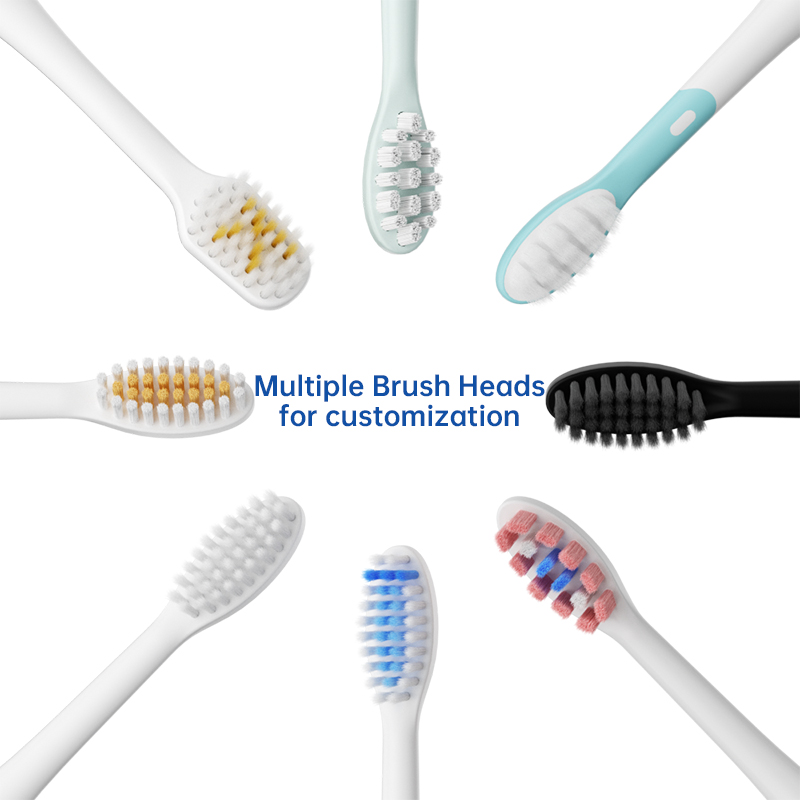
- Ultra-soft nylon bristles: Gentle enough to clean without scratching acrylic.
- Low vibration/oscillation modes: Reduced power to avoid damaging the denture surface.
- Denture-specific cleaning modes: Some models have a dedicated setting for cleaning removable appliances.
- Non-abrasive cleaning heads: Avoid brushes with hard or rubberized tips that can scratch.
Step-by-Step Denture Cleaning Routine
Follow these steps to clean your dentures safely:
- Remove your dentures and rinse them under lukewarm water to remove loose debris.
- Apply a small amount of non-abrasive denture cleaner to the brush head.
- Use the lowest power setting to gently clean all surfaces of the denture, including the clasps and gumline.
- Rinse the dentures thoroughly and brush head to remove leftover cleaner.
Additional Care Tips
- Never use regular toothpaste on dentures—it can be too abrasive and scratch the surface.
- Soak dentures in a non-abrasive cleaning solution overnight to kill bacteria.
- Replace your brush head every 2–3 months to avoid buildup of bacteria on the bristles.
For denture-friendly electric toothbrushes, visit https://www.powsmart.com/.
For denture care guidance, visit https://www.ada.org/resources/consumer/oral-health/dentures.
Conclusion
A denture cleaning electric toothbrush helps keep your removable appliances clean without damaging them. By choosing the right brush and following safe cleaning techniques, you can extend the life of your dentures and maintain good oral hygiene.

.jpg)
