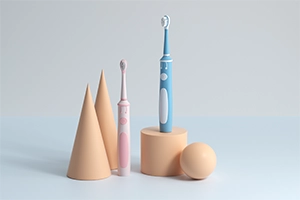
Dental suction plays a central role in modern infection control, especially in procedures that generate splatter and aerosols. For B2B stakeholders—manufacturers of clinical equipment and electric toothbrushes alike—understanding how suction integrates with clinical workflows helps reduce microbial risk, protect staff and patients, and inform product design decisions that complement in-office hygiene protocols.
First, it’s important to recognize that many everyday dental actions—professional prophylaxis, air polishing, high-speed drilling, and even in-clinic demonstrations using powered brushes—produce droplets and aerosols that can carry saliva, blood, and pathogenic organisms. Consequently, controlling these emissions is more than a procedural nicety: it’s a compliance and safety requirement. Therefore, dental suction (from low-volume saliva ejectors to high-volume evacuation systems) is the frontline engineering control that limits spread at the source.
Ultimately, dental suction is not a standalone fix but a critical component of layered infection control. For B2B manufacturers of electric toothbrushes and clinical equipment, the opportunity lies in designing products and workflows that acknowledge this reality: devices that are easy to disinfect, demo-friendly while compatible with HVE, and supported by training and validation tools. Consequently, when suction and device design are aligned, clinics can safely leverage powered oral-care technologies—improving hygiene outcomes without compromising safety.
If helpful, I can draft a clinic-ready checklist and a demo-unit specification template that aligns electric-toothbrush features with HVE capture best practices. Contact us
.jpg)
Is a Travel Electric Toothbrush Best for Orlando?
.jpg)
Eco-Bamboo Electric Toothbrush OEM – Sustainable Oral-Care Manufacturing
Red Light Gum Care Electric Toothbrush OEM
Private Label Electric Toothbrush – OEM Branding for Global Sellers
Is it Normal to Have Bleeding Gums or Discomfort When First Using a Water Flosser?
Electric Toothbrush Battery Replacement Options: Replace or Upgrade?
.jpg)
Why Consumers Prefer electric vs manual toothbrush – And How Brands Can Benefit
Smart Sonic Toothbrush Private Label: Complete OEM Services for Your Brand
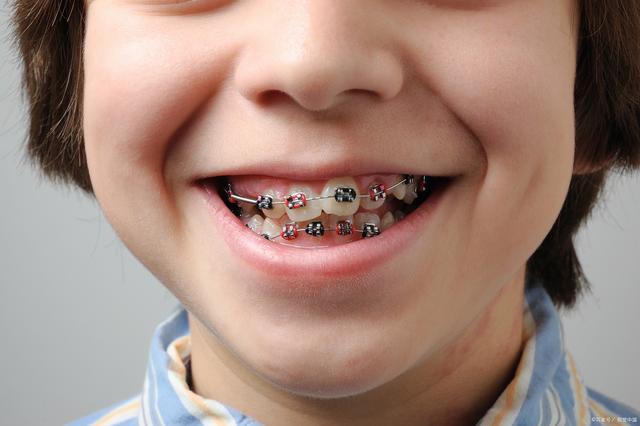
Oral Care Tips for People Under Orthodontics
Can a Torque Control Motor Benefit from Advanced Kinematic Pair Design in Electric Toothbrushes?
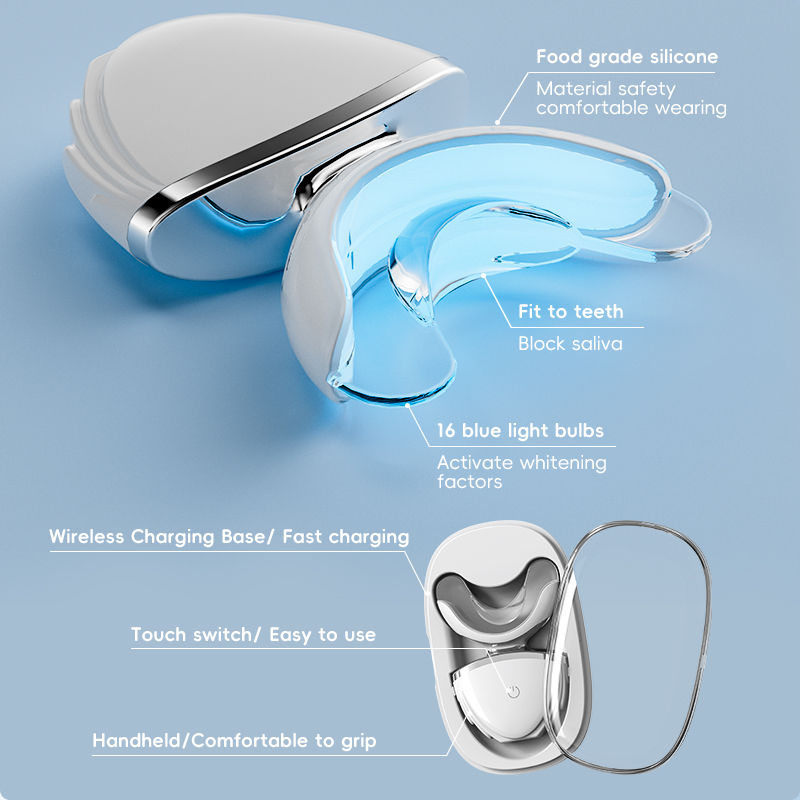
How to choose a reliable teeth whitening kit manufacturer

Can Intelligent Electric Toothbrushes Keep Evolving Like Mobile Phones?
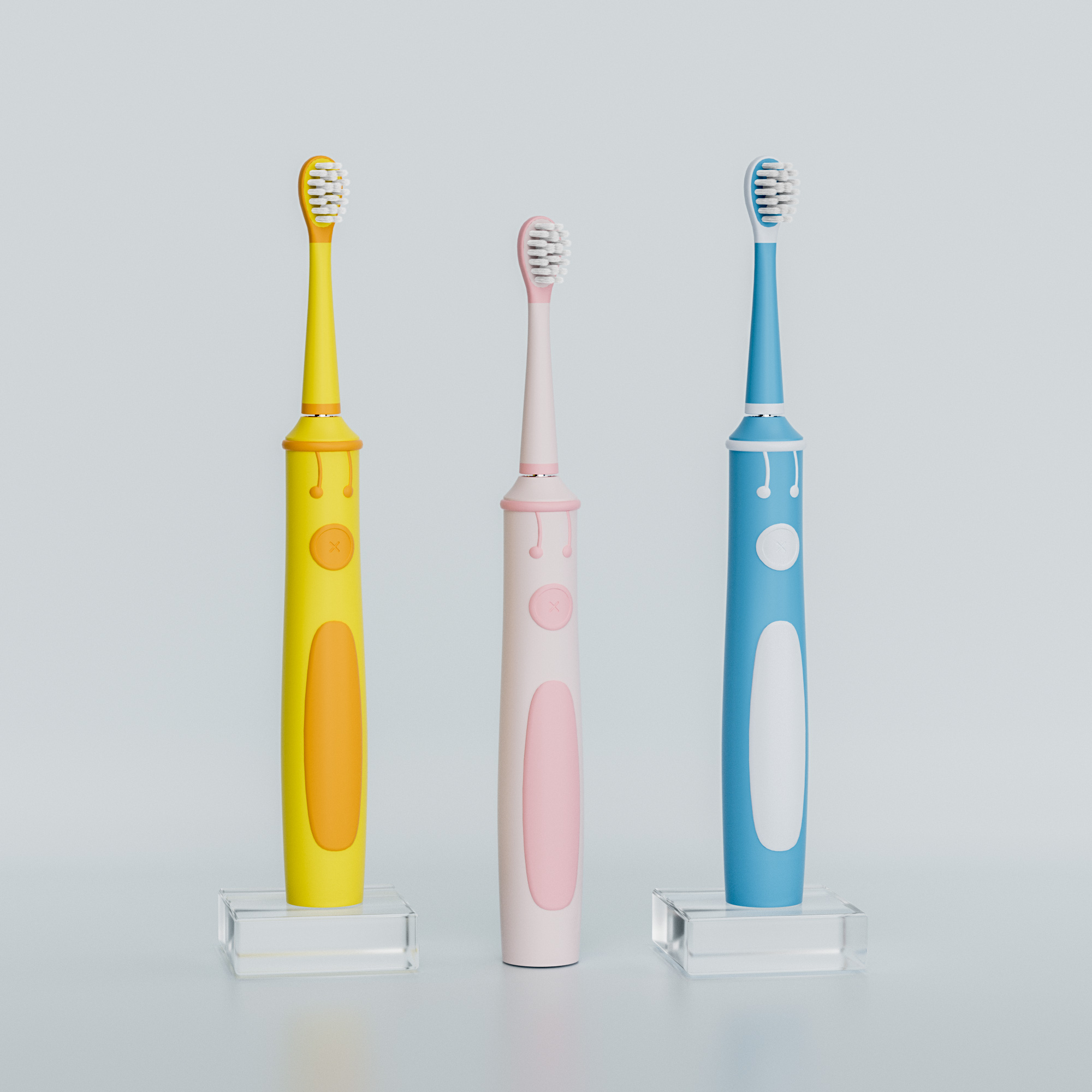
Children’s Oral Care: Developing Good Oral Habits at an Early Age
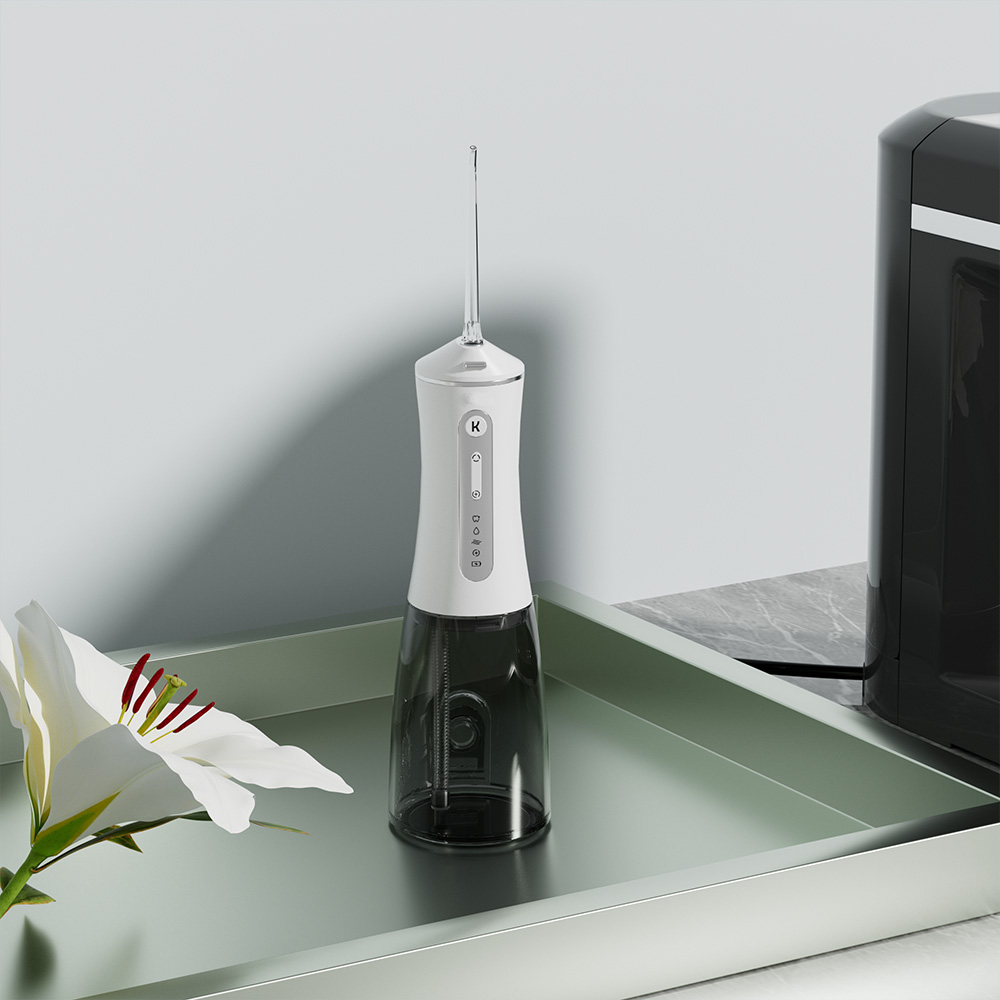
How Often Should You Use a Water Flosser?
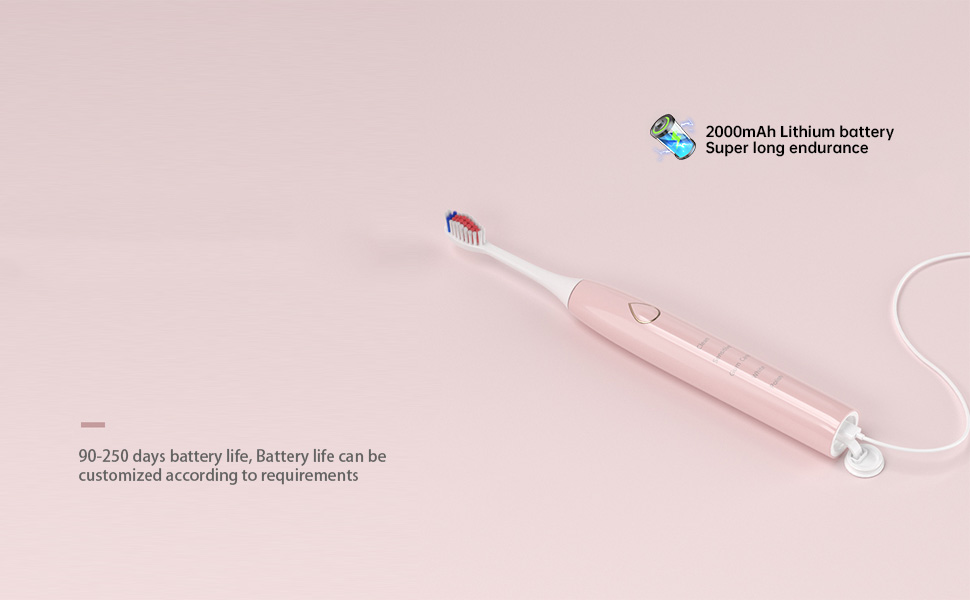
OEM Considerations for Battery Technology in Electric Toothbrushes
.jpg)
Are Water Flosser Packaging Solutions Key to Secure Water Flosser Export Packaging?


.jpg)
.jpg)
.jpg)
.jpg)
.jpg)






.jpg)
.jpg)