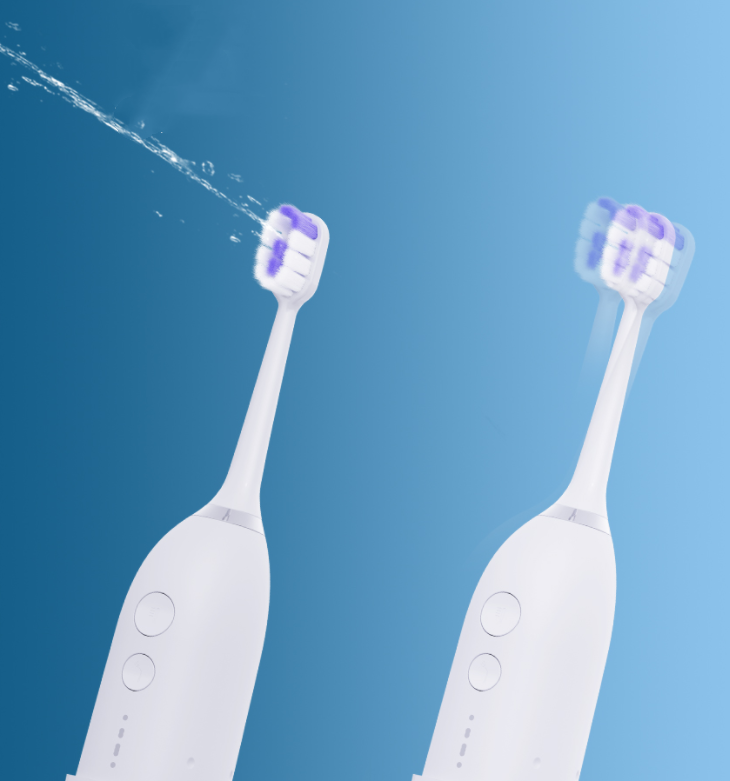
One key feature often discussed is the frequency of electric toothbrush—how many strokes or vibrations it produces per minute. But does a higher frequency always mean better cleaning ability? Let’s explore this topic in-depth to understand the relationship between frequency and cleaning performance.
Frequency refers to the speed at which an electric toothbrush vibrates or oscillates. High-frequency toothbrushes can generate tens of thousands of strokes per minute, far surpassing what is achievable with manual brushing. For example, sonic toothbrushes typically operate at 30,000 to 40,000 strokes per minute, providing users with a more efficient cleaning process. But what does this mean for actual plaque removal and oral hygiene?
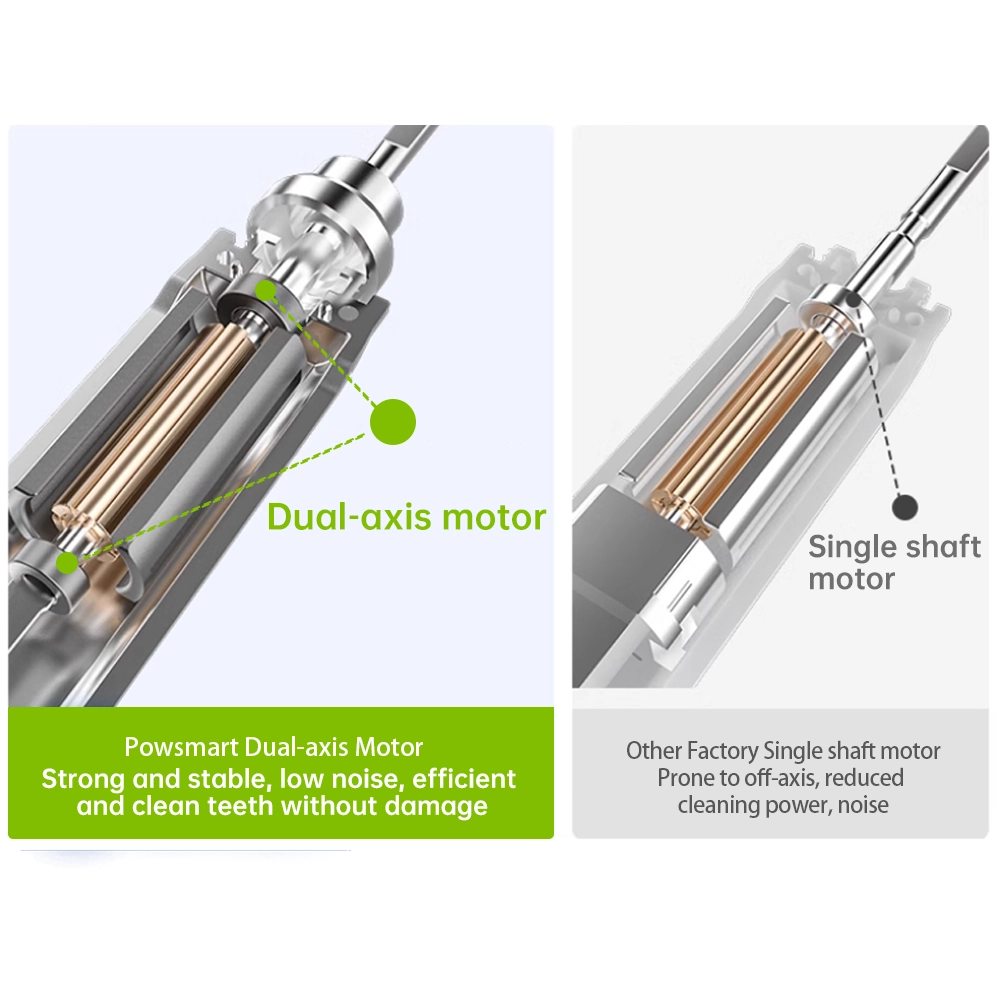
The cleaning ability of toothbrushes depends on several factors, including frequency. Here’s how frequency contributes:
Increased Plaque Removal: High-frequency vibrations help dislodge plaque and food particles from hard-to-reach areas.
Fluid Dynamics: Sonic toothbrushes create dynamic fluid motion, propelling water and toothpaste between teeth and along the gum line for a deeper clean.
Gentle on Gums: While high-frequency brushes are effective, their movements are designed to be gentle, reducing the risk of gum damage compared to aggressive manual brushing.
However, frequency alone doesn’t guarantee better cleaning. Other factors, such as bristle design, brushing technique, and user habits, also play crucial roles.
While a higher frequency can enhance cleaning ability, it’s not the sole determinant of performance. Here are a few considerations:
Comfort Level: Extremely high-frequency brushes may feel uncomfortable for some users, especially those with sensitive teeth or gums.
Battery Life: Higher frequency often means increased power consumption, which can impact battery life.
Diminishing Returns: After a certain point, increasing frequency yields minimal additional cleaning benefits.
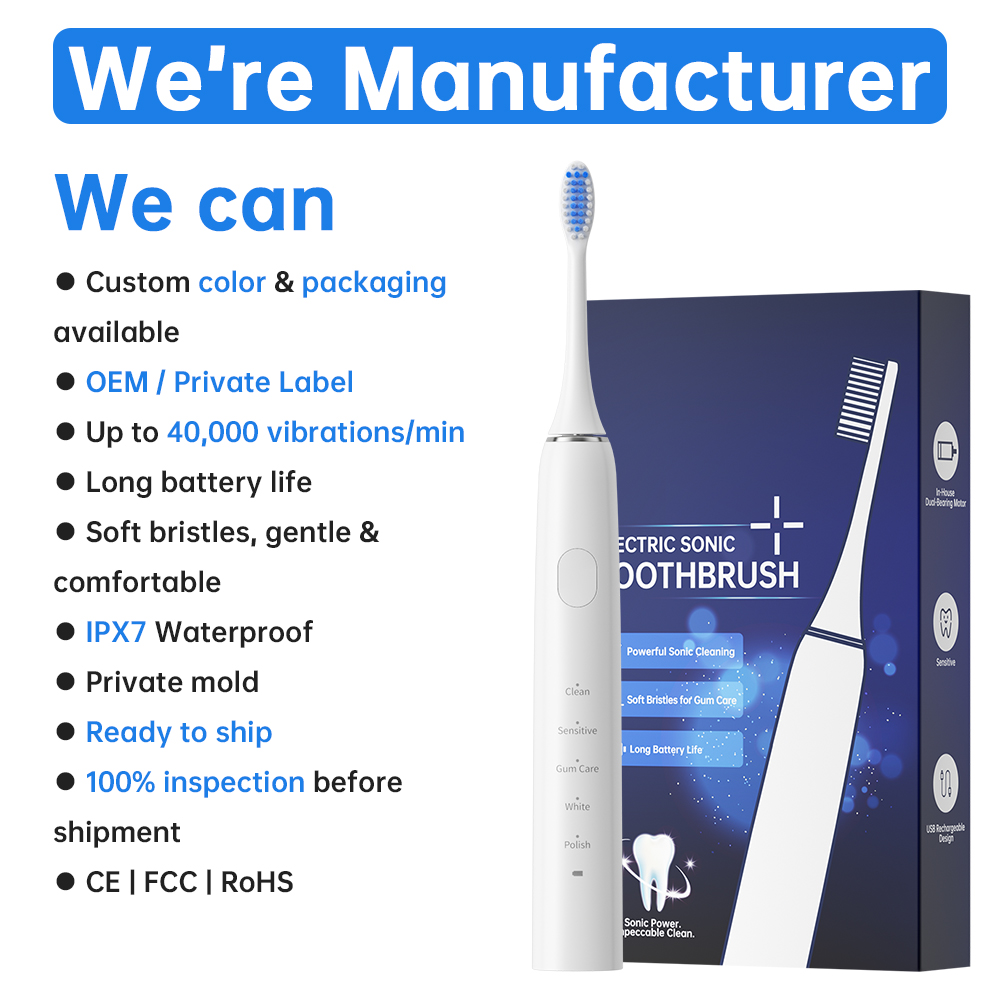
Choosing the right electric toothbrush should balance frequency with other features that suit individual needs. Powsmart’s electric toothbrushes offer 31000-40000VPM frequency and different brushing methods for selection. If you’re selecting one type of competitive electric toothbrush to customize your own brand, don’t hesitate to contact Powsmart.
Beyond frequency, the cleaning ability of toothbrushes depends on:
Bristle Design: Soft, tapered bristles can clean more effectively without damaging enamel or gums.
Brushing Modes: Many electric toothbrushes offer modes like “whitening,” “sensitive,” and “gum care” to address specific needs.
Timing and Technique: Brushing for the dentist-recommended two minutes and using proper technique are essential for optimal results.
While the frequency of the electric toothbrush is an important factor in its cleaning ability, it’s not the only one. A toothbrush with a balanced design that combines high-frequency vibrations, ergonomic bristle design, and user-friendly features will deliver the best results. Ultimately, the best toothbrush is one that encourages consistent and effective oral hygiene habits.
So, the next time you consider upgrading your toothbrush or selecting electric toothbrush supplier, remember: higher frequency isn’t always better, but understanding how it contributes to cleaning ability can help you make an informed choice for your oral health.https://www.powsmart.com/contact-us/
All You Want to Know About Teeth Whitening Gel
.jpg)
Private Label Electric Toothbrush Solutions for B2B Brands
Electric Toothbrush OEM After Sales Support
Sonic Electric Toothbrush Export Supplier
Food-Grade Materials Solve Gum Irritation?
Electric Toothbrush Long Battery Life Manufacturer: Power Efficiency and Reliability
.jpg)
Why is a dental approved toothbrush often a Sonicare or Oral-B?
Electric Toothbrush Gets Wet and Turns On Automatically: Safety Risks and OEM Solutions

Eco-Friendly Electric Toothbrush OEM – Sustainable Oral Care Solutions
Time for a clinic upgrade? Why invest in a smart Dental chair?
Matcha Teeth Stains Guide | Green Tea
Electric Toothbrush Quality Inspection Checklist
Bulk Personalized Electric Toothbrush Gifts | Corporate & Dental
How to Choose Professional Electric Toothbrush Factory Customization Service?
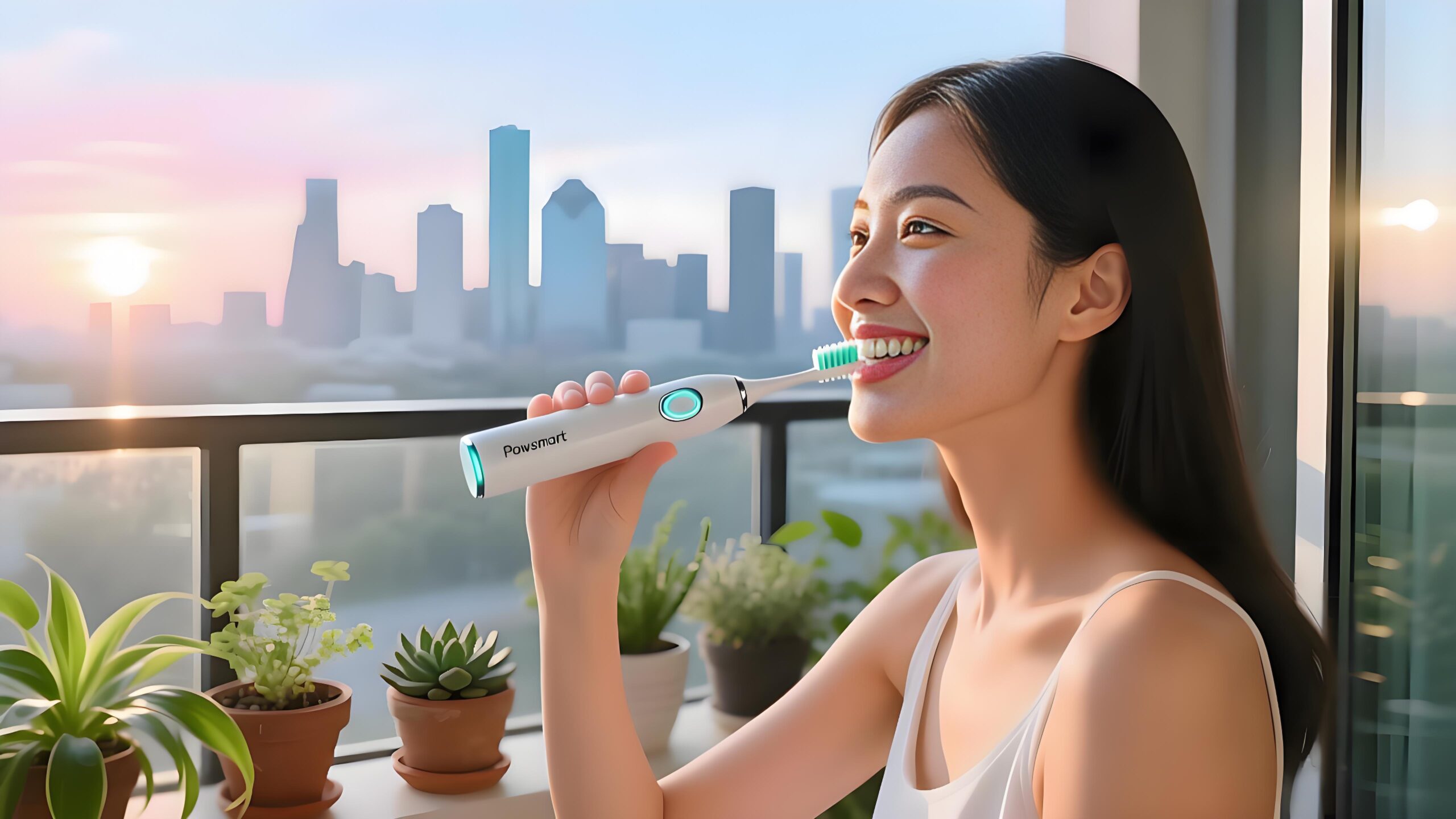
Electric Toothbrush Bulk Supplier: Sourcing, Certifications, and Wholesale Options
Does Your Companion Mobile App SDK Include a Cross-Device Sync Protocol?


.jpg)
.jpg)
.jpg)
.jpg)
.jpg)