When developing a long-lasting electric brush, battery technology plays a decisive role in both performance and consumer satisfaction. For oral care brands seeking reliable manufacturing partners, understanding the nuances of Battery Technology in Electric Toothbrushes is key. In this blog, we’ll explore important OEM considerations to ensure your next product stands out in a competitive market.
Today’s consumers demand convenience and efficiency. A short toothbrush battery life can quickly lead to dissatisfaction, while a reliable battery elevates brand loyalty. Shoppers expect brushes that last weeks on a single charge, whether for home use or travel. As an OEM partner, your ability to address these expectations directly impacts market success.
Working with the right manufacturing partner gives brands access to OEM power solutions tailored to different price points and product features. From compact entry-level models to premium smart brushes, OEMs can integrate batteries that balance size, cost, and durability. Early discussions with your supplier about energy density, charging cycles, and safety standards help avoid costly redesigns later.
When you compare battery technologies, three primary options dominate the market:
Nickel Metal Hydride (NiMH): Affordable and safe, but with limited charge retention.
Lithium-ion (Li-ion): Lightweight, higher energy density, and increasingly common in premium brushes.
Lithium Iron Phosphate (LiFePO4): Stable with long cycle life, though less compact.
Each technology presents trade-offs in lifespan, cost, and charging performance. Partnering with a knowledgeable OEM ensures the right choice for your product line.
While achieving a long-lasting electric brush is vital, safety cannot be compromised. Batteries must comply with international safety certifications and incorporate protection against overheating or overcharging. Experienced OEMs implement advanced testing protocols to guarantee consumer trust.
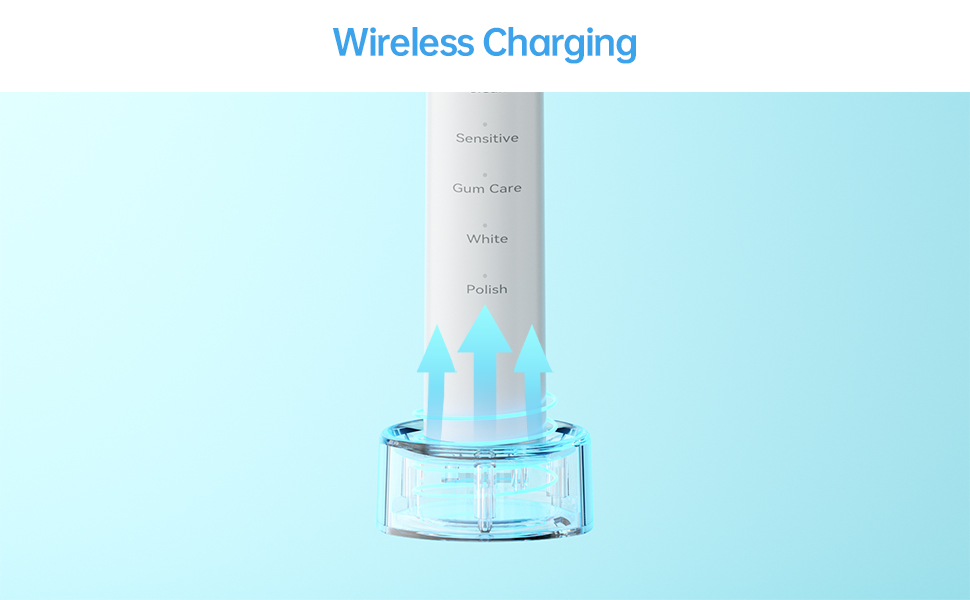
Modern buyers are increasingly conscious of eco-friendly solutions. Rechargeable batteries with longer lifespans reduce waste and enhance user satisfaction. Additionally, intuitive charging systems—such as wireless docks or USB-C—add value. An OEM experienced in Battery Technology in Electric Toothbrushes can integrate sustainability without sacrificing performance.
Choosing a manufacturer is more than sourcing parts—it’s about building a strategic partnership. A capable OEM provides insight into battery trends, regulatory requirements, and emerging innovations. Their expertise in OEM power solutions helps transform your concept into a market-ready product.
For oral care brands, the right battery strategy can define the success of an electric toothbrush. From optimizing toothbrush battery life to aligning with eco-conscious consumer trends, every detail counts. By working with an OEM that understands how to compare battery technologies and tailor them to your product vision, you can deliver a truly long-lasting electric brush that resonates with today’s health-conscious and tech-savvy customers.
What Products Can a Dental Clinic Choose to Sell Oral Care-Related Products? What Should Be Noted?
Dentistry Instrument Factory Market Trends and Customized Production Solutions
Can APP Connectivity Development Enhance Brushing Data Tracking for Users?
.jpg)
Electric Toothbrush Bulk for Wellness Programs
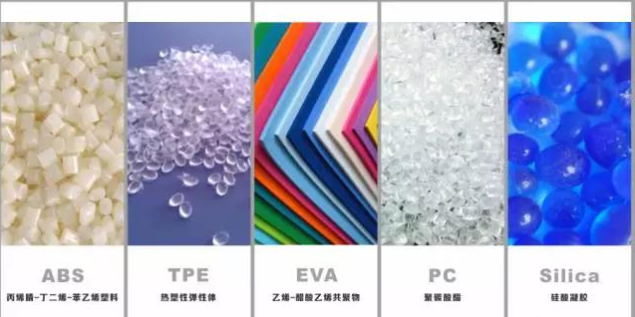
Oral Care Products CPSR Material List: Ensuring Safety and Compliance
How to Make Your Own Electric Toothbrush
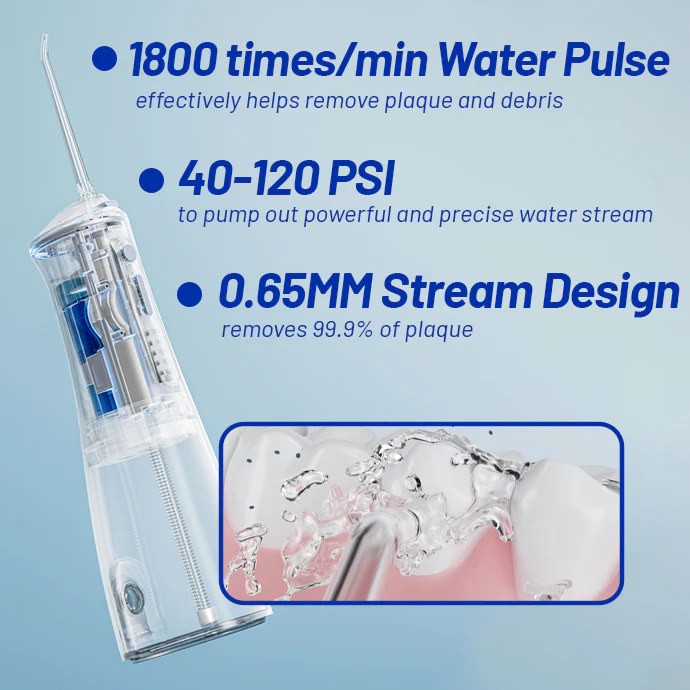
The Competitive Edge: How Water Flosser brands Stay Ahead in the Market
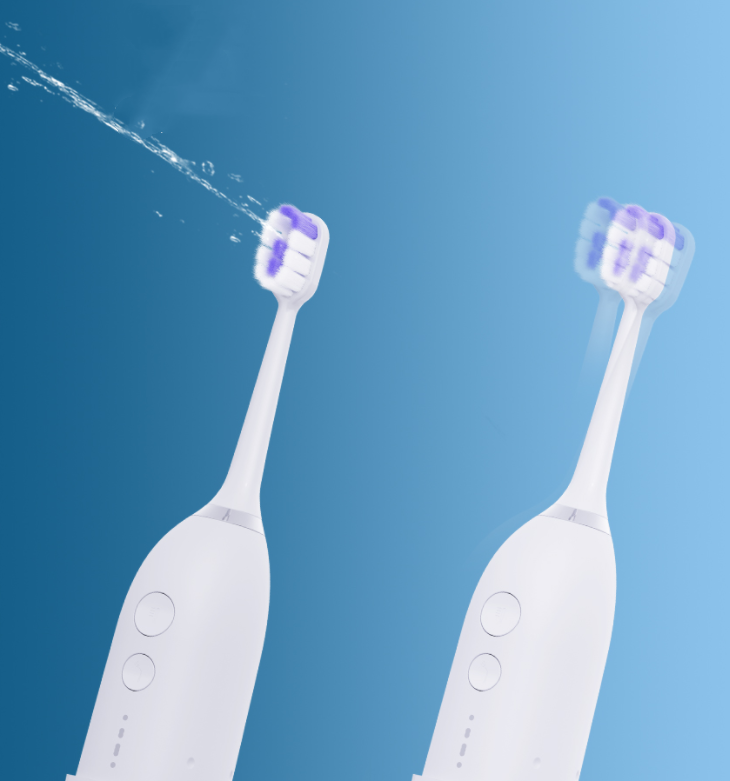
Is High-Frequency Vibration Harmful to Gums?

Why Smart Electric Toothbrushes Are Oral Care Market Trends and in Demand
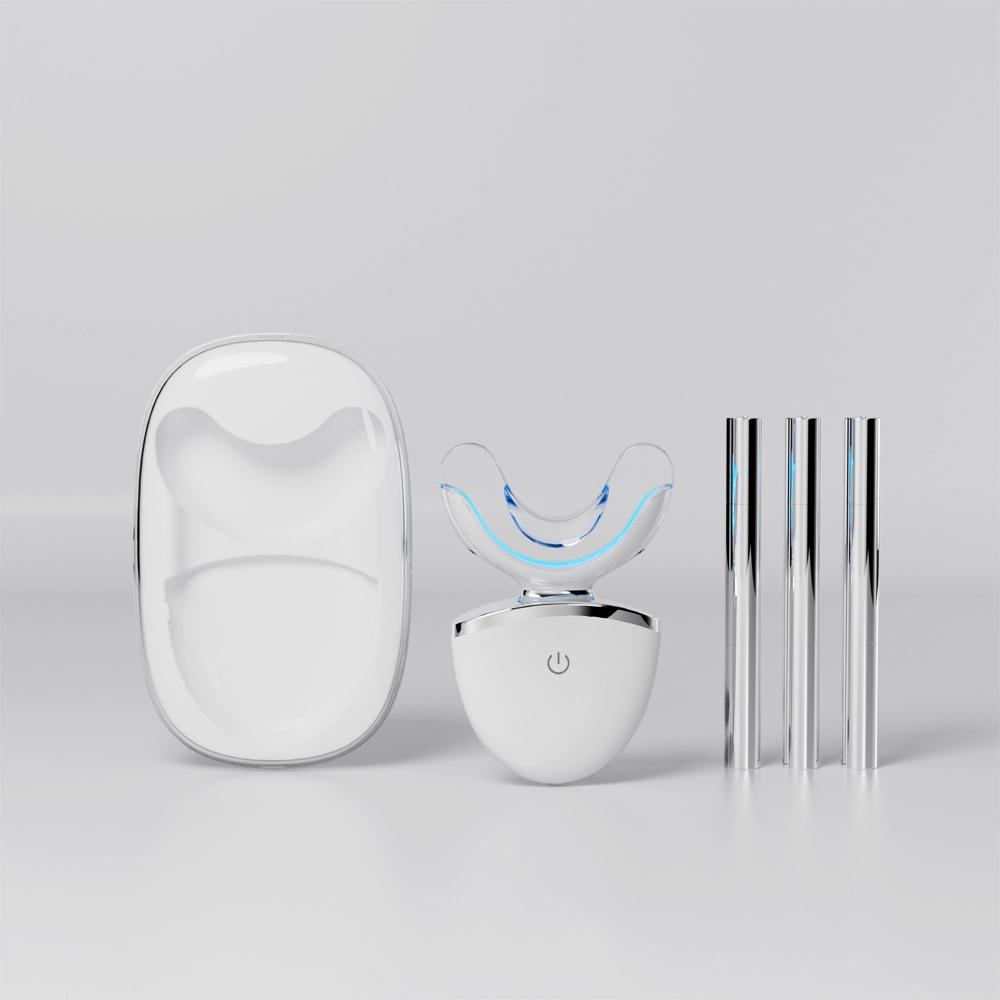
What are the benefits of wireless teeth whitening kit?
.jpg)
Los Angeles sonic toothbrush wholesale distributor
The Perfect Travel Oral Care Kit.
BMS Water Flosser Relief | Burning Mouth Syndrome
OEM smart toothbrush manufacturer
Custom Electric Toothbrush Supplier | Powsmart

Essential orthodontic Oral Care Products for Orthodontic Patients: Key Elements & Solutions


.jpg)
.jpg)
.jpg)
.jpg)
.jpg)