Sourcing a China electric toothbrush that doubles as a true smart sonic toothbrush can give your product line a technical edge and attractive margins — but only if you know what to inspect beyond the glossy spec sheet. Below are six focused areas every B2B buyer (distributor, private-label brand or dental supplier) should evaluate when selecting a Chinese partner. Each section explains what matters, why it matters, and a short, practical checklist you can use during supplier conversations.
Core sonic hardware: what “sonic” really means
Why it matters: Sonic performance is the foundation of consumer trust — it determines cleaning feel, noise, battery draw, and brush-head design fit.
What to check:
- Motor type and declared frequency (look for high-frequency linear/elliptical motors designed for sonic action).
- Brush head coupling and interchangeability (ensure your head designs / bristles specs are supported).
- Mechanical testing: vibration durability, motor lifetime, and noise level metrics.
Quick checklist for suppliers: provide motor datasheet, vibration test reports, and sample head-fit tolerance drawings.
Transition: Once hardware is validated, evaluate the intelligence layer that turns a sonic brush into a smart product.
Smart features & data: connectivity that clinics and consumers trust
Why it matters: Smart features — Bluetooth, app coaching, pressure sensing, zone tracking — convert a commodity brush into a sticky product and a clinical tool for dentists.
What to check:
- Sensors: pressure, acceleration/IMU for zone tracking, and runtime logging.
- Connectivity: stable Bluetooth stack, OTA update path, and documented API or export format.
- App & UX: sample app screens, clinician vs. consumer modes, and data export for partners.
Quick checklist for suppliers: request a live demo unit with app pairing, sample telemetry export (anonymized), and an OTA update plan.
Transition: Smart hardware and telemetry require compliance and robust manufacturing controls.
Compliance, testing & quality systems China electric toothbrush
Why it matters: International markets and dental/professional channels require verified safety, EMC, and environmental compliance — and manufacturers with strong quality systems produce consistent batches.
What to check:
- Quality management: evidence of factory QMS (e.g., ISO 9001; for medical/dental adjacent products, ISO 13485 is a plus).
- Certifications & testing: CE/EMC, RoHS, FCC (or local equivalents) and battery safety (UN38.3 / IEC standards).
- Batch traceability, incoming inspection, and aging/burn-in procedures for electronics and batteries.
Quick checklist for suppliers: ask for copies of certificates, recent lab test reports, and a description of incoming inspection & lot traceability.
Transition: Compliance is necessary but not sufficient — supply chain reliability and cost control make the project viable.
Supply chain, BOM & commercial terms China electric toothbrush
Why it matters: MOQ, lead times, component sourcing (motors, MCU, batteries), and tooling costs determine unit economics and launch speed.
What to check:
- Bill of Materials transparency and alternative part options to reduce single-source risk.
- Tooling and injection-mold lead times and amortization (who owns molds; what are tooling costs?).
- Typical MOQs, sample policy, ramp schedules, and freight/INCOTERMS.
Quick checklist for suppliers: obtain an estimated BOM cost breakdown, tooling quote, MOQ tiers, and a sample production timeline.
Transition: With cost and production clarified, think about differentiation and protecting your design.
Customization, firmware & IP protection
Why it matters: Custom branding, unique firmware behavior, and exclusive cosmetic designs are how you avoid a race to the bottom.
What to check:
- OEM vs. ODM capabilities: how much will they customize hardware, firmware, and packaging?
- Firmware ownership & update policy: who holds source code, and how are updates/bug fixes handled?
- Legal protections: NDA, IP assignment or licensing terms, and supplier policies on private designs.
Quick checklist for suppliers: confirm scope of customization, ask for a sample firmware license clause, and include IP assignment in contract terms.
Transition: Finally, a strong after-sales and sustainability plan turns first purchases into recurring revenue.
After-sales, consumables & sustainability (the revenue engine)
Why it matters: Replacement heads, warranties, firmware updates, and recycling programs drive lifetime value and clinic/consumer loyalty.
What to check:
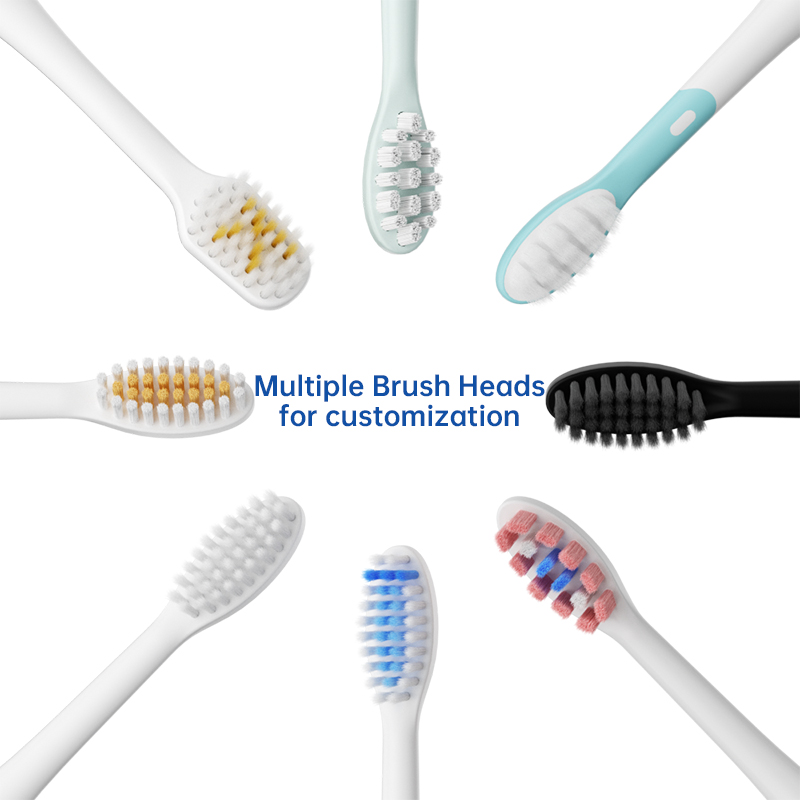
- Spare parts & head supply: head SKU lifecycle, expected replacement cadence, and co-packaging options for clinics.
- Warranty, RMA process, and local repair support or exchange policy.
- Sustainability: recyclable materials, recyclable packaging, or a take-back program — increasingly important for procurement decisions.
Quick checklist for suppliers: obtain spare-parts lead times, RMA SLA examples, and any sustainability claims/documentation.
Short supplier conversation template (one line per topic)
- “Please send motor datasheet + last 3 vibration test reports.”
- “Show a working unit paired to your app and a sample app telemetry export.”
- “Provide copies of QC certificates, recent lab test reports, and QMS evidence.”
- “Share BOM-level pricing assumptions and MOQ/ tooling quotes.”
- “Confirm firmware ownership, OTA plan, and propose an NDA/IP clause.”
- “List spare head SKUs, warranty policy, and any recycling/take-back options.”
Conclusion & next step
A well-sourced China electric toothbrush that truly functions as a smart sonic toothbrush combines proven sonic hardware, reliable smart telemetry, rigorous compliance, flexible manufacturing terms, clear IP protections, and a plan for consumables and sustainability. Use the six checks above as your supplier scorecard and insist on demo units and verifiable test reports before scaling.
If you’d like, I can now draft a ready-to-send RFQ template or a one-page supplier scorecard based on these six points — ready to paste into supplier emails. Contact us
.jpg)
.jpg)

.jpg)
