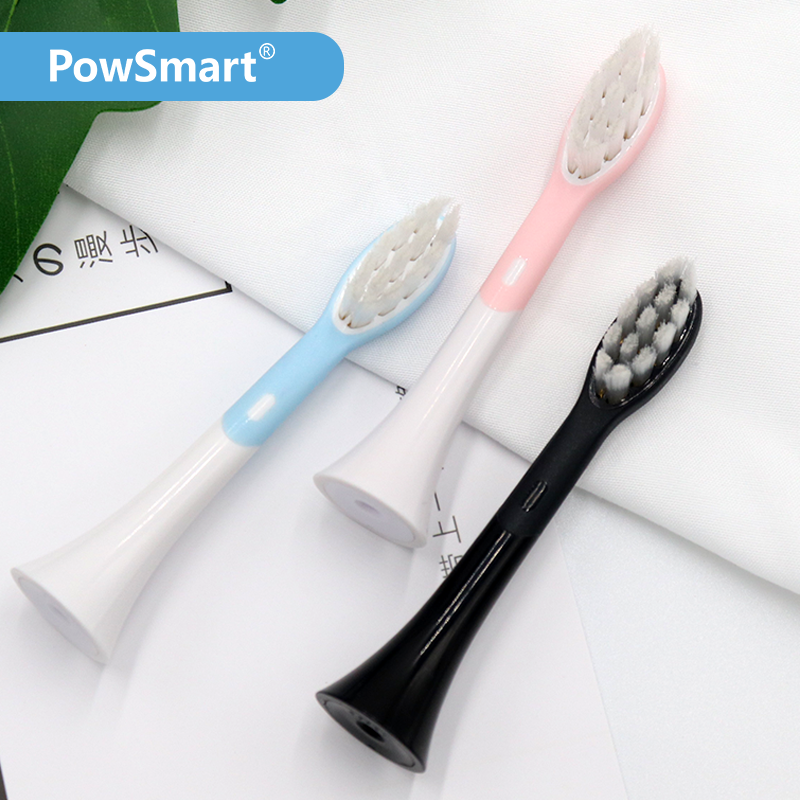
The Rise of Charcoal in Oral Care
Charcoal-infused products have taken the oral care world by storm. From toothpaste to mouthwash and now toothbrushes, the popularity of charcoal is undeniable. Among these innovations, the Charcoal Bristle Brush Head has gained significant attention. But are the supposed benefits of this product backed by science, or is it just another trend? Let’s take a closer look.
What Is a Charcoal Bristle Brush Head?
At its core, a Charcoal Bristle Brush Head features bristles infused with activated charcoal. Activated charcoal is a form of carbon processed to have tiny pores, increasing its surface area and adsorption capabilities. These bristles aim to combine mechanical cleaning with the purported detoxifying benefits of charcoal, promising a superior oral hygiene experience.
The Claimed Benefits of Charcoal Bristle
Advocates for charcoal bristle brush heads often highlight the following benefits:
Enhanced Whitening: Charcoal’s adsorptive properties are believed to help remove surface stains, potentially whitening teeth naturally over time.
Detoxification: Activated charcoal is known for its ability to bind to impurities and toxins, suggesting it may help eliminate bacteria and plaque more effectively.
Odor Control: By neutralizing odors, charcoal-infused bristles might contribute to fresher breath.
Gentle Cleaning: Charcoal bristles are designed to be soft yet effective, providing a gentler alternative for sensitive gums.
While these claims sound promising, it’s essential to examine them critically.
Scientific Support: Fact or Fiction?
Research on the benefits of charcoal bristle brushes is still emerging. While there is evidence supporting activated charcoal’s adsorptive capabilities, its application in bristles raises some questions:
Whitening Effectiveness: Studies suggest charcoal can help remove surface stains, but it’s not a substitute for professional whitening treatments.
Plaque and Bacteria Removal: While charcoal’s porous structure may help absorb bacteria, proper brushing technique remains the most critical factor in oral hygiene.
Safety Concerns: Unlike toothpaste, where charcoal is directly applied and rinsed, the abrasive potential of charcoal-infused bristles is less pronounced, making it generally safe for regular use.
Who Should Use a Charcoal Bristle Brush Head?
The Charcoal Bristle Brush Head may be particularly suitable for:
Individuals looking for natural solutions to maintain oral hygiene.
Those with surface staining from coffee, tea, or smoking.
People with sensitive gums who need a softer brushing experience.
However, individuals with significant dental concerns or enamel damage should consult their dentist before using charcoal-infused products.
Choosing the Right Charcoal Bristle Brush Head
Not all charcoal bristle brushes are created equal. Here’s what to look for:
Quality Bristles: Opt for brushes with soft, BPA-free bristles to protect your gums and enamel.
Ergonomic Design: A comfortable grip and well-designed head ensure effective brushing.
Certifications: Look for products approved by dental associations for safety and efficacy.
How to Maximize the Benefits of Charcoal Bristle
To reap the benefits of a Charcoal Bristle Brush Head, consider these tips:
Brush Properly: Use a gentle, circular motion to avoid enamel damage.
Replace Regularly: Like any toothbrush, replace the brush head every 2-3 months.
Pair with a Fluoride Toothpaste: Charcoal can complement, but not replace, fluoride’s proven benefits.
Maintain Regular Dental Checkups: While a charcoal brush can enhance your routine, professional cleanings and advice remain essential.
Conclusion: Are the Benefits Real?
The benefits of charcoal bristle brush heads are real to an extent, particularly in areas like stain removal, odor control, and gentle cleaning.https://www.powsmart.com/product/private-label-electric-toothbrush-heads-powsmart/ However, they are not a magic solution for all dental issues. For those looking to incorporate a modern twist into their oral care routine, charcoal bristle brushes offer a unique and effective option—when used correctly.
Ultimately, while the trend may seem new, the principles of good oral hygiene remain timeless: brush regularly, floss daily, and consult your dentist for personalized advice.
.jpg)
