Introduction
Camping trips often mean limited or no electricity, so finding a reliable camping oral care solution is essential for maintaining hygiene in the great outdoors. Traditional electric toothbrushes that require constant charging aren’t practical for backcountry trips, but there are plenty of options that work without power. These battery-powered and hand-crank models make camping oral care solution easy, even when you’re miles from the grid.
Why Camping Trips Challenge Oral Care
- Many campsites have limited or no electrical outlets for charging toothbrushes.
- Backcountry camping means carrying light gear, leaving no room for bulky chargers.
- Moisture, dust, and rough handling can damage standard electric toothbrushes.
- Early mornings and late nights around the campfire make it easy to skip brushing.
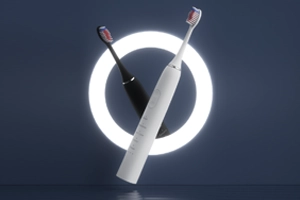
Top Camping-Ready Electric Toothbrush Options
These power-independent models are perfect for outdoor adventures:
- Battery-powered electric toothbrushes: Run on standard AA or AAA batteries, no charging needed.
- Hand-crank electric toothbrushes: Generate power with a simple turn of the handle, no batteries required.
- Solar-powered electric toothbrushes: Use built-in solar panels to charge during the day for night use.
- Compact, durable manual toothbrushes: Lightweight backup options for multi-day trips.
Tips for Choosing the Right Camping Toothbrush
- Look for models with long battery life (at least 2 weeks of use on a single set of batteries).
- Choose water-resistant or waterproof designs to handle moisture and rain.
- Opt for compact, lightweight models that fit easily in backpacks or toiletry kits.
- Consider hand-crank models for remote trips where even batteries are hard to replace.
Quick Oral Care Habits for Camping Trips
- Brush twice daily whenever possible, even if it means using bottled water.
- Rinse your mouth with water after meals to remove food debris when brushing isn’t possible.
- Keep a small pack of sugar-free gum in your backpack to stimulate saliva flow.
- Store your toothbrush in a protective case to keep it clean and dry between uses.
For power-independent electric toothbrushes, visit https://www.powsmart.com/.
For outdoor oral care guidance, visit https://www.ada.org/resources/consumer/oral-health/travel.
Conclusion
A reliable camping oral care solution makes it easy to maintain hygiene even when you’re miles from electricity. With battery-powered, hand-crank, or solar-powered electric toothbrushes, you can keep your smile healthy no matter where your outdoor adventures take you.