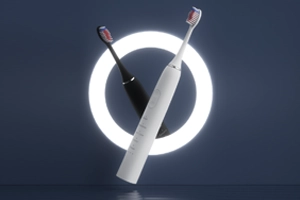
When patients ask whether an orthodontic brush truly simplifies braces care, the short answer is: yes — but only when product design, clinical guidance and commercial support align. In this article we walk B2B partners through the clinical benefits, design trade-offs, and go-to-market tactics that make an orthodontic brush (especially as an electric brush head option) a practical, time-saving solution for clinicians and a compliance booster for patients.
Clinical value: what an orthodontic brush delivers
First and foremost, an orthodontic brush is engineered to reach the unique geometry around brackets, wires and bands. Consequently:
- It reduces plaque retention in difficult-to-clean niches, thereby lowering the risk of white-spot lesions and gingivitis adjacent to orthodontic appliances.
- Moreover, because the head profile (often a V-shaped or split-filament arrangement) cradles wires, it cleans more efficiently with less patient technique required.
- Therefore, clinics see fewer hygiene-related follow-ups and patients report easier daily routines — both outcomes that matter to dental practices and to product buyers.
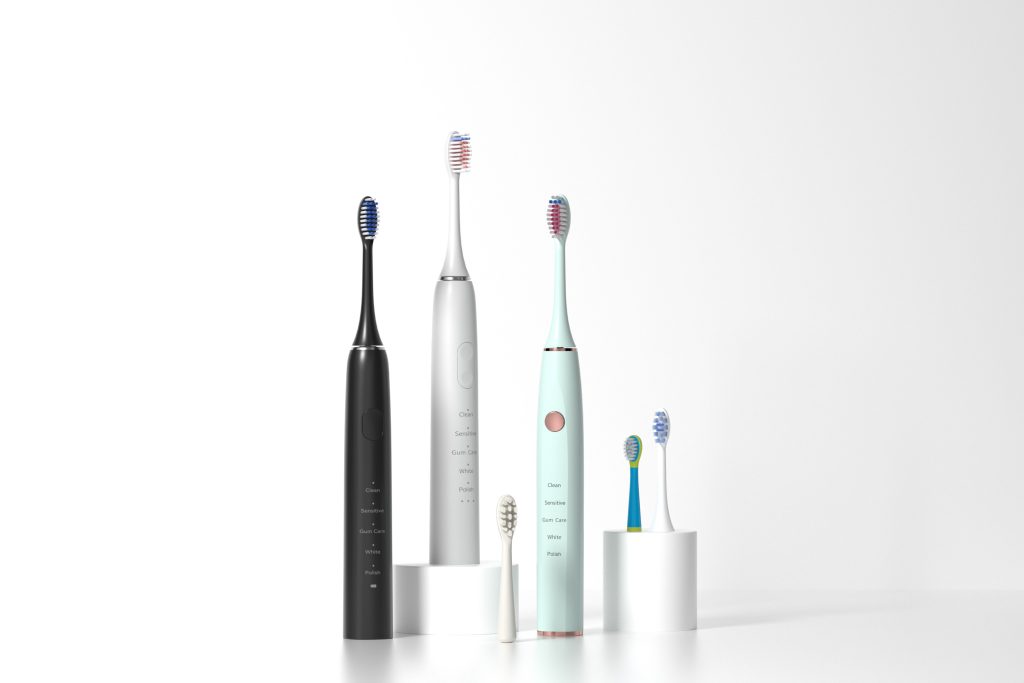
Importantly for B2B buyers, electric handles paired with orthodontic brush heads multiply benefits: sonic motion dislodges biofilm while a tailored head directs bristles under and around wires. Thus, the orthodontic brush + electric motor combination often outperforms manual brushes for braces care.
Product design: features that make an orthodontic brush effective
Design choices directly affect real-world performance. Key considerations include:
- Head geometry: V-groove or split-tuft profiles that clear around brackets while protecting soft tissue.
- Filament selection: extra-soft, rounded filaments minimize enamel abrasion yet still move plaque away from margins.
- Head size: small, compact heads reach posterior brackets and interproximal zones better than oversized heads.
- Compatibility: modular heads that fit standard electric handles (OEM/ODM-friendly) increase adoption among practices.
- Pressure detection & smart modes: sensors and a ‘braces’ mode that reduce lateral forces and alert users to over-brushing protect both appliances and soft tissues.
- Materials & hygiene: antimicrobial coatings, dishwasher/UV compatibility for sanitizing heads, and safe, regulatory-compliant plastics increase clinician confidence.
Consequently, manufacturers should prototype multiple head shapes and run clinician-led usability tests to validate which geometry delivers consistent plaque reductions on orthodontic models.
Clinical workflows & patient adoption
An orthodontic brush only simplifies care if clinicians integrate it into their workflow and patients adopt it correctly.
- First, train hygienists to demonstrate the product chairside; a two-minute guided demo dramatically increases compliance.
- Second, supply clinics with “braces care kits” that include an orthodontic brush head, a soft-mode guide and a short care leaflet.
- Third, use digital channels: app guidance or short videos embedded in appointment reminders reinforce the correct brushing angle and time.
- Finally, monitor outcomes: clinics that track plaque scores or white-spot incidence can quantify ROI and support repeat orders.
Therefore, B2B partners should package not just the brush head but also the training, patient materials and clinic analytics to drive sustained use.
Six practical actions for manufacturers, distributors and clinics
- Develop a clinic-tested orthodontic head SKU. Prototype V-groove and split-tuft heads, then run short in-office trials to select the best performer.
- Bundle demo & aftercare materials. Provide clinics with demo units, clinician scripts and two-page patient leaflets focused on braces care and head replacement cadence.
- Add a Braces Mode to the handle firmware. Soft power, timed pulses and pressure feedback improve safety and perceived comfort for orthodontic patients.
- Offer subscription replacement heads. Promote head replacement every 8–12 weeks via B2B bundles; this increases lifetime revenue and improves oral outcomes.
- Train the trainer. Run short online CPD modules for hygienists and ortho teams so they can teach proper technique efficiently.
- Collect and share outcome data. Facilitate clinics to record plaque or lesion metrics (even simple before/after photos) and use those results in co-marketing to build trust with new buyers.
Commercial & regulatory considerations
Beyond clinical performance, B2B buyers must evaluate manufacturing scalability, certification and margin dynamics:
- Ensure materials meet FDA/CE and regional toy/child-safety standards where applicable (many orthodontic users are teens).
- Design heads for cost-effective tooling and injection-molding lifecycles (important for OEM/ODM pricing).
- Price bundles competitively for clinics — margin on heads + consumables often drives long-term revenue more than a single handle sale.
- Finally, provide clear labeling about cleaning and replacement to avoid misuse and warranty disputes.
Final thoughts
In sum, an orthodontic brush—particularly when delivered as a purpose-built head for electric handles—does simplify braces care by improving cleaning efficacy, reducing patient technique dependence, and decreasing clinic rework. Nevertheless, success requires a coordinated B2B approach: thoughtful product engineering, clinician education, validated clinical outcomes, and smart commercial packaging. When those elements align, orthodontic brushes become a powerful value driver for manufacturers, distributors and dental practices alike.
If you’d like, I can: (A) draft a clinic demo script and patient leaflet; (B) outline a braces-mode firmware spec; or (C) create an OEM cost/ tooling checklist tailored to orthodontic brush heads. Which option do you prefer? Contact us
.jpg)
