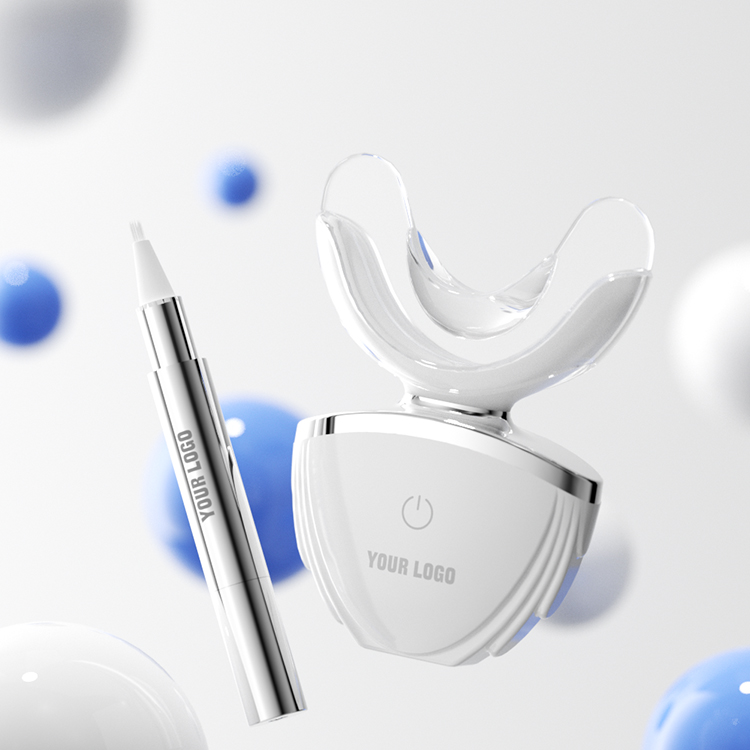
As consumer demand for whiter smiles continues to rise, at-home teeth whitening kits have become one of the fastest-growing categories in the oral-care market. Brand owners looking to expand product lines often ask the same question: Are these whitening kits truly safe for long-term use? This blog provides an OEM analysis to help oral-care brands evaluate product safety, formulation strategies, and manufacturer capabilities before launching or upgrading their whitening solutions.
Understanding the Science Behind At-Home Whitening Kits
Most at-home teeth whitening kits rely on peroxide-based or non-peroxide ingredients to remove stains through oxidation or physical detachment. When properly formulated, both options can deliver effective results.
However, long-term use safety depends on concentration control, exposure time, and the stability of whitening agents—factors that professional OEM manufacturers regularly optimize.
The Importance of Long-Term Use Safety Evaluation
Consumers often use whitening kits more frequently than recommended, which makes long-term use safety a priority for brand owners. OEM factories typically conduct:
-
Enamel micro-abrasion tests
-
Soft-tissue irritation assessments
-
Sensitivity tolerance evaluations
-
Ingredient compatibility studies
These safety protocols ensure that the final product aligns with regulatory guidelines and customer expectations.
Benefits of a Gentle Formula for Consumer Comfort
To support continuous or repeated use, many leading OEM manufacturers now develop a gentle formula that balances whitening performance with user comfort. Gentle formulas often include:
-
Desensitizing agents (e.g., potassium nitrate)
-
Hydrating components like glycerin
-
pH-balanced systems to protect enamel
Brand owners seeking to differentiate their whitening kits can highlight “safe for long-term use” as a core value—backed by OEM-certified gentle formulations.
Key Regulatory Considerations for Global Markets
Safety standards vary across regions (U.S., EU, Middle East, Southeast Asia), and OEM partners play a critical role in helping brands comply with:
-
Maximum allowable peroxide concentrations
-
Packaging and usage-instruction requirements
-
Cosmetic vs. medical device classifications
-
Stability testing and claim substantiation
Working with an experienced OEM manufacturer ensures smoother market entry and reduces compliance risks.
How OEM Manufacturers Ensure Quality & Consistency
A reliable manufacturing partner will invest in:
-
ISO-certified production lines
-
Automated filling and sealing equipment
-
Ingredient traceability systems
-
Batch-to-batch consistency checks
These capabilities allow brands to scale confidently while maintaining the highest product safety standards.
What Brand Owners Should Look for in a Whitening Kit OEM Partner
When evaluating potential OEM factories, consider asking:
-
Do they offer R&D support for custom whitening formulas?
-
Can they develop gentle, sensitivity-reduced whitening solutions?
-
What testing procedures do they use to validate long-term safety?
-
Do they provide packaging design, labeling compliance, and private labeling services?
-
Can they customize strengths, flavors, formats (strips, pens, gels, LED kits)?
The right OEM partner should deliver both technical expertise and end-to-end manufacturing support.
Conclusion
At-home teeth whitening kits can be safe for repeated or long-term use, but only when designed with the proper formulation, regulatory compliance, and safety testing. An experienced OEM manufacturer is essential in creating a gentle formula that balances whitening performance with enamel protection.
For oral-care brands planning to enter or expand in the whitening category, choosing the right OEM partner is the most strategic step toward building trust, ensuring product safety, and achieving long-term business growth.

.jpg)
